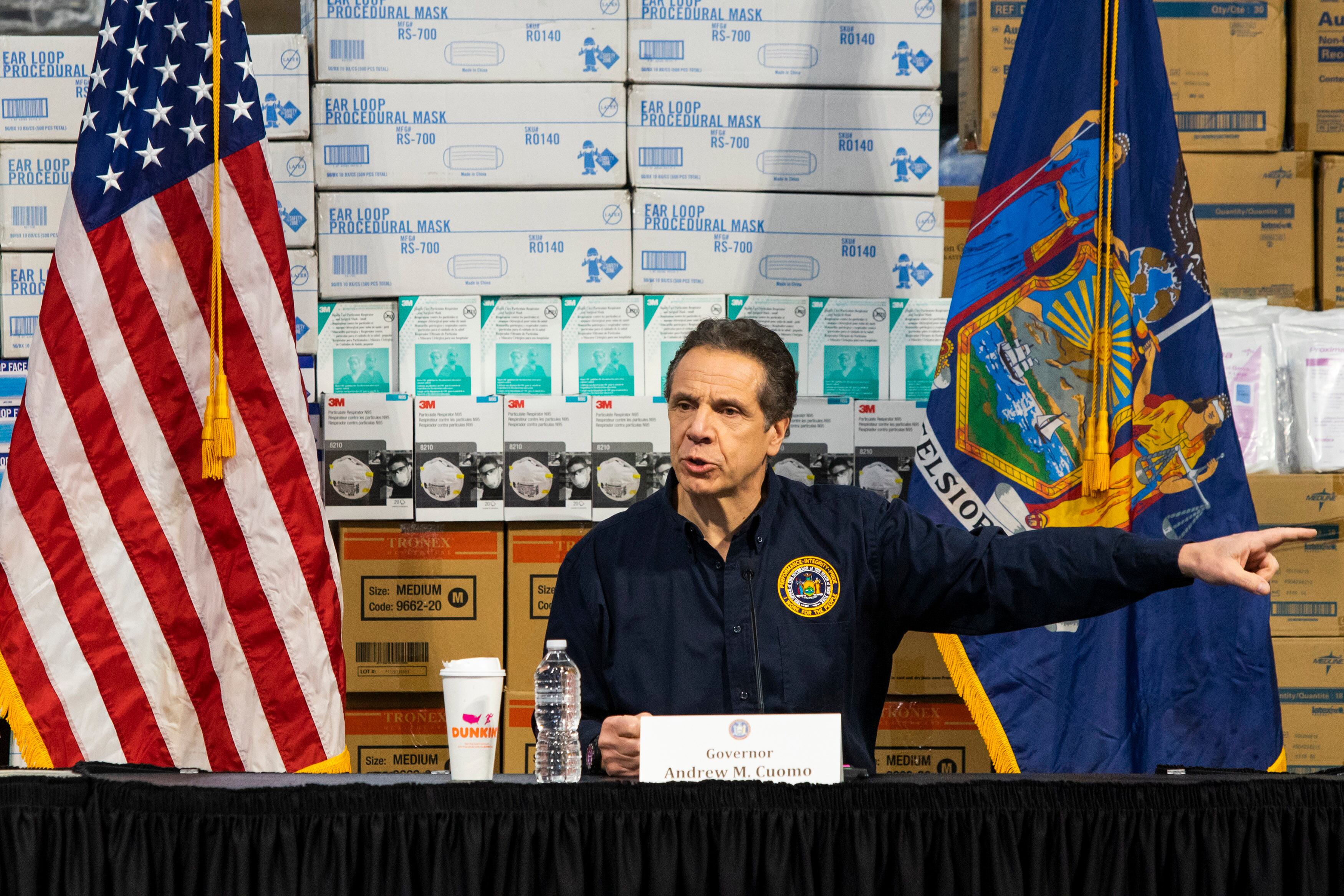
New York Governor Andrew Cuomo speaks to the media at the Javits Convention Center which is being turned into a hospital to help fight coronavirus cases on March 24, 2020 in New York City. New York City has about a third of the nation’s confirmed coronavirus cases, making it the center of the outbreak in the United States. (Photo by Eduardo Munoz Alvarez/Getty Images)
New York Governor Andrew Cuomo said new projections from health officials suggest instead of flattening, "the curve is increasing" and lambasted the federal government for its lack of action on distributing ventilators and for refraining from using the Defense Production Act.
The governor said the apex of the disease is approaching faster than anticipated and could come as soon as 14-21 days from now. He raised the number of hospital beds needed in the state to 140,000 beds and 40,000 ICU beds. New York currently has 3,000 ICU beds and 53,000 hospital beds. A few days ago, he said the state had projected it would need 110,000 beds.
Cuomo had previously included more hopeful notes of encouragement in his press conferences but on Tuesday delivered concerning news. "The apex is higher than we thought and the apex is sooner than we thought," he said.
Nearly half of the nationwide coronavirus cases are in New York state. Overnight, the case count rose by 5,000, bringing the total to more than 25,000 statewide.
"No one is testing more than we are testing," Cuomo said. "In many ways, we have exhausted every option available to us."
The governor noted that 23 percent of hospitalizations so far have needed ventilators and that 13 percent of positive diagnoses have required hospitalization as of Tuesday.
"We haven't flattened the curve, and the curve is actually increasing," Cuomo said from the Javits Center in Manhattan, which is being turned into a 1,000-bed emergency hospital by the Army Corps of Engineers.
On Monday, Dr. Deborah Birx, who is in charge of the White House response, said the attack rate in New York and New Jersey is five times higher than for the rest of the United States. The attack rate is the percentage of a population that catches the disease.
Cuomo was pointed in his criticism of the federal government for so far sending only a small fraction of needed ventilators to New York. "You want a pat on the back for sending 400 ventilators?" the governor demanded of the White House. "What are we going to do with 400 ventilators when we need 30,000 ventilators? You're missing the magnitude of the problem, and the problem is defined by the magnitude."
Cuomo said the state has so far procured 7,000 ventilators but needs 30,000 and, without more options for ventilators available, will start attempting the unusual plan to split them between people.
"If we don't have ventilators in 14 days, it does us no good," Cuomo assessed, again lamenting what he expressed was the lack of aid. "Not to exercise [the Defense Production Act] is inexplicable to me."
President Trump, during a Coronavirus Task Force town hall on Fox News Tuesday, struck back at the New York governor saying "I watch him on this show complaining."
"I'm not blaming him, but he shouldn't be talking about us," Trump said, referring to a claim that Gov. Cuomo neglected to purchase additional ventilators for the state in 2015. "He should be buying his own ventilators."
Still, citing New York's current 25,665 cases of the novel coronavirus, the governor called on Secretary of Health and Human Services Alex Azar to release 20,000 ventilators in the federal stockpile.
"The problem is the volume," he said. He asked the federal government to deploy ventilators around the country as needed as different states approach their own curve rates of infection while noting that New York has the greater need at the moment.
After passing its critical period, he said that the state would then move the ventilators to the next region addressing a crisis.
"I will take personal responsibility for transporting the 20,000 ventilators anywhere in this country that they want once we are past our apex," he said. "But don't leave them sitting in a stockpile."
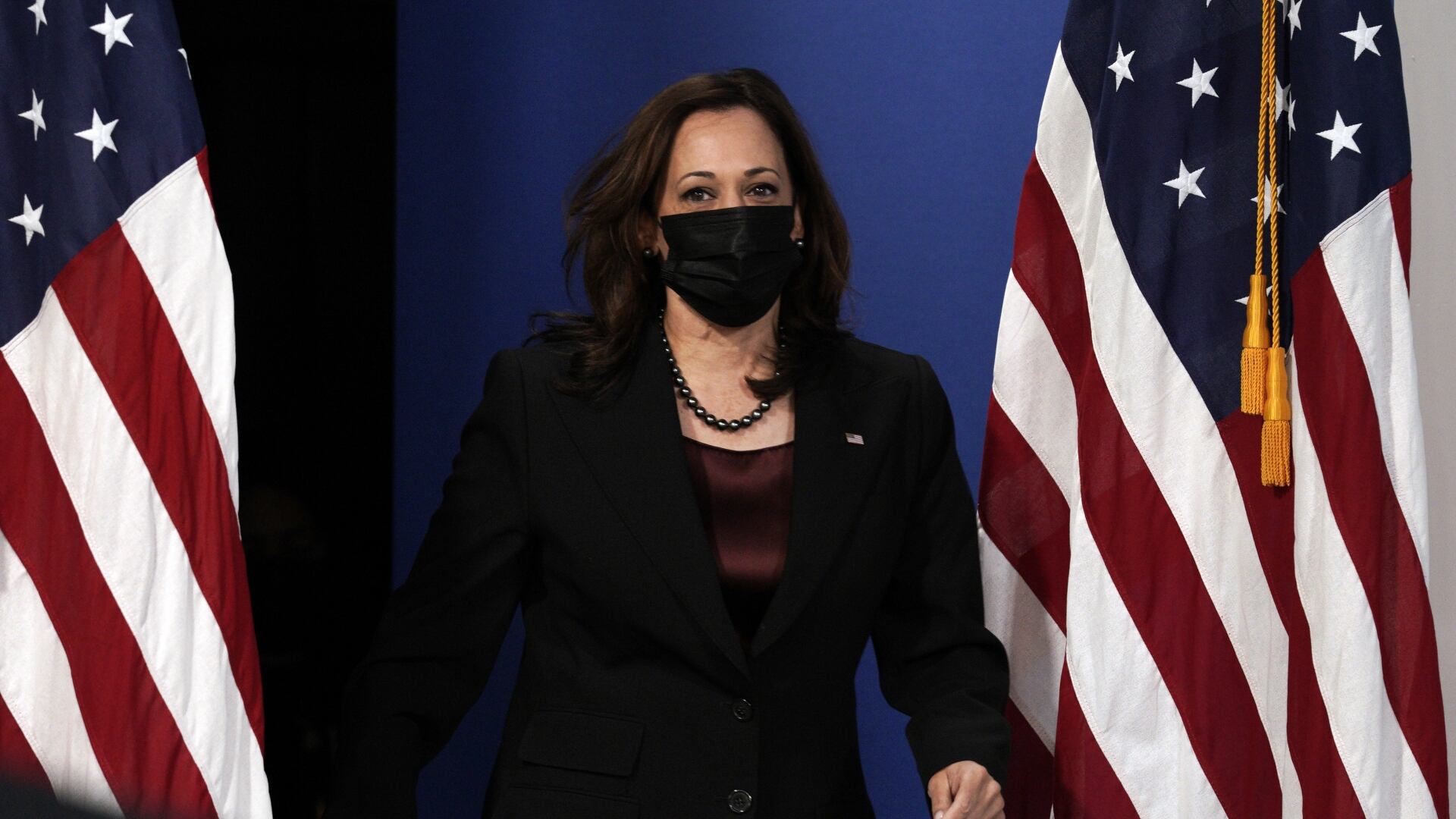
Vice President Kamala Harris received impressive amount of media coverage in January for making history. However, the media attention waned significantly and some are now even saying she has almost disappeared from public view. Reecie Colbert, founder of BlackWomenViews Media, joined Cheddar Politics to discuss more.
If you thought you heard the last of the Mueller report back in 2019, you'd be wrong. While the bombshell report was the biggest story in Washington for years, much of the report remained redacted. Our friends at BuzzFeed News weren't satisfied, so they sued to have certain passages unredacted. They notched another win when a federal appeals court ordered ten passages from the report to be released.
Matt Topic, BuzzFeed's attorney in the case, and Jason Leopold, reporter at BuzzFeed News, join Cheddar Politics to discuss.
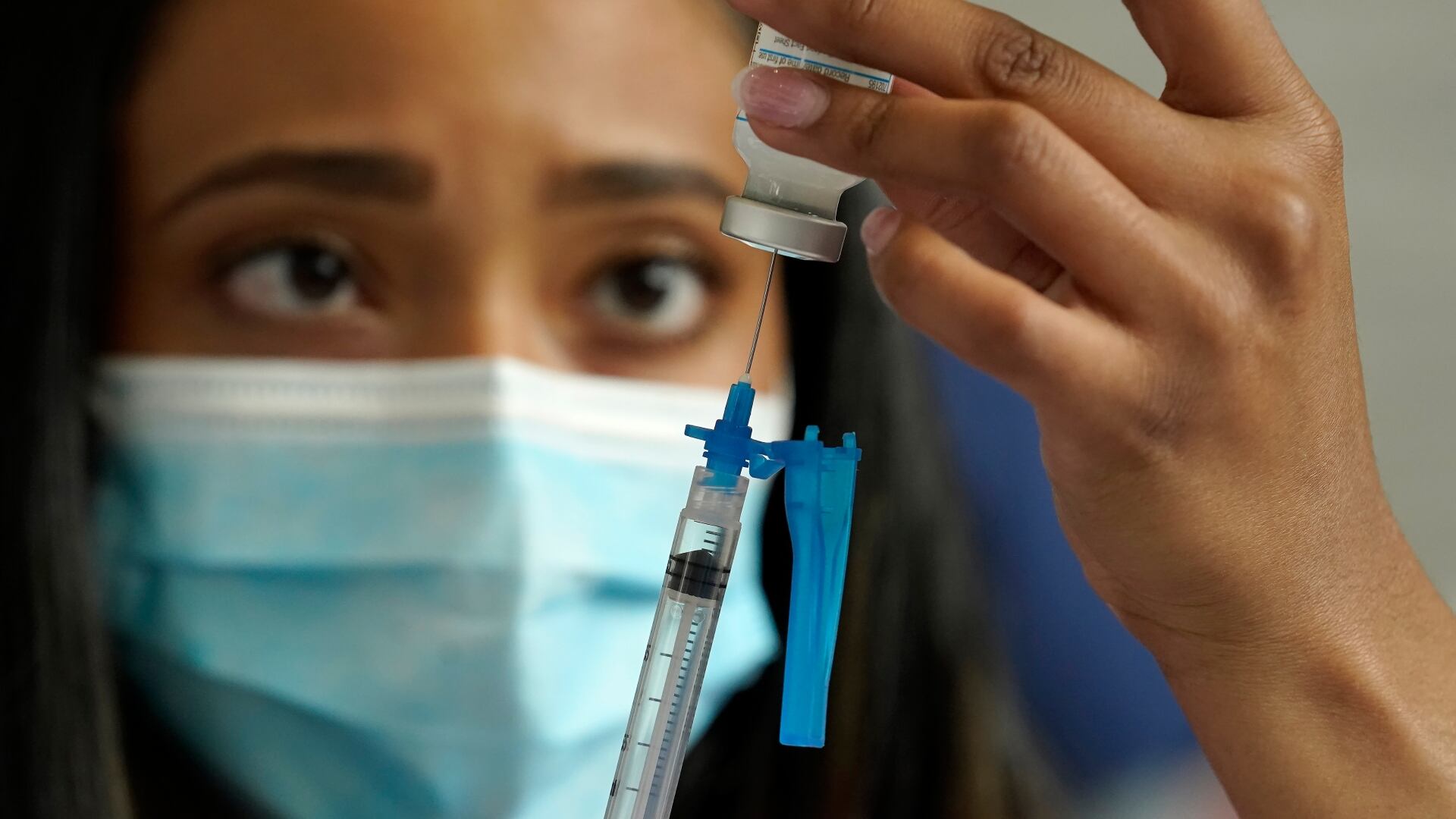
The U.S. reported its first confirmed case of the omicron variant in California on Wednesday. Scientists and health officials are racing to understand the variant, with the WHO saying it's still too early to determine whether it's more contagious, more deadly or more resistant to vaccines than other variants. Omicron has pushed members of the WHO to commit to start talks over a "gobal pandemic treaty" for future pandemic preparedness.
Priti Krishtel, co-founder and co-executive director of the Initiative for Medicines, Access & Knowledge, joins Cheddar Politics to discuss.
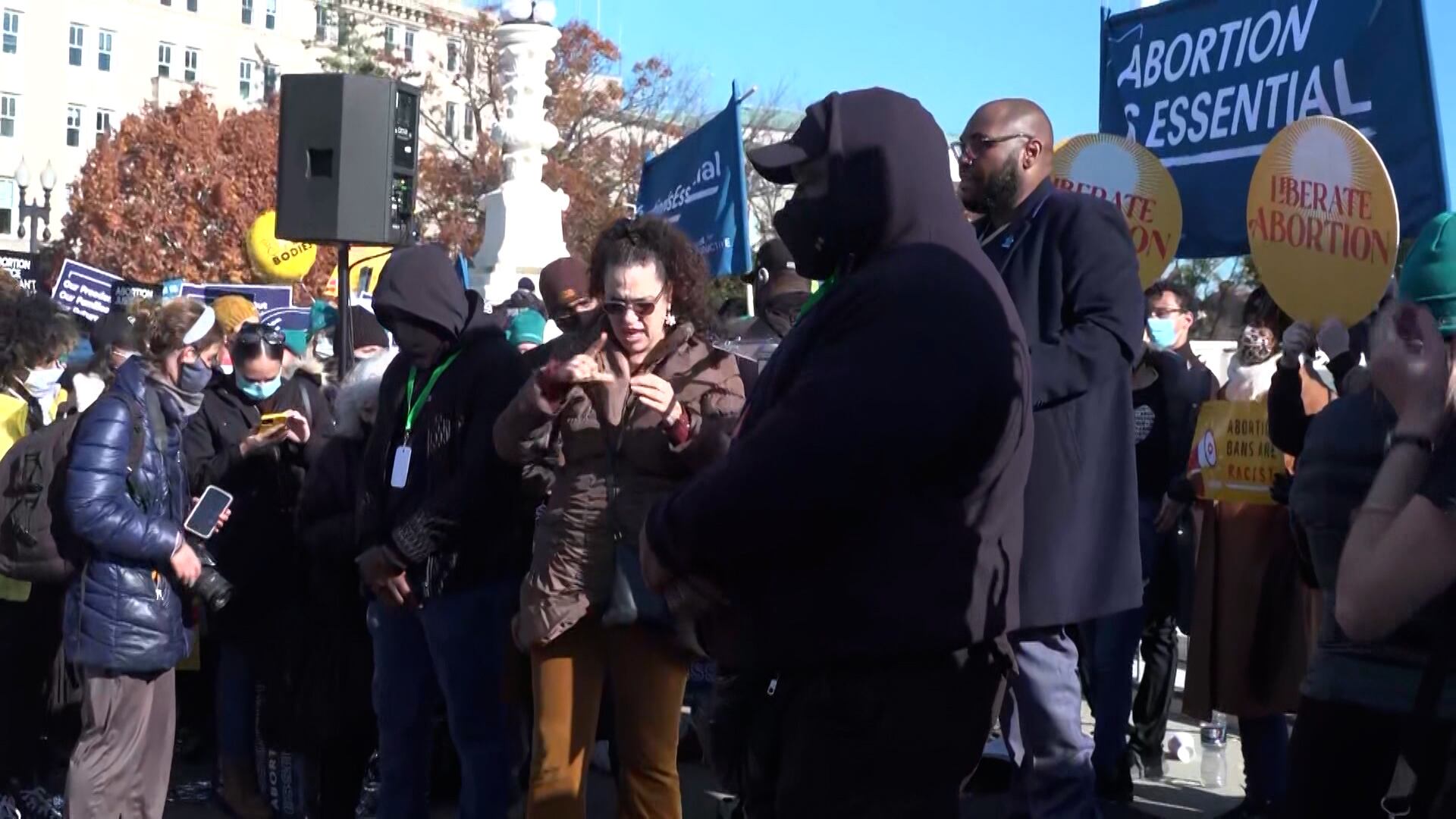
Wednesday was not a good day for those who believe in abortion rights in this country as the Supreme Court heard arguments on a Mississippi abortion law that bans most abortions after 15 weeks of pregnancy. The majority of the court appears poised to roll back abortion rights, and the questions from the conservative justices seemed to indicate the law for nearly 50 years is likely to change.
Jessica Mason Pieklo, senior vice president and executive editor of Rewire News Group, joined Cheddar Politics to discuss Wednesday's hearing.
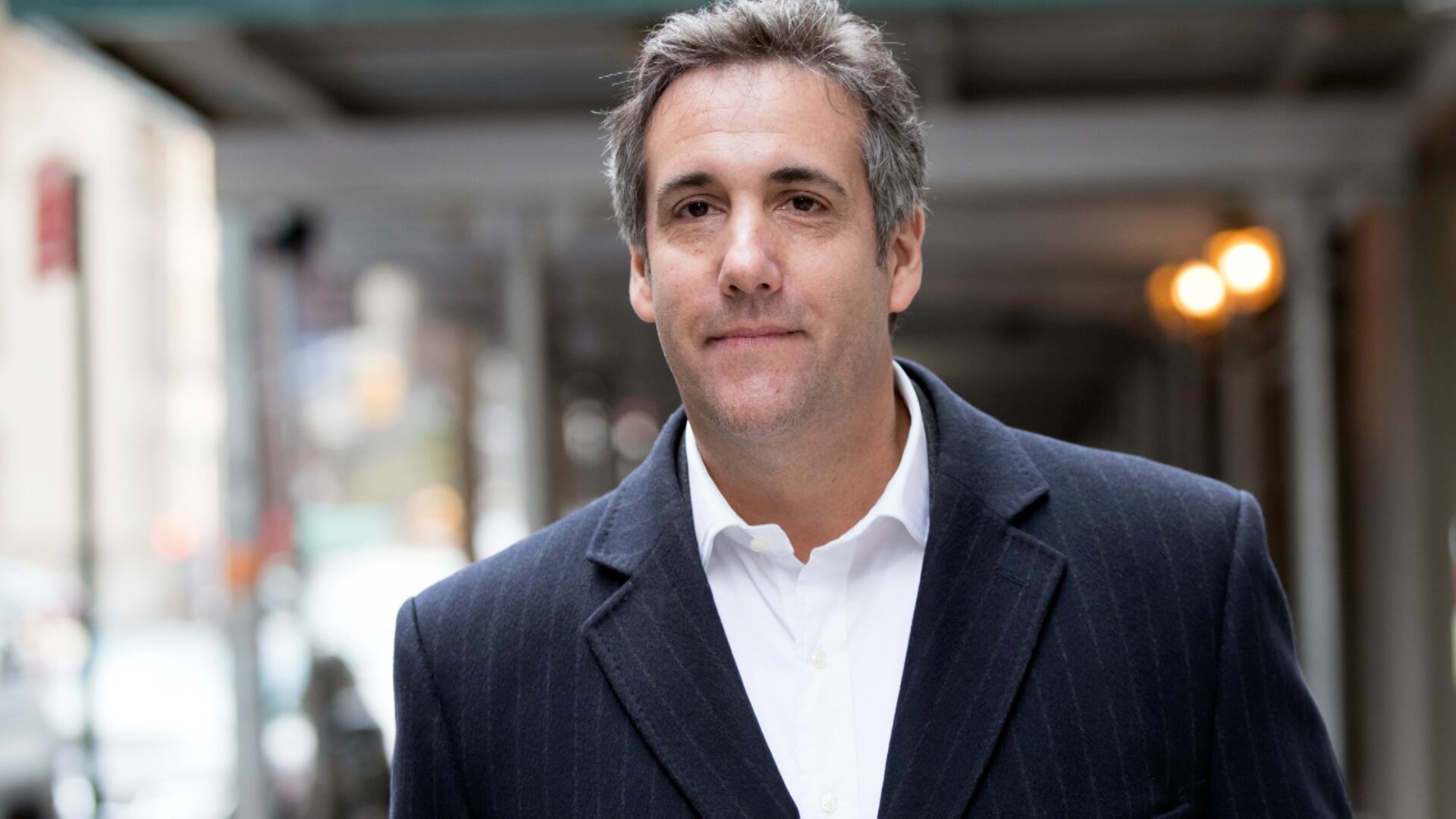
Michael Cohen, Donald Trump's former personal lawyer, has been busy since completing his prison sentence in November. He's getting into the NFT space, selling his federal prison badge and the original manuscript of his book "Disloyal" as NFTs. Cohen joined Cheddar to discuss his latest venture and why he thinks there is still much to be revealed about his case.
Jonathan Adler, Law Professor at Case Western Reserve University, joined Wake Up With Cheddar to discuss Tuesday's ruling and provide legal context to recent battles over vaccine mandates.
Carlo and Baker wrap up the week talking about the Biden economic boom that no one seems to notice, a verdict in the Jussie Smollett case, the first Starbucks union in America and the pleasures of the "dude nod."
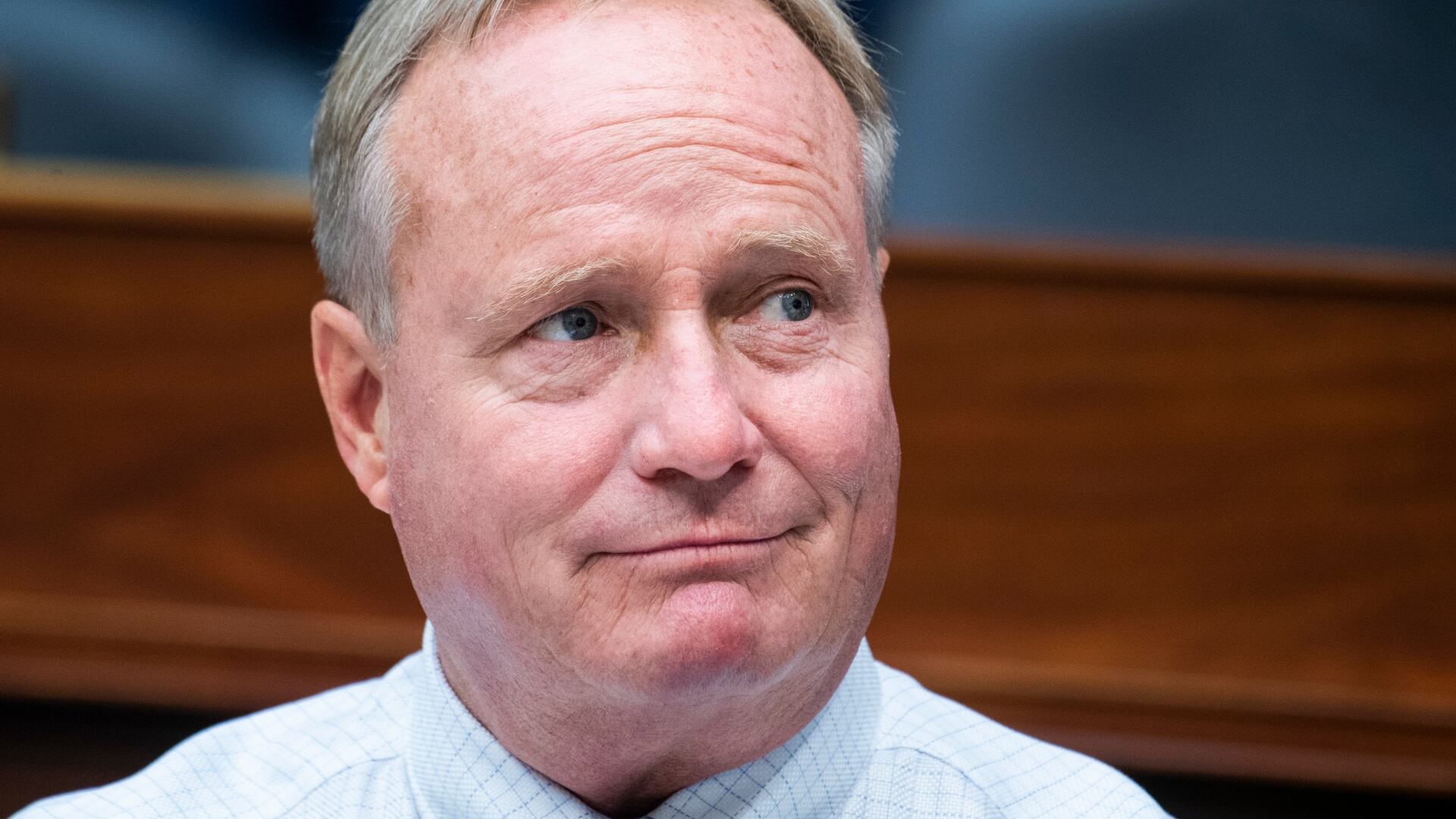
A new bill in Congress shows just how bipartisan cannabis really is. Rep. David Joyce, a Republican from Ohio, teamed up with progressive Rep. Alexandria Ocasio-Cortez on a cannabis expungement bill. Cheddar cannabis reporter Chloe Aiello spoke with the congressman about the legislation.
The Congressional Progressive Caucus have lined up to support the Thirty-Two Hour Workweek Act introduced by Rep. Mark Takano (D-Calif. 41st District). The representative joined Cheddar to discuss how instituting a four-day workweek in the United States can be beneficial for both employees with the need of a work-life balance and employers looking both to retain talent amid a labor shortage and improve efficiency in their workforces. "We live in a different time than 90 years ago when we established a 40-hour workweek," he said. "We've had a lot of technological changes, the American worker is exponentially more productive than previous generations, so it's time to reexamine Americans and the way in which they relate to work."