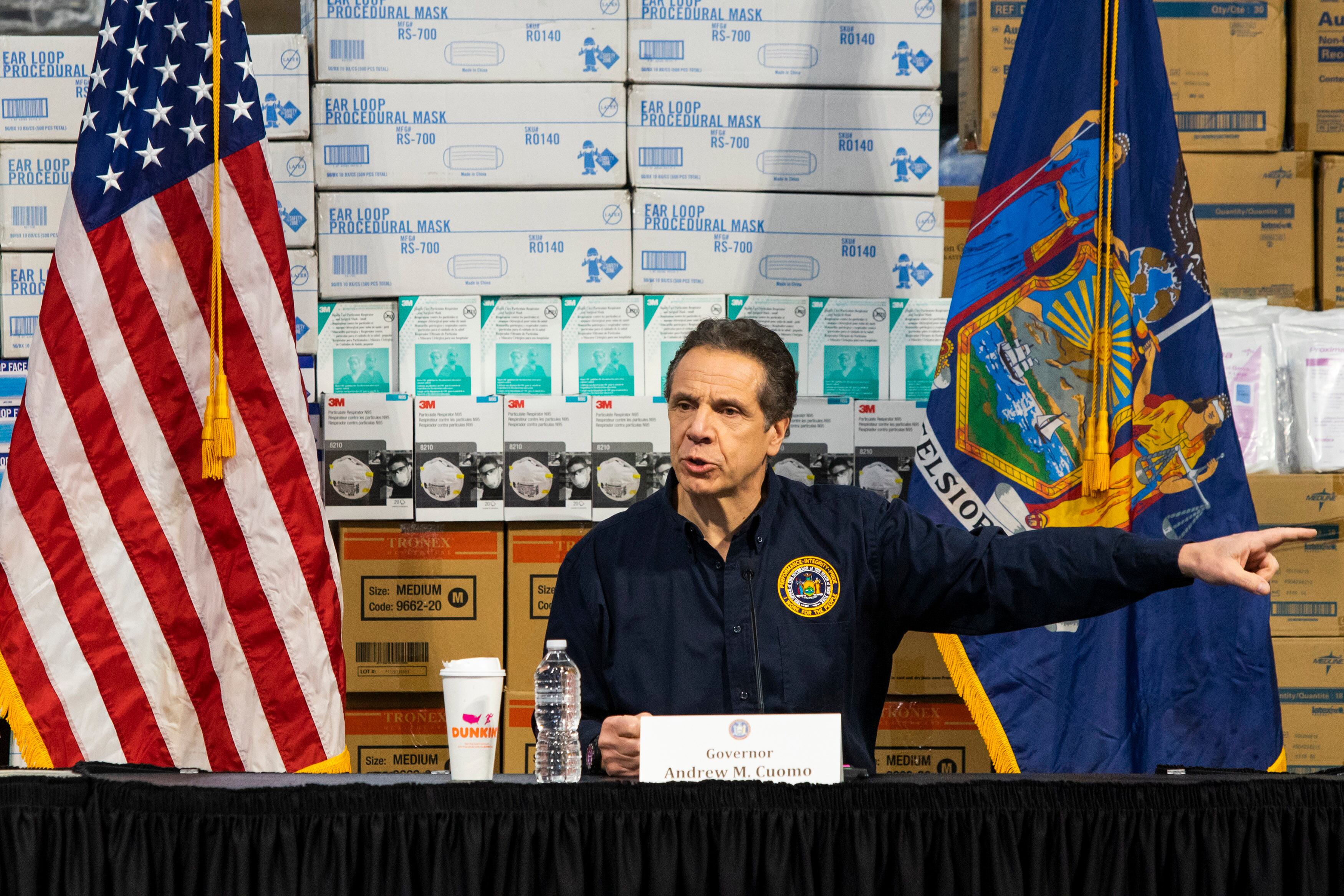
New York Governor Andrew Cuomo speaks to the media at the Javits Convention Center which is being turned into a hospital to help fight coronavirus cases on March 24, 2020 in New York City. New York City has about a third of the nation’s confirmed coronavirus cases, making it the center of the outbreak in the United States. (Photo by Eduardo Munoz Alvarez/Getty Images)
New York Governor Andrew Cuomo said new projections from health officials suggest instead of flattening, "the curve is increasing" and lambasted the federal government for its lack of action on distributing ventilators and for refraining from using the Defense Production Act.
The governor said the apex of the disease is approaching faster than anticipated and could come as soon as 14-21 days from now. He raised the number of hospital beds needed in the state to 140,000 beds and 40,000 ICU beds. New York currently has 3,000 ICU beds and 53,000 hospital beds. A few days ago, he said the state had projected it would need 110,000 beds.
Cuomo had previously included more hopeful notes of encouragement in his press conferences but on Tuesday delivered concerning news. "The apex is higher than we thought and the apex is sooner than we thought," he said.
Nearly half of the nationwide coronavirus cases are in New York state. Overnight, the case count rose by 5,000, bringing the total to more than 25,000 statewide.
"No one is testing more than we are testing," Cuomo said. "In many ways, we have exhausted every option available to us."
The governor noted that 23 percent of hospitalizations so far have needed ventilators and that 13 percent of positive diagnoses have required hospitalization as of Tuesday.
"We haven't flattened the curve, and the curve is actually increasing," Cuomo said from the Javits Center in Manhattan, which is being turned into a 1,000-bed emergency hospital by the Army Corps of Engineers.
On Monday, Dr. Deborah Birx, who is in charge of the White House response, said the attack rate in New York and New Jersey is five times higher than for the rest of the United States. The attack rate is the percentage of a population that catches the disease.
Cuomo was pointed in his criticism of the federal government for so far sending only a small fraction of needed ventilators to New York. "You want a pat on the back for sending 400 ventilators?" the governor demanded of the White House. "What are we going to do with 400 ventilators when we need 30,000 ventilators? You're missing the magnitude of the problem, and the problem is defined by the magnitude."
Cuomo said the state has so far procured 7,000 ventilators but needs 30,000 and, without more options for ventilators available, will start attempting the unusual plan to split them between people.
"If we don't have ventilators in 14 days, it does us no good," Cuomo assessed, again lamenting what he expressed was the lack of aid. "Not to exercise [the Defense Production Act] is inexplicable to me."
President Trump, during a Coronavirus Task Force town hall on Fox News Tuesday, struck back at the New York governor saying "I watch him on this show complaining."
"I'm not blaming him, but he shouldn't be talking about us," Trump said, referring to a claim that Gov. Cuomo neglected to purchase additional ventilators for the state in 2015. "He should be buying his own ventilators."
Still, citing New York's current 25,665 cases of the novel coronavirus, the governor called on Secretary of Health and Human Services Alex Azar to release 20,000 ventilators in the federal stockpile.
"The problem is the volume," he said. He asked the federal government to deploy ventilators around the country as needed as different states approach their own curve rates of infection while noting that New York has the greater need at the moment.
After passing its critical period, he said that the state would then move the ventilators to the next region addressing a crisis.
"I will take personal responsibility for transporting the 20,000 ventilators anywhere in this country that they want once we are past our apex," he said. "But don't leave them sitting in a stockpile."
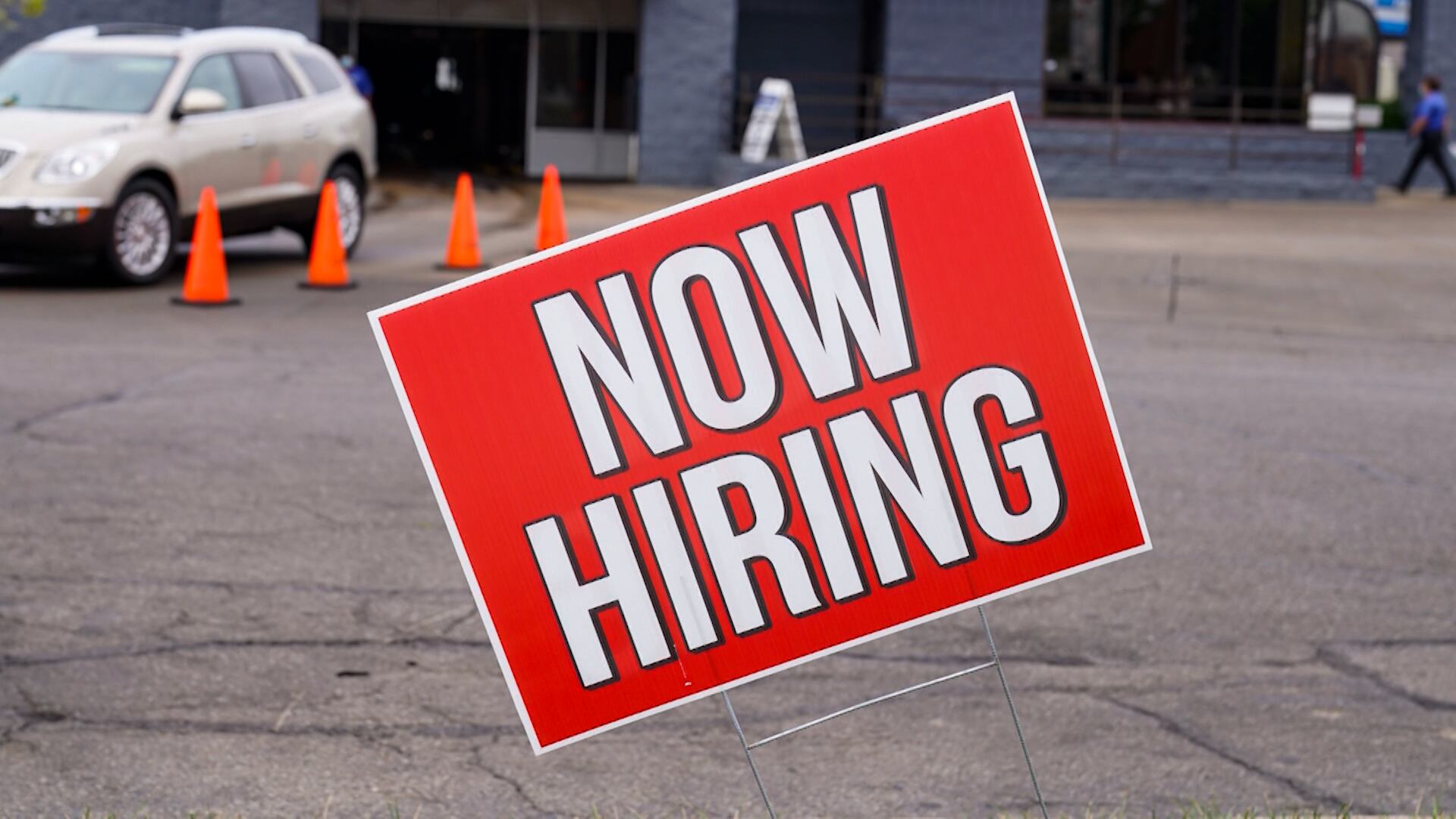
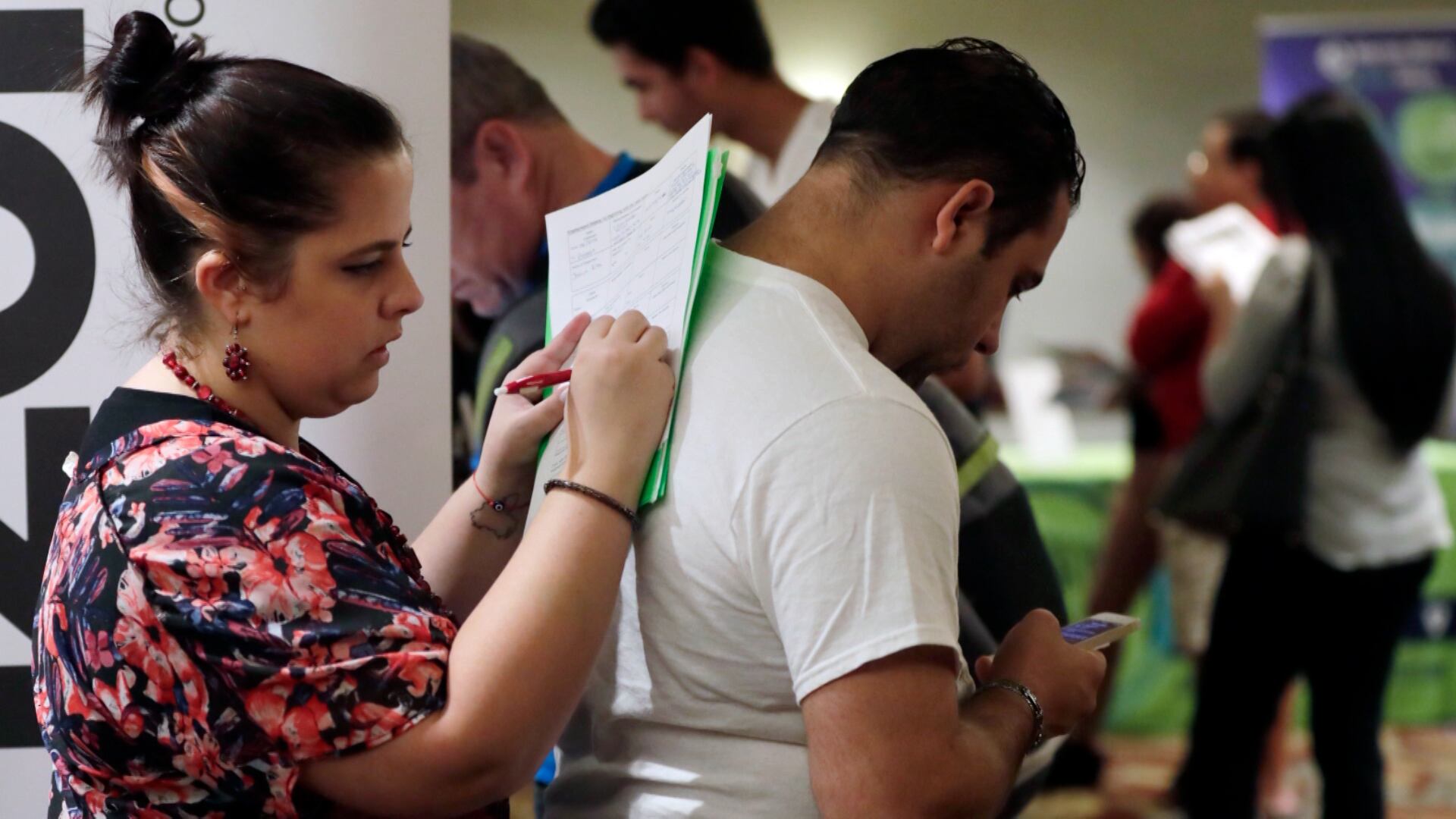
Following the surprising big beat on estimates for the January jobs report, William M. Rodgers III, vice president and director of the Institute for Economic Equity at the Federal Reserve Bank of St. Louis, joined Cheddar News to break down the data. “We ended 2021 with a strong crescendo to a recovery that had taken hold, and we started 2022 in good fashion." He also discussed the dueling pressures of wage growth and inflation.
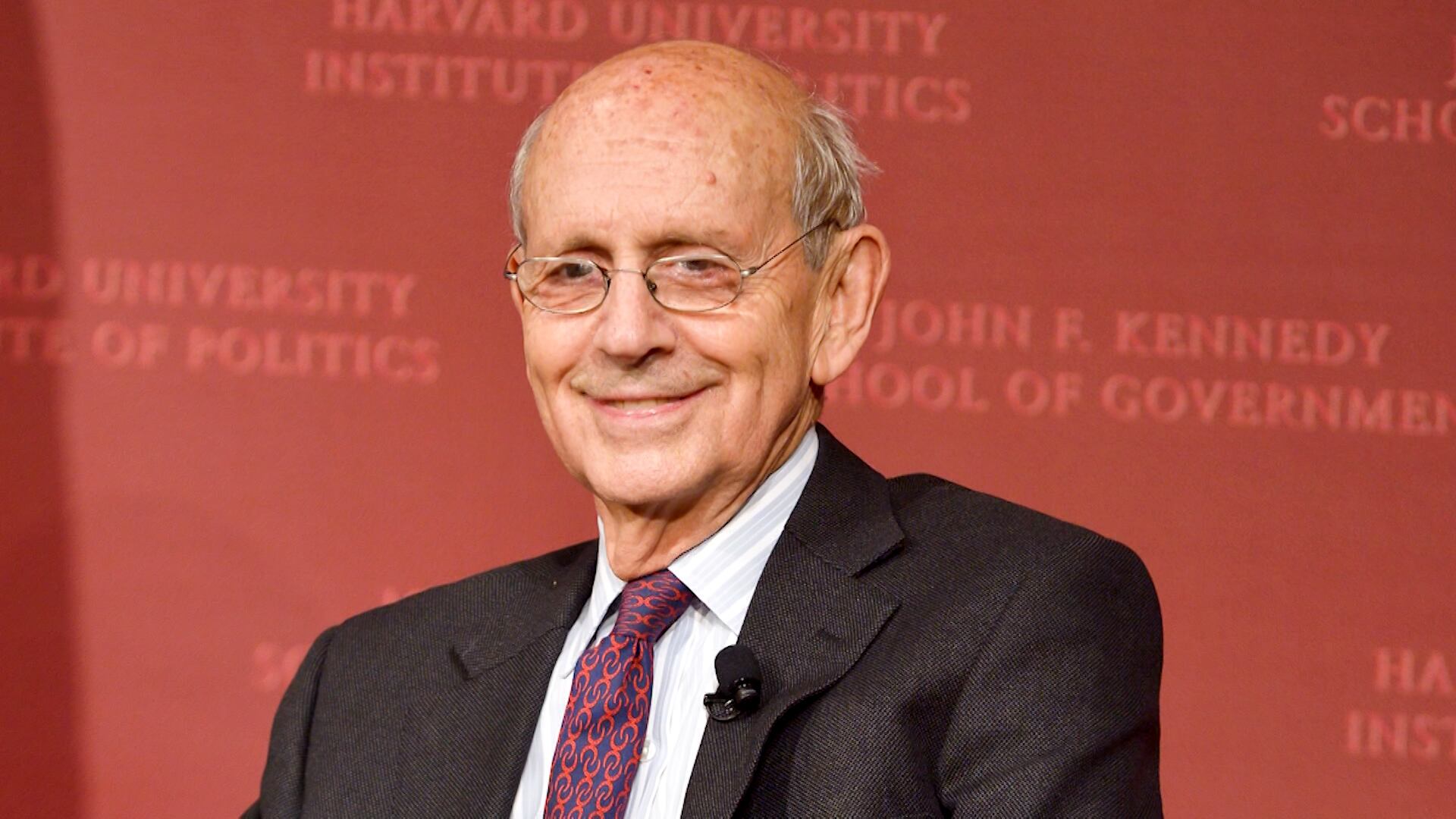
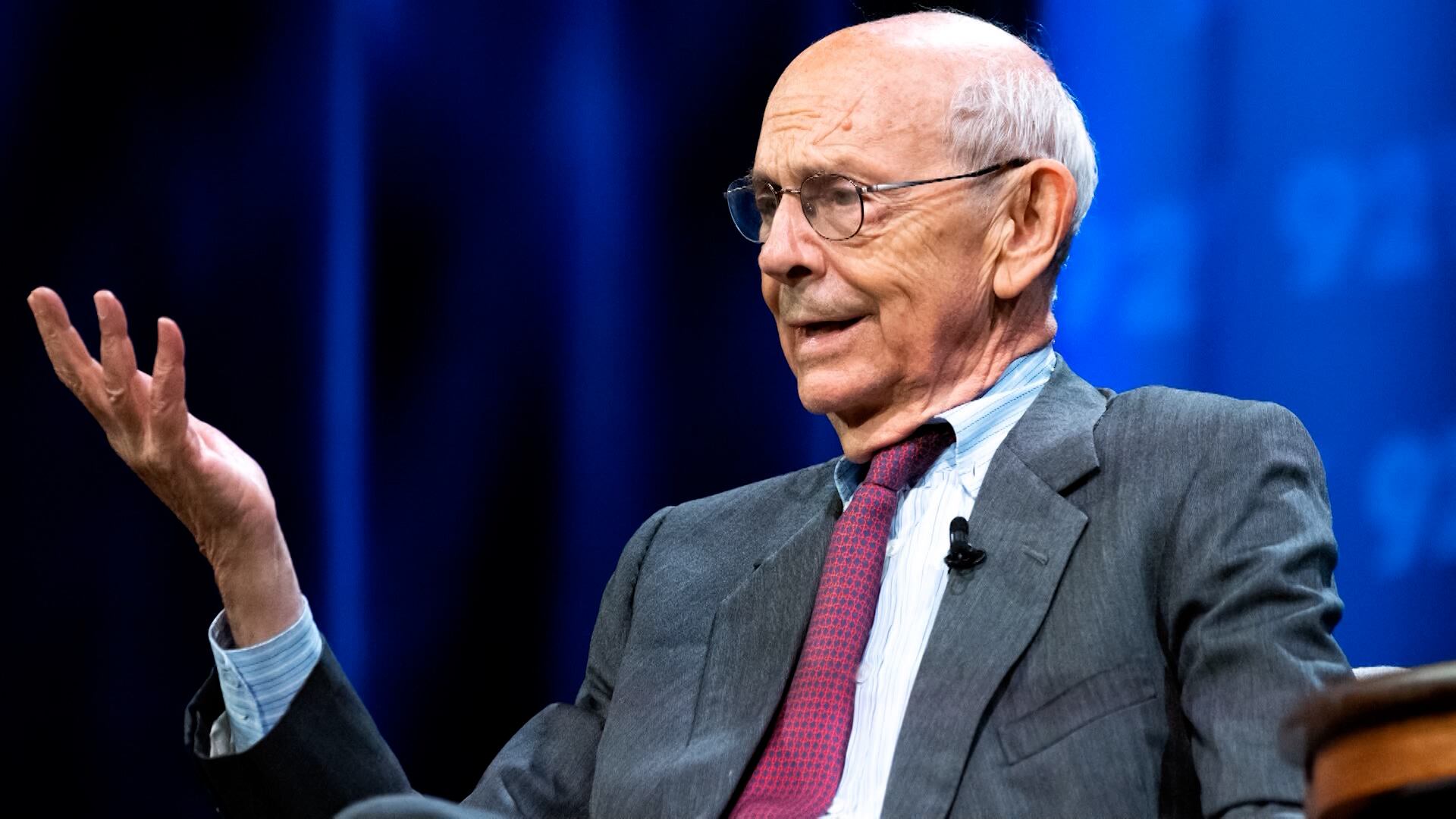
Jessica Mason Pieklo, senior vice president and executive editor of the Rewired News Group and co-host of the podcast. "Boom! Lawyered," joins Cheddar Politics to discuss Justice Stephen Breyer's retirement, legacy and potential replacement on the Supreme Court.
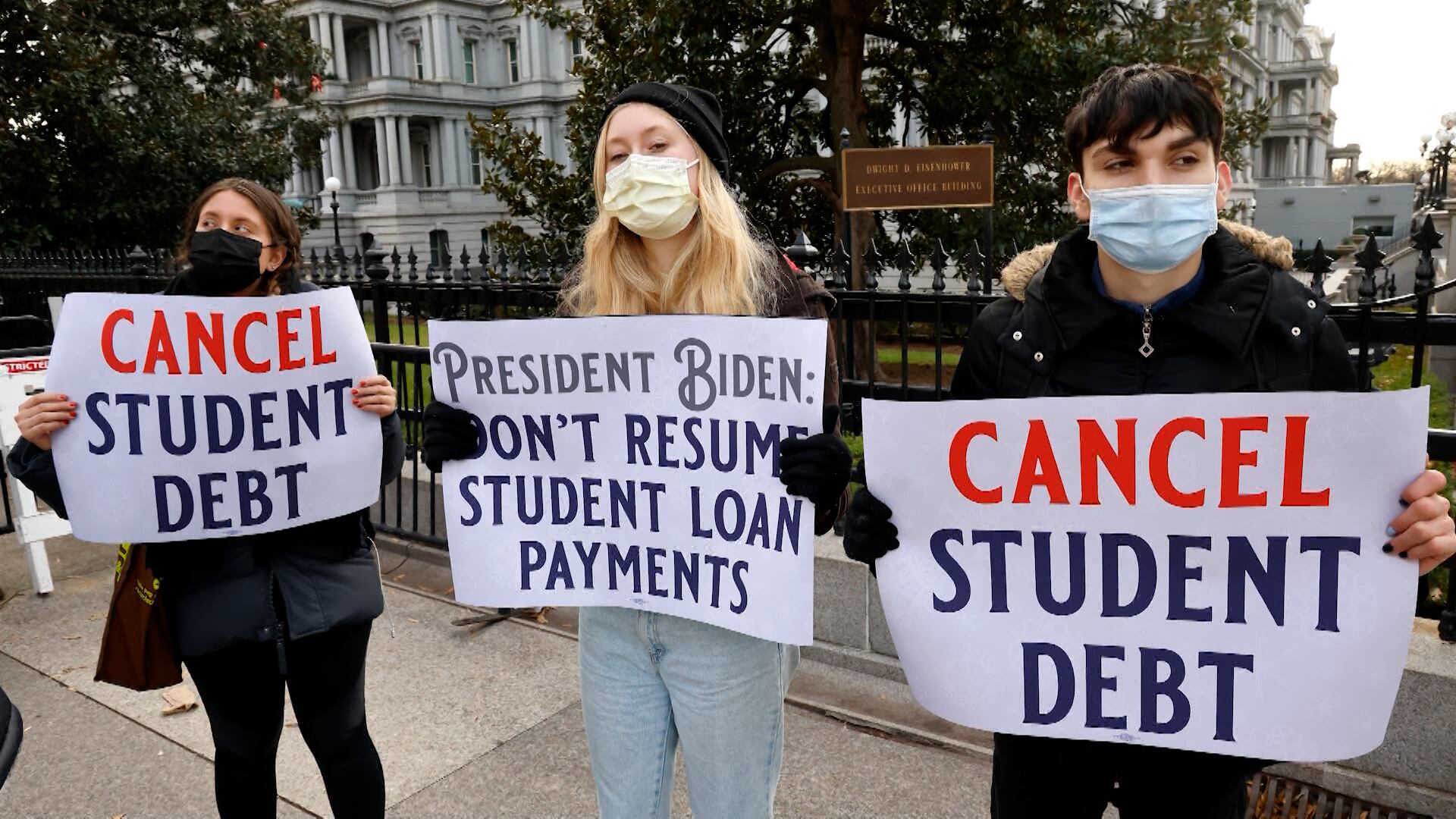
The Biden administration delivered a temporary win for student loan borrowers this year by extending the moratorium on federal payments for a few more months. That moratorium is coming to an end on May 1st and borrowers will again have their monthly loan payment plopped in their lap.
Stephanie Vanderslice, a creative writing professor paying off debt through the Parent Plus program, and Mike Pierce, executive director of the Student Borrower Protection Center, join Cheddar Politics to discuss.
2022 was already going to be a big year for the Supreme Court. We have decisions on major issues like abortion and gun rights on the way. Then, Justice Stephen Breyer announced his retirement and that set up a major confirmation fight for later this year. Amy Howe, co-founder of SCOTUSblog, joins Cheddar Politics to discuss.
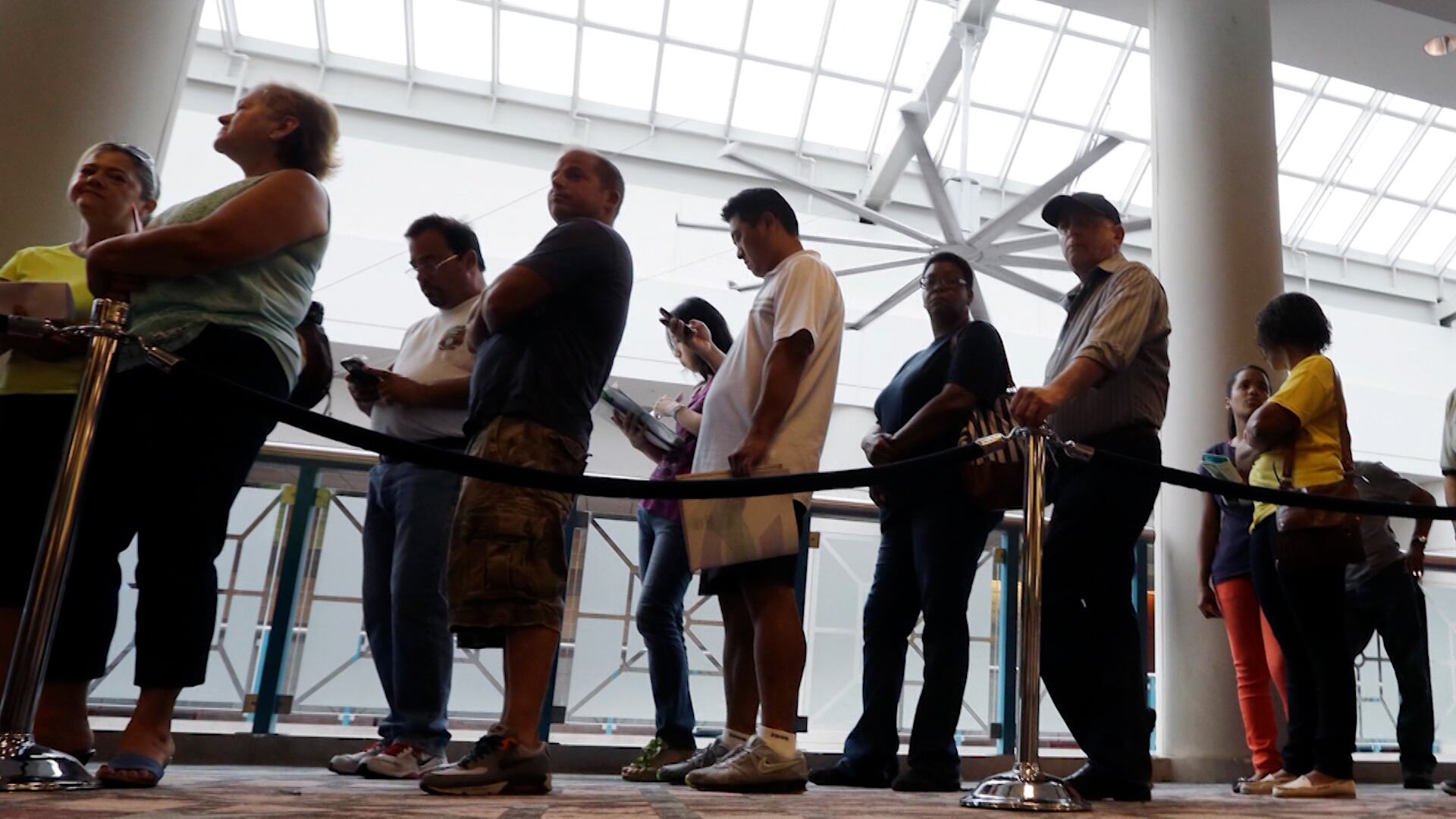
The Labor Department released a better-than-expected report of 467,000 jobs added in January. Heather Boushey, Council of Economic Advisers Member for President Biden, joined Cheddar to tout the administration's handling of the economy amid the pandemic and the upward revisions for the previous month. "It also shows that, because of the revisions, the economy was stronger over the past couple of months," she said. "I don't think that this can be said enough, but economic forecasting during an historic pandemic is extremely difficult." Boushey also addressed issues involving wage growth versus the rapid rise of inflation.
The Labor Department's January jobs report showed 467,000 jobs were added, compared to the 150,000 that were projected, a sign that employment is continuign to return to pre-pandemic levels. Lindsey Piegza, chief economist at investment bank Stifel, joined Cheddar to break down the report, noting the big gains but adding a note of caution. "Remember, even with this morning's stellar report, we're still millions below that level that we had reached prior to the onset of COVID-19," she said." Yes, we are recapturing jobs. We still have further ground that needs to be made before we can talk about reaching that previous peak." Piegza also discussed the role of the Federal Reserve going forward as the employment figures turn more positive.
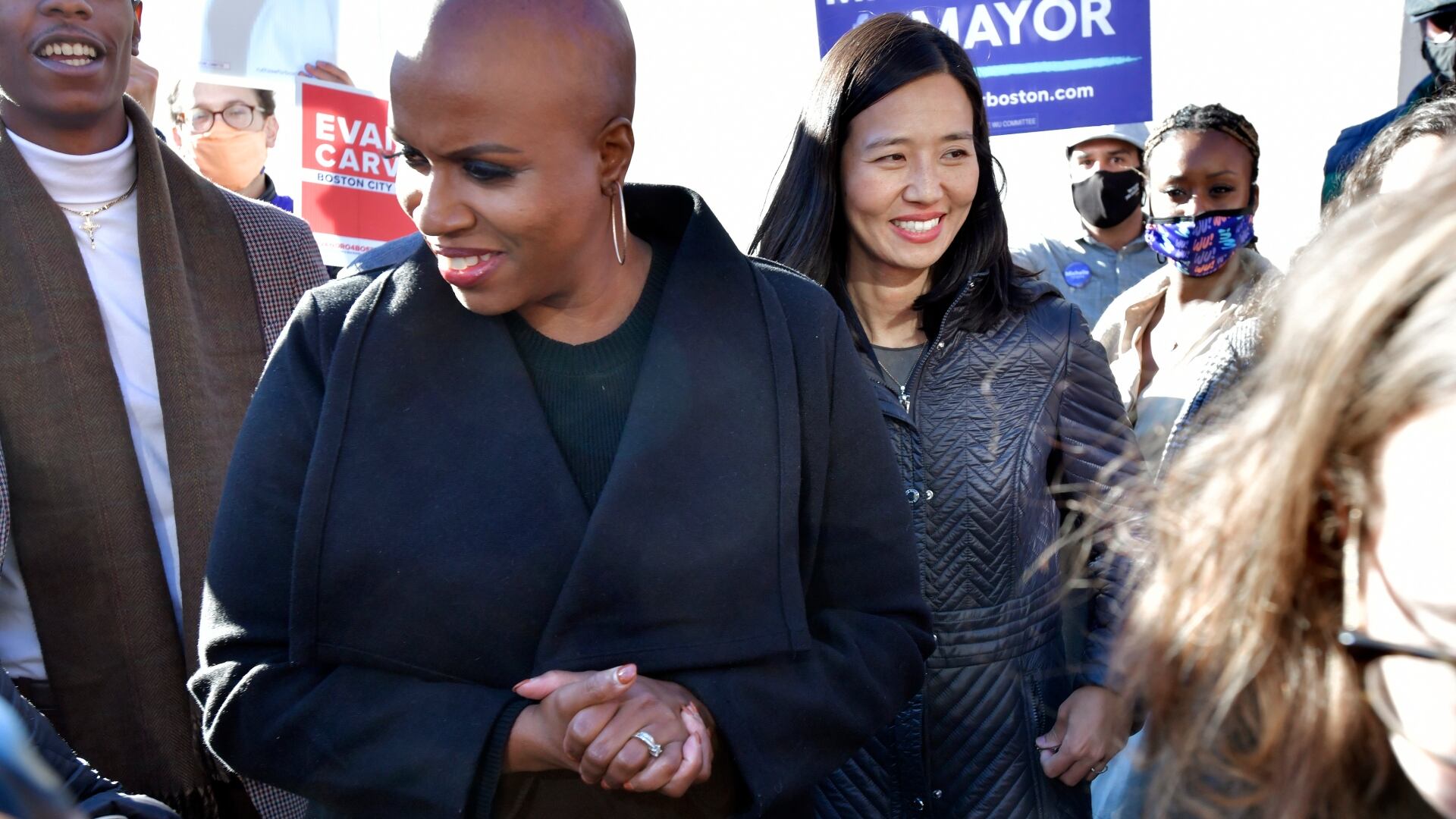
As President Biden's poll numbers fall with Black voters, Rep. Ayanna Pressley (D-Mass. 7th District) joined Cheddar to discuss what she feels could help the embattled administration: deliver on policies. Pressley pointed to stalled legislation such as new voting rights laws and Build Back Betters and canceling student loan debt, which would go a long way to improving his standing with Black constituents. "President Biden has the authority and the power to alleviate this burden, which would also help in closing the racial wealth gap, and he can do it by executive action with the stroke of a pen," she said. "And it doesn't require one vote from Congress. So, the Biden administration just needs to deliver to Black America in a tangible and impactful way."