The financial services industry moves so much and so fast. 2019, particularly the final stretch of the year, marked the beginning of the next wave of disruption that the disruptors have worked so hard on since the 2008 financial crisis that gave them the impetus to make changes. More than ever, banking is moving away from existing as a standalone destination for financial help; it’s integrating with retail, social media, career coaching, and experiences. By next year you could be banking with Google or Uber, and instead of moving dollars around you could be thinking about new currencies issued by other governments — or Facebook. Here are five themes to watch in 2020.
The rebundling of financial services
For the last 10 years, startups have been unbundling financial services and consumers have sought out individual apps for different financial products — loans, investments, savings accounts, debit cards, credit cards — rather than one-stop-shop banks that provide all of it. Now, at the end of 2019, several such disruptors have achieved enough scale to venture beyond their initial single-product offering which they hope will help them with customer retention. Square’s Cash App, which began as a person-to-person payments app, is a perfect example: it now functions as a digital bank to deposit cash, includes spending rewards, crypto investing, and now also stock investing. This type of rebuilding will accelerate even more next year as new and younger customers demand better and more immersive experiences, and startups who took off with freemium products seek to grow revenue. As part of this trend, niche target demographics will emerge, like the farming or trucking industries or the LatinX community.
The battle for e-commerce
More and more, lenders like Kabbage, Fundbox, and SoFi are offering payments products to customers to diversify their revenue streams and strengthen their value to their customers. At the same time, payments companies like PayPal, Square, and Stripe are growing their capital arms for the same reasons. They’re working to democratize commerce, making it so that all of commerce doesn’t just funnel through a handful of large, powerful e-commerce platforms on which small businesses have to depend. Next year, point-of-sale lenders like Affirm and Klarna will add new products to capture the e-commerce financial landscape while Shopify, Brex, and Stripe will battle to be the primary lender to emerging e-commerce brands. Plus, Affirm and PayPal inched into discovery shopping for consumers this year.
Big tech as financial services distribution channels
This year, Instagram launched a checkout function powered by PayPal, Google unveiled plans to launch a checking account, Uber launched debit cards and instant payouts, and Facebook rolled out a Venmo-alternative. JPMorgan Chase is also developing an e-wallet for online marketplaces and gig economy companies like Amazon, Lyft, and Airbnb that would allow them to provide consumer bank accounts and incentivize customers to keep their money parked there. As consumers force tech giants to value data and privacy over ad targeting, payments offer an opportunity to grow new revenue. Global payments are on track to add $1 trillion in new revenue to payments businesses through 2027, according to BCG. As for the bank accounts, it could take years for the public to become okay with the idea of a Google-type non-bank as a go-to for banking.
The financialization of cryptocurrency
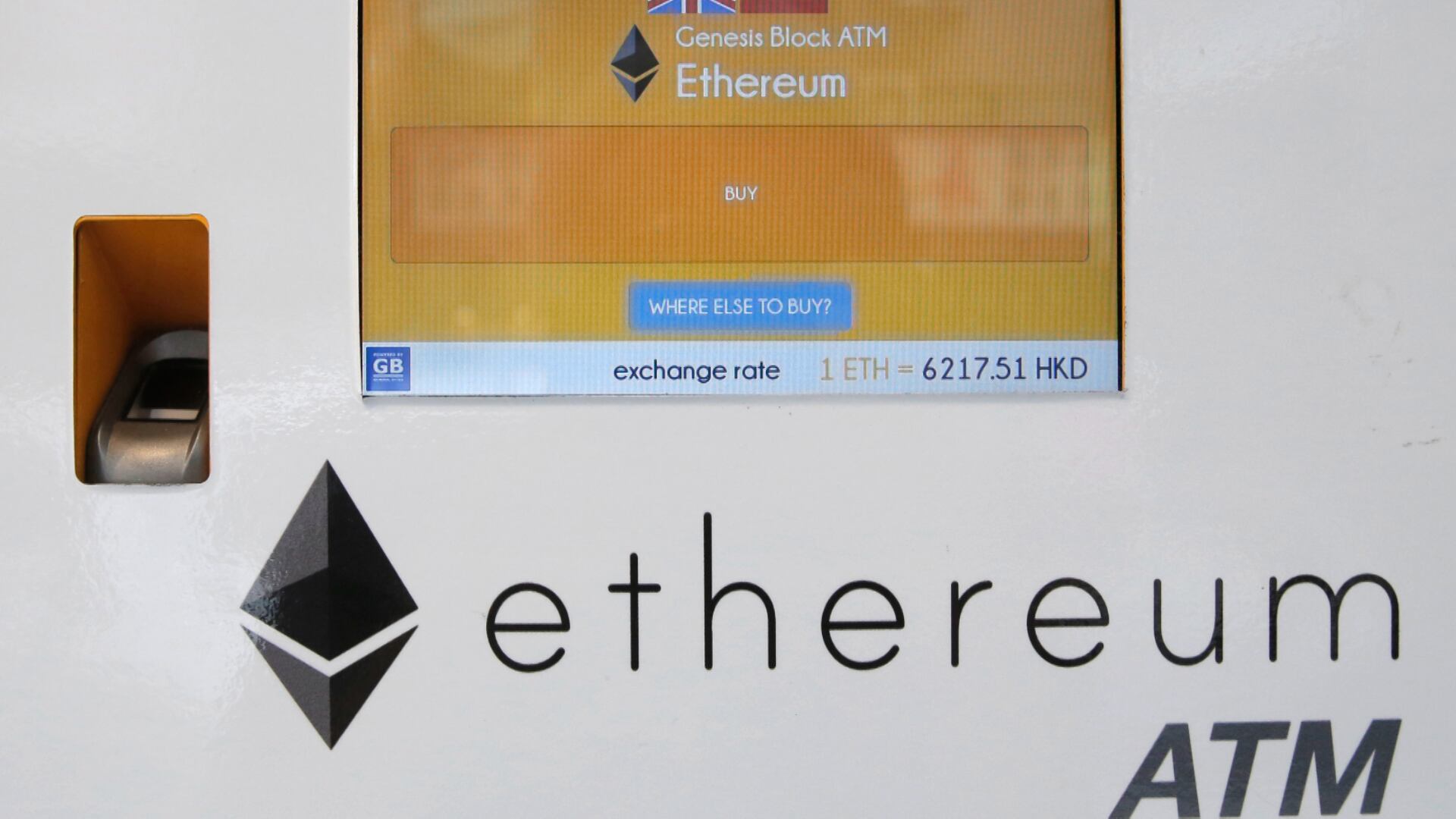
There will be more integration of different cryptocurrency products and services alongside traditional financial services, like SoFi and Robinhood, which were approved for BitLicenses this year, as well as Square’s Cash App. Companies like BlockFi and Lolli are starting to let people do things with cryptocurrencies that they’re already used to doing with traditional assets, like letting them store their crypto in interest-bearing accounts or earning cash-back rewards on purchases in crypto rather than fiat. That integration will continue to drive cryptocurrency adoption through 2020. Traditional banking institutions will also realize the value of stablecoins in lowering costs and improving consumer experiences and will create incentives to drive usage.
No Libra launch, but more regulatory clarity and perhaps a new currency war?
If Libra showed us anything this year, it’s that regulators see Facebookcoin as much more threatening to government currencies that they ever saw bitcoin or cryptocurrency. The Facebook-started digital currency dominated headlines this year after its June reveal and its leaders have assured the public it won’t launch until regulators’ many concerns are put to rest. Libra may launch after all, but likely not in 2020. However, Facebook, the Libra Association and its many members have opened a conversation that’s sure to bring additional, though perhaps limited, clarity in 2020 about how to regulate cryptocurrencies. As another response to Libra, the central banks of China, England, and the European Union, among others, are now discussing their own digital currencies or stablecoin projects. If any of those take root in 2020 it would set the stage for a new currency war whose coins could become bigger than bitcoin.