The financial services industry moves so much and so fast. 2019, particularly the final stretch of the year, marked the beginning of the next wave of disruption that the disruptors have worked so hard on since the 2008 financial crisis that gave them the impetus to make changes. More than ever, banking is moving away from existing as a standalone destination for financial help; it’s integrating with retail, social media, career coaching, and experiences. By next year you could be banking with Google or Uber, and instead of moving dollars around you could be thinking about new currencies issued by other governments — or Facebook. Here are five themes to watch in 2020.
The rebundling of financial services
For the last 10 years, startups have been unbundling financial services and consumers have sought out individual apps for different financial products — loans, investments, savings accounts, debit cards, credit cards — rather than one-stop-shop banks that provide all of it. Now, at the end of 2019, several such disruptors have achieved enough scale to venture beyond their initial single-product offering which they hope will help them with customer retention. Square’s Cash App, which began as a person-to-person payments app, is a perfect example: it now functions as a digital bank to deposit cash, includes spending rewards, crypto investing, and now also stock investing. This type of rebuilding will accelerate even more next year as new and younger customers demand better and more immersive experiences, and startups who took off with freemium products seek to grow revenue. As part of this trend, niche target demographics will emerge, like the farming or trucking industries or the LatinX community.
The battle for e-commerce
More and more, lenders like Kabbage, Fundbox, and SoFi are offering payments products to customers to diversify their revenue streams and strengthen their value to their customers. At the same time, payments companies like PayPal, Square, and Stripe are growing their capital arms for the same reasons. They’re working to democratize commerce, making it so that all of commerce doesn’t just funnel through a handful of large, powerful e-commerce platforms on which small businesses have to depend. Next year, point-of-sale lenders like Affirm and Klarna will add new products to capture the e-commerce financial landscape while Shopify, Brex, and Stripe will battle to be the primary lender to emerging e-commerce brands. Plus, Affirm and PayPal inched into discovery shopping for consumers this year.
Big tech as financial services distribution channels
This year, Instagram launched a checkout function powered by PayPal, Google unveiled plans to launch a checking account, Uber launched debit cards and instant payouts, and Facebook rolled out a Venmo-alternative. JPMorgan Chase is also developing an e-wallet for online marketplaces and gig economy companies like Amazon, Lyft, and Airbnb that would allow them to provide consumer bank accounts and incentivize customers to keep their money parked there. As consumers force tech giants to value data and privacy over ad targeting, payments offer an opportunity to grow new revenue. Global payments are on track to add $1 trillion in new revenue to payments businesses through 2027, according to BCG. As for the bank accounts, it could take years for the public to become okay with the idea of a Google-type non-bank as a go-to for banking.
The financialization of cryptocurrency
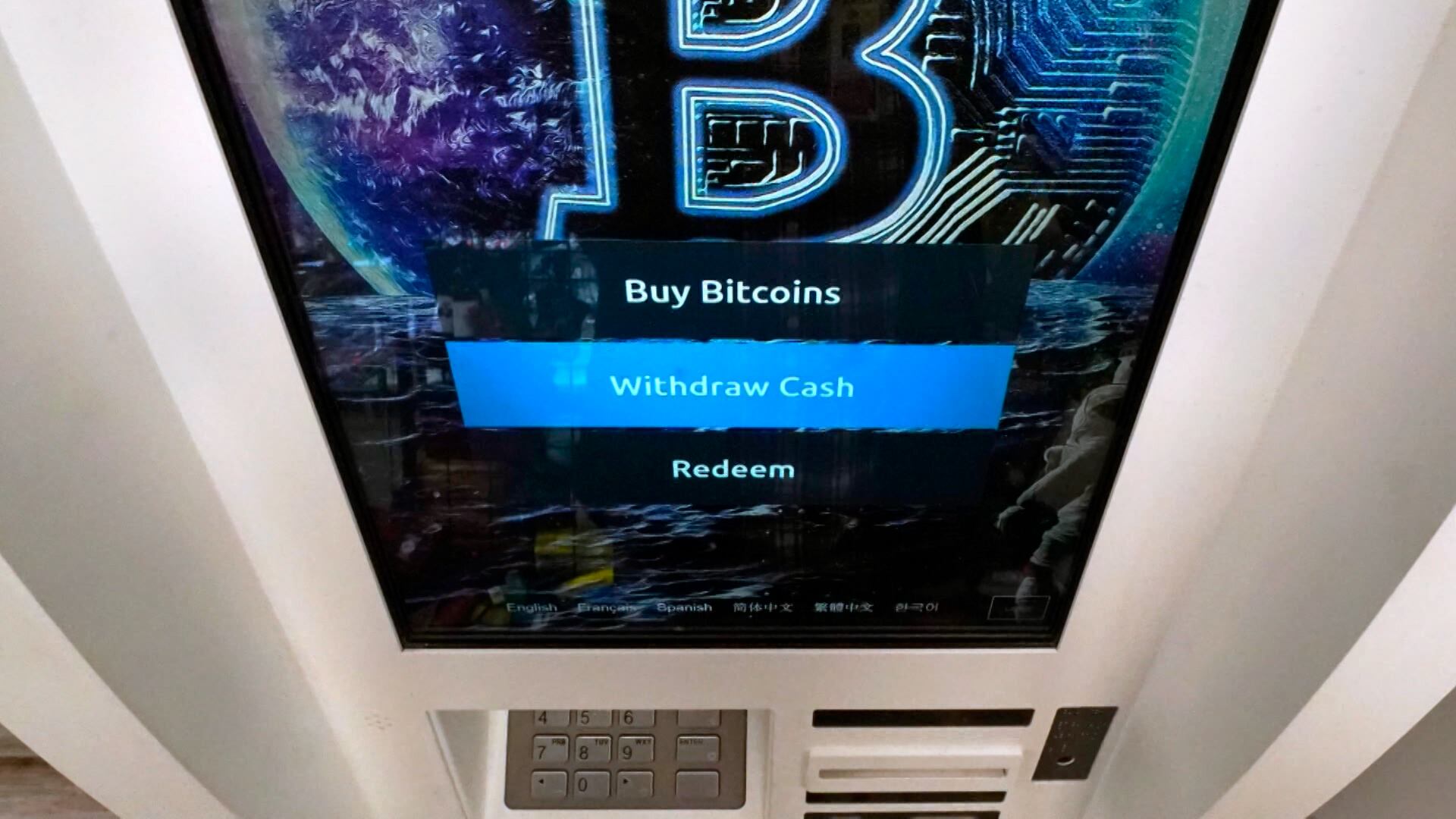
There will be more integration of different cryptocurrency products and services alongside traditional financial services, like SoFi and Robinhood, which were approved for BitLicenses this year, as well as Square’s Cash App. Companies like BlockFi and Lolli are starting to let people do things with cryptocurrencies that they’re already used to doing with traditional assets, like letting them store their crypto in interest-bearing accounts or earning cash-back rewards on purchases in crypto rather than fiat. That integration will continue to drive cryptocurrency adoption through 2020. Traditional banking institutions will also realize the value of stablecoins in lowering costs and improving consumer experiences and will create incentives to drive usage.
No Libra launch, but more regulatory clarity and perhaps a new currency war?
If Libra showed us anything this year, it’s that regulators see Facebookcoin as much more threatening to government currencies that they ever saw bitcoin or cryptocurrency. The Facebook-started digital currency dominated headlines this year after its June reveal and its leaders have assured the public it won’t launch until regulators’ many concerns are put to rest. Libra may launch after all, but likely not in 2020. However, Facebook, the Libra Association and its many members have opened a conversation that’s sure to bring additional, though perhaps limited, clarity in 2020 about how to regulate cryptocurrencies. As another response to Libra, the central banks of China, England, and the European Union, among others, are now discussing their own digital currencies or stablecoin projects. If any of those take root in 2020 it would set the stage for a new currency war whose coins could become bigger than bitcoin.
Renewable energy company Heliogen has gone public via a SPAC merger with blank check company Athena Technology Acquisition Corp. on the NYSE. Joining Cheddar, founder and CEO Bill Gross went into why he felt the end of 2021 was the best time to get into the public markets. "If you think of the Industrial Revolution and the digital revolution, this renewable revolution is probably going to be as big or larger than that," he said. "So we're going to use this capital to scale our business, to meet more customer demand, to do more projects in parallel, and to scale our research and development to continue to drive down the price to be competitive with fossil fuels."
Carl "The Moon" Runefelt, a Bitcoin investment expert, recently made a hefty purchase of a $2 million Bugatti sports car at a Dubai dealership. The Swedish crypto evangelist joined Cheddar to talk about how he made the big acquisition of a luxury item he had long had his eye on and why he chose the dealership, The Car Vault, to make the unprecedented transaction. "They accepted crypto directly, and that was important to me," he said. "I am not going to go to any car dealership that don't accept crypto, and that's kind of a principle I have today."
Marjorie Mesidor, Partner at Phillips & Associates, joined Wake Up With Cheddar to break down the latest trends in the job market, as the demand for labor has recovered, but as the number of people willing to fill positions remains relatively low.
2021 proved that crypto currency is here to stay. This year saw more and more adoptions of crypto, from top athletes looking to be paid in bitcoin, to Elon Musk even experimenting with bitcoin and dogecoin payments for a bit over at Tesla. And it wasn't all bitcoin either - other cryptos like Cardano and Solana saw some action in 2021 as well. Patrick McConlogue, CEO of Overline and former Citadel Investment Group Engineer explains why 2021 was such a good year for crypto, and what to expect in 2022.
2021 saw markets continue to be impacted by the onslaught of the coronavirus pandemic -most recently in the form of the Omicron variant- in addition to the global supply chain shortage, and increased inflation. But it wasn't all bad news, as crypto soared throughout the year, and meme stocks continued to have a moment. With the year coming to a close, investors are keeping an eye out to see if they should expect more of the same in the new year. Chris Vecchio, Senior Analyst, at DailyFX tells us what market trends to be on the watch for in 2022.
2021 proved to be yet another formidable year for Tesla. In a year that saw electric vehicles carve out their own space in the transportation world, the company made further strides, keeping its spot on top even as new companies threatened competition. Tesla was able to hit the trillion dollar valuation mark, increase vehicle deliveries even as the world grappled with supply chain and delivery issues and sign a major deal with Hertz this year. And of course, you can't talk about Tesla without talking about Elon Musk, CEO and founder of the company, richest man in the world and Time Magazine Person of the Year, who saw plenty of successes in 2021 as well. Al Root, Senior Writer at Barron’s, explains just how good a year it was for Tesla.
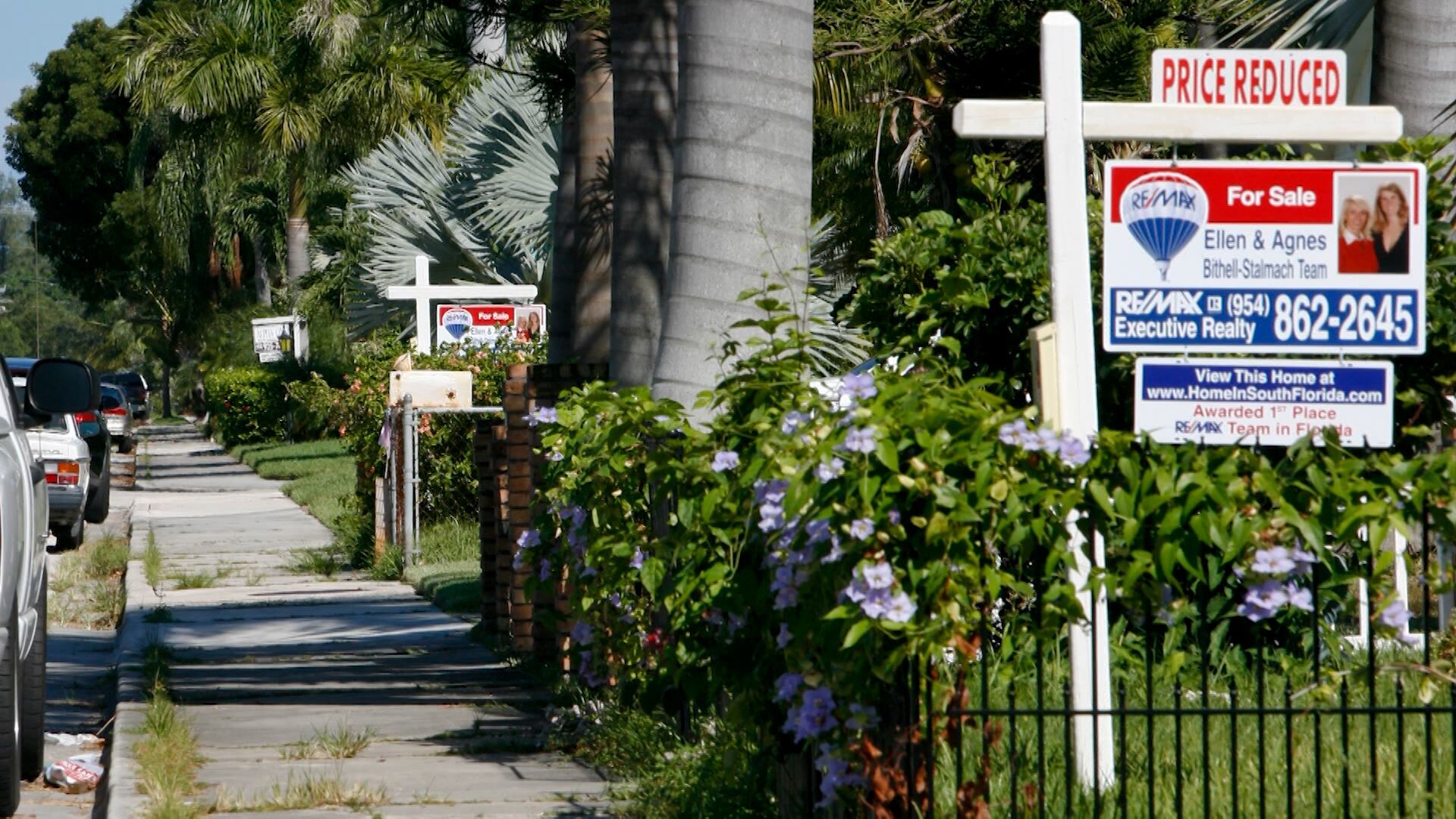
The S&P CoreLogic Case-Shiller 20-city home price index showed an 18.4 percent surge in October as the housing market continues to boom. October's levels are a slight downturn from the roughly 19 percent increase the index saw in September, but come roughly in line with economist expectations. Michael J. Romer, Managing Partner, Romer Debbas joined Wake Up with Cheddar to discuss.
U.S. airlines have canceled more than 6,000 flights since Christmas eve, causing headaches for travelers.
Airlines cited staffing shortages amid the omicron outbreak as the primary reason for the interruptions to service. The cancellations come at the busiest time of year for air travel. Steve Shur, President, The Travel Technology Association joined Wake Up with Cheddar to discuss.
Dr. Soumi Eachempati, co-founder and CEO of Cleared4 and former professor of surgery and public health at Weill Cornell Medical College, joined Cheddar to breakdown what people should know about the recently FDA-approved emergency use of Merck and Pfizer's COVID-19 treatment pills. He noted that not only do people need to be aware of other medications they are taking that could cause adverse effects if coupled with COVID-19 pill treatments, he also talked about the intense in-take regiment. "The Merck pills are actually about 40 pills over five days. The Pfizer ones are three pills over five days, so people have to be prepared for that because it is a lot of pills you'll have to take to get full value from these drugs," Eachempati told Cheddar.
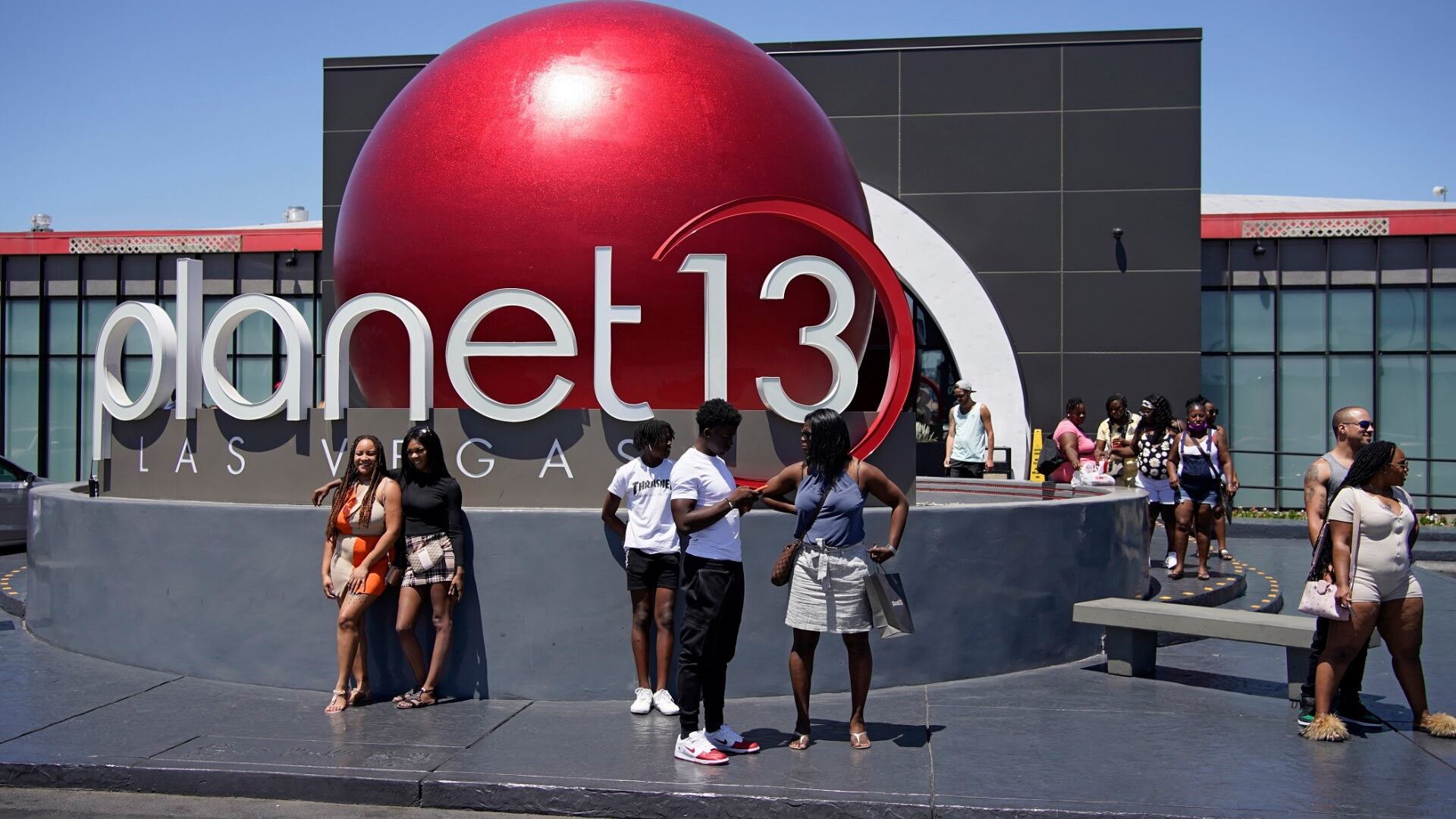
Adult-use cannabis sales kicked off in Nevada in 2017, but four years later, there isn’t a legal way for the 40 million tourists who visit the state annually to consume. That’s all about to change. Following the passage in June of a bill to legalize consumption lounges, the world’s largest dispensary, Planet 13, is planning a cannabis club as extravagant as Las Vegas. Cheddar’s Chloe Aiello visited the cannabis entertainment complex to find out more.