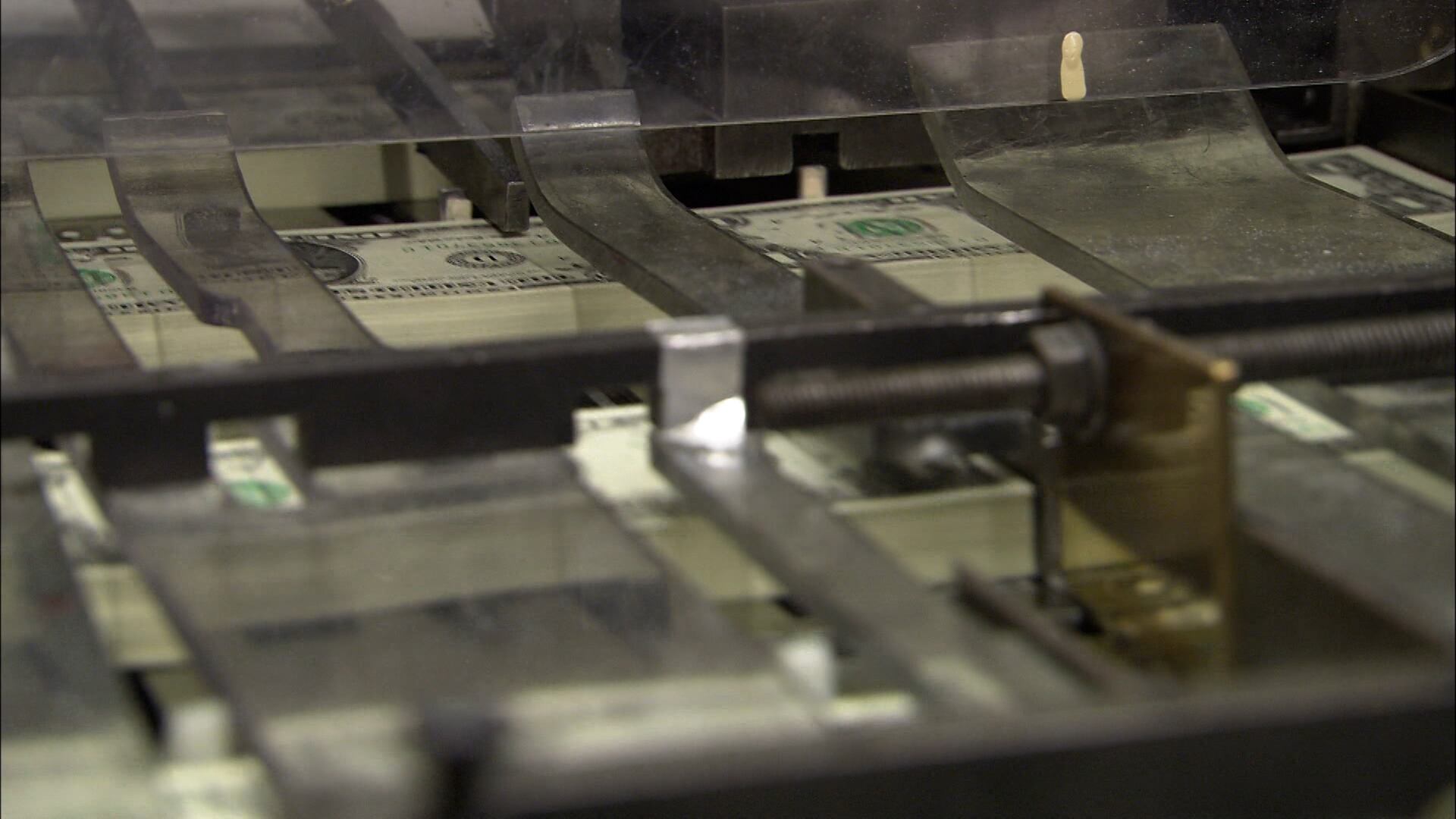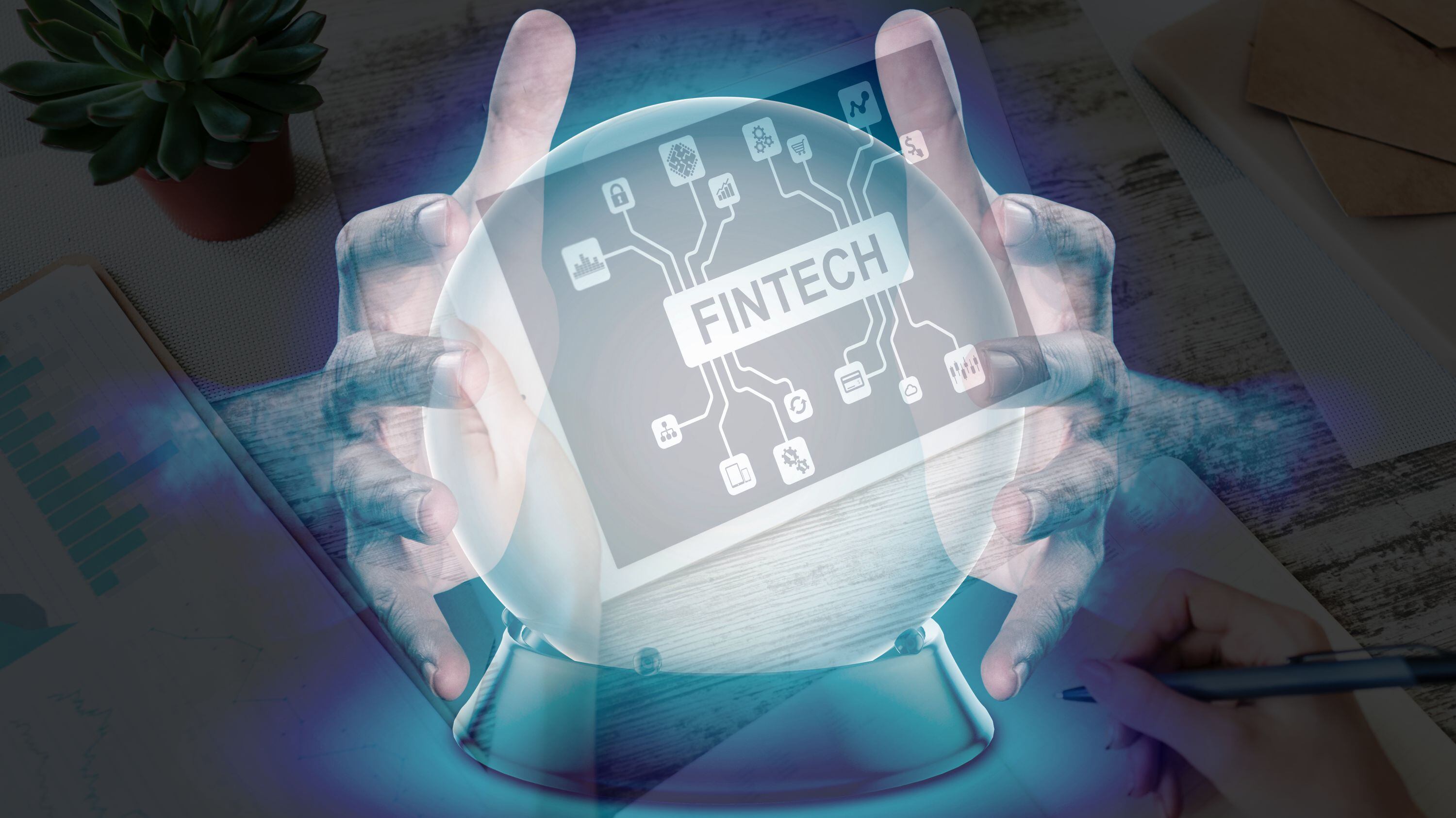
The financial services industry moves so much and so fast. 2019, particularly the final stretch of the year, marked the beginning of the next wave of disruption that the disruptors have worked so hard on since the 2008 financial crisis that gave them the impetus to make changes. More than ever, banking is moving away from existing as a standalone destination for financial help; it’s integrating with retail, social media, career coaching, and experiences. By next year you could be banking with Google or Uber, and instead of moving dollars around you could be thinking about new currencies issued by other governments ⁠— or Facebook. Here are five themes to watch in 2020.

The rebundling of financial services

For the last 10 years, startups have been unbundling financial services and consumers have sought out individual apps for different financial products — loans, investments, savings accounts, debit cards, credit cards — rather than one-stop-shop banks that provide all of it. Now, at the end of 2019, several such disruptors have achieved enough scale to venture beyond their initial single-product offering which they hope will help them with customer retention. Square’s Cash App, which began as a person-to-person payments app, is a perfect example: it now functions as a digital bank to deposit cash, includes spending rewards, crypto investing, and now also stock investing. This type of rebuilding will accelerate even more next year as new and younger customers demand better and more immersive experiences, and startups who took off with freemium products seek to grow revenue. As part of this trend, niche target demographics will emerge, like the farming or trucking industries or the LatinX community.

The battle for e-commerce

More and more, lenders like Kabbage, Fundbox, and SoFi are offering payments products to customers to diversify their revenue streams and strengthen their value to their customers. At the same time, payments companies like PayPal, Square, and Stripe are growing their capital arms for the same reasons. They’re working to democratize commerce, making it so that all of commerce doesn’t just funnel through a handful of large, powerful e-commerce platforms on which small businesses have to depend. Next year, point-of-sale lenders like Affirm and Klarna will add new products to capture the e-commerce financial landscape while Shopify, Brex, and Stripe will battle to be the primary lender to emerging e-commerce brands. Plus, Affirm and PayPal inched into discovery shopping for consumers this year.

Big tech as financial services distribution channels

This year, Instagram launched a checkout function powered by PayPal, Google unveiled plans to launch a checking account, Uber launched debit cards and instant payouts, and Facebook rolled out a Venmo-alternative. JPMorgan Chase is also developing an e-wallet for online marketplaces and gig economy companies like Amazon, Lyft, and Airbnb that would allow them to provide consumer bank accounts and incentivize customers to keep their money parked there. As consumers force tech giants to value data and privacy over ad targeting, payments offer an opportunity to grow new revenue. Global payments are on track to add $1 trillion in new revenue to payments businesses through 2027, according to BCG. As for the bank accounts, it could take years for the public to become okay with the idea of a Google-type non-bank as a go-to for banking.

The financialization of cryptocurrency

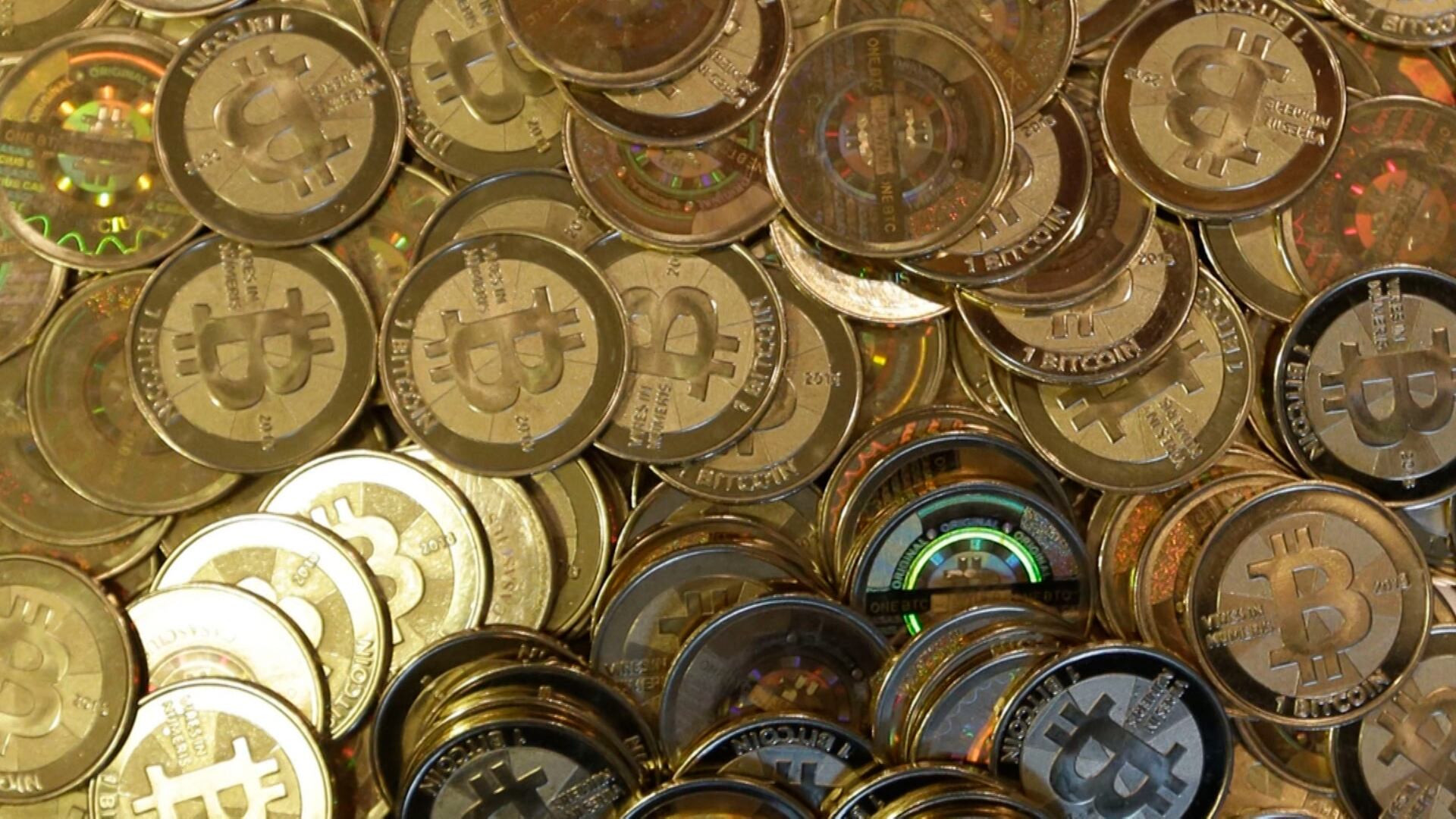
There will be more integration of different cryptocurrency products and services alongside traditional financial services, like SoFi and Robinhood, which were approved for BitLicenses this year, as well as Square’s Cash App. Companies like BlockFi and Lolli are starting to let people do things with cryptocurrencies that they’re already used to doing with traditional assets, like letting them store their crypto in interest-bearing accounts or earning cash-back rewards on purchases in crypto rather than fiat. That integration will continue to drive cryptocurrency adoption through 2020. Traditional banking institutions will also realize the value of stablecoins in lowering costs and improving consumer experiences and will create incentives to drive usage.

No Libra launch, but more regulatory clarity and perhaps a new currency war?

If Libra showed us anything this year, it’s that regulators see Facebookcoin as much more threatening to government currencies that they ever saw bitcoin or cryptocurrency. The Facebook-started digital currency dominated headlines this year after its June reveal and its leaders have assured the public it won’t launch until regulators’ many concerns are put to rest. Libra may launch after all, but likely not in 2020. However, Facebook, the Libra Association and its many members have opened a conversation that’s sure to bring additional, though perhaps limited, clarity in 2020 about how to regulate cryptocurrencies. As another response to Libra, the central banks of China, England, and the European Union, among others, are now discussing their own digital currencies or stablecoin projects. If any of those take root in 2020 it would set the stage for a new currency war whose coins could become bigger than bitcoin.

Share:
More In Business
Parallel Systems Working On Autonomous, Battery-Electric Rail Vehicles
Parallel Systems has been selected to receive $4.5 million from the Department of Energy for an advanced testing program of its autonomous, battery-electric rail vehicles. The startup, which has raised more than $53 million to date, was founded by former SpaceX engineers to reimagine the rail system by creating a more efficient, decarbonized freight network. Matt Soule, Co-founder & CEO of Parallel Systems, joined Cheddar's Opening Bell to discuss what the company hopes to achieve.
Disney Beats Earnings Expectations, Eyes 2022 Rebound
Disney reported earnings beat on both top and bottom lines. Earnings per share came in at $1.06 versus Refinitiv estimates of 63 cents. Revenue also exceeded expectations at $21.82 billion dollars versus $20.91 billion expected. Meanwhile, Disney+ added 11.8 million new subscribers this quarter to reach nearly 130 million total. Tuna Amobi, media and entertainment expert at CFRA research, joined Cheddar to gives his take on Disney's earnings blowout.
Behind the Sandy Hook Settlement With Gun Maker Remington
Almost a decade after facing a parent's worst nightmare, the families of the young students killed in the Sandy Hook School shooting reached a settlement with gun manufacturer Remington, makers of the Bushmaster AR-15 used in the crime. David Pucino, deputy chief counsel, Giffords Law Center to Prevent Gun Violence joined Cheddar News to discuss the families' case and how its strategy brought about the legal settlement. "They built a really great case showing the way that Bushmaster developed its advertising to drive sales using those toxic messages.
Investment in NBA Teams Is in High Demand for Private Equity Firms
Private equity firms are taking a big interest in investing in NBA teams, the sports league showing the highest ROI over the last two decades according to Sportico, Forbes, and PitchBook. Wylie Fernyhough, lead analys for private equity at PitchBook joined Cheddar News to discuss the way firms are looking to get a piece of the action on the court. “There’s a certain amount of rarity, with these," Fernyhough said. "They’re not exactly printing new NBA franchises."
ULTA Beauty To Spend $50 Million On Diversity Initatives
In efforts to help support black-owned brands. Ulta Beauty says it will make a commitment to not only give these brand shelf space but also help them navigate the ins and outs of growing a business. Last week, the beauty retailer announced in order to reach those goals, the company will spend $50 million on diversity and inclusion programs, including an accelerated program to mentor entrepreneurs of color. CEO of Ulta Beauty, Dave Kimbell, joined Cheddar to discuss more.
Economist Sees Six Rate Hikes in 2022 After High January PPI Number
Inflation remains hot as the January PPI has increased by 1 percent, twice what analysts had been expecting with a jump of 9.7 over the year. Beth Ann Bovino, the U.S. chief economist, for S&P Global Ratings, joined Cheddar News to discuss the rapid pace of inflation alongside higher wages, predicting the Federal Reserve will act quickly and forcefully this year. "They haven't changed their forecast, yet, that's gonna come out soon. But we expect that a March rate hike is basically pretty much baked in the cake," she said. "We think six rate hikes in total for 2022."
U.S Chamber of Commerce Hosts Virtual Event 'Developing the Black-Owned Business Ecosystem'
For black history month, Cheddar is highlighting black business leaders who are driving the need for representation forward. On February 10, the U.S. Chamber of Commerce hosted an event called 'Developing the Black-Owned Business Ecosystem.' The virtual event was organized under the lobbying group's two initiatives -- the Equality of Opportunity Initiative, and the Coalition to Back Black Businesses. The event highlighted the developments needed to develop more black-owned businesses in the U.S. Dr. Anthony Wilbon, Dean of the School of Business at Howard University, joined Cheddar News' Closing Bell to discuss his experience as a speaker at the event.
Real Estate Key to Closing Wealth Gap Even as Black Spending Power Hit $1.6 Trillion
Black spending power reached a record $1.6 Trillion in a 2021 report from the University of Georgia Selig Center for Economic Growth. Ayesha Selden, certified financial planner, breaks down why real estate is the key to closing the racial wealth gap and how Black Americans are using social media to improve financial literacy. "If we look at home ownership as being a primary driver of wealth, when you look at the equity that Americans have in their homes, that equity can be used to buy additional assets like other rental properties. That equity can be used to educate our children," Selden said, noting that lower rates of home ownership meant Black Americans tend to incur more debt on average for their student loans.
Does Owning Crypto Really Make Daters More Desirable?
A new survey from Etoro suggests that talking crypto might actually help Americans on the dating scene find love...or at least land another date. The survey found that 74% of respondents would be more interested in going on a second date with a person that pays the bill in Bitcoin. Callie Cox, Etoro's U.S. investment analyst, joined Cheddar News to discuss.
Load More