Lucas Wentworth was in high school when he witnessed an overdose firsthand. A fellow partygoer had taken something, but what it was he didn't know. She became unresponsive.
"I can tell essentially that something wasn't right with her. And so we tried to yell at her, try to wake her up verbally — that didn't do anything. We tried to physically wake her up and shook her by the shoulders a little," Wentworth said. "At that point everybody started to kind of freak out."
When everyone began to panic, Wentworth remembered something his mother, a social worker, had taught him about the Good Samaritan Law, a piece of legislation in New York that offers limited immunity to people who reach out for medical help during an overdose. Free from fear of criminal consequences, someone called 911. Thanks to Wentworth's quick-thinking, a life was saved.
"She was not breathing at all once the ambulance arrived on scene, but she survived," said Wentworth, who now works for cannabis public relations firm NisonCo.
Drug overdoses are the leading cause of accidental death in the state of New York and the fourth leading cause of early death in New York City after conditions like heart disease, cancer, and HIV/AIDS, according to Drug Policy Alliance. But death from an overdose is far from inevitable. In the case of opioids, most overdose-related deaths occur one to three hours after the injection, according to New York State Department of Health. Although overdoses tend to occur in the presence of others, oftentimes no one calls the police out of fear they'll be held criminally responsible.
Since its passage in 2011, New York's 911 Good Samaritan Law has aimed to encourage people to take action in life-threatening situations, like the one at the party Wentworth attended. It offers limited protections for those "good Samaritans" who chose to do the right thing. It shelters those who seek help for themselves or others from charges related to possession of up to 8 ounces of narcotics or, in the case of minors, alcohol. It also provides limited immunity from arrest for witnesses and for overdose victims themselves.
It does have restrictions. It won't protect against possession of 8 ounces or more of narcotics or protect those on parole or who are violating probation.
As Wentworth saw firsthand, not everyone knows about this key piece of legislation and he wanted to change that.
"This girl's life was saved because I happened to know about the law when people didn't," he said. "That's the root of it all, is trying to make sure that everybody knows about this."
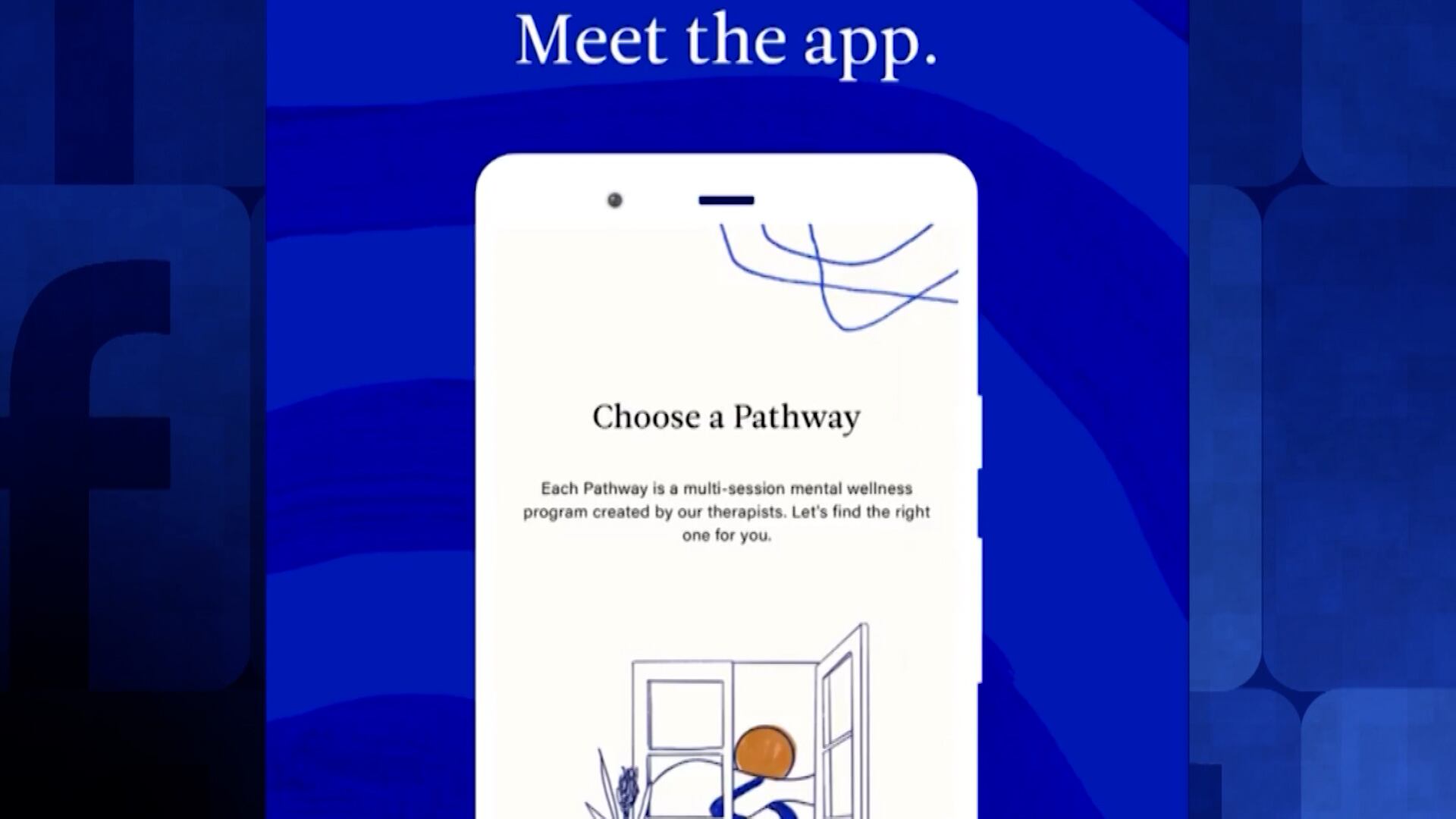
Creating legislative change can be a complicated, expensive, and intimidating process. Lobbying is an effective vehicle for change, but oftentimes it's reserved for corporations and special interest groups, which spend an estimated $3.5 billion annually on lobbying. Entrepreneurs at CrowdLobby, which is like Kickstarter for lobbying, are hoping to change that. With the support of Wentworth, NisonCo founder Evan Nison, and other passionate activists, the platform is crowdfunding to lobby on behalf of Assembly Bill A6179, which would require senior high schools in New York to teach students about the Good Samaritan Law.
"The real goal of it is to ensure that generations of New Yorkers are aware of the law and are aware of their rights associated with the law. And we think that by making it an education mandate that ... everybody that comes out of a public high school in New York knows about it," Wentworth said.
CrowdLobby co-founder and CEO Heidi Drauschak hopes the Good Samaritan campaign is just the first of many campaigns to come. Inspired by her own background in lobbying, Drauschak wanted to democratize the process, using technology similar to what powers other crowdfunding sites like GoFundMe and Kickstarter.
"Paying several thousand dollars to have a lobbyist represent you is really something that only corporations and wealthy people can consider. And so I thought, well, what if you could take the crowdfunding model … and you brought it to the lobbying industry," Drauschak said.
CrowdLobby is nonpartisan and will support issues on both sides of the aisle. So long as a campaign meets certain criteria — non-discriminatory and supportive of a specific piece of legislation (no lobbying for world peace, here) — the options really are endless.
"[If] you have energy and people who are passionate about something and a community that's building around an issue, you kind of go with that energy," Drauschak said.
Once a legislative campaign makes the grade, the CrowdLobby team picks a lobbyist they think will be a good fit, although they hope to one day allow contributors to have input on who will lobby on their behalf. Lobbyists they've worked with in the past include Guy Rohling of Albers & Company, NORML's Jenn Michelle Pedini, and Andrew Lamar of Lamar Consulting, among others.
Participants can show their support through any dollar amount. Although campaigns can really benefit from the support of large donors, Drauschak said, she believes the most successful campaigns will have a broad base of support with many donors giving what they can.
"The honest hope for all of these campaigns is that you actually have the broadest collection of small donors as possible. So, I would much rather have a campaign that's funded by 20,000 one-dollar contributions versus, you know, four or five $1,000 contributions," she said.
Unlike Kickstarter, where you might walk away from a campaign with swag or a product prototype, the rewards for participating in a CrowdLobby campaign are less tangible. Incentives include detailed information about legislation, regular updates from the selected lobbyist, information about how to get involved most effectively, the right to vote on the lobbyist's strategy, and insider access to the government
As for who might be interested in participating in a CrowdLobby campaign, the team said they think of their core demographic as coming from two distinct categories: a small but growing subset of the population that already contributes to political campaigns and people who have grown frustrated with the current political environment.
"The market that I am much more interested in, and I think that this eventually could be much more popular with, is actually the people who have never given to a political issue," Drauschak said. "I have a lot of people in my space who are very disillusioned. They don't believe in the system. They don't believe that it works for them. They don't think that you know people have their interests in mind. And I think this is like a very practical, very real way to enact change."
Lobbying is one cog in the U.S. political machine — and CrowdLobby realizes that. But Drauschak hopes that by shedding light on a traditionally very opaque process of government, CrowdLobby can contribute to an ongoing conversation about reclaiming the legislative system to work for many, rather than for the few who can typically afford it.
As for the inaugural campaign for teaching the Good Samaritan Law in high schools, it already has support from organizations like Drug Policy Alliance, Students for a Sensible Drug Policy, and from co-sponsors in the New York State Assembly. Nison, who is also an advisor to the campaign, said he's feeling confident about its odds.
"It's a truly bipartisan issue, and it's really just about saving lives," Nison said.