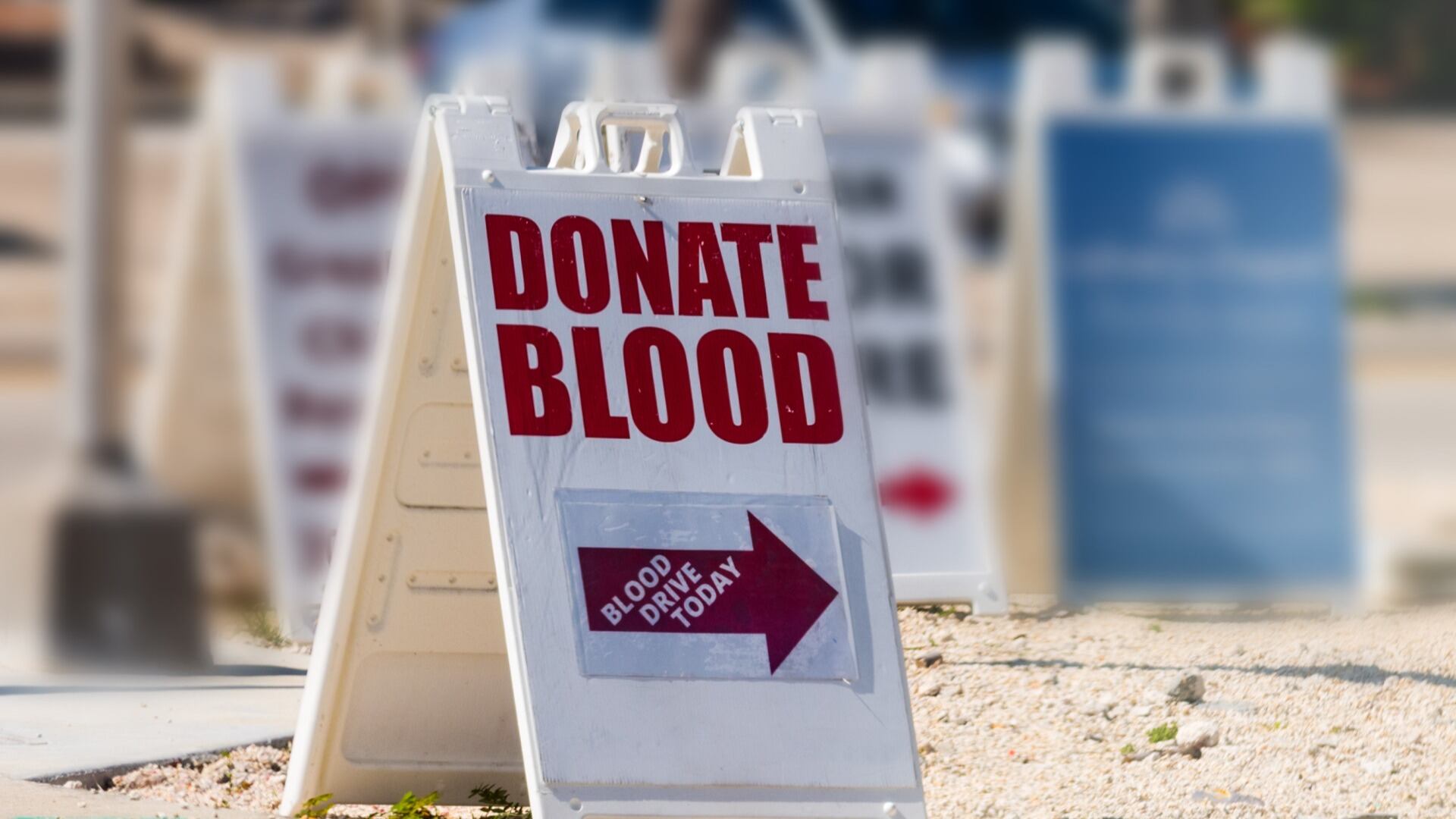
January marks the start of a new year, but it is also National Blood Donor Month.
The beginning of the year is a critical period for those in need of blood transfusions as people tend to stop donating during the holiday season. The winter in general also experiences a dropoff as donors get sick more frequently.
With blood supplies running short, life-saving cancer treatments and surgeries like heart-transplants have to be pushed off.
Rodney Wilson, biomedical spokesperson at the American Red Cross, told Cheddar News that every two seconds someone in the U.S. needs a blood transfusion.
"It is a need that is coast to coast in every community across the country, and not enough people are donating. Only about 3 percent of the population has ever donated blood and yet most of us will need blood in our lifetime," Wilson said.
If you plan to donate blood, there are a few caveats to consider before heading to your local donation center. Participants must be at least 16 years old, weigh at least 110 lbs, and cannot donate more than six times a year with 56 days in between each donation.
In 2015, the Food and Drug Administration tweaked a controversial policy to lift a lifetime ban on gay and bisexual men from donating blood and said any man who hasn't had sex with another man in 12 months would be eligible to donate.
The policy was changed again in 2020 shortly after the onset of the coronavirus pandemic when blood supplies were critically low to allow gay and bisexual men to donate if they hadn't engaged in sex with men in the last three months.
OceanGate Expeditions on Thursday said pilot and chief executive Stockton Rush, along with passengers Shahzada Dawood and his son Suleman Dawood, Hamish Harding, and Paul-Henri Nargeolet “have sadly been lost.”
A new study on loneliness is showing it may not only affect mental health, but it may also be bad for the bones. However, the study found it impacts one group in particular: men. Amid concerns about the rising epidemic of loneliness, researchers wanted to take a closer look at its effects.
Be Well: 2-Minute Morning Stretch Routine
Be Well: Celebrity Trainer Bob Harper Talks Heart Health
A new study from Finland found that "night owls," or people who tend to stay up late, don't live as long as those who go to bed early and wake up early as well.
Confidence in the scientific community declined among U.S. adults in 2022, a major survey shows, driven by a partisan divide in views of both science and medicine that emerged during the COVID-19 pandemic.
The American Cancer Society estimates that over 20,000 new cancer cases in Connecticut this year alone. But there's a concerning shortage of chemotherapy drugs in the state and across the country. News 12 reporter Mark Sudol tells us why and what can be done.
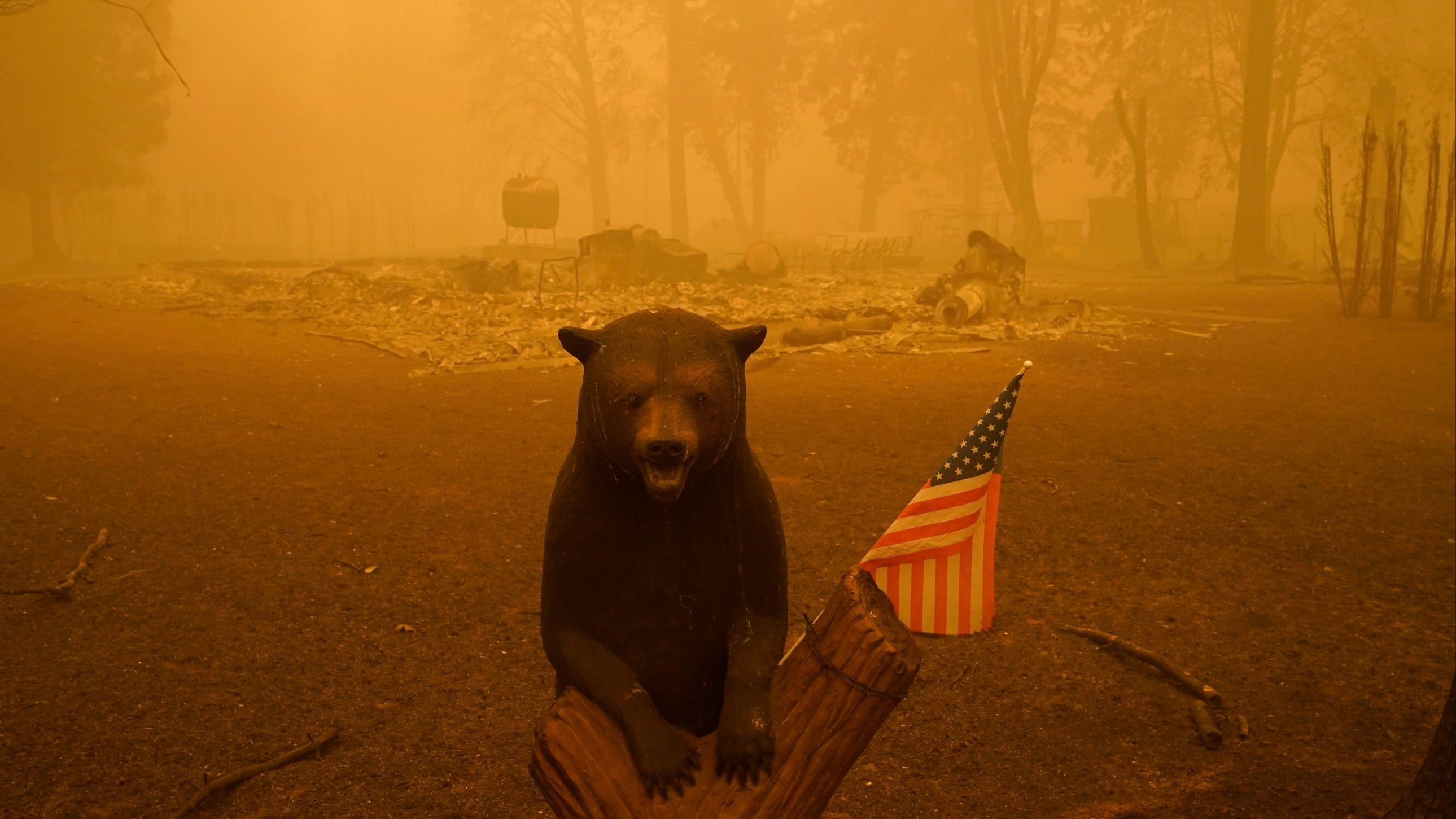
A jury in Oregon says the electric utility PacifiCorp must pay punitive damages for causing devastating wildfires in 2020 — on top of an earlier verdict already expected to amount to billions of dollars.
Pfizer is warning that an antibiotic used to treat syphilis and other bacterial infections in young people are likely to run out by the end of this quarter.
Be Well: Alex Rodriguez on the Importance of Dental Hygiene Following Gum Disease Diagnosis