The USS Sullivans lists in the Buffalo River on April 14, 2022 in Buffalo, New York. The Sullivans is a retired Fletcher class destroyer and was named in honor of five brothers (George, Francis, Joseph, Madison, and Albert) who lost their lives while on the USS Juneau when it was sunk by a Japanese submarine during the naval battle of Guadalcanal on November 13,1942. (Photo by John Normile/Getty Images)
A decommissioned World War II-era destroyer docked near downtown Buffalo in New York was taking on water and listing perilously on Thursday.
Crews were working to keep the USS The Sullivans from sinking at its berth at the Buffalo and Erie County Naval & Military Park, where it had been open for tours. Part of the leaning vessel's deck had dipped below the waterline by midday.
“We’ve got a committed group down here. We’re not going to give up the ship and failure is not an option,” said park president Paul Marzello.
Marzello said they believe there was a breach on the right side of the hull Wednesday night. He said crews trying to stabilize the 79-year-old vessel are pumping out up to 13,000 gallons (49,210 liters) a minute.
“I think we’ve seen the worst, but I don’t know,” he said.
Gov. Kathy Hochul, a Buffalo native, tweeted that state agencies were on site and ready “to help revive this treasure and symbol of perseverance.”
The USS The Sullivans, a National Historic Landmark, was named in honor of the five Sullivan brothers from Waterloo, Iowa. The brothers were killed in action when the USS Juneau was sunk by the Japanese in the South Pacific during World War II.
More than $1 million was raised last year to repair the ship’s breached hull. Crews paused work over the winter and were to resume repairs Monday, Marzello said.
The USS The Sullivans is one of four decommissioned Naval vessels at the park.
Although this week's weather is predicted to be less severe than the 2021 storm, Texans are preparing for the worst - stocking up on supplies and emptying shelves in grocery stores, once again. Some Texans still have not recovered from last year's tragedy, and are heading into the next few weeks with anxiety for what's to come. Leslie Beyer, CEO of the Houston-based energy workforce & technology council, joins Cheddar News to discuss if the Texas grid will fail again.
Student loan debt continues to be a major concern for tens of millions of Americans who collectively owe about $1.7 trillion. Black college students often take on larger amounts of student debt in order to pay for a higher education. In turn, they are more likely to struggle post-graduation with repaying their debt, creating a racial wealth gap divide. Andre Perry, senior fellow at Brookings Institution joined All Hands to help break down the black student debt crisis.
BTS’ hit single “Butter” tops the zeitgeist again, bumping back up to number one on Billboard’s Hot Trending Chart. The chart tracks what songs people are talking about rather than what they're listening to.
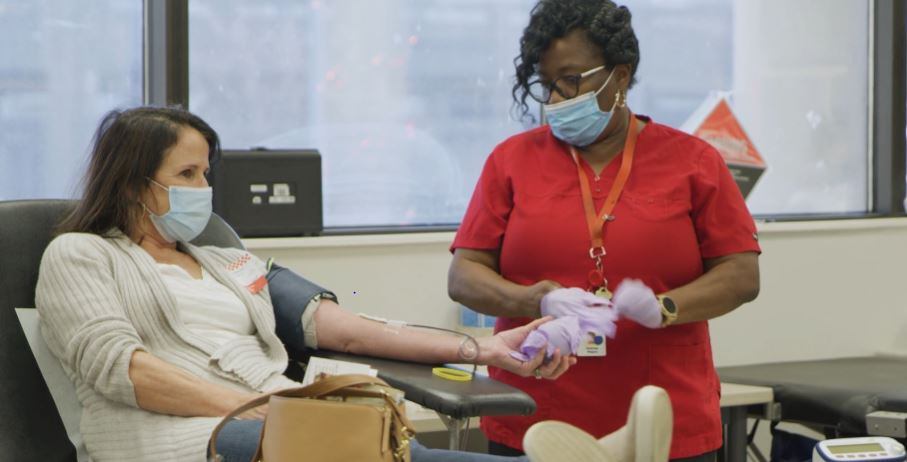
The American Red Cross has declared its first-ever "national blood crisis" in the United States. Since COVID hit the U.S. in March 2020, blood donations have declined by 10 percent. American Red Cross Medical Director, Dr. Baia Lasky joined Cheddar News to discuss the country facing the worst blood shortage in over a decade. Dr. Lasky noted that as much as 40 percent of Americans are eligible to donate blood but only about 4 percent do so. "This is going to be ongoing," she said. "This is not an acute shortage. We really do need the commitment of people to come out and donate and donate again." Appointments to donate can be made by using the Red Cross Donor App, at RedCrossBlood.org, or calling 1-800-RED CROSS (1-800-733-2767).
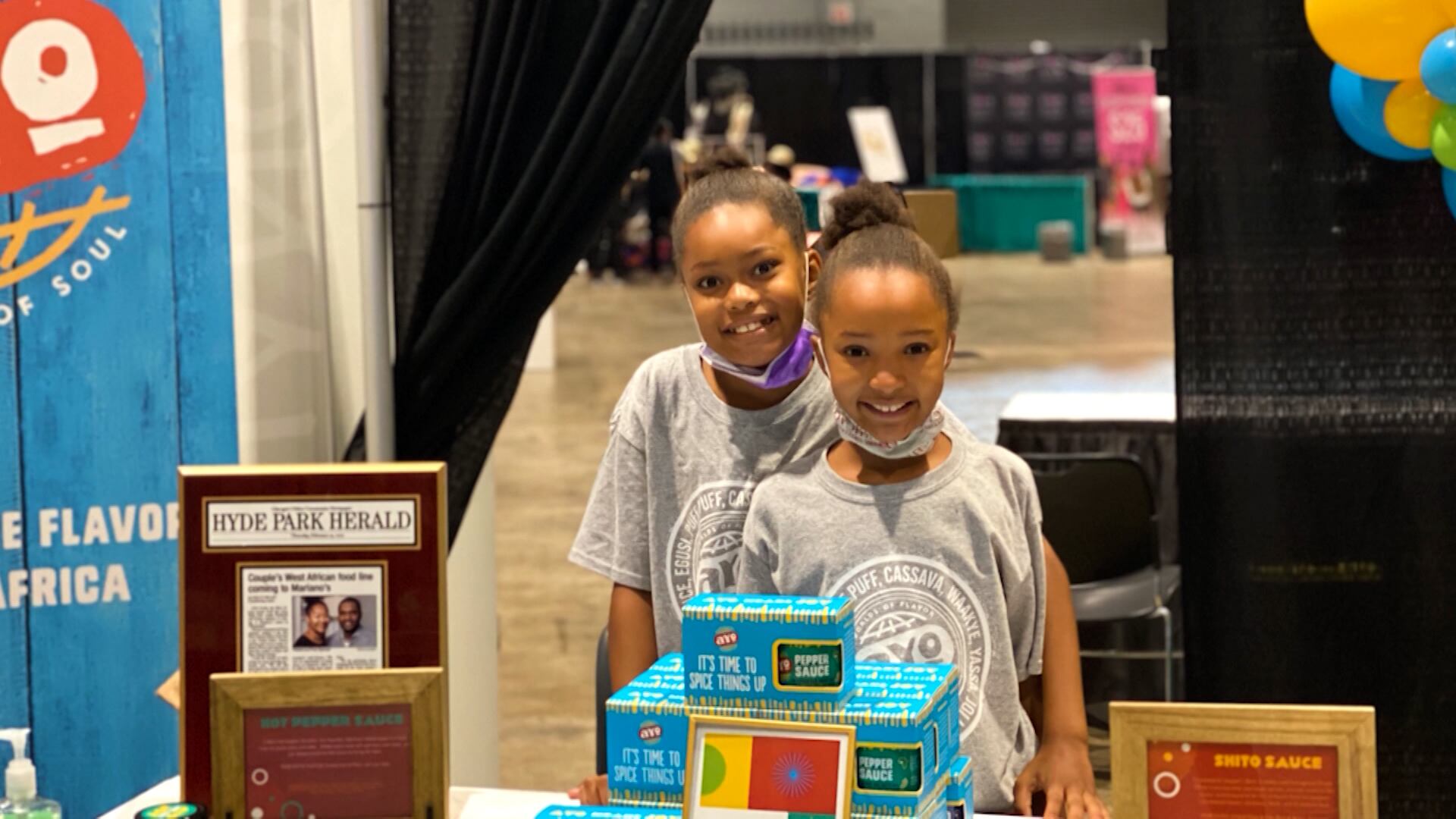
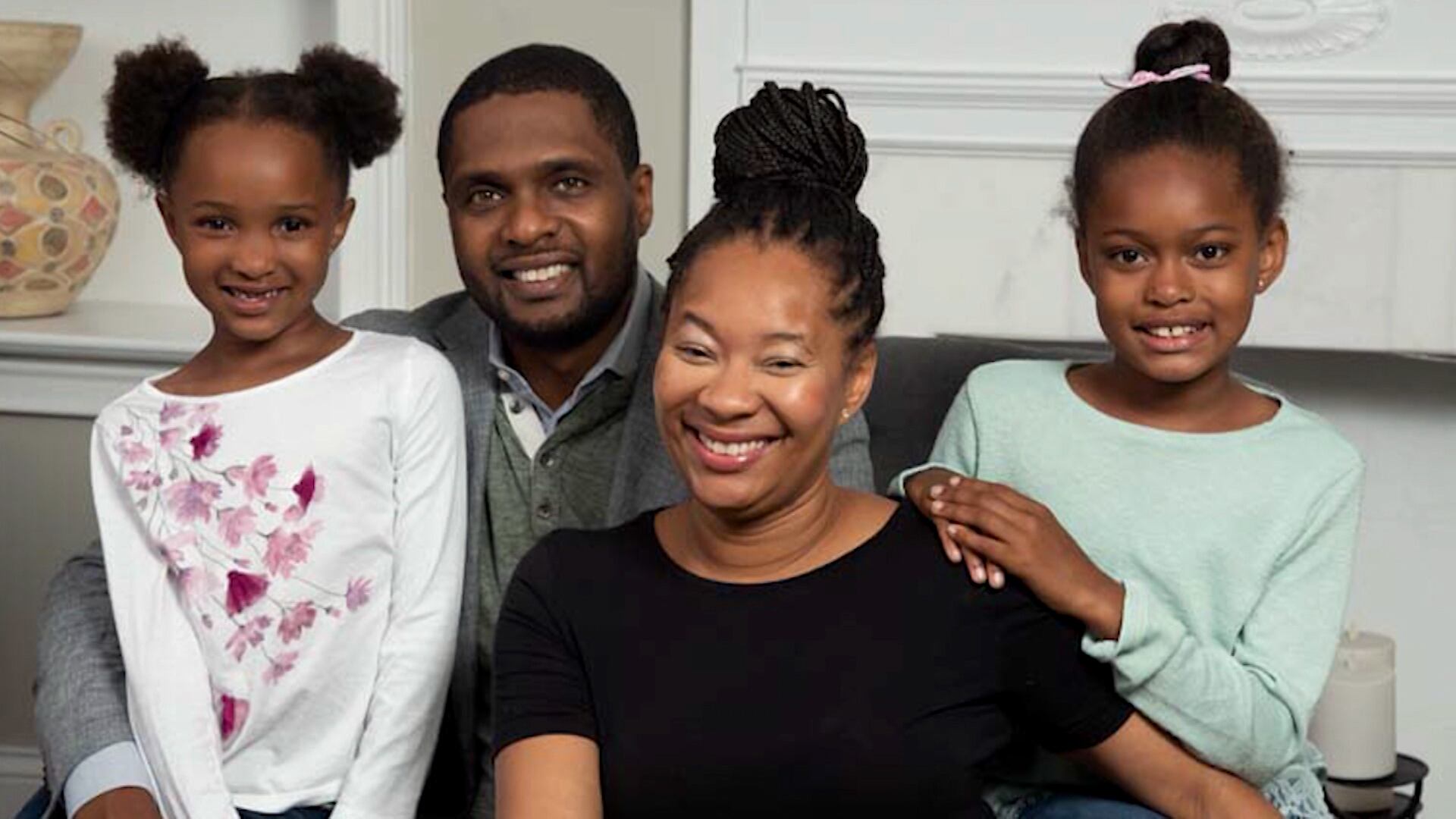
On this episode of ChedHER: Co-Founder of VC firm CaJE breaks down how she's creating a new era of venture capital and empowering Black women with 'soil' funding to start and grow their businesses; AYO Foods Co-Founder discusses how the brand is bringing West African cuisine to the frozen food industry and building a grocery aisle her daughters can be proud of; Chief Marketing & Customer Experience Officer at Chase Auto talks her experience being a woman of color in the auto industry, and why transportation is so important to financial freedom.
Renée Horne, chief marketing and customer experience officer at Chase Auto, joins ChedHER to discuss her experience being a woman of color in the auto industry and why transportation is so important to financial freedom.
Perteet Spencer, Co-Founder of AYO Foods, joins ChedHER to discuss how the brand is bringing West African cuisine to the frozen food industry and building a grocery aisle her daughters can be proud of.