More people heading online to do their holiday shopping can mean more targets for cybercriminals out for financial accounts.
Greg Foss, senior cybersecurity strategist at VMware Carbon Black, said the security industry is watching a "significant rise" in large-scale e-skimming attacks.
E-skimming refers to the practice of hackers targeting the retail sector by injecting JavaScript into website payment processing pages and then siphoning credit card and account information from unsuspecting customers.
"As many businesses have been forced to shift a lot of their operations online, so have these cybercriminal organizations," Foss told Cheddar Tuesday.
According to VMware Carbon Black, swiped credit cards sell on the dark web for $10-$20 on average. PayPal accounts sell for $2-$10 each, depending on how much money is in the account.
Foss said criminals traditionally look to take advantage of popular shopping days like Black Friday and Cyber Monday, and the pandemic has led to a rise in e-commerce.
"You've got to be careful there and just really be skeptical of things that you receive within your email, notifications you receive within your social media, and especially text messages," Foss said.
Foss said scammers are using texts "very significantly now" to steal information. The cybercriminals take advantage of the fact that when people open links on their phones, it's harder to verify their integrity.
"My main advice for people is just to be very skeptical," Foss said. "If something looks too good to be true, it probably is. And really try and avoid using any public Wi-Fi when you're doing any banking, or shopping, or anything of that nature."
Not only is April Financial Literacy Month, it’s also the kickoff of the spring homebuying season. So now is the time to make sure you have a financial plan in place – and why it might not be wise for that to include buying your first home.
While the U.S. may slowly be on the path to lowering inflation (and therefore interest rates), Europe has thoroughly trounced America, putting it on the path to lower rates by this summer.
April's release of the monthly Housing Starts and Building Permits reports by the Census Bureau provides crucial insights into the construction activity in the housing market. These reports are an economic indicator, shedding light on the current state of the housing market and its broader economic impact.
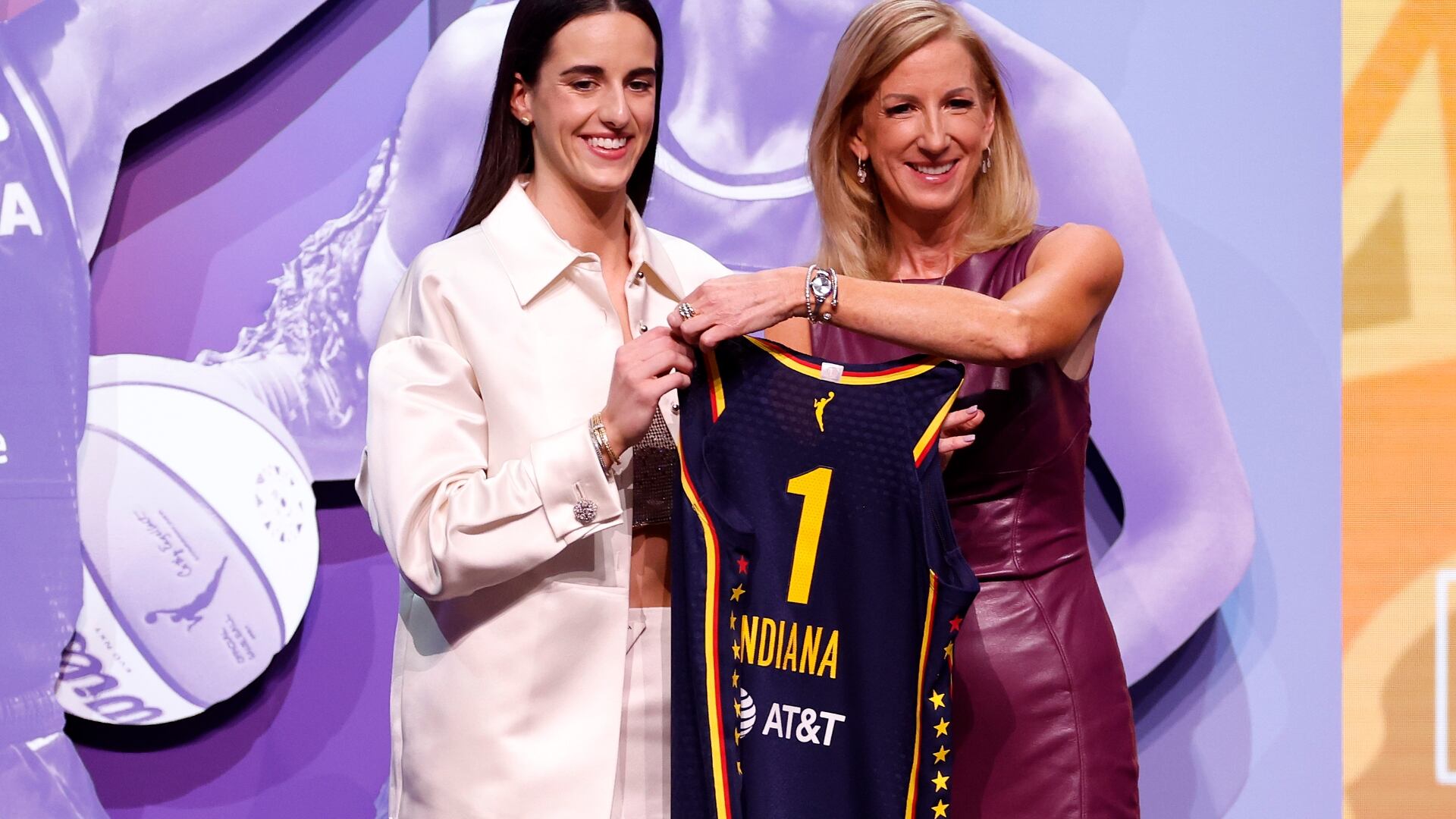
Caitlin Clark is heading to the Indiana Fever, the number one draft pick and the highest-scoring college basketball player of all time. And while she may not be getting millions from the WNBA, there's a few ways she'll net compensation for her generational talents.
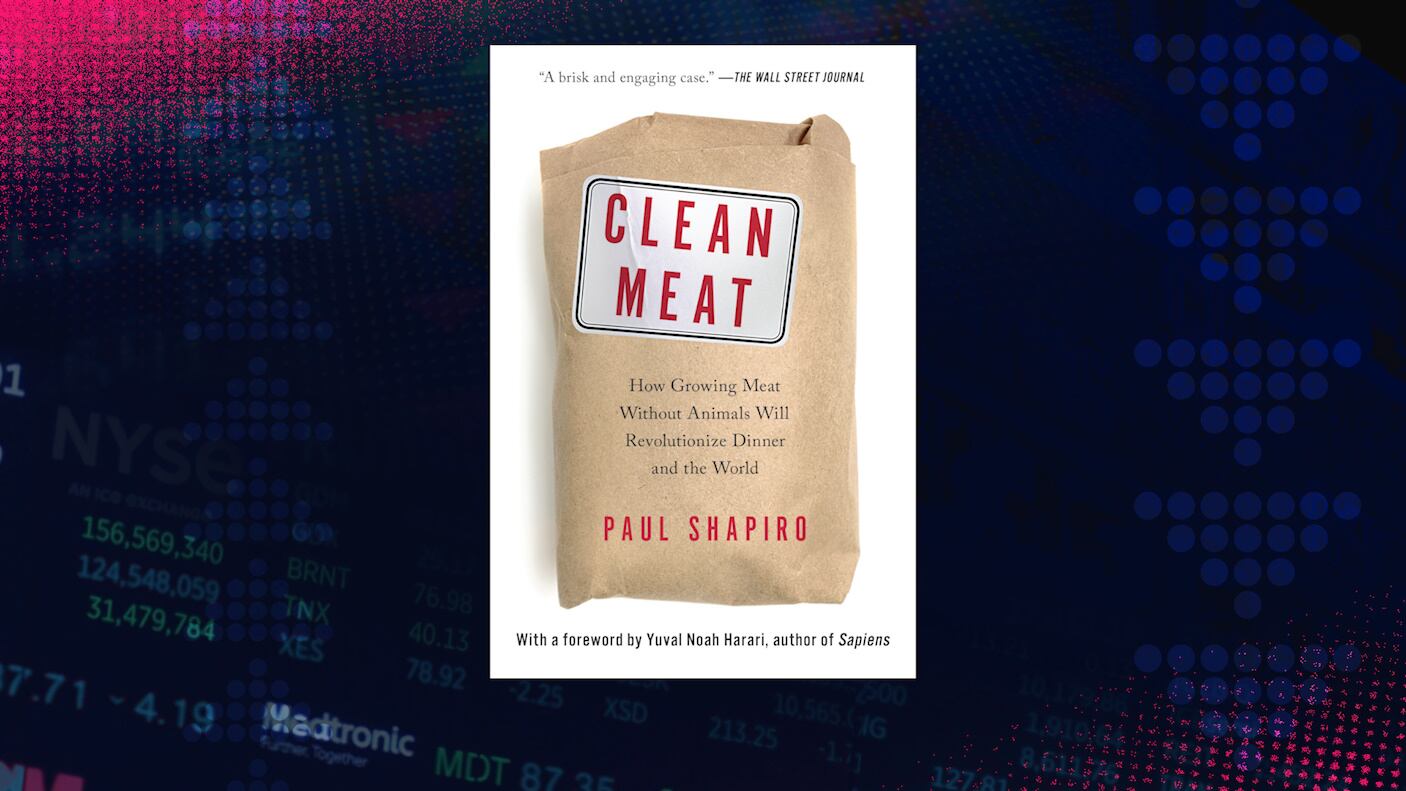
Author of 'Clean Meat,' Paul Shapiro joins Cheddar to discuss how the cellular agricultural revolution helps lower rates of foodborne illness and greatly improves environmental sustainability. Plus, how his company The Better Meat Co. is bringing healthier food options to the table.
Recent headlines might make it sound like World War III is imminent, but when it comes to your finances, it's not the time to panic. The market is coming off its longest winning streak since 2011.
You may have noticed fewer new venture capital-backed startups (like Airbnb or Uber) lately. The market slowed to a crawl after 2021, but things are expected to take off again in 2025.
Corporate earnings season is underway, that time when companies share their billions in sales or double-digit profits. But the data shows even companies are struggling with high inflation and interest rates.
Boeing continues their terrifying trend of having their planes fall apart mid-flight, inflation — checks notes — is still up and the future of AI looks terrifying. Cheery!
Food waste – uneaten scraps or leftovers sent to landfills – is responsible for 10% of global emissions. Mill, a new product from the co-founder of Nest, thinks technology can play a role in eliminating it.