By Marcy Gordon
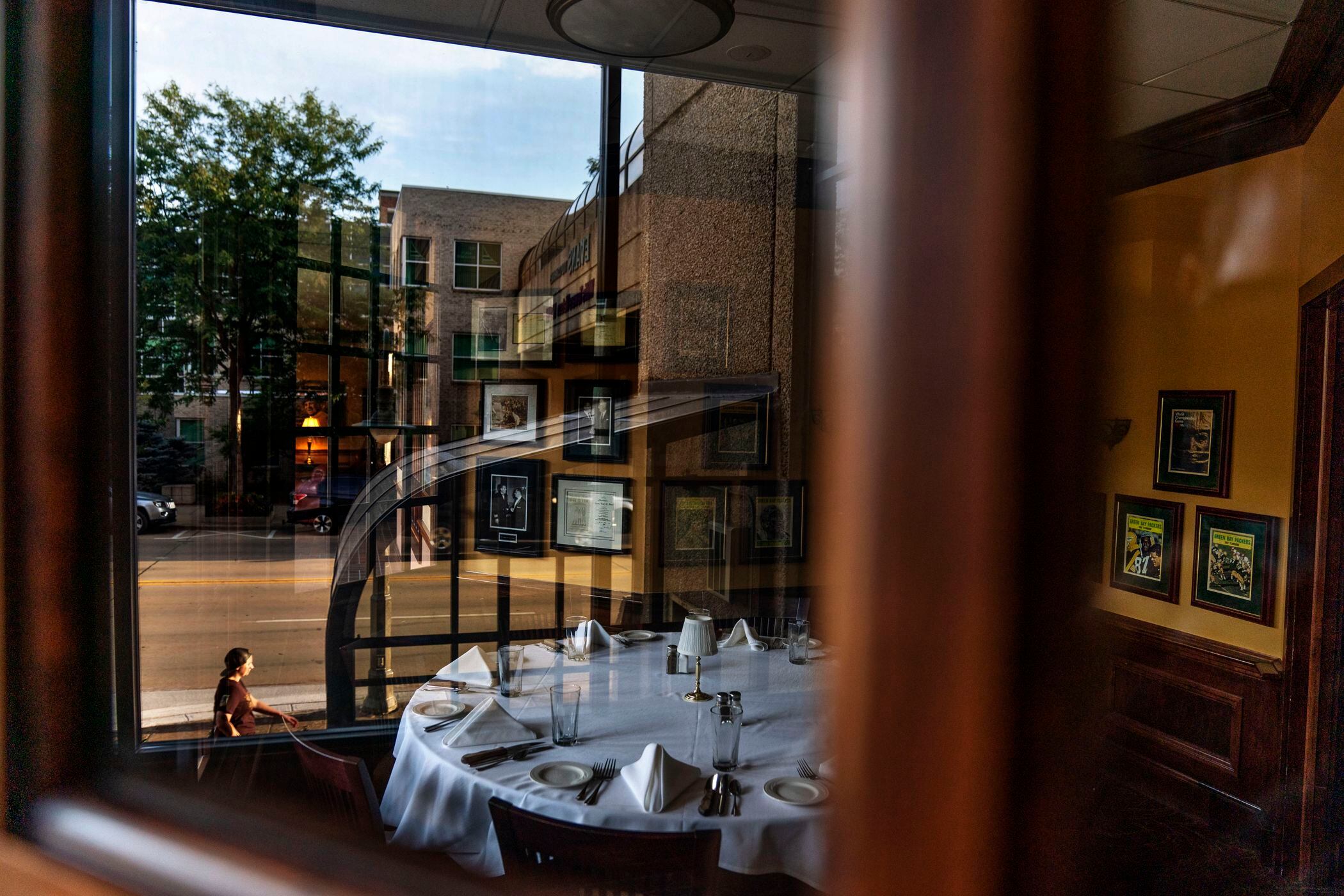
Stuffed into the new emergency relief package is a morsel that President Donald Trump has long had on the buffet of his economic wish list: restoring full tax breaks for restaurant business meals.
But experts say it’s scant immediate help for an industry reeling from the pandemic, while critics deride it as an insensitive “three-Martini lunch” giveaway to business.
The new $900 billion pandemic relief package that is headed toward Trump’s desk after Congress cleared it Monday night delivers long-sought cash to businesses and individuals, and resources to vaccinate a nation confronting a surge in a virus that has killed more than 300,000 people.
The under-the-radar provision in the bill restores the full deductions prized by business and lobbyists for fine dining and schmoozing. It could help at least the tonier parts of the ravaged restaurant industry — eventually, when the economy recovers from the pandemic’s dislocation and depending on the strength of the rebound and consumer spending, experts say.
For now, the reality of social separation and restaurant closures mandated by local governments overshadows corporate tax considerations.
Across the country, about 2 million restaurant workers have lost their jobs in the pandemic, according to government data. If the current pace continues, a full-employment recovery won’t be seen until late next year at the soonest, the National Restaurant Association estimates. Some 110,000 restaurants, or 17%, have closed long-term or permanently, based on a survey of members by the trade group.
The new tax break “is really not the help they need, and it’s adding an insult to an injury,” said Aaron Allen, who heads a restaurant consulting firm based in Chicago. “The airlines clearly have a better lobby in Washington.”
Americans for Tax Fairness said the break “would mostly help high-paid executives enjoying three-martini lunches and the fancy restaurants they frequent. Neighborhood eateries and their millions of laid-off workers ... will get little or nothing.”
A more immediate help to restaurants could be the direct cash payments that will go into consumers’ pockets from the government under the new emergency package. Whether consumers remain too afraid of the virus to go to restaurants is an uncomfortable question.
Many in the industry had pushed for a $120 billion fund to provide grants to independent restaurants. That passed the House in October but didn’t make it into the final relief package.
The timing of the economic recovery is important. The full tax deductions for business meals in restaurants or taken out or delivered are temporary, only for 2021 and 2022 — unless extended by later legislation.
“We’re looking at the business meal deduction as a mid-term recovery investment,” said Sean Kennedy, an executive vice president of the National Restaurant Association. “As we start to return to a more ‘normal’ cycle of life, the deduction will help with recovery.”
But the recovery has been halting. About 20 million people in the U.S. are unemployed and nearly 10 million jobs have been permanently erased since the pandemic struck in March.
The president and the Republican lawmakers advocating the restoration of corporate tax deductions say doing so could help shore up the restaurant industry.
It was Trump’s own tax law in 2017, rushed through by the then-Republican majority in Congress, that sliced the income tax rate for corporations from 35% to 21% but reduced or eliminated those deductions. A rare provision that wasn’t business-friendly, it cut the 100% deduction for business meals by half and eliminated it entirely for most entertainment expenses at venues like sporting and cultural events.
The deductions tend to favor higher-end restaurants, the part of the industry that’s been hardest hit by the pandemic’s economic disruption. That presumably includes the restaurants attached to Trump’s own scores of upscale hotels and golf resorts around the U.S. and the world. By contrast, mass-market eateries and fast food and pizza chains have been more likely to hold things together with takeout and delivery business.




