Congressional leaders have hashed out a massive, year-end catchall bill that combines $900 billion in COVID-19 aid with a $1.4 trillion omnibus spending bill and reams of other unfinished legislation on taxes, energy, education and health care. The huge, still-unreleased bill is slated for votes on Monday — with lawmakers having only a few hours to read it before casting their votes.
Here are some highlights of the measure with overall funding amounts and specific amounts for some but not necessarily all initiatives; some amounts are not yet available and some aspects of the catchall bill do not involve spending.
COVID-19 RELIEF
Unemployment insurance ($120 billion). Revives supplemental federal pandemic unemployment benefits but at $300 per week — through March 14 — instead of the $600 per week benefit that expired in July. Extends special pandemic benefits for “gig” workers and extends the maximum period for state-paid jobless benefits to 50 weeks.
Direct payments ($166 billion). Provides $600 direct payments to individuals making up to $75,000 per year and couples making $150,000 per year — with payments phased out for higher incomes —- with $600 additional payments per dependent child.
Paycheck Protection Program ($284 billion). Revives the Paycheck Protection Program, which provides forgivable loans to qualified businesses. Especially hard-hit businesses that received PPP grants would be eligible for a second round. Ensures that PPP subsidies are not taxed.
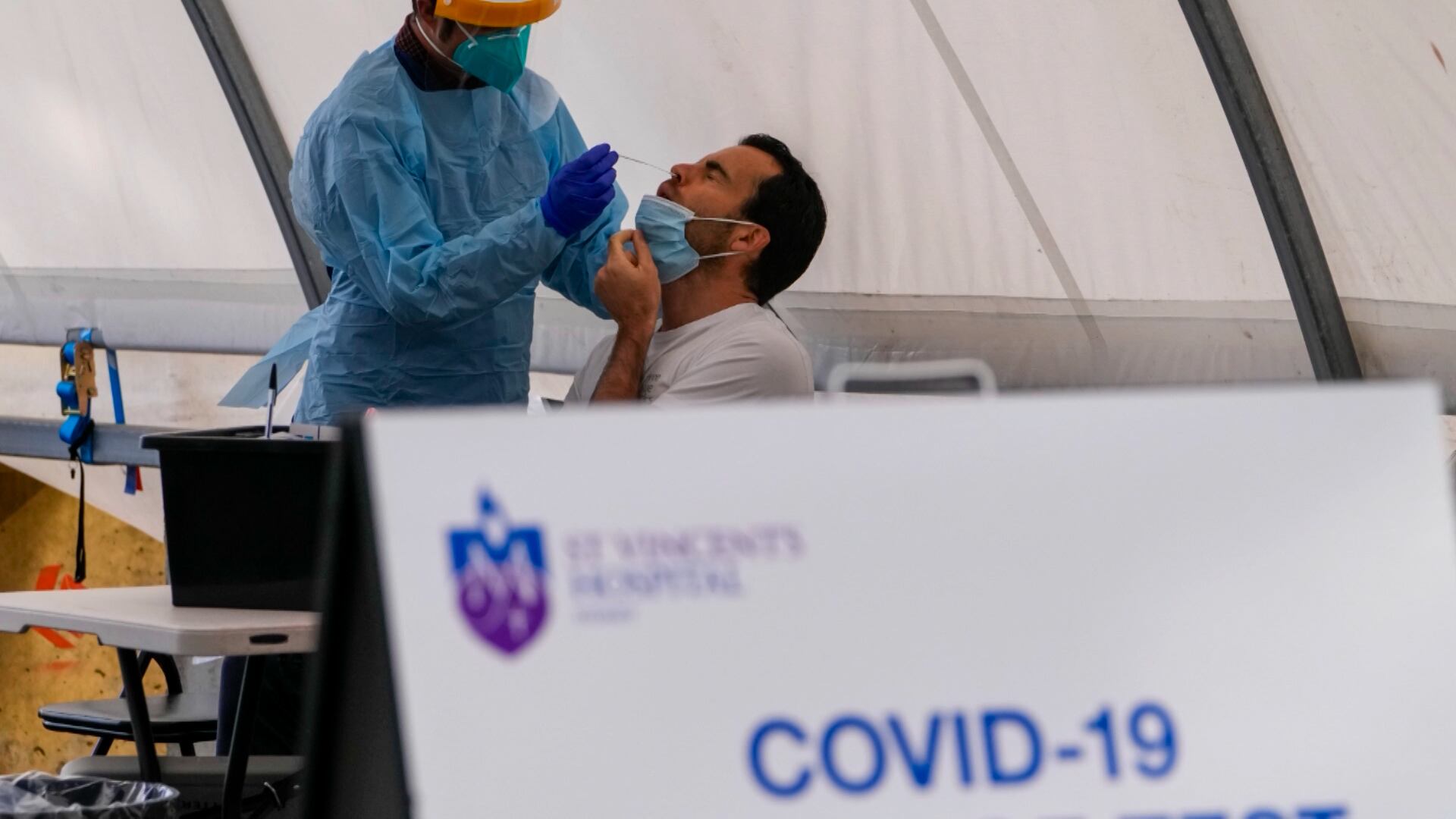
Vaccines, testing, health providers ($69 billion). Delivers more than $30 billion for procurement of vaccines and treatments, distribution funds for states, and a strategic stockpile. Adds $22 billion for testing, tracing, and mitigation, $9 billion for health care providers, and $4.5 billion for mental health.
Schools and universities ($82 billion). Delivers $54 billion to public K-12 schools affected by the pandemic and $23 billion for colleges and universities; $4 billion would be awarded to a Governors Emergency Education Relief Fund; nearly $1 billion for Native American schools.
Rental assistance. ($25 billion) Provides money for a first-ever federal rental assistance program; funds to be distributed by state and local governments to help people who have fallen behind on their rent and may be facing eviction.
Food/farm aid ($26 billion) Increases stamp benefits by 15% for six months and provides funding to food banks, Meals on Wheels, and other food aid. Provides an equal amount ($13 billion) in aid to farmers and ranchers.
Child Care ($10 billion). Provides $10 billion to the Child Care Development Block Grant to help families with child care costs and help providers cover increased operating costs.
Postal Service ($10 billion). Forgives a $10 billion loan to the Postal Service provided in earlier relief legislation.
OMNIBUS APPROPRIATIONS ($1.4 TRILLION)
The bill also includes $1.4 trillion in annual spending bills that fund agency operating budgets through Sept. 30 of next year. The measure has not been released but provides President Donald Trump with a last, $1.4 billion installment for a wall on the U.S.-Mexico border.
MISCELLANEOUS
The measure also contains more than 3,000 pages of miscellaneous legislation, including:
Surprise medical billing. Includes bipartisan legislation to protect consumers from huge surprise medical bills after receiving treatment from out-of-network providers.
Tax extenders. Extends a variety of expiring tax breaks, including lower excise taxes of craft brewers and distillers. Renewable energy sources would see tax breaks extended, as would motorsport facilities, and people making charitable contributions. Business meals would be 100% deductible through 2022.
Water projects. Includes an almost 400-page water resources bill that targets $10 billion for 46 Army Corps of Engineers flood control, environmental and coastal protection projects.