Boxes containing the Moderna COVID-19 vaccine are moved to the loading dock for shipping at the McKesson distribution center in Olive Branch, Miss., Sunday, Dec. 20, 2020. (AP Photo/Paul Sancya, Pool)
Congressional leaders have hashed out a massive, year-end catchall bill that combines $900 billion in COVID-19 aid with a $1.4 trillion omnibus spending bill and reams of other unfinished legislation on taxes, energy, education and health care. The huge, still-unreleased bill is slated for votes on Monday — with lawmakers having only a few hours to read it before casting their votes.
Here are some highlights of the measure with overall funding amounts and specific amounts for some but not necessarily all initiatives; some amounts are not yet available and some aspects of the catchall bill do not involve spending.
COVID-19 RELIEF
Unemployment insurance ($120 billion). Revives supplemental federal pandemic unemployment benefits but at $300 per week — through March 14 — instead of the $600 per week benefit that expired in July. Extends special pandemic benefits for “gig” workers and extends the maximum period for state-paid jobless benefits to 50 weeks.
Direct payments ($166 billion). Provides $600 direct payments to individuals making up to $75,000 per year and couples making $150,000 per year — with payments phased out for higher incomes —- with $600 additional payments per dependent child.
Paycheck Protection Program ($284 billion). Revives the Paycheck Protection Program, which provides forgivable loans to qualified businesses. Especially hard-hit businesses that received PPP grants would be eligible for a second round. Ensures that PPP subsidies are not taxed.
Vaccines, testing, health providers ($69 billion). Delivers more than $30 billion for procurement of vaccines and treatments, distribution funds for states, and a strategic stockpile. Adds $22 billion for testing, tracing, and mitigation, $9 billion for health care providers, and $4.5 billion for mental health.
Schools and universities ($82 billion). Delivers $54 billion to public K-12 schools affected by the pandemic and $23 billion for colleges and universities; $4 billion would be awarded to a Governors Emergency Education Relief Fund; nearly $1 billion for Native American schools.
Rental assistance. ($25 billion) Provides money for a first-ever federal rental assistance program; funds to be distributed by state and local governments to help people who have fallen behind on their rent and may be facing eviction.
Food/farm aid ($26 billion) Increases stamp benefits by 15% for six months and provides funding to food banks, Meals on Wheels, and other food aid. Provides an equal amount ($13 billion) in aid to farmers and ranchers.
Child Care ($10 billion). Provides $10 billion to the Child Care Development Block Grant to help families with child care costs and help providers cover increased operating costs.
Postal Service ($10 billion). Forgives a $10 billion loan to the Postal Service provided in earlier relief legislation.
OMNIBUS APPROPRIATIONS ($1.4 TRILLION)
The bill also includes $1.4 trillion in annual spending bills that fund agency operating budgets through Sept. 30 of next year. The measure has not been released but provides President Donald Trump with a last, $1.4 billion installment for a wall on the U.S.-Mexico border.
MISCELLANEOUS
The measure also contains more than 3,000 pages of miscellaneous legislation, including:
Surprise medical billing. Includes bipartisan legislation to protect consumers from huge surprise medical bills after receiving treatment from out-of-network providers.
Tax extenders. Extends a variety of expiring tax breaks, including lower excise taxes of craft brewers and distillers. Renewable energy sources would see tax breaks extended, as would motorsport facilities, and people making charitable contributions. Business meals would be 100% deductible through 2022.
Water projects. Includes an almost 400-page water resources bill that targets $10 billion for 46 Army Corps of Engineers flood control, environmental and coastal protection projects.
If some members of Congress have their way, there might finally be a 'TLDR' on sites' terms of service, introduced by the terms-of-service labeling, design, and readability act – or TLDR for short. With this act, users will actually understand what they're agreeing to or the many ways in which their data is being used before pressing 'accept.' J.D. sat down with co-sponsor of the bill and Senator Bill Cassidy, to discuss.
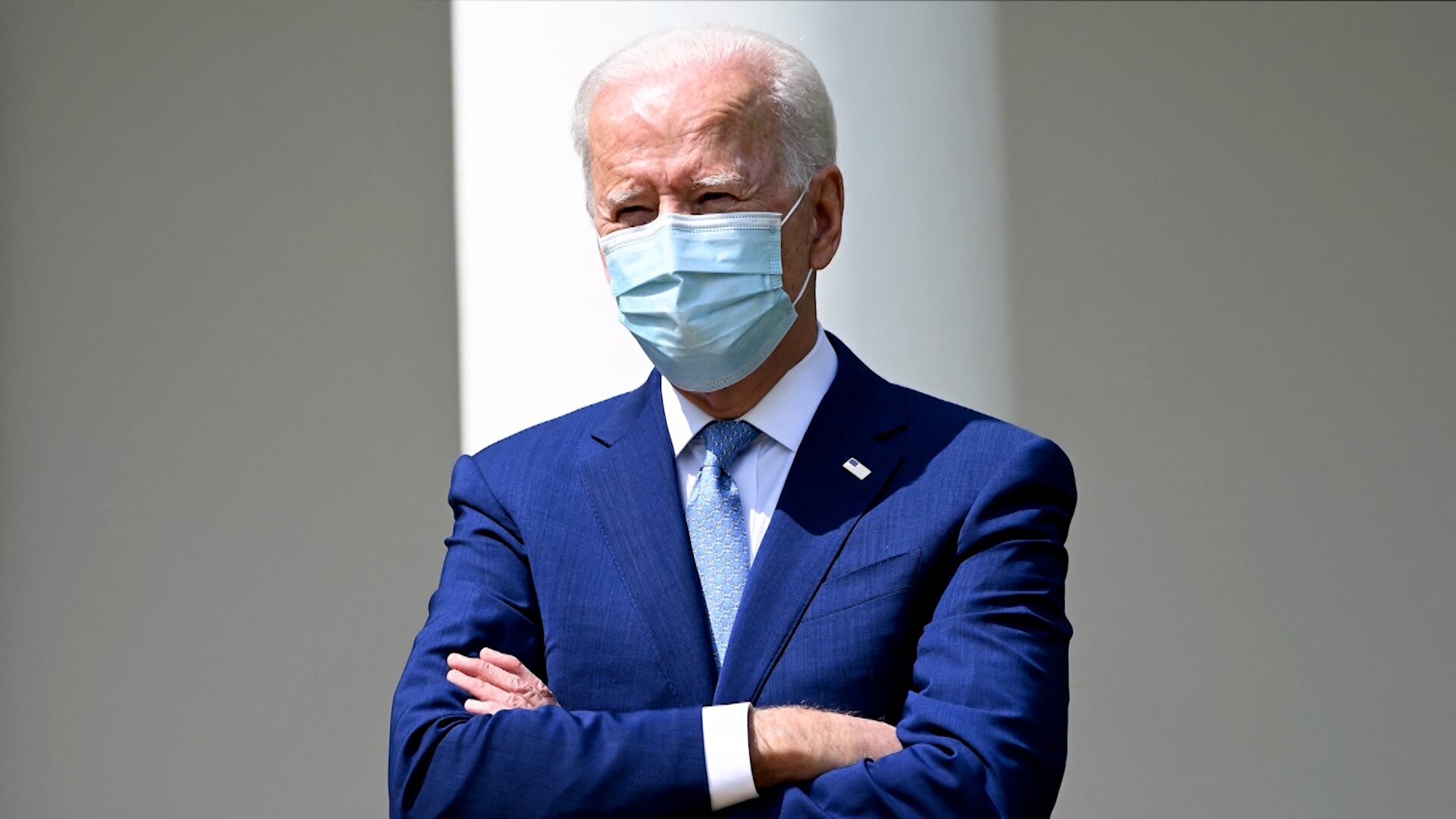
President Joe Biden's first year in office is wrapping up. What has he achieved, and what else remains on the table while the Democrats have control of Washington? Amid an ongoing pandemic and rising inflation, Biden's approval rating is at an all-time low and his party is plagued by infighting. Will he be able to continue pushing key parts of his agenda? Paul Glastris, former Bill Clinton speechwriter & Editor-in-chief of 'Washington Monthly,' joins Cheddar News' Closing Bell to discuss the president's achievements in his first year, where he's fallen short, and what he must do in order to get more of his agenda signed into law.
Tech giants Meta, Amazon, Alphabet, and Apple are faced with a bipartisan antitrust legislation effort underway in the Senate Judiciary Committee. The companies stand accused of promoting their own goods and services over smaller competitors on their platforms, holding too much monopolistic power via their app stores and services. Adam Kovacevich, founder and CEO of Chamber of Progress, a technology industry trade group, joined Cheddar to argue that the bills that are being debated currently could end up hurting consumers, rather than helping.
Concerns over inflation have become one of the biggest worries for executives. A survey from The Conference Board shows that more than 900 CEOs consider inflation a top tier concern, a major shift from last year's survey that had it as a low-level concern. Rebecca Ray, Executive Vice President, Human Capital, The Conference Board joined Cheddar's Opening Bell for more.
Jordan Zakarin, Media Producer at A More Perfect Union, joined Cheddar News to break down the latest from Colorado, where at least 8,700 Kroger employees walked off the job in demand of increased benefits and wages.
With the 2022 Winter Olympics in Beijing rapidly approaching, clouds of controversy continue to swirl around China's treatment of the Uyghur Muslim minority population, its surveillance state, and security for visiting athletes. Phelim Kine, China correspondent for Politico, joined Cheddar to break down the big storylines surrounding the Beijing Games and highlight what he saw as the complete disregard by top corporate sponsors like P&G, Airbnb, Intel, Visa, and Coca-Cola, for the controversies. "They spend $100 million for every Olympics that they sponsor, and they have frankly shown absolute willful indifference to any type of entreaty to essentially be more vocal about their concerns about human rights in China," he said. Kine also touched on the data privacy fears for athletes as visiting contingents are being told to carry burner phones to avoid security risks.
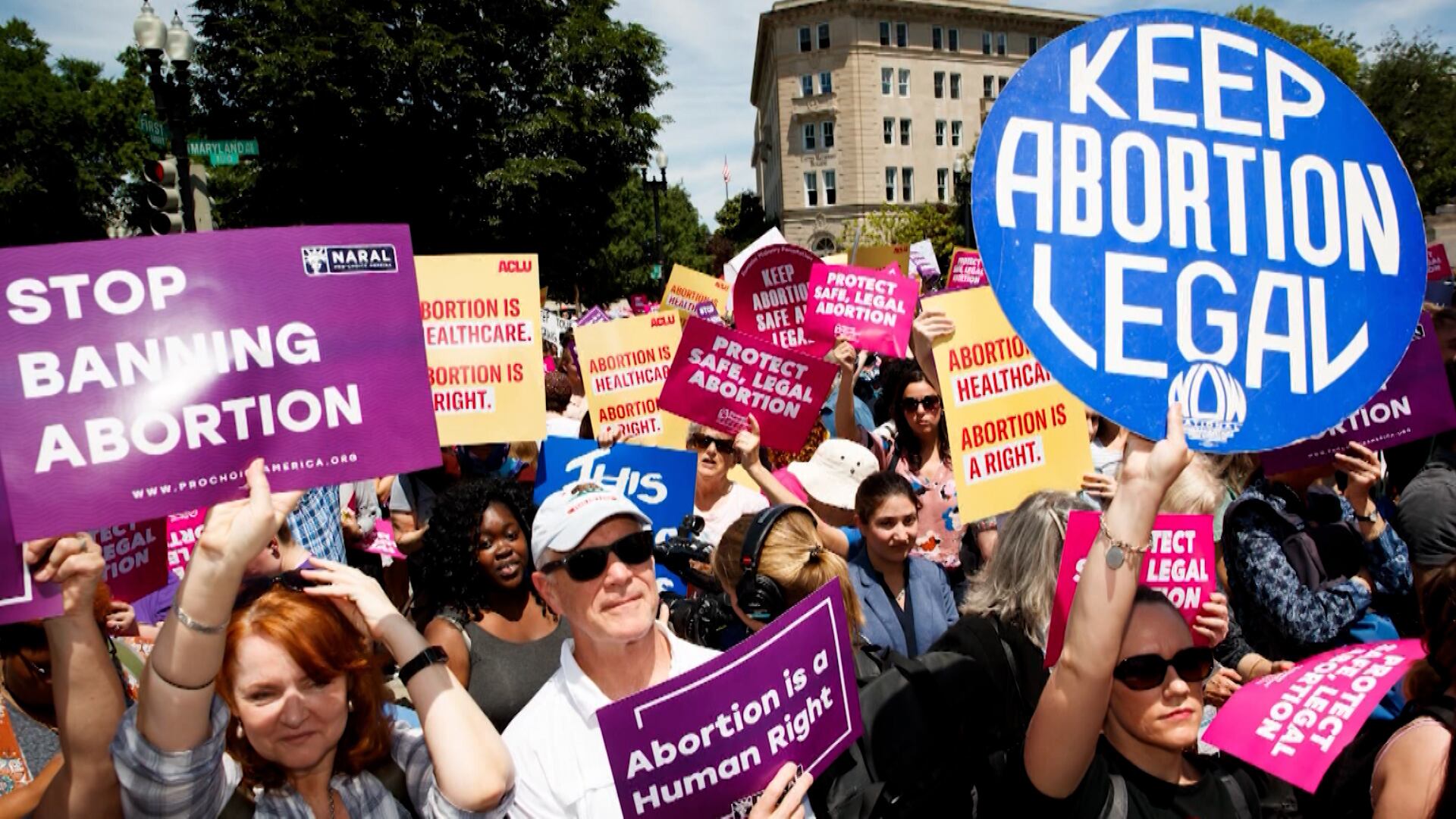
Texas's six-week abortion ban remains in effect after a federal appeals court ruling on Monday. The U.S. court of appeals for the fifth circuit temporarily transferred the case to the Texas Supreme Court, which is expected to leave the dispute in limbo for months to come. Katie Barlow, attorney and media editor of SCOTUSblog, joins Cheddar News to discuss.
Hugh Odom, founder and president of Vertical Consultants, shared his expertise on telecommunications with Cheddar on the safety issue raised about 5G deployment by airlines. The installation was partially delayed again on Tuesday as the airlines warned of potentially catastrophic delays in a letter to the Biden administration. Later, both Verizon and AT&T relented and put a pause on some of the implementations. "The first thing the Biden administration needs to do is get everybody in the room and say, look, aviation industry, identify the problem — wireless industry, come up with a solution," said Odom.
Dave Levinthal, deputy Washington Bureau chief at Insider, joins Cheddar News to discuss Gallup's new survey that reveals more Americans leaned Republican by the end of 2021.