By Carla K. Johnson
Here we go again: COVID-19 hospital admissions have inched upward in the United States since early July in a small-scale echo of the three previous summers.
With an updated vaccine still months away, this summer bump in new hospitalizations might be concerning, but the number of patients is far lower than before. A look at what we know:
HOW BAD IS THE SPIKE?
For the week ending July 29, COVID-19 hospital admissions were at 9,056. That's an increase of about 12% from the previous week.
But it's a far cry from past peaks, like the 44,000 weekly hospital admissions in early January, the nearly 45,000 in late July 2022, or the 150,000 admissions during the omicron surge of January 2022.
“It is ticking up a little bit, but it’s not something that we need to raise any alarm bells over,” said Dr. David Dowdy, an infectious disease epidemiologist at Johns Hopkins Bloomberg School of Public Health.
It’s likely that infections are rising too, but the data is scant. Federal authorities ended the public health emergency in May, so the Centers for Disease Control and Prevention and many states no longer track the number of positive test results.
WHAT ABOUT DEATHS?
Since early June, about 500 to 600 people have died each week. The number of deaths appears to be stable this summer, although past increases in deaths have lagged behind hospitalizations.
HOW ARE WE TRACKING THE VIRUS?
The amount of the COVID-19 virus in sewage water has been rising since late June across the nation. In the coming weeks, health officials say they'll keep a close eye on wastewater levels as people return from summer travel and students go back to school.
Higher levels of COVID-19 in wastewater concentrations are being found in the Northeast and South, said Cristin Young, an epidemiologist at Biobot Analytics, the CDC's wastewater surveillance contractor.
“It’s important to remember right now the concentrations are still fairly low,” Young said, adding it's about 2.5 times lower than last summer.
And while one version of omicron — EG.5 — is appearing more frequently, no particular variant of the virus is dominant. The variant has been dubbed “eris” but it’s an unofficial nickname and scientists aren’t using it.
“There are a couple that we’re watching, but we’re not seeing anything like delta or omicron,” Young said, referencing variants that fueled previous surges.
And mutations in the virus don't necessarily make it more dangerous.
“Just because we have a new subvariant doesn’t mean that we are destined to have an increase in bad outcomes," Dowdy said.
WHEN IS THE NEW VACCINE COMING?
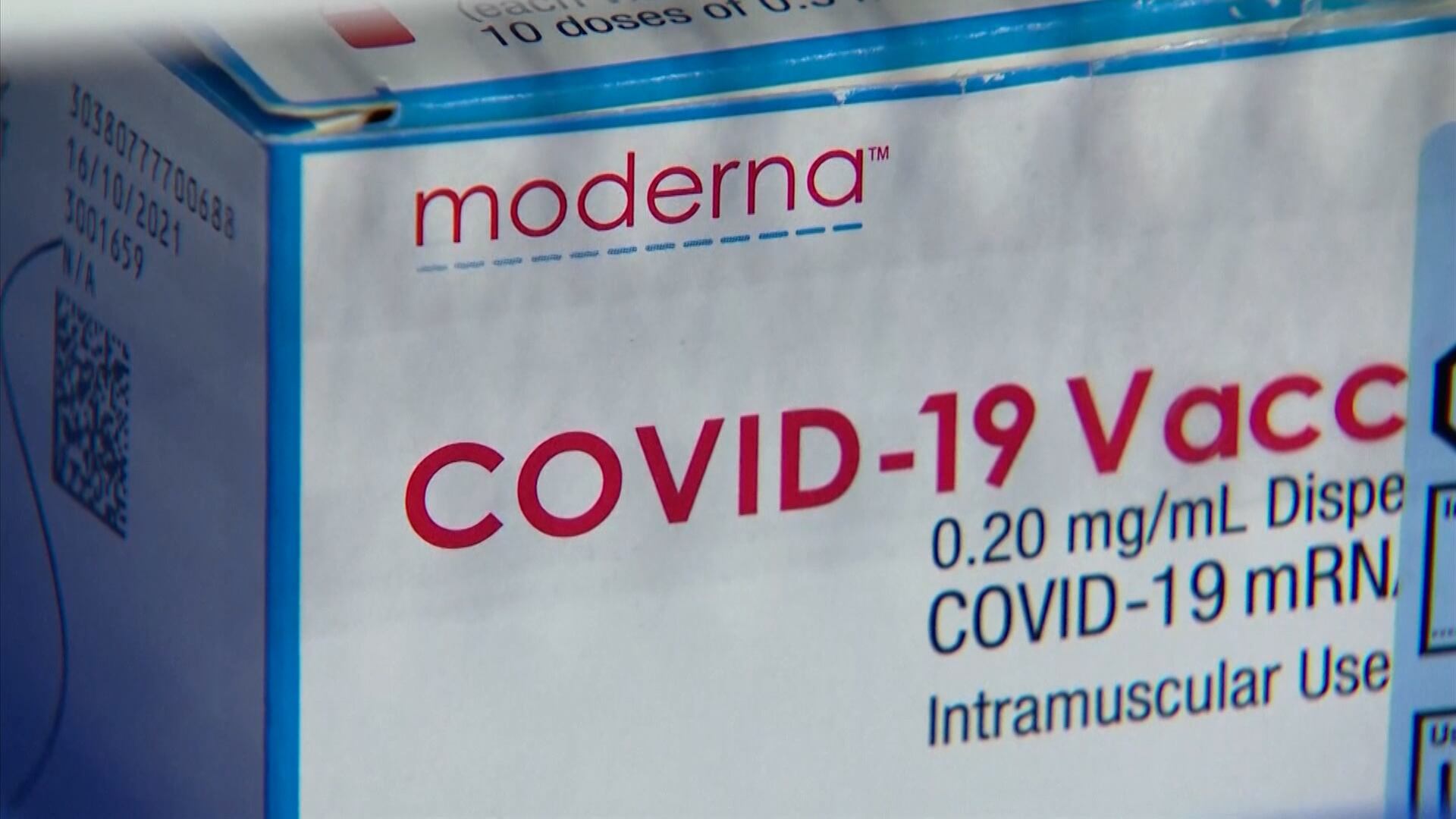
This fall, officials expect to see updated COVID-19 vaccines that contain one version of the omicron strain, called XBB.1.5. It’s an important change from today’s combination shots, which mix the original coronavirus strain with last year’s most common omicron variants.
It's not clear exactly when people can start rolling up their sleeves for what officials hope is an annual fall COVID-19 shot. Pfizer, Moderna and smaller manufacturer Novavax all are brewing doses of the XBB update but the Food and Drug Administration will have to sign off on each, and the CDC must then issue recommendations for their use.
Dr. Mandy Cohen, the new CDC director, said she expects people will get their COVID-19 shots where they get their flu shots — at pharmacies and at work — rather than at dedicated locations that were set up early in the pandemic as part of the emergency response.
“This is going to be our first fall and winter season coming out of the public health emergency, and I think we are all recognizing that we are living with COVID, flu, and RSV," Cohen told The Associated Press last week. “But the good news is we have more tools than ever before.”
AP Medical Writers Lauran Neergaard and Mike Stobbe contributed to this report.
The Associated Press Health and Science Department receives support from the Howard Hughes Medical Institute’s Science and Educational Media Group. The AP is solely responsible for all content.