By Maryclaire Dale

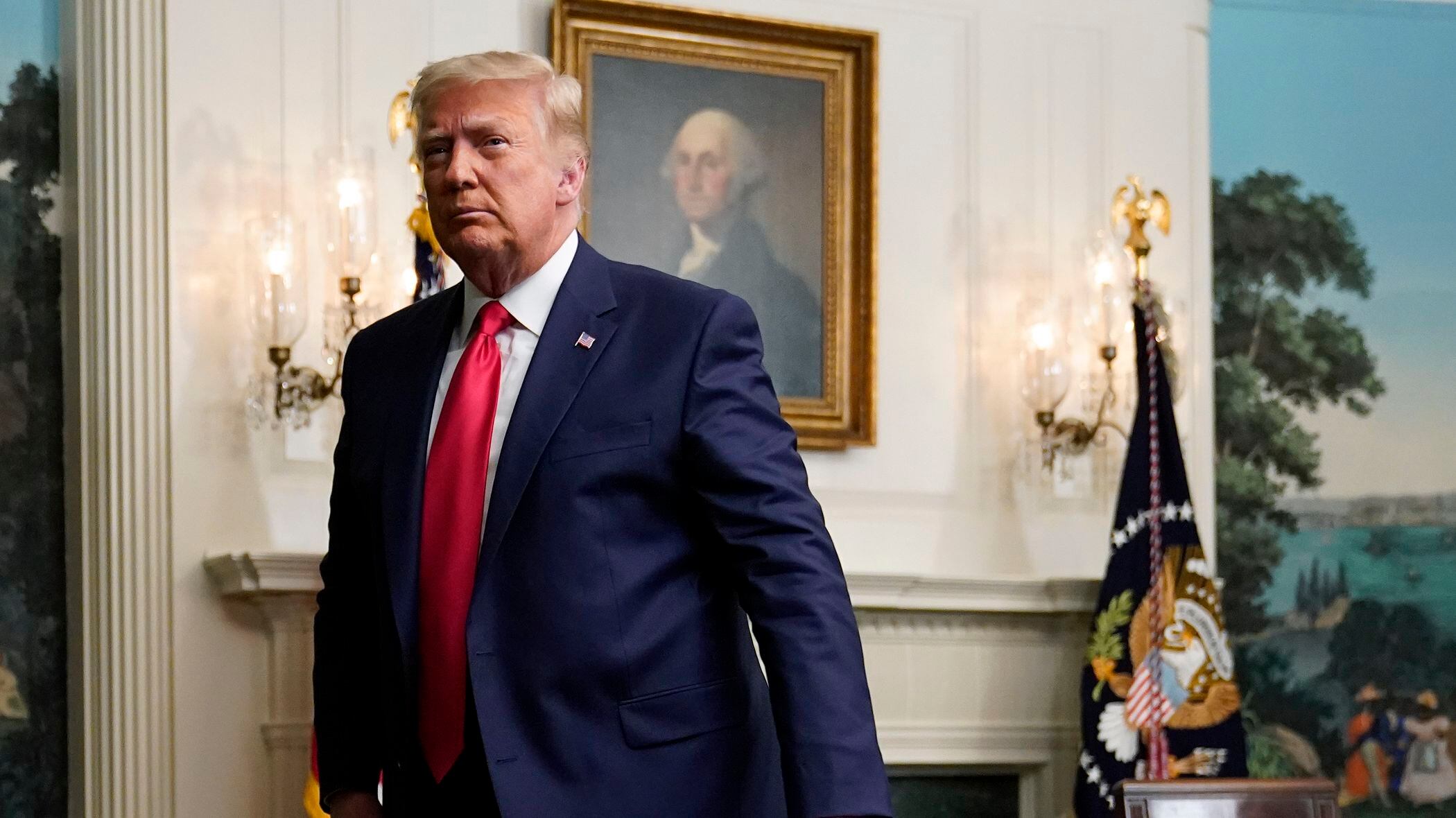
President Donald Trump’s legal team suffered yet another defeat in court Friday as a federal appeals court in Philadelphia roundly rejected the campaign's latest effort to challenge the state’s election results.

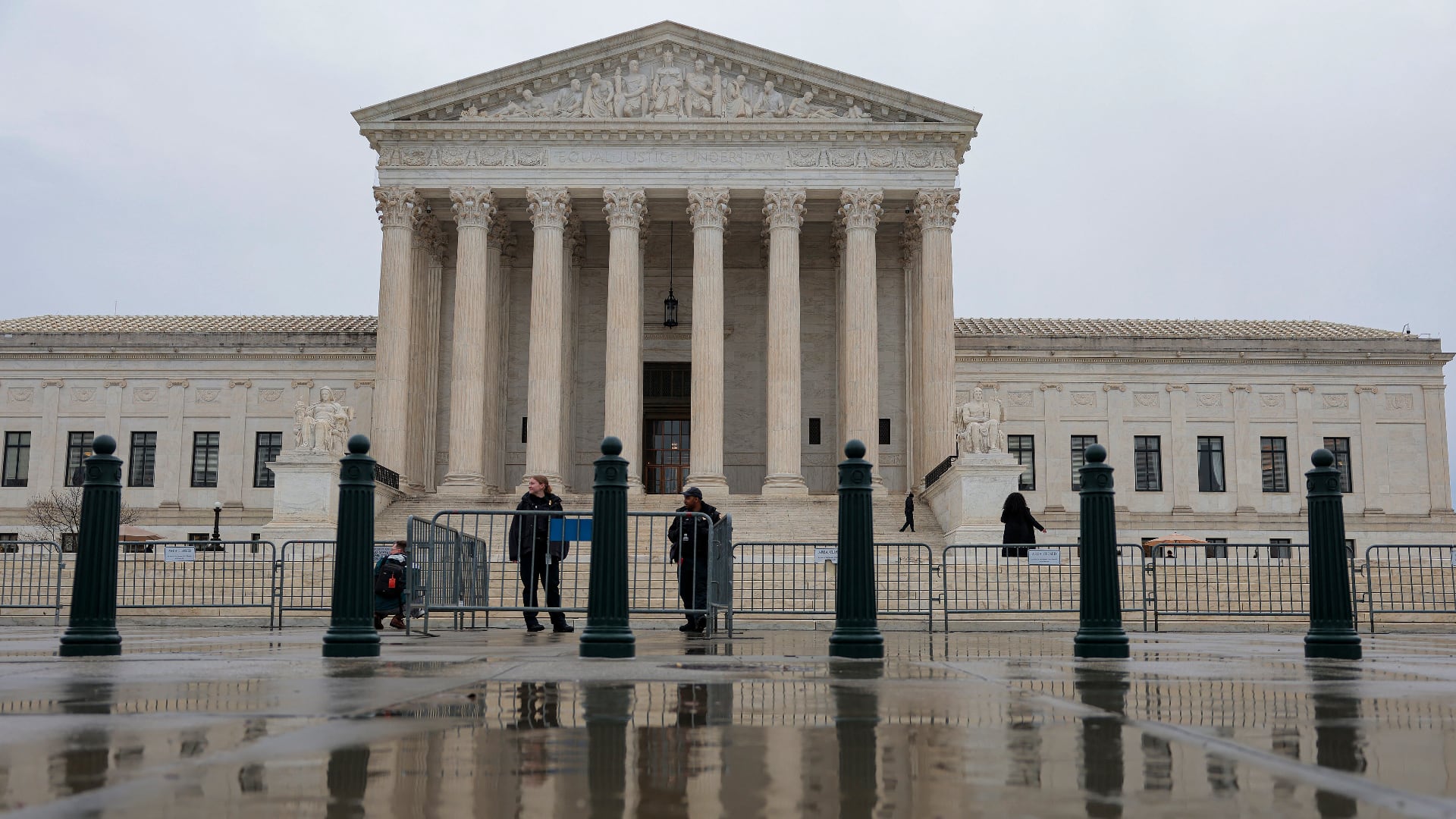
Trump’s lawyers vowed to appeal to the Supreme Court despite the judges' assessment that the “campaign’s claims have no merit.”

“Free, fair elections are the lifeblood of our democracy. Charges of unfairness are serious. But calling an election unfair does not make it so. Charges require specific allegations and then proof. We have neither here,” 3rd Circuit Judge Stephanos Bibas wrote for the three-judge panel.

The case had been argued last week in a lower court by Trump lawyer Rudy Giuliani, who insisted during five hours of oral arguments that the 2020 presidential election had been marred by widespread fraud in Pennsylvania. However, Giuliani failed to offer any tangible proof of that in court.

U.S. District Judge Matthew Brann had said the campaign's error-filled complaint, “like Frankenstein’s Monster, has been haphazardly stitched together” and denied Giuliani the right to amend it for a second time.

The 3rd U.S. Circuit Court of Appeals called that decision justified. The three judges on the panel were all appointed by Republican presidents. including Bibas, a former University of Pennsylvania law professor appointed by Trump. Trump’s sister, Judge Maryanne Trump Barry, sat on the court for 20 years, retiring in 2019.

“Voters, not lawyers, choose the president. Ballots, not briefs, decide elections,” Bibas said in the opinion, which also denied the campaign's request to stop the state from certifying its results, a demand he called “breathtaking.”

In fact, Pennsylvania officials had certified their vote count Monday for President-elect Joe Biden, who defeated Trump by more than 80,000 votes in the state. Nationally, Biden and running mate Kamala Harris garnered nearly 80 million votes, a record in U.S. presidential elections.

Trump has said he hopes the Supreme Court will intervene in the race as it did in 2000 when its decision to stop the recount in Florida gave the election to Republican George W. Bush. On Nov. 5, as the vote count continued, Trump posted a tweet saying the “U.S. Supreme Court should decide!”

Ever since, Trump and his surrogates have attacked the election as flawed and filed a flurry of lawsuits to try to block the results in six battleground states. But they’ve found little sympathy from judges, nearly all of whom dismissed their complaints about the security of mail-in ballots, which millions of people used to vote from home during the COVID-19 pandemic.

Trump perhaps hopes a Supreme Court he helped steer toward a conservative 6-3 majority would be more open to his pleas, especially since the high court upheld Pennsylvania’s decision to accept mail-in ballots through Nov. 6 by only a 4-4 vote last month. Since then, Trump nominee Amy Coney Barrett has joined the court.

“The activist judicial machinery in Pennsylvania continues to cover up the allegations of massive fraud,” Trump lawyer Jenna Ellis tweeted after Friday's ruling. “On to SCOTUS!”

In the case before Brann, the Trump campaign asked to disenfranchise the state’s 6.8 million voters, or at least the 700,000 who voted by mail in Philadelphia, Pittsburgh, and other Democratic-leaning areas.

“One might expect that when seeking such a startling outcome, a plaintiff would come formidably armed with compelling legal arguments and factual proof of rampant corruption,” Brann wrote in his scathing ruling on Nov. 21. “That has not happened.”

A separate Republican challenge that reached the Pennsylvania Supreme Court this week seeks to stop the state from further certifying any races on the ballot. Democratic Gov. Tom Wolf’s administration is fighting that effort, saying it would prevent the state’s legislature and congressional delegation from being seated in the coming weeks.

On Thursday, Trump said the Nov. 3 election was still far from over. Yet he offered the clearest signal to date that he would leave the White House peaceably on Jan. 20 if the Electoral College formalizes Biden’s win.

“Certainly I will. But you know that,” Trump said at the White House, taking questions from reporters for the first time since Election Day.

On Friday, however, he continued to baselessly attack Detroit, Atlanta and other Democratic cities with large Black populations as the source of “massive voter fraud.” And he claimed, without evidence, that a Pennsylvania poll watcher had uncovered computer memory drives that “gave Biden 50,000 votes” apiece.

All 50 states must certify their results before the Electoral College meets on Dec. 14, and any challenge to the results must be resolved by Dec. 8. Biden won both the Electoral College and popular vote by wide margins.

Updated on November 27, 2020, at 2:41 p.m. ET with the latest information.
Share:
More In Politics
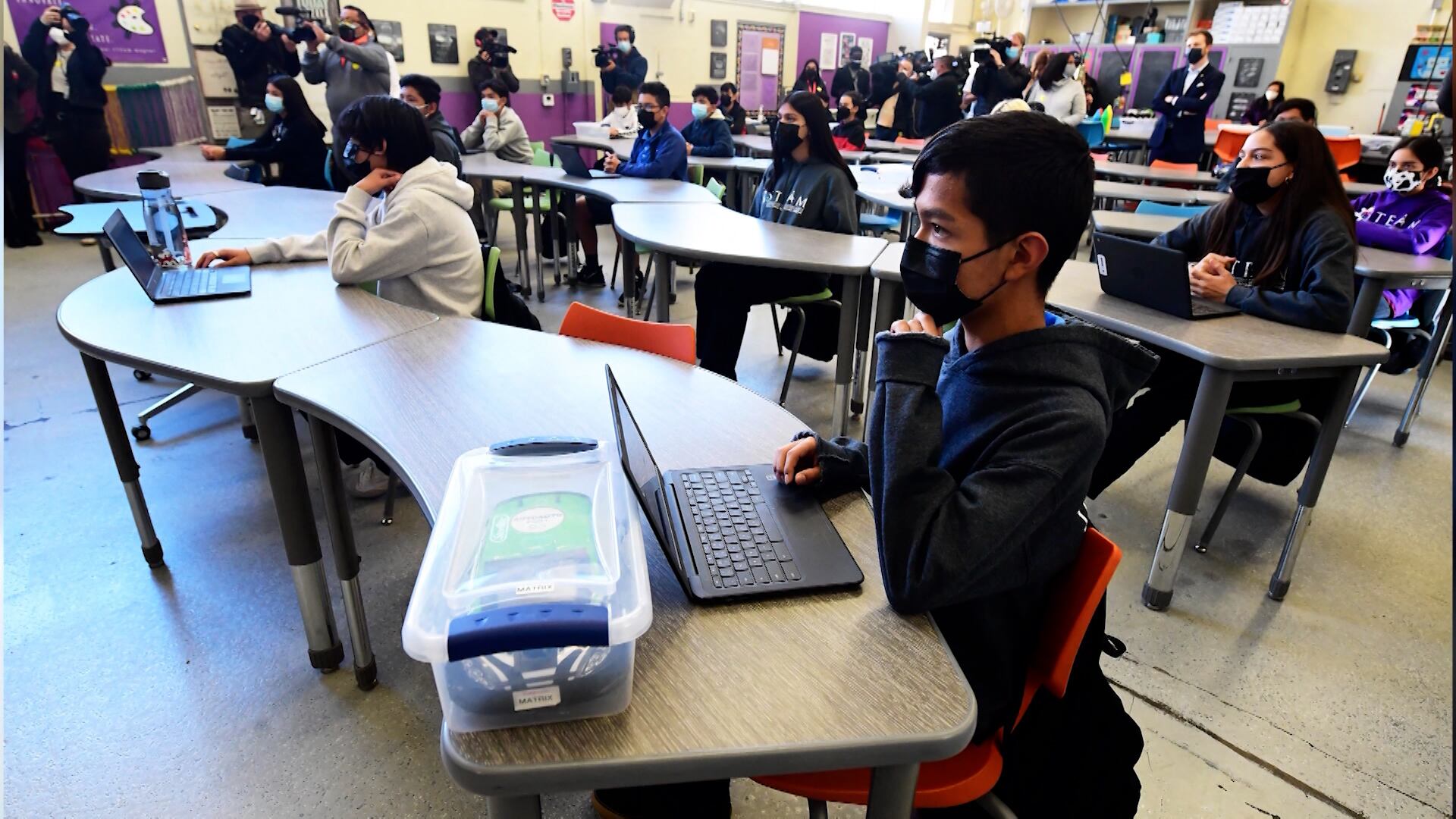
States Turn to Unusual Solutions as Schools Face Staffing Shortages
With an increasing number of teachers and staff calling out sick by the day, the state of Oklahoma is turning to an unusual solution. Republican Governor Kevin Stitt has issued an executive order that permits state employees to work as substitute teachers. Shaily Baranwal, founder and CEO of Elevate K-12, joins Cheddar News to discuss.
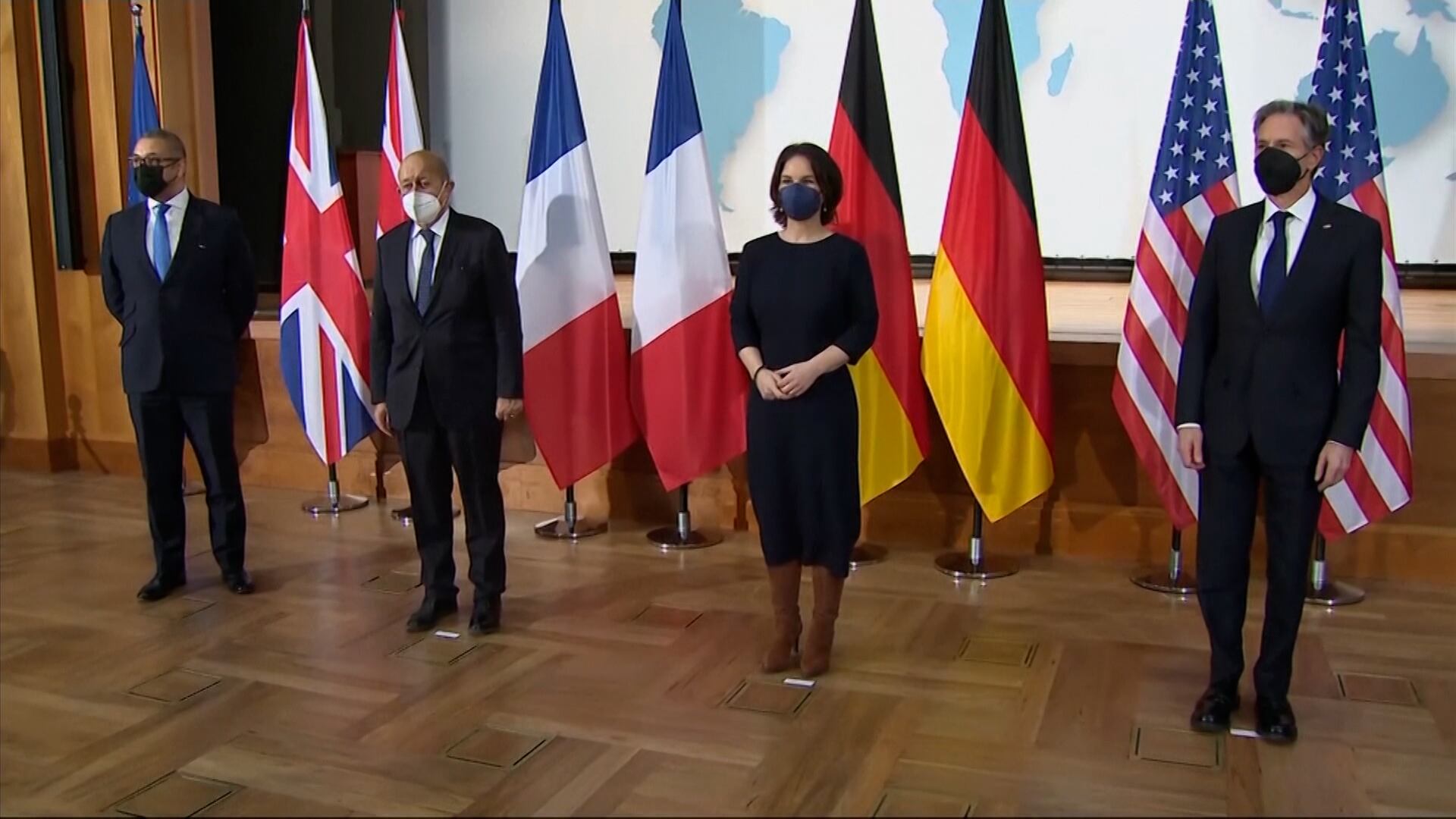
Possible Cracks Between U.S. and Allies on Issue of Ukraine and Russia
On Thursday, Secretary of State Antony Blinken addressed the stance of the U.S. and its allies should Russia make any forays into Ukraine, a seeming response to President Biden's remarks that should Putin engage in something short of a full invasion, there might be some indecision among allied nations regarding what to do. Ariel Cohen, a senior fellow at the think tank Atlantic Council, joined Cheddar to discuss the difficulty faced by Blinken wrangling unity as tensions run high in the region. "There'll be a smaller incursion, and the president implied, there'll be a weaker response because our European allies have created this horrible situation where they are dependent on Moscow for their gas supply," Cohen explained.
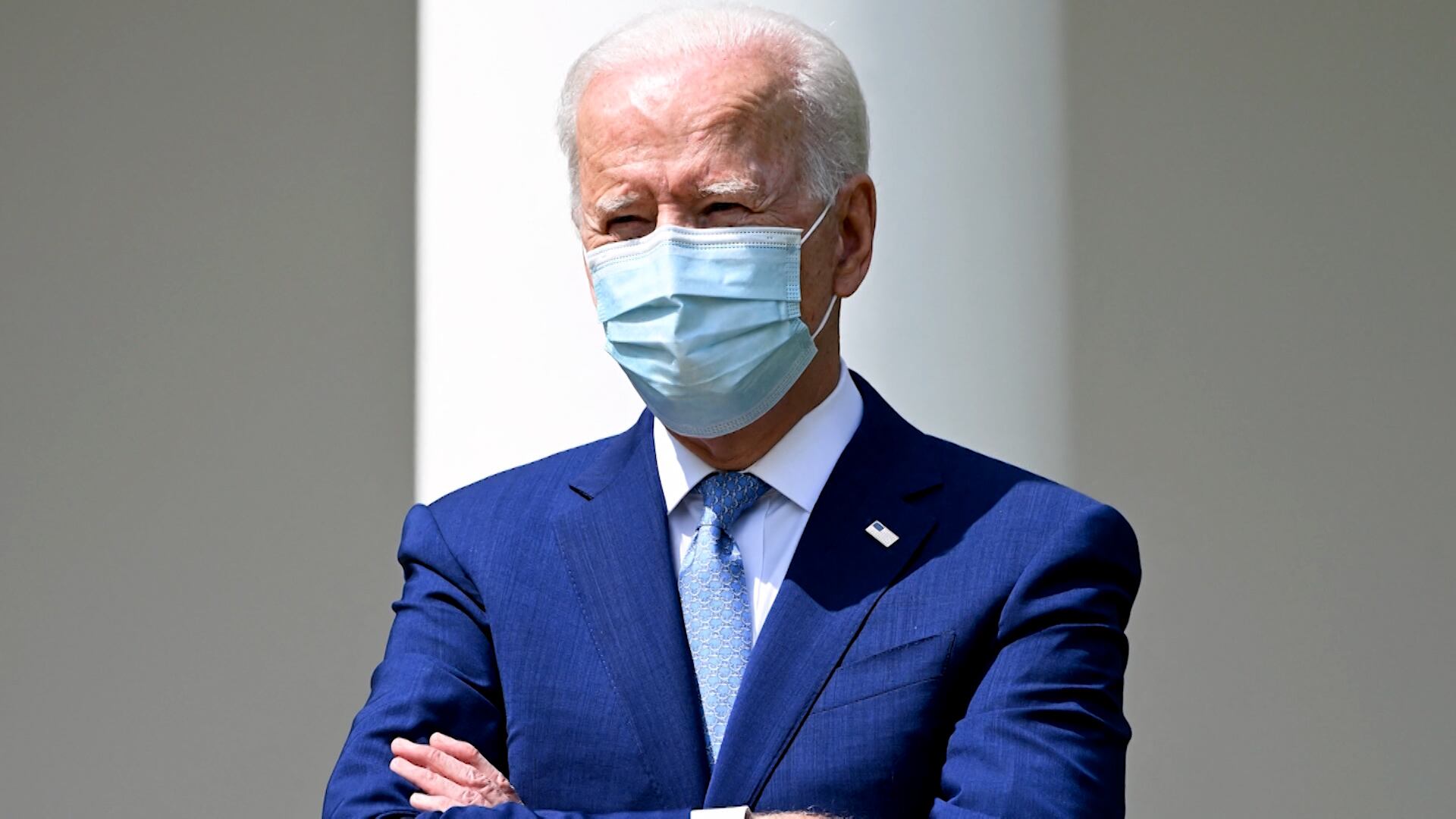
Biden Approval Rating Tanking at One-Year Mark Over Issues Like Inflation
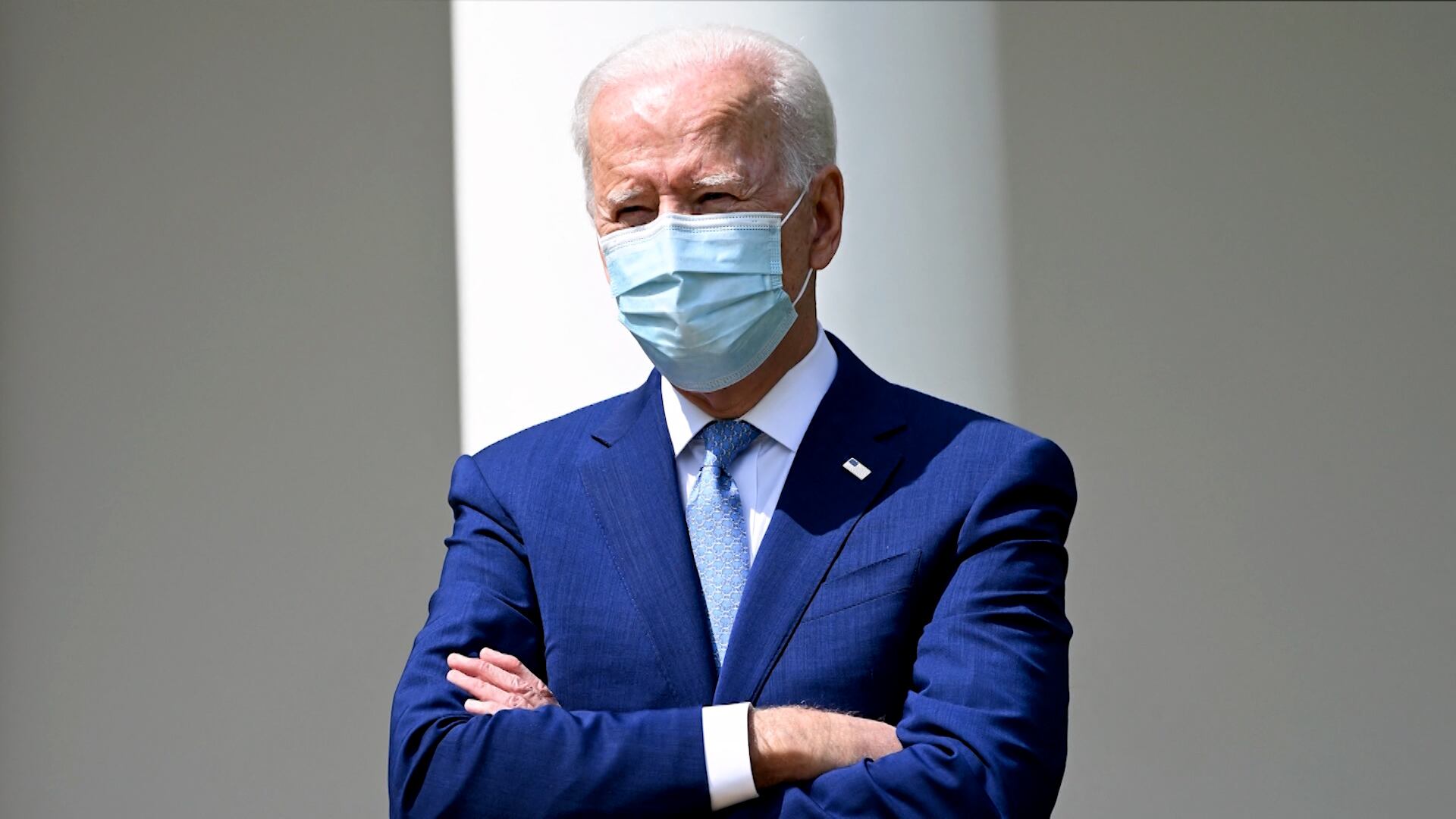
During a nearly two-hour press conference on Wednesday, President Biden spoke on his accomplishments and challenges from the first year of his presidency, and what his administration hopes to accomplish in the coming year. However, his approval ratings are underwater as COVID remains a big concern for voters — as does inflation, noted Tom Bevan, co-founder and president of polling aggregator RealClearPolitics. "The public thinks [inflation] is priority number one, and the administration is concerned about it, they talk about it, but they're not spending enough time on it as far as the public is concerned," said Bevan.
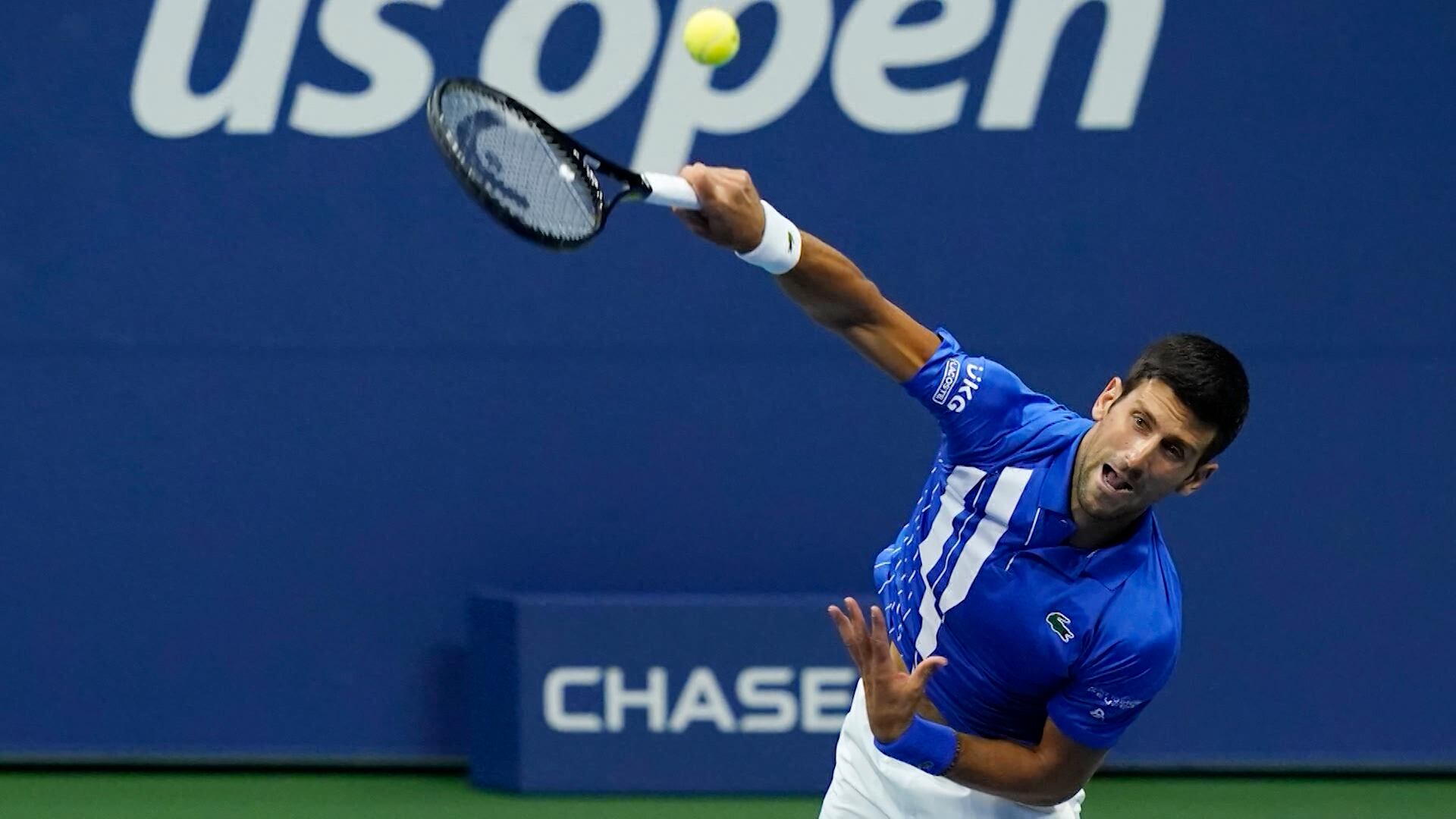
Behind Australian Judges Ruling for Allowing Novak Djokovic Deportation
The drama surrounding tennis star Novak Djokovic continues after he was deported from Australia over the weekend due to the nation's COVID-19 vaccine requirements. Djokovic was forced to leave the country on the eve of what was to be his first match in defense of his Australian Open title after three judges ruled in favor of his removal and revealed their reasoning for doing so. Adding to his woes, a law recently passed in France is putting his chances of defending his French Open title in jeopardy. The director of Marist's Center for Sports Communication, Jane McManus, joined Cheddar to discuss the ongoing fallout.
Louisiana Senate Candidate on Smoking Weed in His Campaign Ad
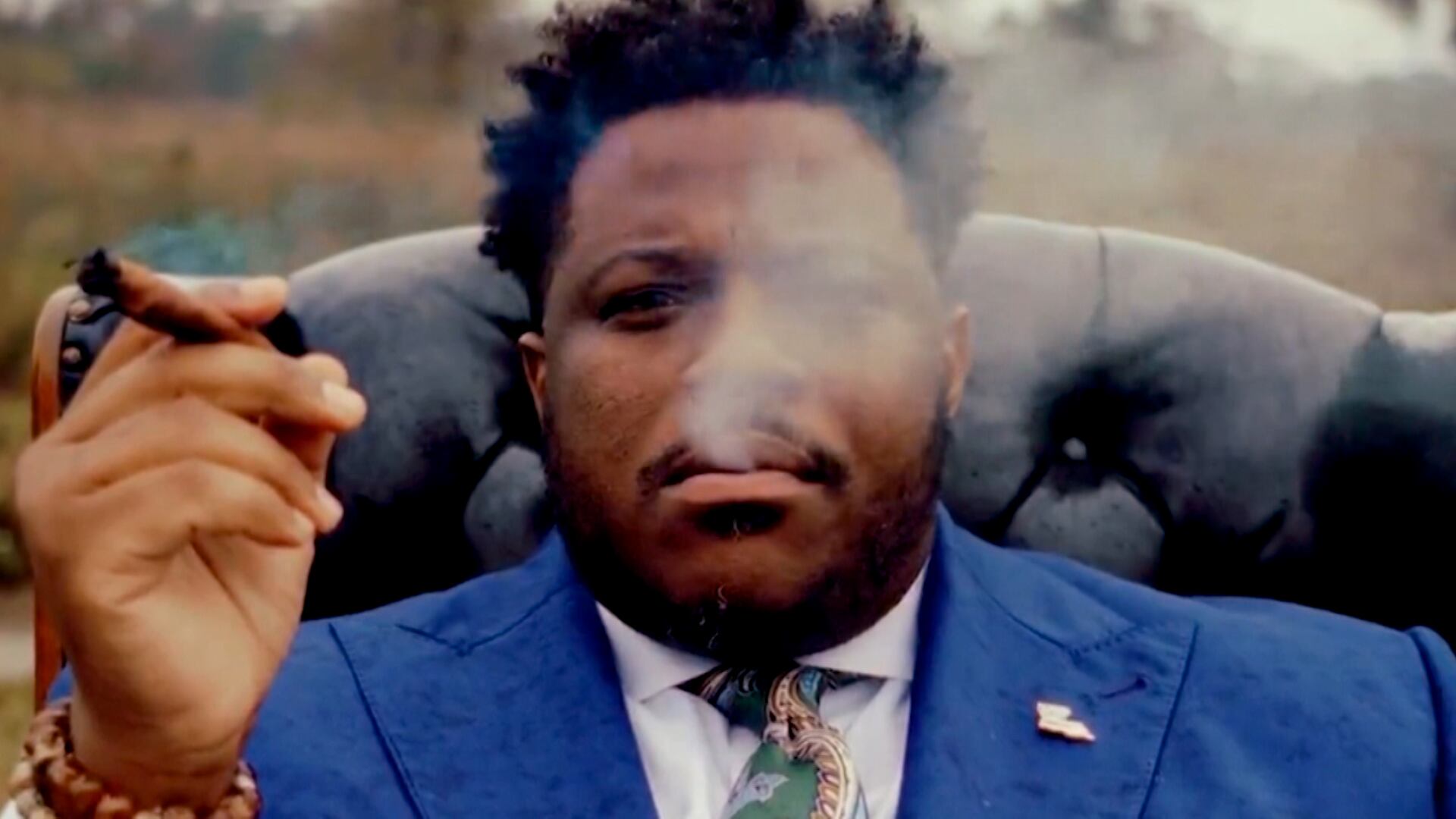
As the midterm elections get ever closer, candidates have been getting creative with their campaigns to stick out and to connect with voters. Gary Chambers, a Democratic candidate for the U.S. Senate from Louisiana, has definitely attracted attention with an advertisement featuring him smoking a blunt, making a point about the inequity of anti-cannabis laws. "We wanted to bring the seriousness of the moment," he said of the ad. "But we also wanted to make sure that people understand that there are 19 states that are legal right now but Black people and brown people are being over-incarcerated in mostly Southern and Midwestern states in America for cannabis possession."
TLDR Act Provides the 'TLDR' on Sites' Terms of Service
If some members of Congress have their way, there might finally be a 'TLDR' on sites' terms of service, introduced by the terms-of-service labeling, design, and readability act – or TLDR for short. With this act, users will actually understand what they're agreeing to or the many ways in which their data is being used before pressing 'accept.' J.D. sat down with co-sponsor of the bill and Senator Bill Cassidy, to discuss.
All Eyes on Biden: Amid Inflation, Pandemic, How Can President Push Agenda While His Party Controls Washington?
President Joe Biden's first year in office is wrapping up. What has he achieved, and what else remains on the table while the Democrats have control of Washington? Amid an ongoing pandemic and rising inflation, Biden's approval rating is at an all-time low and his party is plagued by infighting. Will he be able to continue pushing key parts of his agenda? Paul Glastris, former Bill Clinton speechwriter & Editor-in-chief of 'Washington Monthly,' joins Cheddar News' Closing Bell to discuss the president's achievements in his first year, where he's fallen short, and what he must do in order to get more of his agenda signed into law.
Senate Bills to Reign in Big Tech Anticompetitive Practices Could Hurt Consumers
Tech giants Meta, Amazon, Alphabet, and Apple are faced with a bipartisan antitrust legislation effort underway in the Senate Judiciary Committee. The companies stand accused of promoting their own goods and services over smaller competitors on their platforms, holding too much monopolistic power via their app stores and services. Adam Kovacevich, founder and CEO of Chamber of Progress, a technology industry trade group, joined Cheddar to argue that the bills that are being debated currently could end up hurting consumers, rather than helping.
Load More