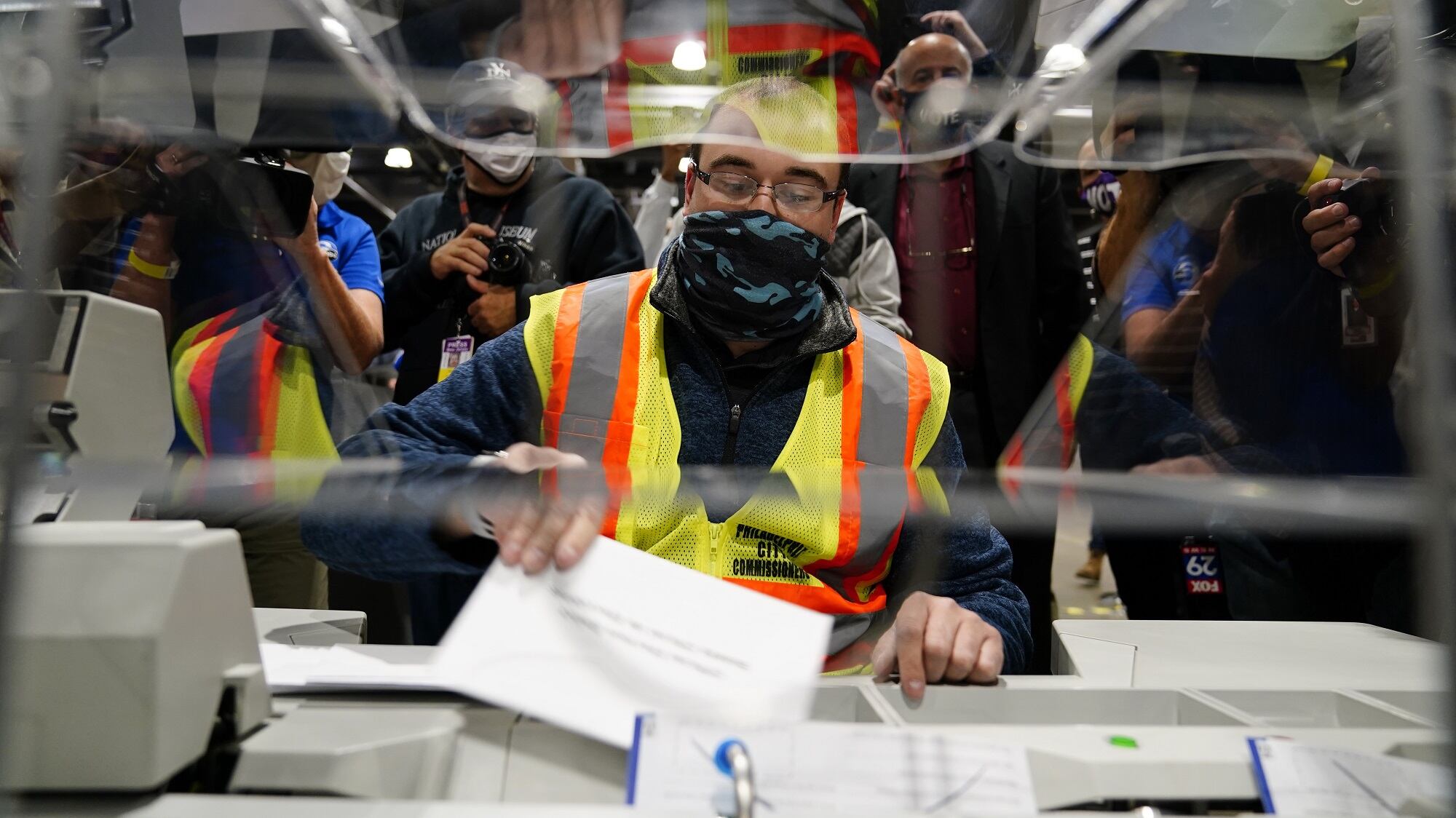
John Hansberry, with the Philadelphia City Commissioners office, demonstrates an extraction machine at the city's mail-in ballot sorting and counting center in preparation for the 2020 General Election in the United States, Monday, Oct. 26, 2020, in Philadelphia. (AP Photo/Matt Slocum)
HOW WILL VARIOUS BALLOTS BE COUNTED, AND WHAT RESULTS WILL BE KNOWN ON ELECTION NIGHT?
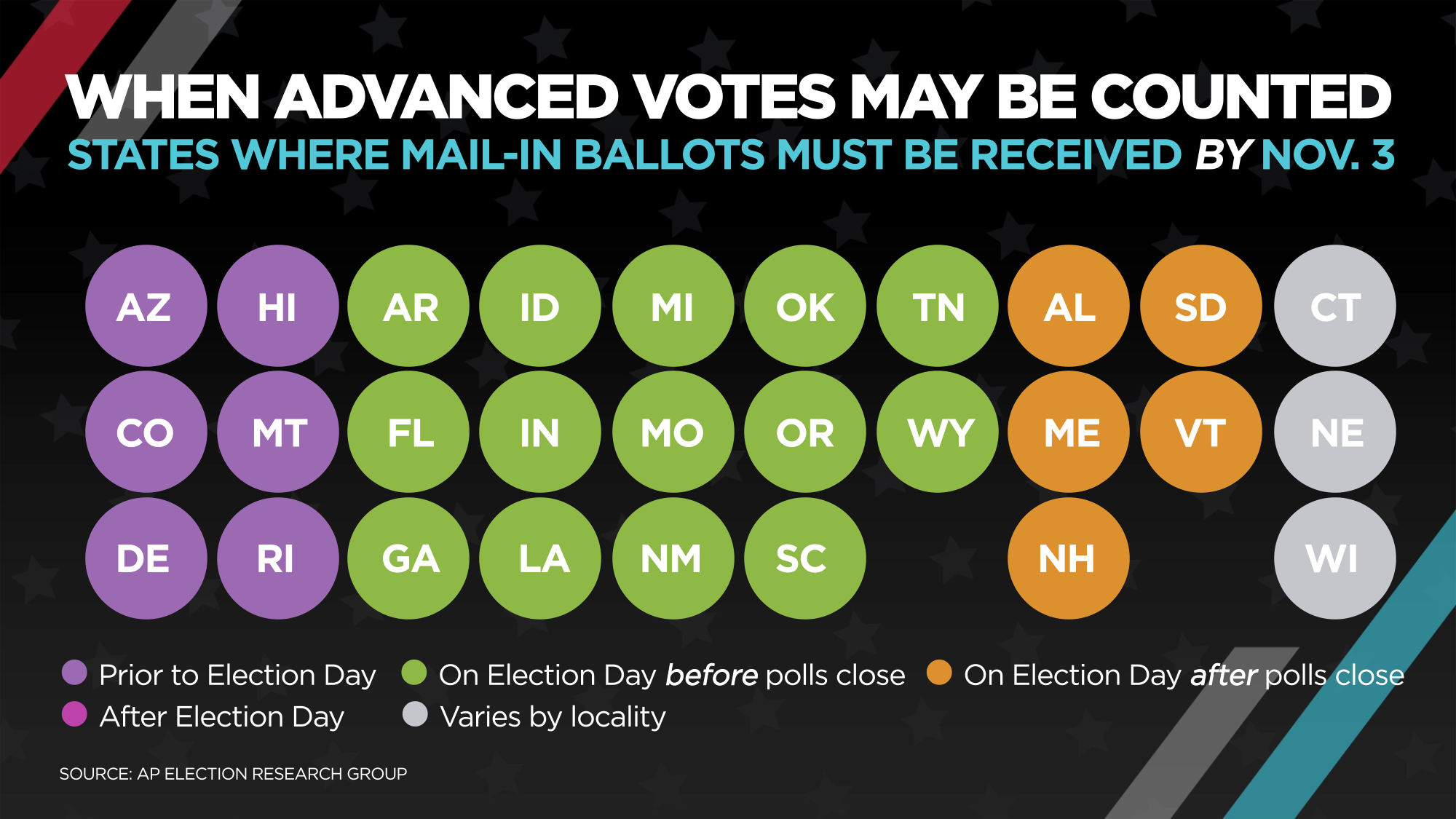
Millions of Americans have already voted, but each state has different rules on when it's allowed to actually start counting those ballots. That is going to produce results coming in at very different times — perhaps days or even weeks after Election Day.
In some places, election officials can begin processing ballots weeks before Election Day. That means workers can start verifying voter information while also removing ballots from their envelopes to physically get them ready for tabulation. Doing so readies ballots for counting on Election Day and will speed up the release of results.
But it's not that simple.
In some of the most critical battleground states, laws prevent the early processing of ballots. So on Nov. 3, Election Day, officials will have to run an in-person election while also working through the unprecedented number of mail-in votes. This dynamic is likely to delay results and heighten the potential for big shifts if in-person vote tallies are upended by the counting of mail-in ballots.
President Donald Trump has repeatedly warned of voting fraud without offering any evidence. Because of that, there are concerns that he will use delays in vote-counting to declare results illegitimate. While results might come in later than usual this year, that's because of a change in how people are voting, not malfeasance or fraud.
Here is another wrinkle: Nationwide delivery delays at the U.S. Postal Service are sparking fears that ballots might not arrive in time to be counted. Republicans, including Trump's campaign, have been filing lawsuits to stop election officials from counting ballots that are delivered after Election Day.
For example: As of right now in Pennsylvania, votes that arrive by mail three days after Nov. 3 will be counted, after an intense legal battle that went all the way to the U.S. Supreme Court last week. Republicans have filed another suit against the extension. Also, Pennsylvania doesn’t allow early processing of mail-in ballots, further complicating matters.
In Michigan, another hotly contested state, an appeals court has struck down a 14-day ballot-counting extension, leading the state's top election official to urge voters to drop off their ballots in person rather than use the Postal Service. Courts have also nixed similar extensions in Wisconsin and Indiana.
This story is part of a series dedicated to answering commonly asked questions from AP's audience about the 2020 U.S. presidential election.
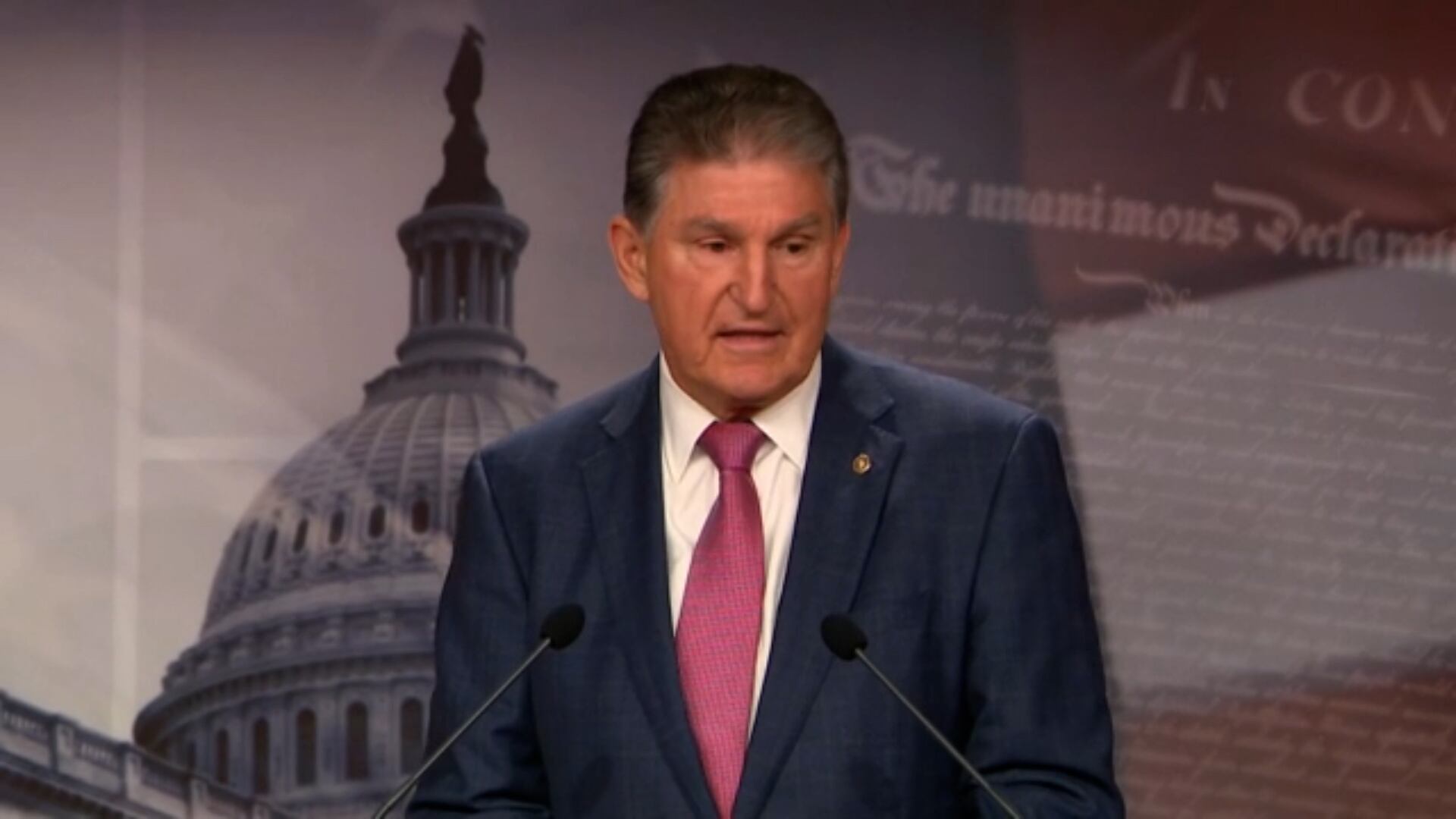
Democrats are hoping to pass the Build Back Better Infrastructure Bill this week, but fellow Democrat Senator Joe Manchin has proven to be a steady fast hold out, stating that he will not support a multi-trillion dollar bill without greater clarity. U.S. News and World Reports Political Reporter Lisa Hagen joined Cheddar to discuss the future of the bill.
Carlo and Baker discuss the election results across the country, including a Republican comeback in Virginia -- and possibly NJ -- plus the CDC gives the go-ahead for child vaccinations, Atlanta wins the World Series and more.
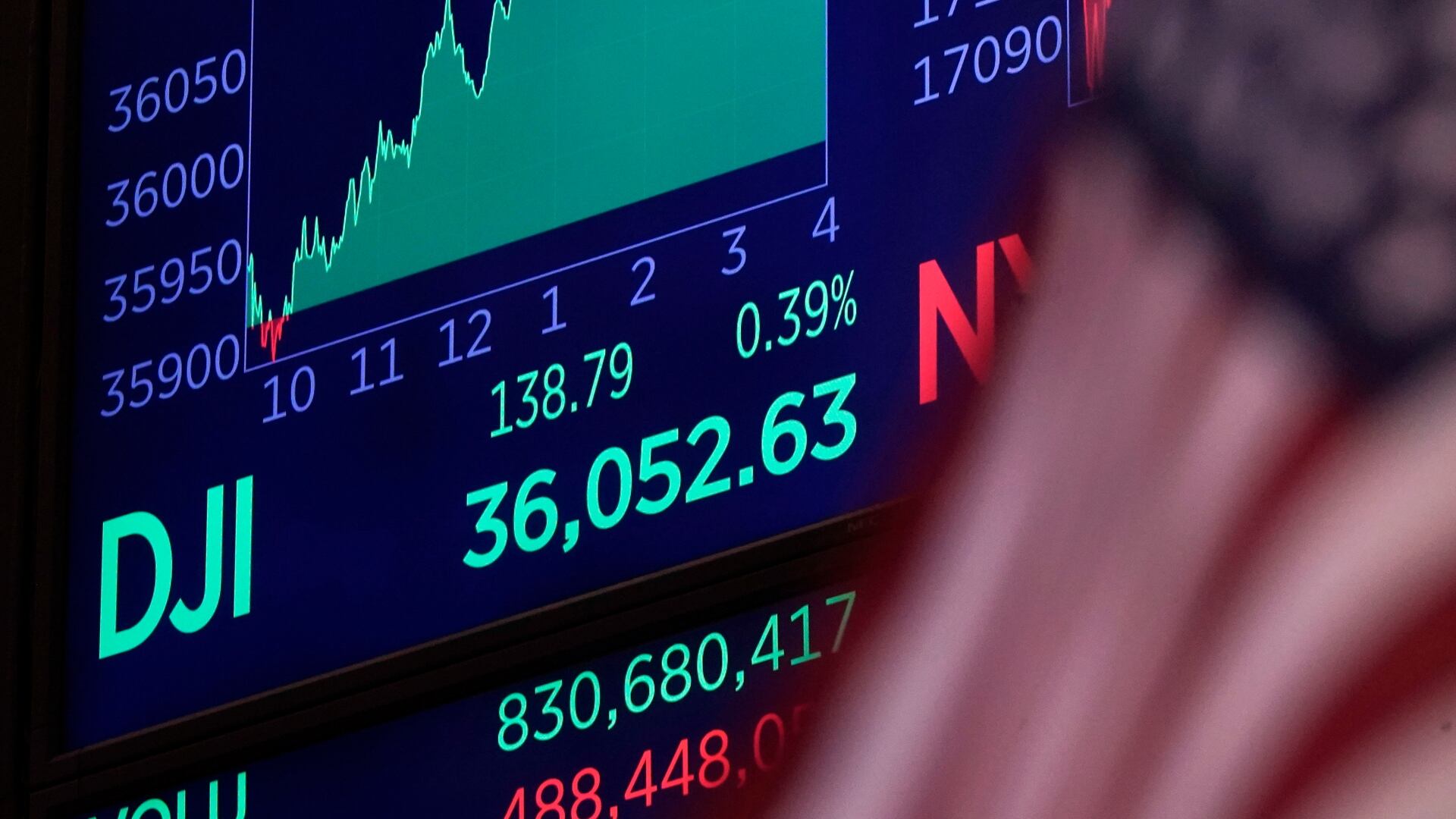
David Wagner, Portfolio Manager at Aptus Capital Advisors, joins Cheddar News' Closing Bell, where he explains why we continue to see record closes from the Dow, S&P, and Nasdaq, and breaks down figures from Lyft's Q3 earnings report.
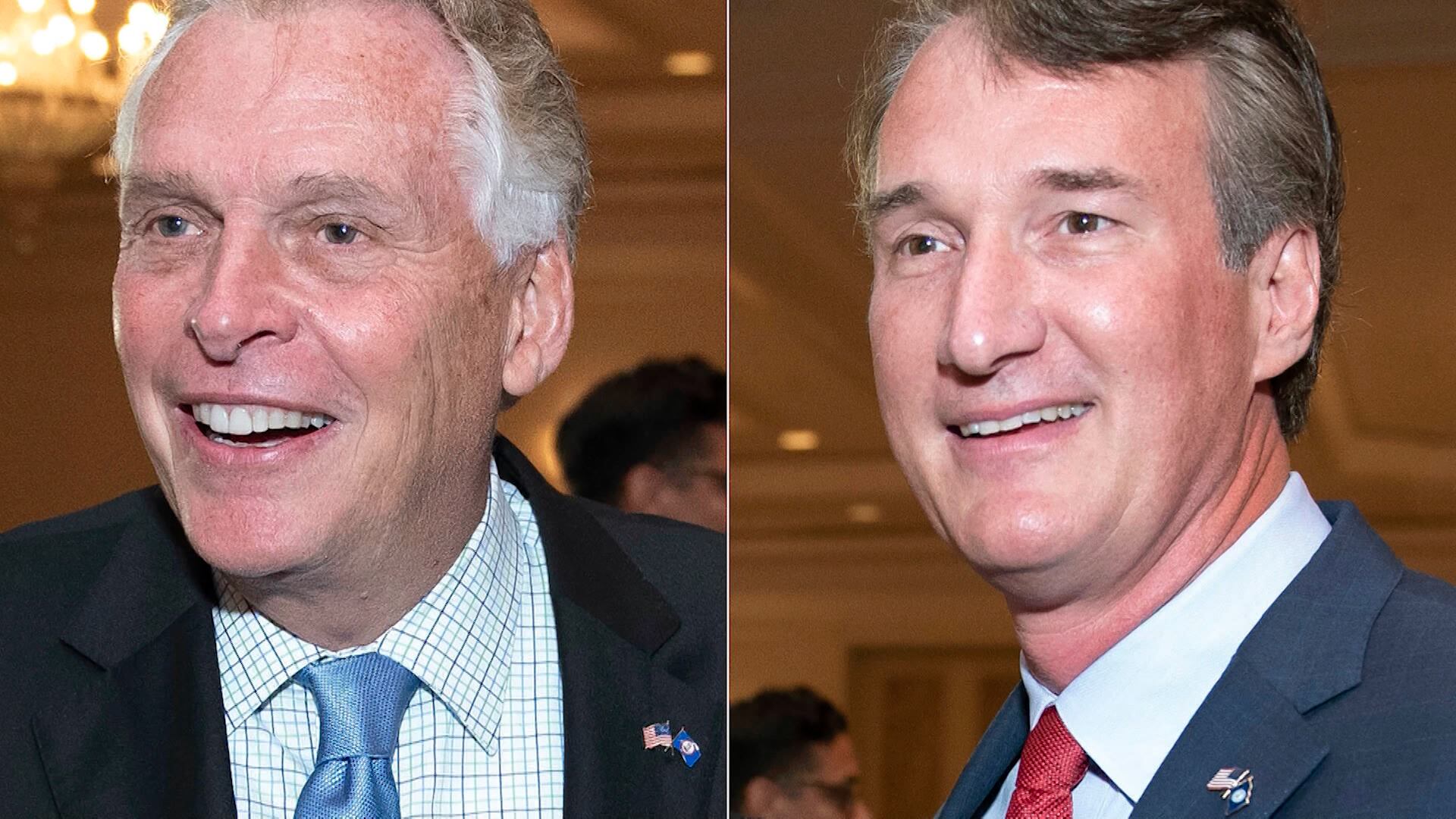
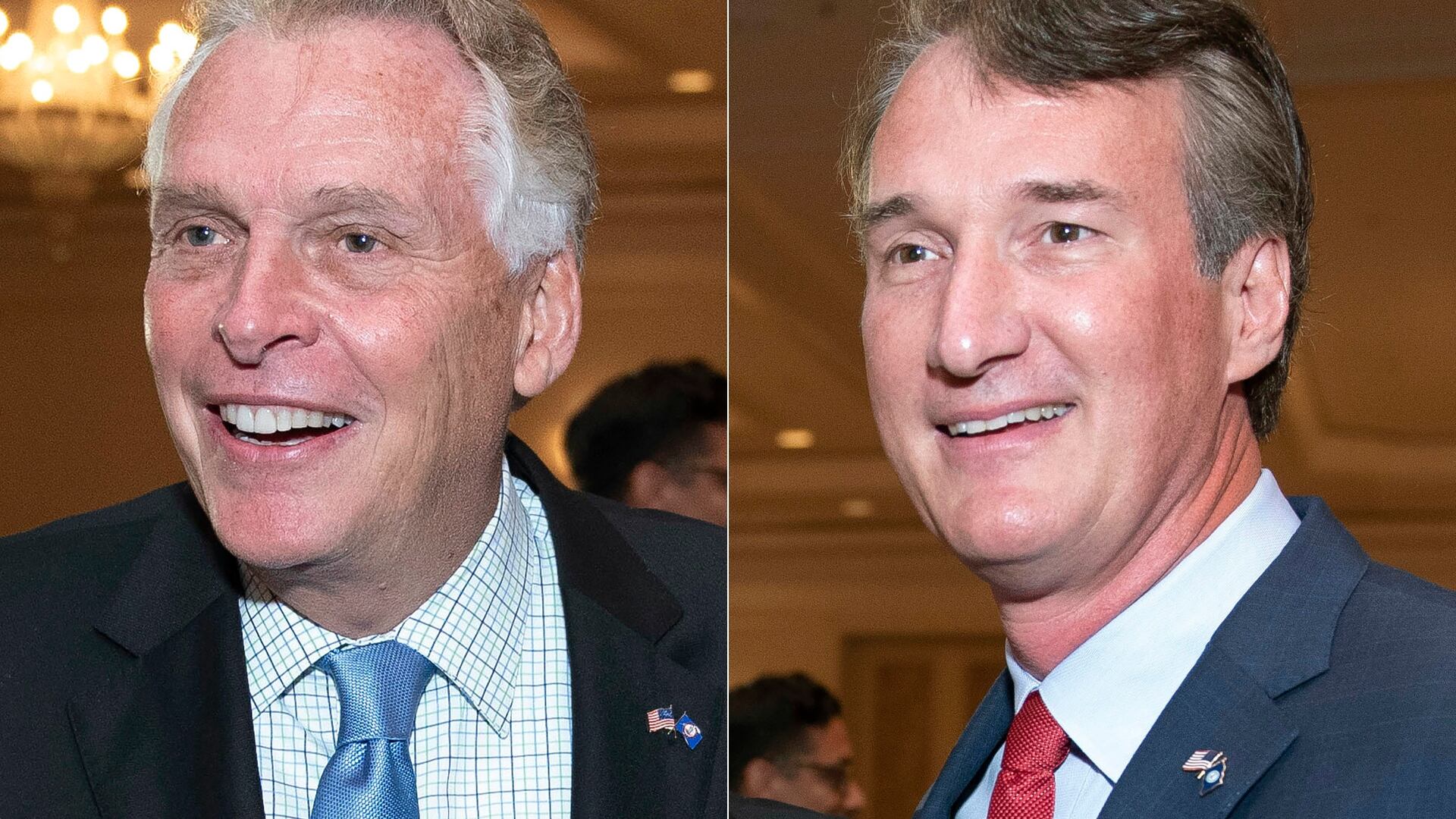
Voters across the country are heading to the polls today for Election Day. The results of some key races could signal what we can expect in upcoming elections. In Virginia, Democrat Terry McAuliffe is facing off against Republican Glenn Youngkin for governor in a tight race. The race has both parties watching because it's a big indicator of how voters are leaning ahead of the 2022 midterm elections. Kyle Kondik, managing editor of Sabato's Crystal Ball at the University of Virginia Center for Politics, joins Cheddar News to talk about what's in store for the state.
Laura Vozzella, local reporter for The Washington Post, joins Cheddar News to discuss the close gubernatorial race in Virginia and what voters are looking for in each candidate.
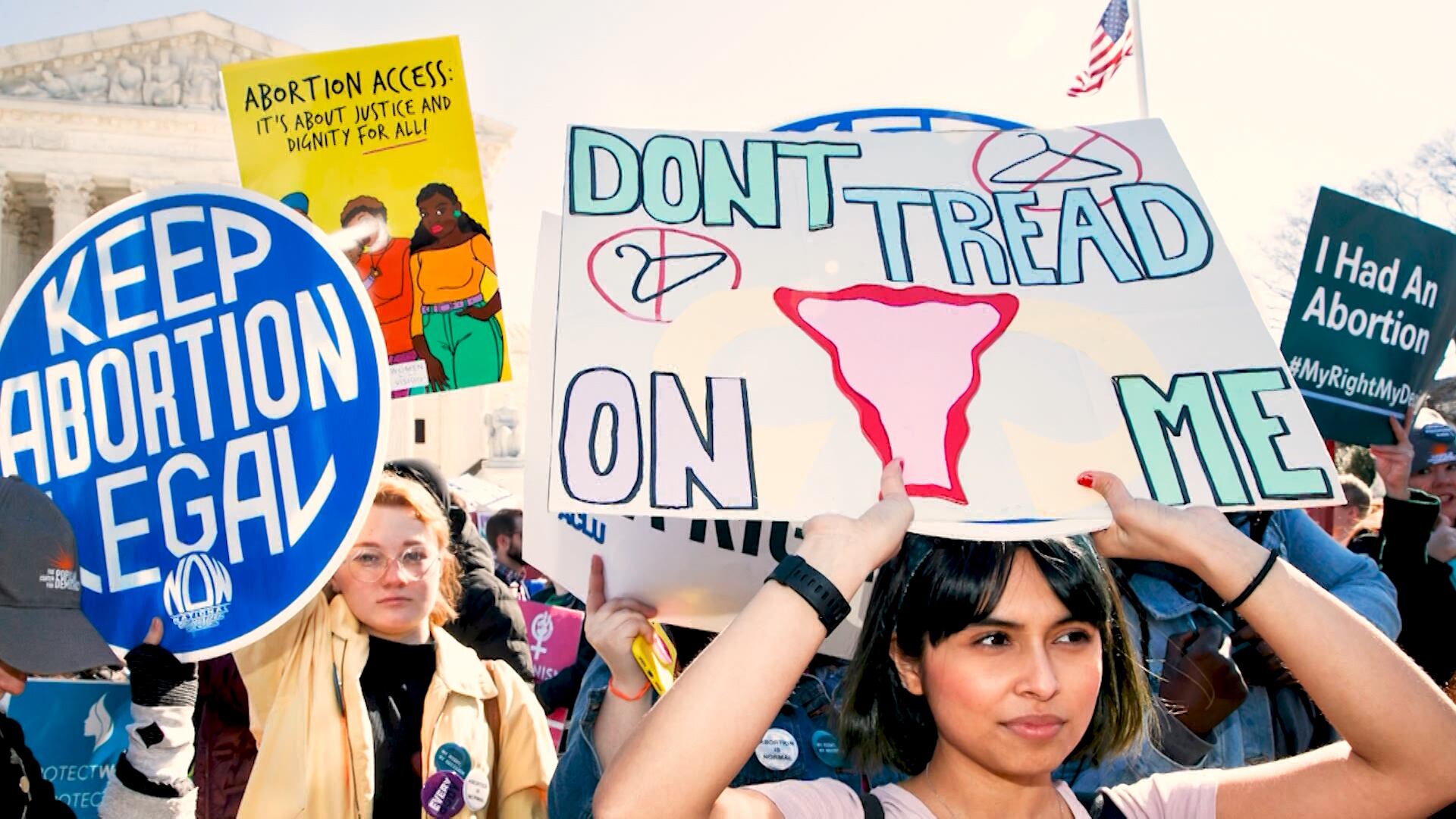
The U.S. Supreme Court takes a closer look at the Texas abortion law that was designed by its sponsors to evade constitutional review in federal court. Katie Barlow, journalist and social media editor at SCOTUSblog joins Cheddar News to breakdown what was discussed.
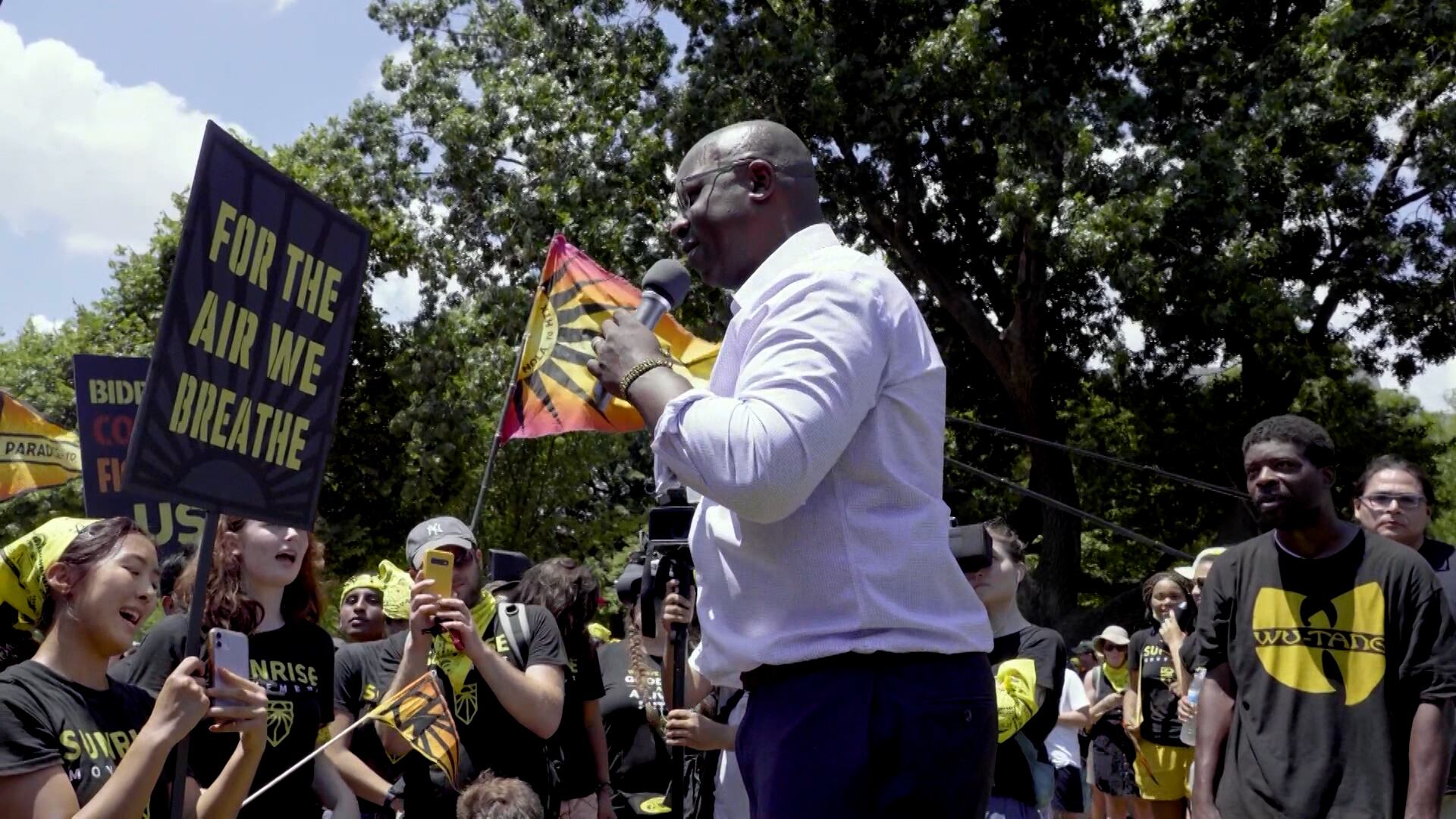
John Paul Mejia, the national spokesperson for the Sunrise Movement, joined Cheddar to talk about what the youth activist group wants to see from President Joe Biden as he attends the COP26 climate summit. Mejia admonished the president for having little to deliver on his own climate agenda domestically while at the conference. "We need the president to follow through with his promises because, frankly, it's a matter of life or death not only for communities here in the United States but also those looking to us around the world," he said.
With COP26 kicking off, roughly 120 world leaders and delegates are in Glasgow, Scotland to hold climate talks this week. As experts continue to warn about the dangers of climate change, ESG investing is more important than ever.
Georges Archibald, Head of Apex Americas at Apex Group joined Cheddar's Opening Bell to discuss.
President Biden expected to unveil details on a Covid-19 vaccine mandate for businesses in coming days.
This comes just days after The White House issued separate vaccine mandates for federal contractors across the country. Mark Kluger, Founding Partner, employment law firm Kluger Healey joined Cheddar's Opening Bell to discuss.