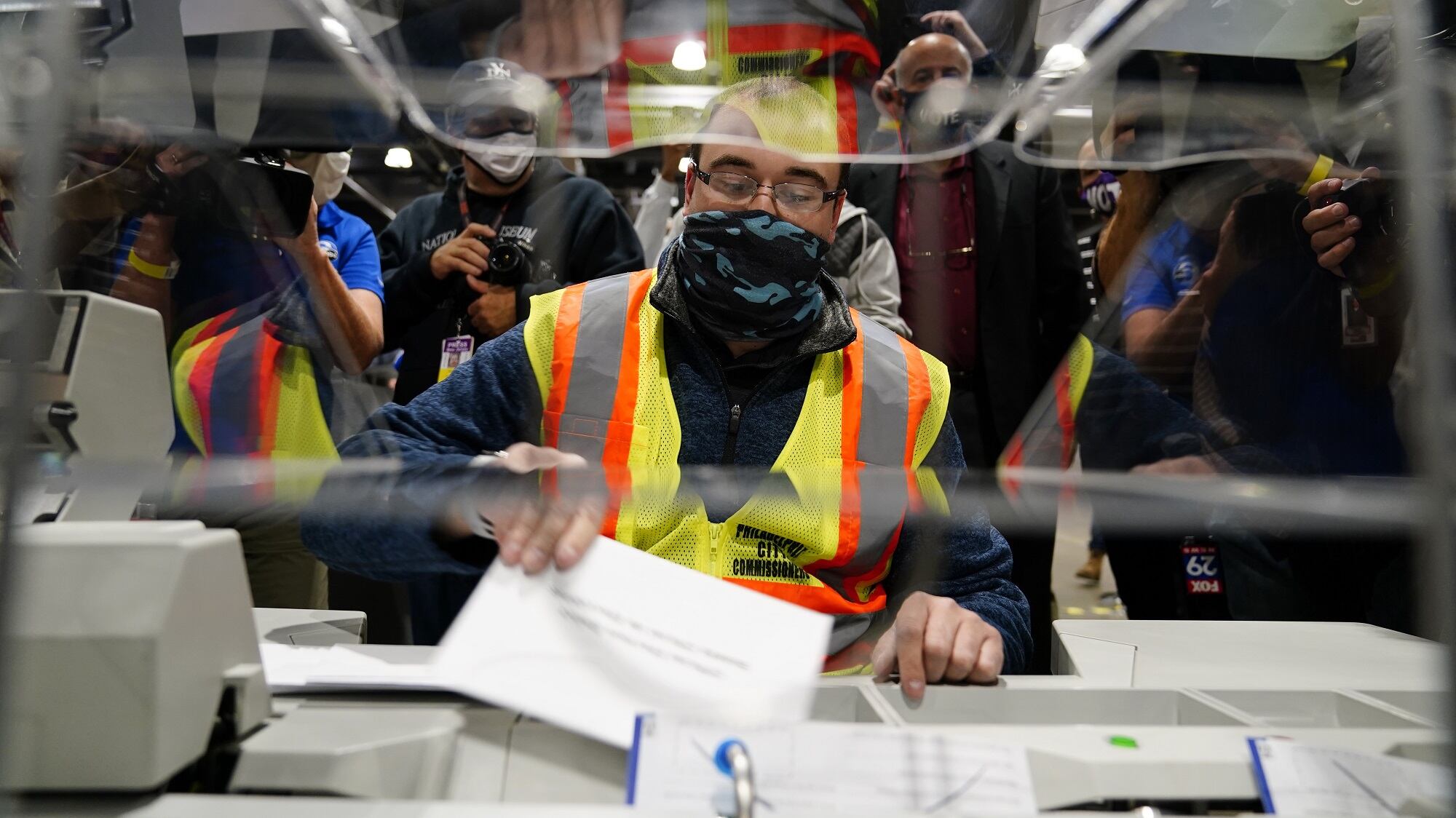
John Hansberry, with the Philadelphia City Commissioners office, demonstrates an extraction machine at the city's mail-in ballot sorting and counting center in preparation for the 2020 General Election in the United States, Monday, Oct. 26, 2020, in Philadelphia. (AP Photo/Matt Slocum)
HOW WILL VARIOUS BALLOTS BE COUNTED, AND WHAT RESULTS WILL BE KNOWN ON ELECTION NIGHT?
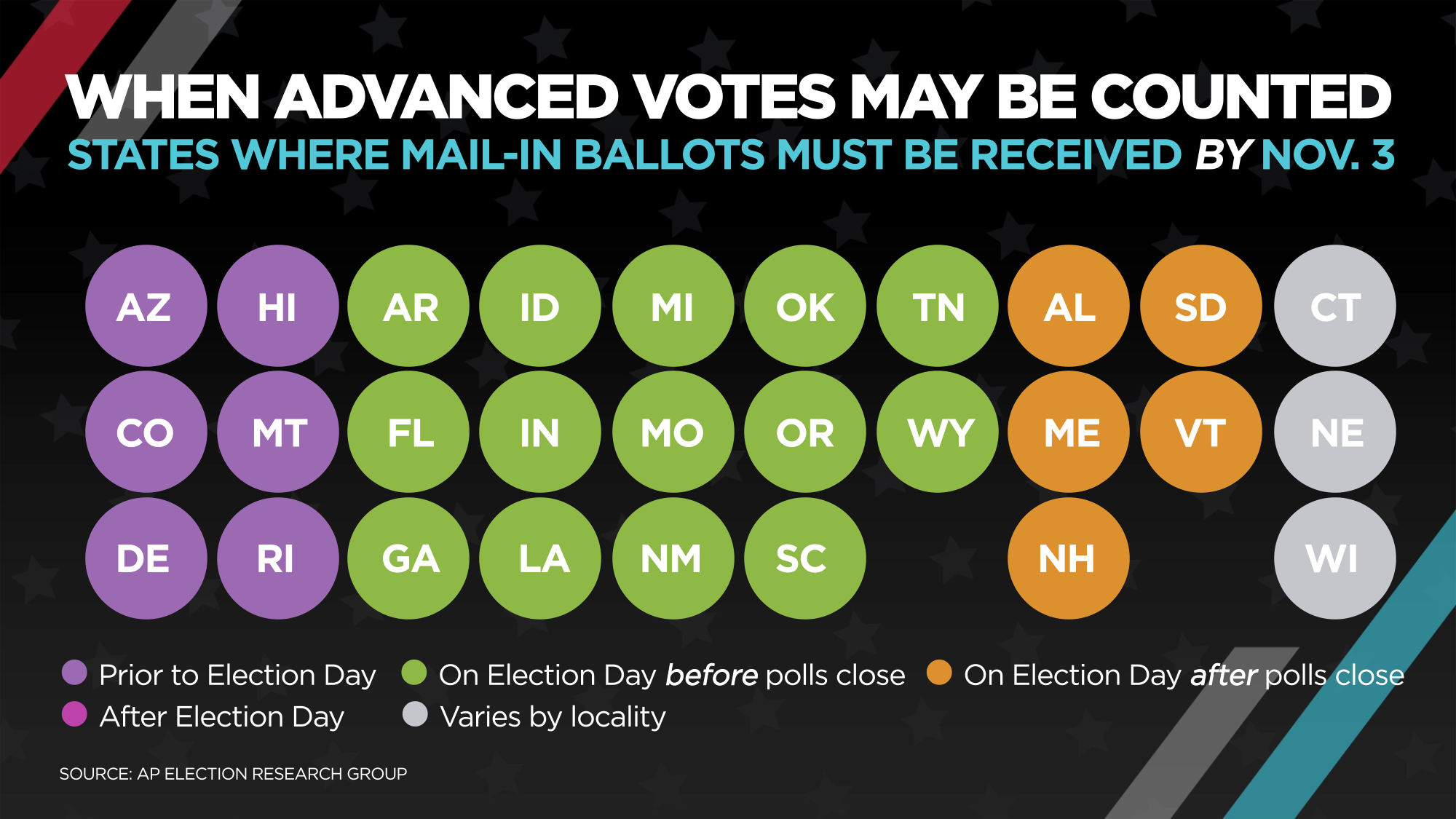
Millions of Americans have already voted, but each state has different rules on when it's allowed to actually start counting those ballots. That is going to produce results coming in at very different times — perhaps days or even weeks after Election Day.
In some places, election officials can begin processing ballots weeks before Election Day. That means workers can start verifying voter information while also removing ballots from their envelopes to physically get them ready for tabulation. Doing so readies ballots for counting on Election Day and will speed up the release of results.
But it's not that simple.
In some of the most critical battleground states, laws prevent the early processing of ballots. So on Nov. 3, Election Day, officials will have to run an in-person election while also working through the unprecedented number of mail-in votes. This dynamic is likely to delay results and heighten the potential for big shifts if in-person vote tallies are upended by the counting of mail-in ballots.
President Donald Trump has repeatedly warned of voting fraud without offering any evidence. Because of that, there are concerns that he will use delays in vote-counting to declare results illegitimate. While results might come in later than usual this year, that's because of a change in how people are voting, not malfeasance or fraud.
Here is another wrinkle: Nationwide delivery delays at the U.S. Postal Service are sparking fears that ballots might not arrive in time to be counted. Republicans, including Trump's campaign, have been filing lawsuits to stop election officials from counting ballots that are delivered after Election Day.
For example: As of right now in Pennsylvania, votes that arrive by mail three days after Nov. 3 will be counted, after an intense legal battle that went all the way to the U.S. Supreme Court last week. Republicans have filed another suit against the extension. Also, Pennsylvania doesn’t allow early processing of mail-in ballots, further complicating matters.
In Michigan, another hotly contested state, an appeals court has struck down a 14-day ballot-counting extension, leading the state's top election official to urge voters to drop off their ballots in person rather than use the Postal Service. Courts have also nixed similar extensions in Wisconsin and Indiana.
This story is part of a series dedicated to answering commonly asked questions from AP's audience about the 2020 U.S. presidential election.
John Petrides, Portfolio Manager at Tocqueville Asset Management, joins Cheddar News' Closing Bell, where he breaks down Monday's market activity amid the emergence of the omicron variant, and what it could mean for the Fed's timeline when it comes to raising rates and tapering pandemic aid.
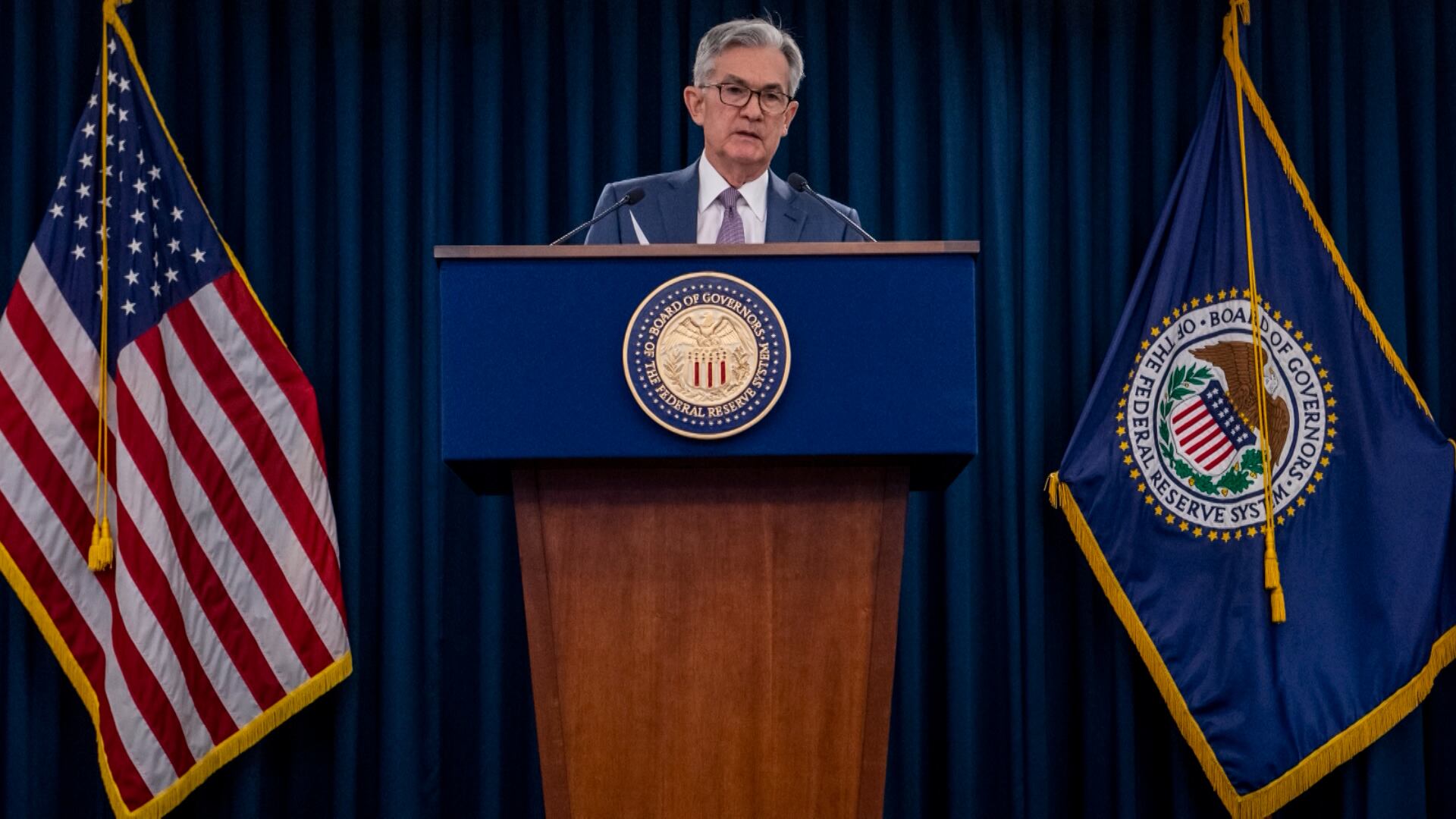
Earlier in the week, we saw President Biden nominate Jerome Powell to serve as Fed chair for another four-year term in the midst of the country’s struggles with covid, inflation, and supply unrest. Claudia Sahm, senior fellow at the Jain Family Institute and former Federal Reserve and White House economist explains why the markets saw a boost following the nomination.
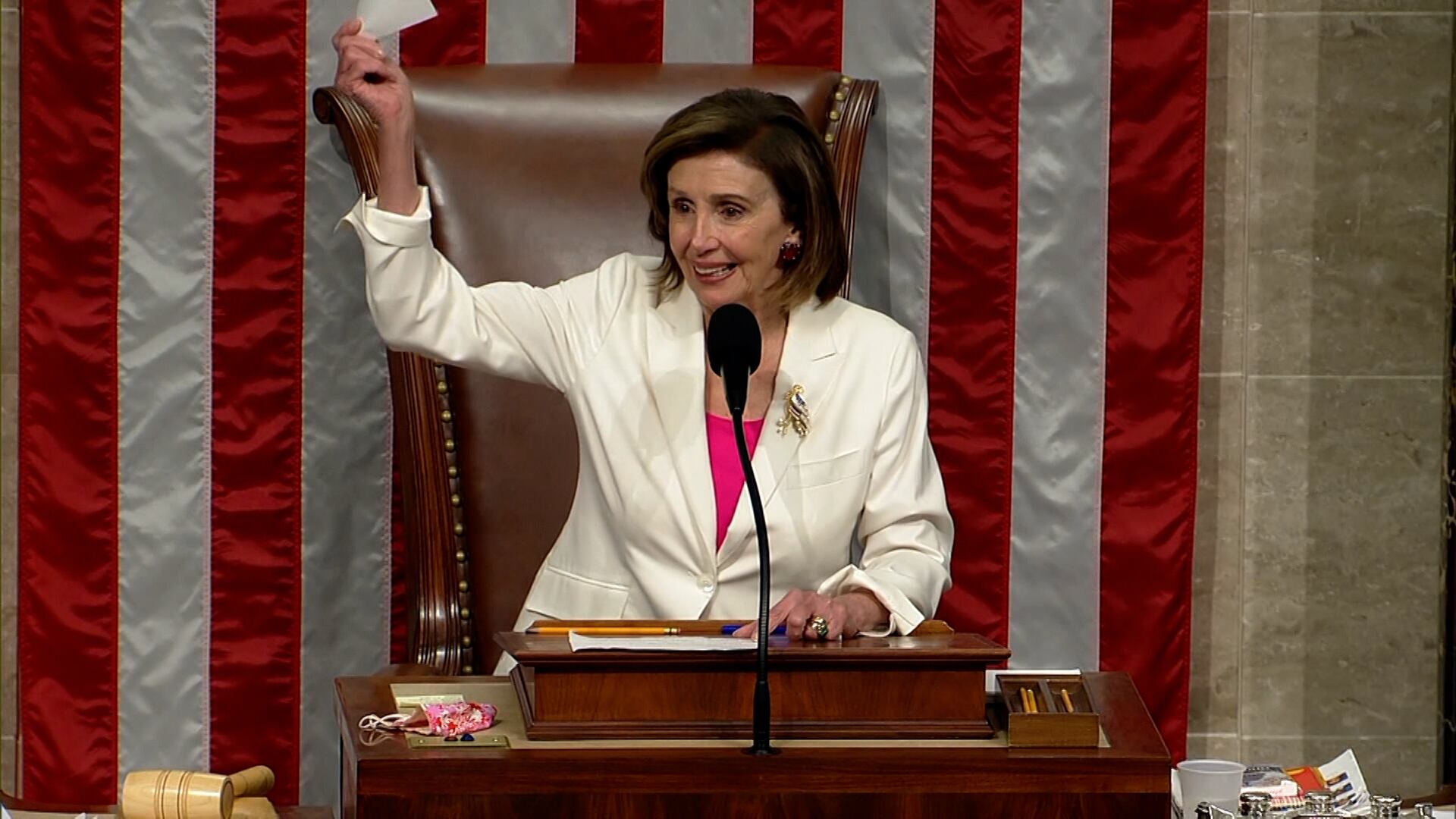
House Democrats saw a big win on Friday when President Biden's trillion dollar Build Back Better social spending bill was passed but now the question is - can the bill hold up in the senate as it faces possible ongoing scrutiny from not only Republicans, but also some Democrats. Julia Manchester, reporter at The Hill, explains whether or not the bill will make it to President Biden's desk by Christmas.
Jamil Jaffer, Founder and Executive Director of the National Security Institute, joined Cheddar to discuss the concern surrounding Chinese tennis star Peng Shuai's disappearance following a social media post accusing a former high-ranking Chinese official of sexual assault.
Just hours before the scheduled execution of inmate Julius Jones, the Governor of Oklahoma Kevin Stit has now granted commuted his sentence to life in prison without the possibility of parole. Several advocates along with a number of celebrities have been fighting to stop the execution. Defense Attorney and Police Director Erin Haney, joined Cheddar to discuss more.
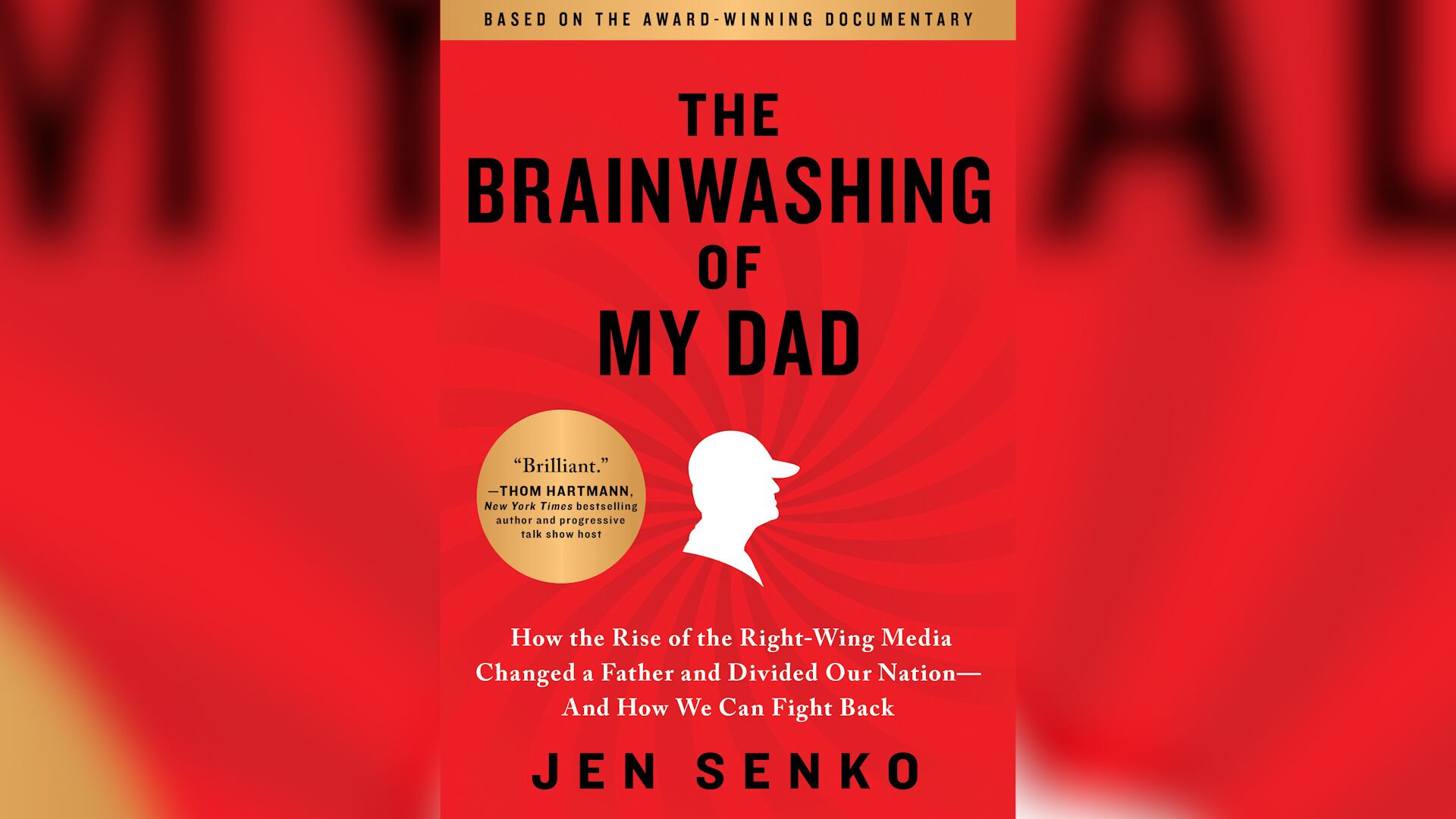
The book 'The Brainwashing of My Dad' examines how the rise of right-wing media changed a father and impacted the nation. Author of the book, Jen Senko, joins Cheddar News to discuss the history and future of conservative media.
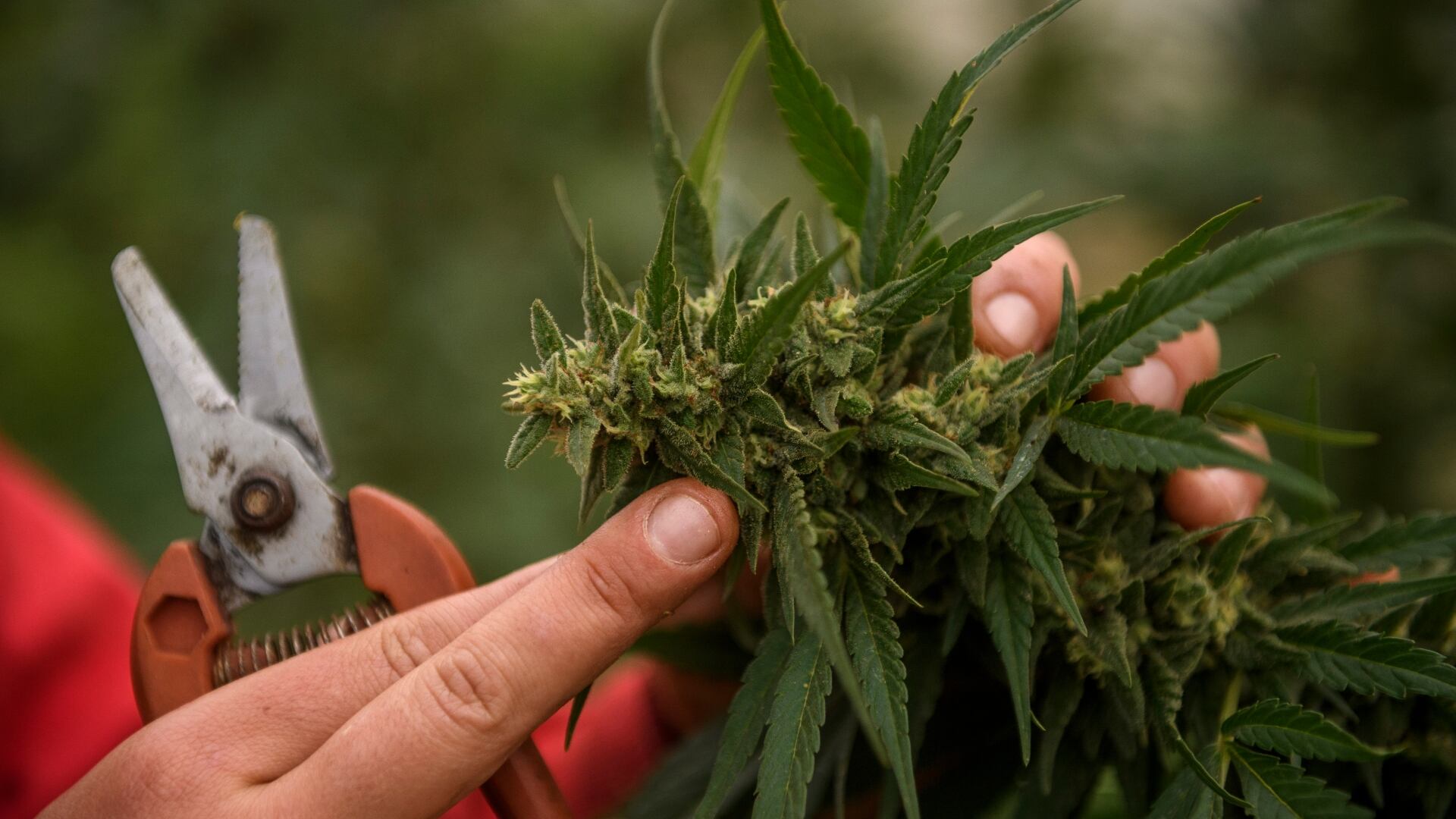
Natalie Fertig, Federal Cannabis Policy Reporter for Politico Pro, joined Cheddar to discuss the shift among republicans to support federally legalizing marijuana.
The House has officially passed the $1.75 trillion social policy and climate big. This new bill is expected to bring some huge investments into working towards fighting climate change. U.S. President of We Don't Have Time, Sweta Chakraborty, joined Cheddar to discuss more.
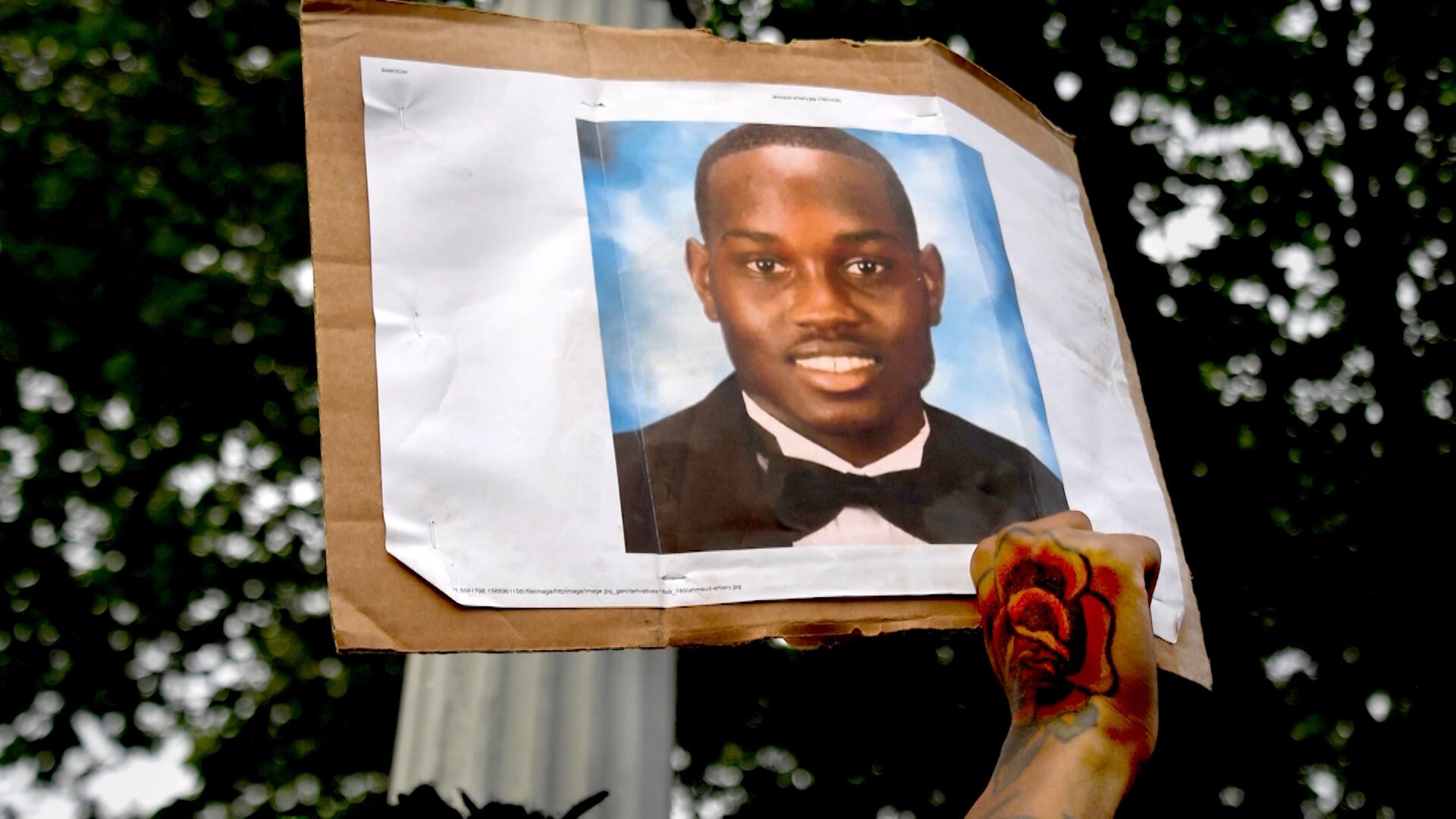
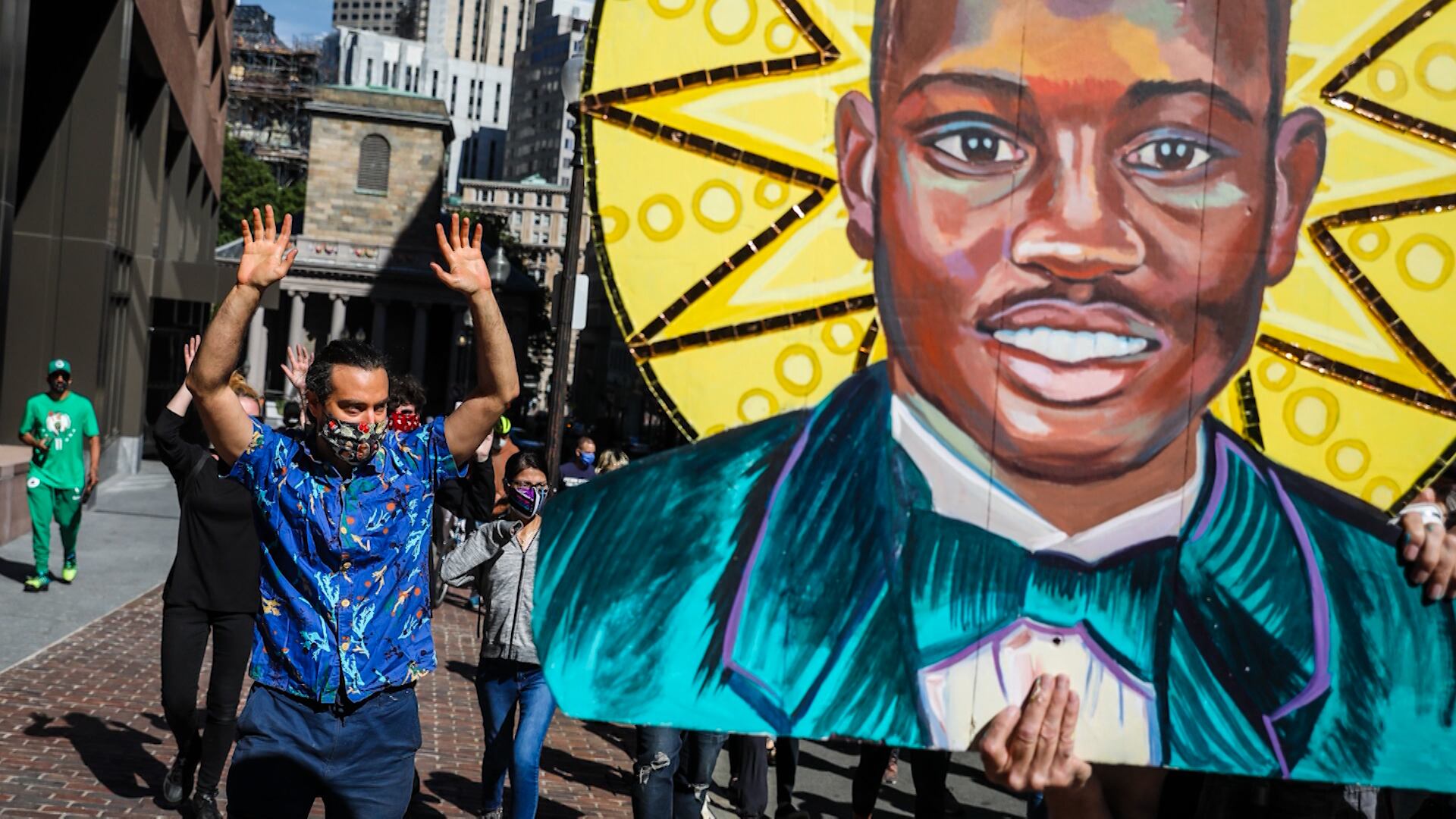
Guilty verdicts have been handed down to the three men charged with killing Ahmaud Arbery. Arbery was out for a jog in February 2020 when Travis McMichael, William "Roddie" Bryan, and Gregory McMichael chased him down and killed him. The judge read the verdicts for each of the three men aloud, starting with the man who pulled the trigger, Travis McMichael. Kirk Burkhalter, professor at New York Law School joins Cheddar News to recap the trial.
All three defendants in the Ahmaud Arbery killing were found guilty today on numerous charges including felony murder. Criminal Defense Attorney Anthony Hall joined Cheddar to discuss.