*By Amanda Weston*
After Mercedes-Benz's unveiling this week of its [first all-electric car](https://www.theverge.com/2018/9/4/17818836/mercedes-benz-eqc-suv-ev-specs-photos), automotive journalist and future Cheddar contributor Tamara Warren said the market is about to get a lot more competitive.
"It's huge news for Mercedes-Benz, and a real signal in this space that we are about to have a lot of options when it comes to the electric category, luxury, and the sweet space with crossover vehicles," Warren said Wednesday in an interview on Cheddar.
The model, dubbed EQC, is an all-wheel drive SUV with a range of more than 200 miles. Dieter Zetsche, the head of Mercedes and chairman of parent company Daimler AG, called it the ["dawn of a new era"](https://www.theverge.com/2018/9/4/17818836/mercedes-benz-eqc-suv-ev-specs-photos).
The announcement Tuesday further weighed on shares of Tesla, whose stock marked a seventh straight day of losses Wednesday. Warren said the electric automaker may certainly have cause to worry about its new competitor, but "that's the nature of the business."
"If there's no competition, where's the market going to go?" she said. "What I think it forces Tesla to do is to continue to push their vehicles and not stall on thinking about new features and products and innovation."
Whether Tesla can find that focus is something Warren says investors should watch.
"Tesla is a really tricky company to follow right now, and you're talking about companies that have sort of infrastructure internally as far as safety and all of the quality that needs to be there coming into this space, not just Mercedes-Benz. But we're also seeing Audi as a player in this field, BMW, and Volvo," Warren said.
"So it's going to get really interesting by spring when we start seeing some of these vehicles."
The EQC is set to begin production in 2019 and go on sale in the U.S. in 2020. Mercedes-Benz has not yet announced what the vehicle will cost.
For full interview [click here](https://cheddar.com/videos/mercedes-benz-unveils-electric-vehicle).
You could be seeing more electric delivery vans on the road soon. Walmart and FedEx have inked deals with GM's all-electric brand BrightDrop to add thousands of vehicles to their fleets. Walmart has reserved 5,000 vans for the first time, while FedEx is expanding an initial order of 500 vehicles. Michael Zimmerman, partner and head of logistics at Kearney, joined Cheddar to discuss what this means for the electric vehicle market moving forward.
After nearly a century, General Motors is no longer the top-selling automaker in America. Toyota has dethroned the long-reigning champ to become the leader in U.S. auto sales for the first time, and the first non-domestic automaker to take that title. The Japanese automaker outsold GM by about 114,000 vehicles, or 5% more, in 2021. Al Root, senior writer for Barron's, joined Cheddar to discuss the meaning behind these numbers.
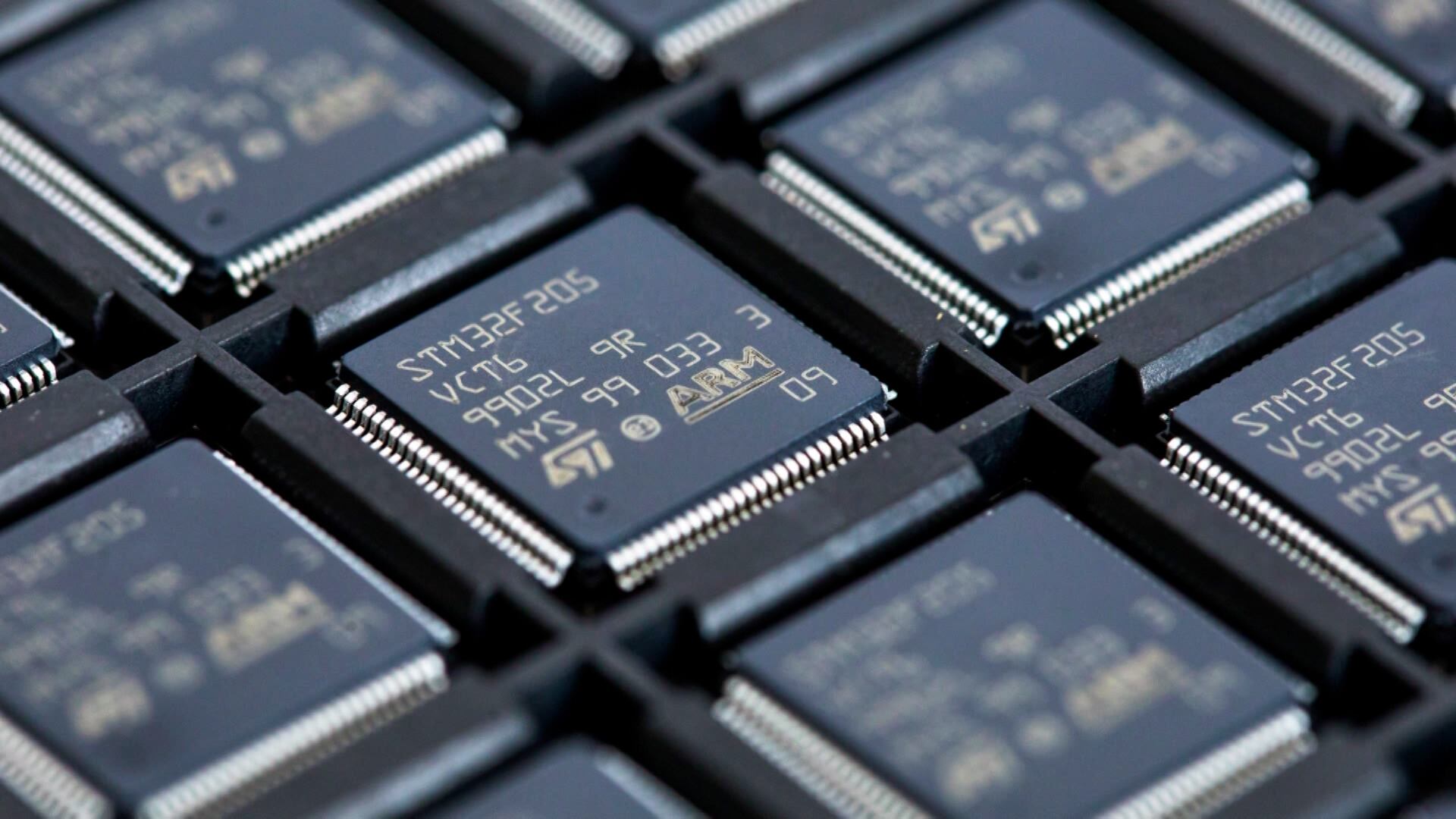
This year's worldwide semiconductor shortage limited the supply of everything from new cars to smart phones.
Looking ahead, several experts in the chip industry expect the shortage to continue deep into 2022, and maybe even 2023. Syed Alam, Accenture's Global Semiconductor Lead, joined Cheddar Movers to discuss.
The National Highway Traffic Safety Administration is investigating roughly 580,000 Tesla vehicles due to their front touch screen 'passenger play' gaming feature amid concerns over possible distracted driving. The investigation covers Tesla models ranging from the years 2017-2022. Brian Moody, Executive Editor at Autotrader, joined Cheddar Movers for more.
After a two-week delay of 5G deployment at airports due to the airline industry's claims it will cause "catastrophic disruption," AT&T and Verizon are set to roll out the service on January 19. Michael Boyd, CEO of aviation consultancy Boyd Group International, joined Cheddar to discuss the concerns being voiced by the airlines. "If the airline industry thinks it's going to be something to disrupt our system or impair safety, it shouldn't roll out at all, period," Boyd said, noting that the telecom giants should rethink the activation over safety and security.
A recent study by MSI uncovers a vast racial divide in influencer marketing. The research found a 35% racial pay gap between white and black influencers. This gap is extremely wider than the gap in other industries such as education, business, and finance. The research also suggests that brands and agencies have the power to close this gap. Tiffany Hardin, founder and CEO of Gild Creative Group, joins Cheddar News to discuss.