Could the AT&T / Time Warner Deal Be Good Business?
Two industry giants. An $85 billion marriage. A lot of political noise.
The stakes in the AT&T and Time Warner deal are high even before you add the Justice Department’s lawsuit to block the deal.
Opening arguments for that trial kick off on Wednesday.
For the two companies, an acquisition makes business sense, according to Ben Gomes-Casseres, Professor of International Business at the Brandeis International Business School.
He pointed out that in the digital media industry, “content is king and pipes are commodities.” And that’s the driving philosophy behind this deal.
Additionally, consolidation in both the content creation and the network provider industries would create “more efficiencies” for both sides of the equation.
But last year, the Justice Department threw a wrench in the business plans, saying a tie-up would strangle competition in the field.
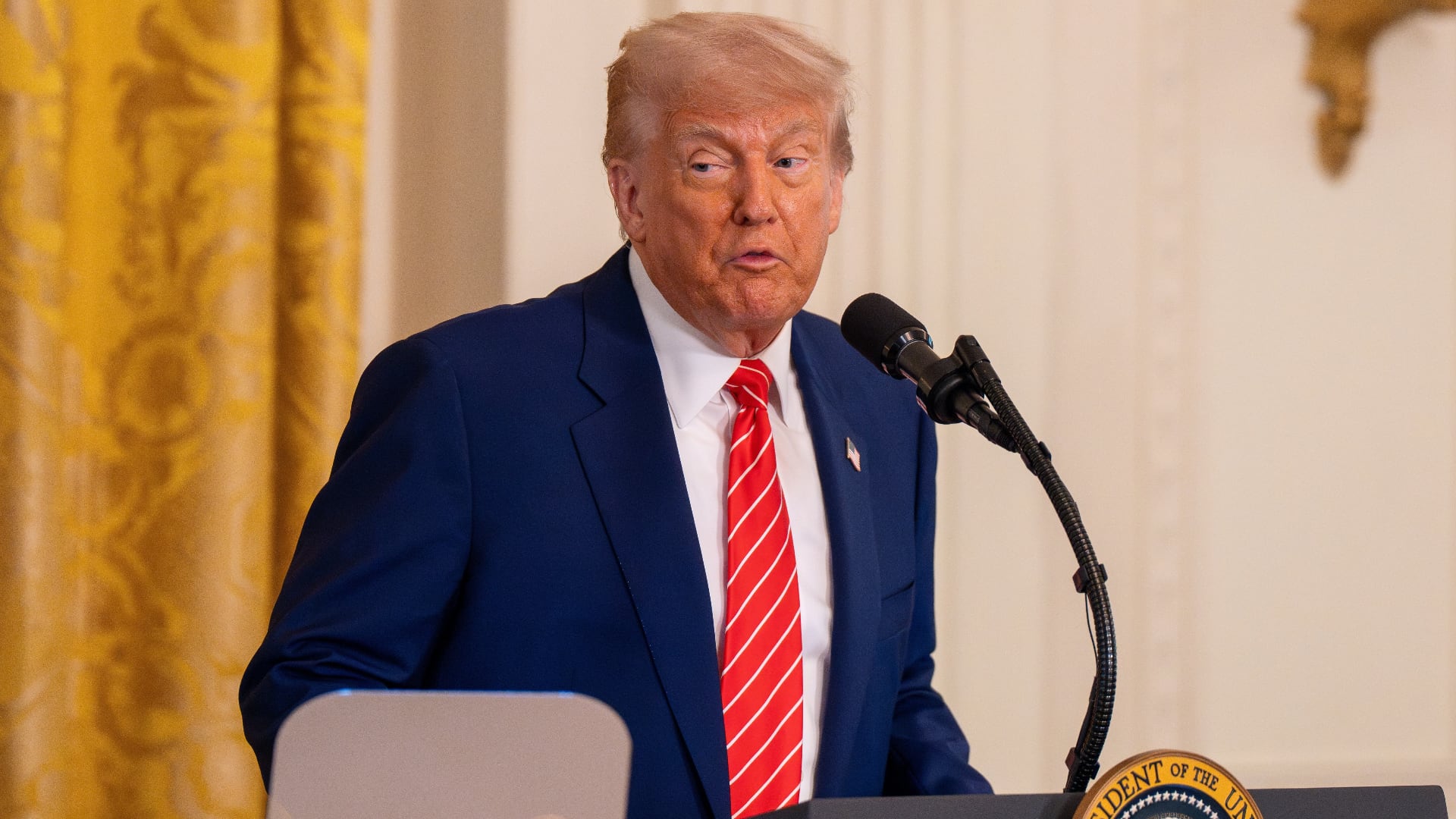
AT&T and Time Warner argue the legal pushback is politically motivated since President Trump outwardly despises CNN, controlled by Time Warner, and has signaled he would block the deal.
“I personally do not expect that this will become a political battle,” said Gomes-Casseres. “I think in the end the court will weigh whether or not this will harm consumers, whether it will harm innovation, or whether in fact it will promote more scale.”
The reason this deal is being targeted is perhaps because it comes after the Comcast/NBC merger in 2011, the professor said.
Generally speaking, “after there is a series of consolidation in an industry, it is quite possible that the last few who want to consolidate may not get approved.”
“The circumstances will be judged on the economics of the time rather than whether or not an earlier player was given the green light.”
Plus this deal is much bigger than the Comcast/NBC merger, he added, drawing more scrutiny.
If the acquisition is approved, it could spur even more vertical mergers across industries, such as healthcare, noted Gomes-Casseres.
AT&T is an investor in Cheddar.
For the full interview, [click here](https://cheddar.com/videos/the-media-courtroom-showdown-at-and-t-vs-doj).

Not only is April Financial Literacy Month, it’s also the kickoff of the spring homebuying season. So now is the time to make sure you have a financial plan in place – and why it might not be wise for that to include buying your first home.
While the U.S. may slowly be on the path to lowering inflation (and therefore interest rates), Europe has thoroughly trounced America, putting it on the path to lower rates by this summer.
April's release of the monthly Housing Starts and Building Permits reports by the Census Bureau provides crucial insights into the construction activity in the housing market. These reports are an economic indicator, shedding light on the current state of the housing market and its broader economic impact.
Caitlin Clark is heading to the Indiana Fever, the number one draft pick and the highest-scoring college basketball player of all time. And while she may not be getting millions from the WNBA, there's a few ways she'll net compensation for her generational talents.
Author of 'Clean Meat,' Paul Shapiro joins Cheddar to discuss how the cellular agricultural revolution helps lower rates of foodborne illness and greatly improves environmental sustainability. Plus, how his company The Better Meat Co. is bringing healthier food options to the table.
Recent headlines might make it sound like World War III is imminent, but when it comes to your finances, it's not the time to panic. The market is coming off its longest winning streak since 2011.
You may have noticed fewer new venture capital-backed startups (like Airbnb or Uber) lately. The market slowed to a crawl after 2021, but things are expected to take off again in 2025.
Corporate earnings season is underway, that time when companies share their billions in sales or double-digit profits. But the data shows even companies are struggling with high inflation and interest rates.
Boeing continues their terrifying trend of having their planes fall apart mid-flight, inflation — checks notes — is still up and the future of AI looks terrifying. Cheery!
Food waste – uneaten scraps or leftovers sent to landfills – is responsible for 10% of global emissions. Mill, a new product from the co-founder of Nest, thinks technology can play a role in eliminating it.