*By Carlo Versano*
Once every decade, there's a seismic shift in technology ー usually in the form of a new innovation ー that reshapes how we live, said venture capitalist Gene Munster.
"There's always little waves going on in tech, but every 10 years or so there's a big wave that hits," Munster, a managing partner at Loup Ventures, said Wednesday in an interview on Cheddar.
There was the smartphone in the mid-aughts, following the widespread adoption of the world wide web. Before that, the PC. Munster said we're now in the early stages of the latest changes in tech: the emergence of A.I., robotics, autonomous vehicles, and augmented and virtual reality. Our lives, he said, will be manifestly different. And Munster's firm recently launched a new ETF to expose investors to that theory.
The Loup Frontier Tech ETF will contain a basket of relatively small, highly innovative tech companies with market caps in the $500 million to $2 billion range, Munster said. [The fund](http://www.innovatoretfs.com/pdf/LOUP_Factsheet.pdf), which launched in late July, was built to reward companies with revenue growth and positive cash flow.
For now, Munster wants to prioritize smaller stocks, but there's one major exception: the ETF does hold shares of Tesla.
Why does the $50 billion-plus company fit the strategy? Munster said Tesla, despite its public dramas, has "the greatest product road map of any tech company." He added that CEO Elon Musk has built a business that is uniquely positioned to leverage renewable energy, the storage of that energy, and the combined trends of zero-emissions and autonomy in automobiles.
Munster's belief that virtual and augmented reality are technologies that will "fundamentally change how humans interact with each other" is not widespread ー VR, after all, has struggled to gain broad adoption, and Snap, which built its first app on the basis of AR, has seen its share price cut in half since its IPO last year. But the Loup Frontier Tech ETF includes stocks like Micron Technology, which makes chips for VR headsets. That kind of diversification ー plays on gaming and autonomy side by side ー is what distinguishes his ETF holdings from typical sector-based funds, Munster said.
One tech giant which may be marking its own seismic shift is Apple. Munster, who was previously a top analyst of the stock at research firm Piper Jaffray, believes the company is on the verge of transitioning from a hardware operation into a service-based company with its App Store, Apple Music, and iCloud. That change will propel the stock higher as investors shift from a "boom-bust" mentality based on the product cycle to a more solid conception of "Apple as a Service."
And what about Apple, flush with all that cash, making a play for Tesla?
Munster said it isn't out of the question. Both companies have a shared ideology based on a love of design; and Apple has long been trying to enter the EV market with its Project Titan electric car.
"It's always been a fairy tale that Apple and Tesla are going to find a way to get together," he said.
For full interview [click here] (https://cheddar.com/videos/gene-munster-captures-tech-growth-with-new-etf-launch).
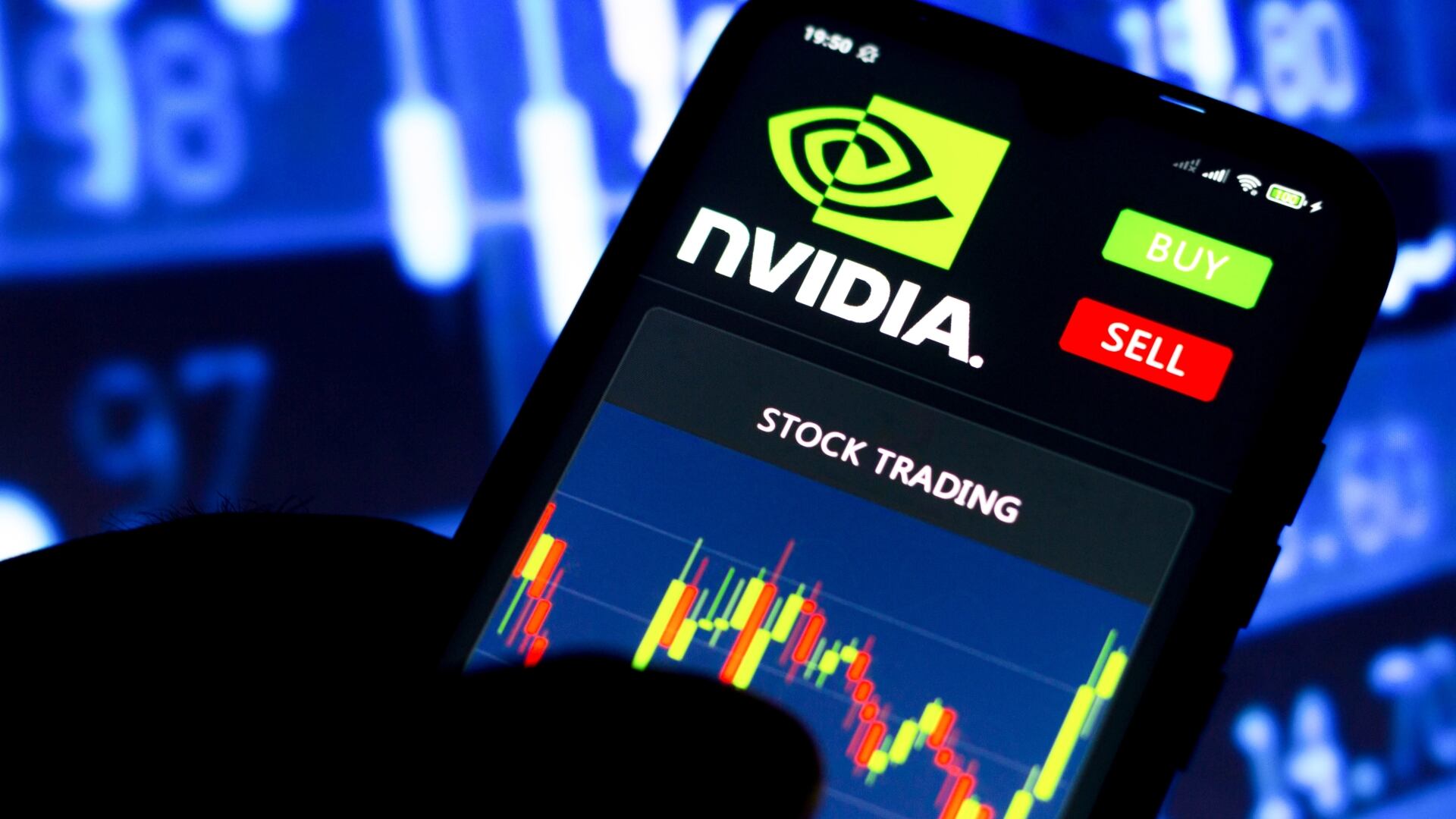
Chipmaker NVIDIA easily beat its third quarter fiscal 2022 earnings expectations, reporting earnings per share of $1.17 on revenue of $7.1 billion, thanks to success in its gaming and data center divisions. The company is also poised for potential success as tech giants like Facebook and Microsoft push forward with metaverse projects and technology. Daniel Newman, Founding Partner and Principal Analyst at Futurum Research, joins Cheddar News' Closing Bell to discuss NVIDIA's earnings results, chipmaker competition, and more.
Bitcoin is getting a makeover. It's the first upgrade in four years for the cryptocurrency. The Taproot update offers greater transaction privacy and efficiency and will unlock the potential for smart contracts. Jeff Roberts, executive editor of Decrypt, joins Cheddar News to breakdown what this upgrade means for investors.
The nation's largest alcohol e-commerce and delivery platform is getting even bigger. Drizly is now collaborating with 7-Eleven to deliver alcohol in under 60 minutes from 7-eleven's 1,200 stores. The companies plan to expand the collaboration in the coming months. Cathy Lewenberg, COO at Drizly, joins Cheddar News to talk about the new collaboration.
Netlify, a platform that builds, deploys and hosts websites and apps, raised $105 million dollars in a Series D round, now valuing the company at $2 billion. Along with the funding, Netlify is also announcing the acquisition of the company OneGraph. Netlify says OneGraph's technology will drive a new wave of innovation on its platform, by making it easier to compose apps with the best developer tools available. Netlify co-founder and CEO Matt Biilmann joined Cheddar News' Closing Bell to discuss.
Chip Paucek, CEO and co-founder of 2U, an educational tech company, joined Cheddar's "Closing Bell" to talk about the company's $800 million acquisition of online course provider edX featuring curriculum from Harvard and MIT. He noted that added services will provide 2U users with high quality, free options. "Us coming together with edX should allow us to really continue to drive affordability for people to unlock their own potential in a variety of different kinds of programs," he said.
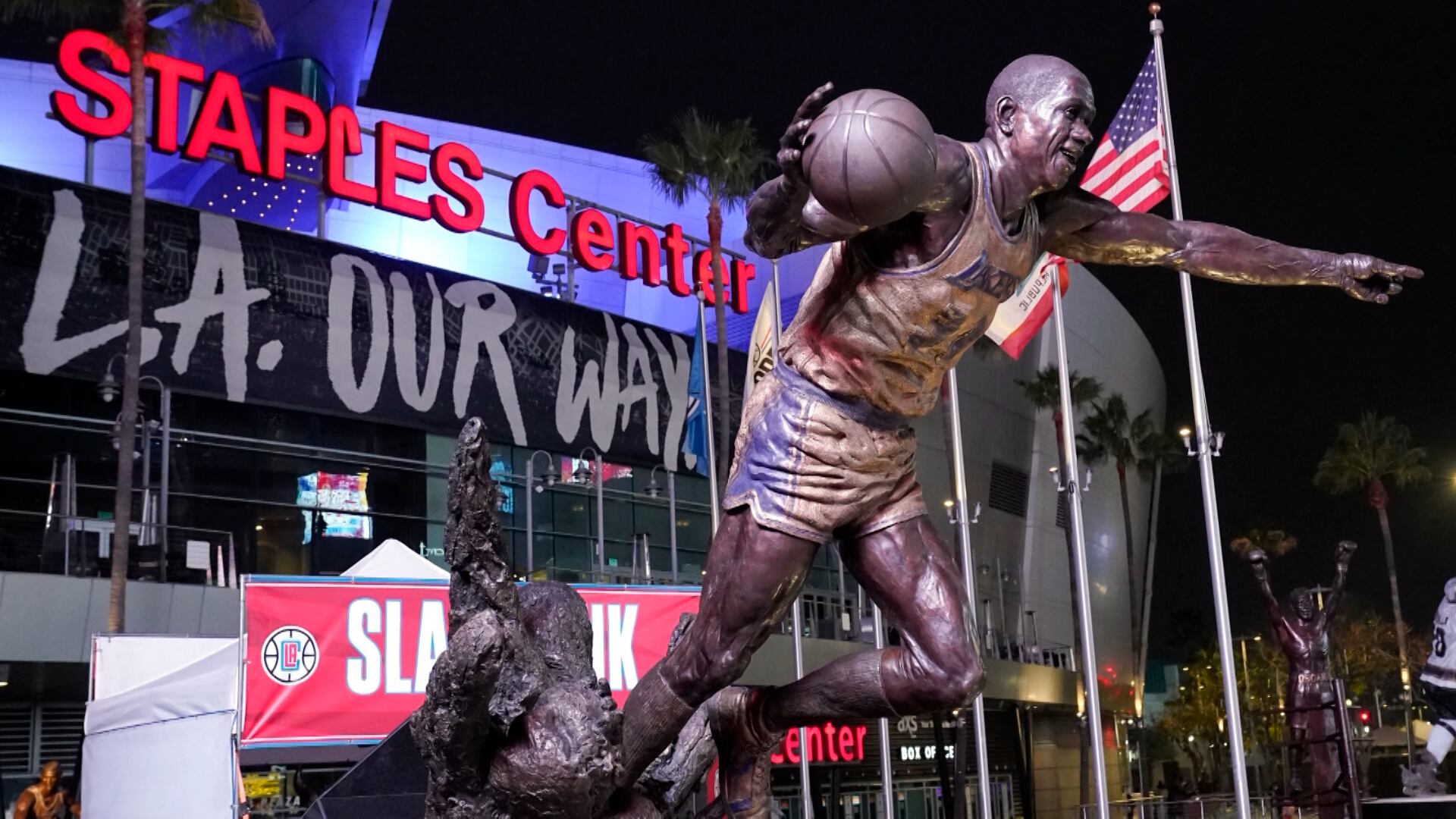
Beginning Christmas Day, the home of the Los Angeles Lakers, Clippers, Kings, and Sparks, the Staples Center, will go by the name Crypto.com Arena after a massive $700 million deal with AEG. Steven Kalifowitz, the chief marketing officer at Crypto.com, and Todd Goldstein, the chief revenue officer at AEG, joined Cheddar to talk about the historic changeover in naming rights and what other changes that fans entering the arena might expect.
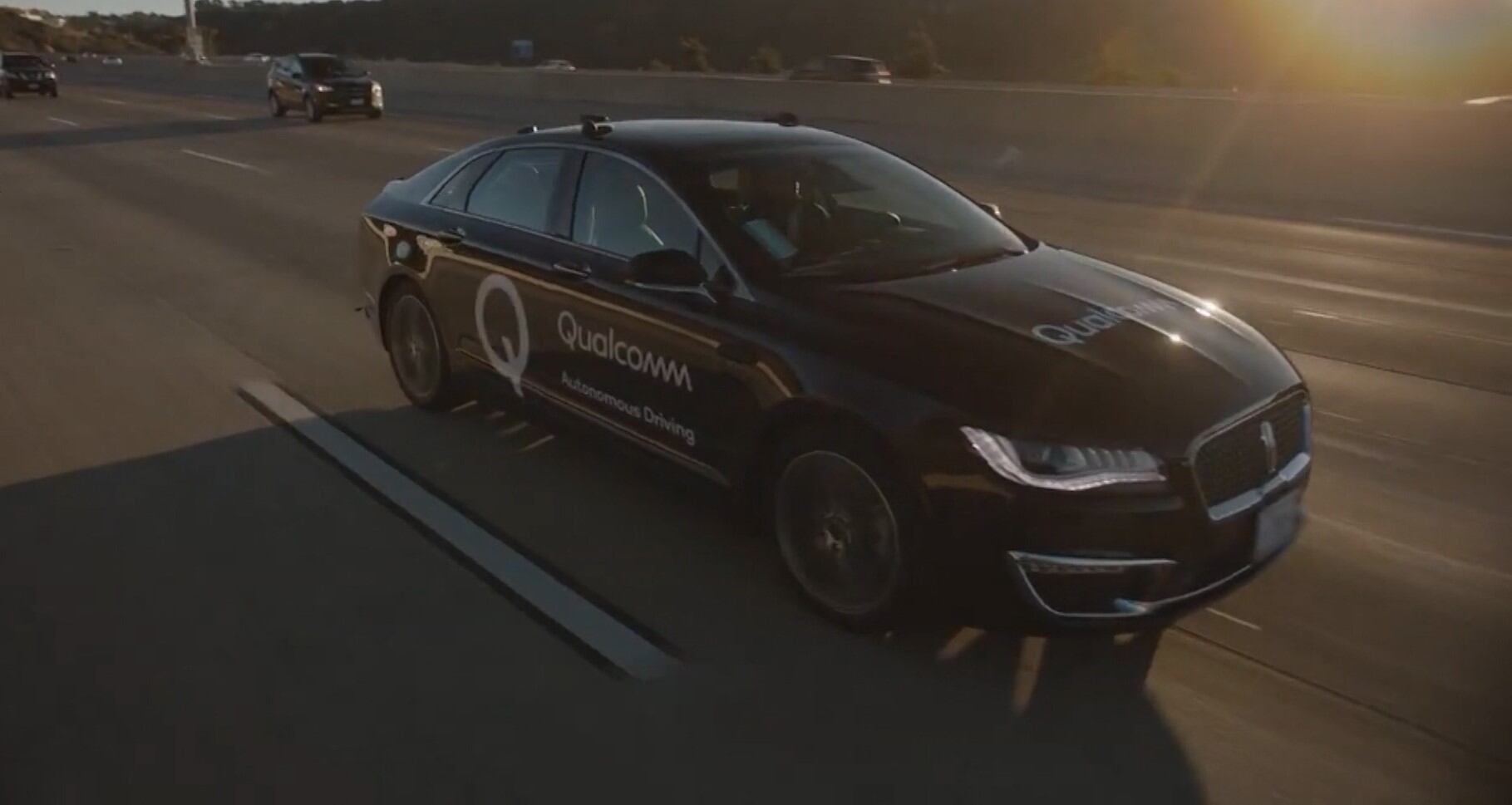
Earlier this week, Qualcomm announced an extension of its partnership with BMW as it moves to help build the technology for automated driving. Nakul Duggal, general manager at Qualcomm, joined Cheddar to provide some background on the collaboration and how the company has been able to navigate the global chip shortage amid the pandemic. "We have invested in advance, in very specific packaging capacity and technology, with our suppliers so that we actually have the capacity available to be able to service that demand," Duggal said.