*By Madison Alworth*
Siri can play your jam on demand and Alexa gives you the weather, but the app makers behind Hugging Face really want to be there for you when you need a laugh, some encouragement, or friendly advice.
That's the promise of the artificial intelligence chatbot, designed to exchange messages, emojis, and life lessons with a generation of users desperate for a response whenever they text ー teenagers.
"Ultimately, we think that everyone will chat with an A.I. everyday, all day," said Clément Delangue, a co-founder and the CEO of Hugging Face. "But as for most new technology and mainstream technologies, they were the first to adopt it."
Though teenagers may be the first cohort willing to accept A.I. B.F.F.s, Delangue said anyone can befriend Hugging Face, which will attempt to respond to text queries with personalized responses as the app begins to "care" about you, but not exactly the way a human might.
"A dog, a cat is a different form of intelligence. It's not a human form of intelligence," Delangue said in an interview Tuesday with Cheddar. "But you really enjoy playing with your cat or with your dog every day, and you create some form of emotional attachment."
Hugging Face is designed to mimic this sort of unconditional relationship using A.I.
"We think the same thing is going to happen for artificial intelligence, meaning everyone will have their A.I. B.F.F. that they're going to chat with every day," Delangue said.
Hugging Face has already made some well-heeled friends. It raised $1.2 million in pre-seed funding last year and recently raised $4 million in a seed round led by Ronny Conway of a_capital, an early investor in Instagram. Delangue said that the investments will help the company to develop its technology without worrying about having to make money for the next few years.
Hugging Face is available as a stand-alone app and as an add-on for Facebook Messenger.
For the full interview, [click here](https://cheddar.com/videos/new-chatbot-wants-to-be-your-bff).
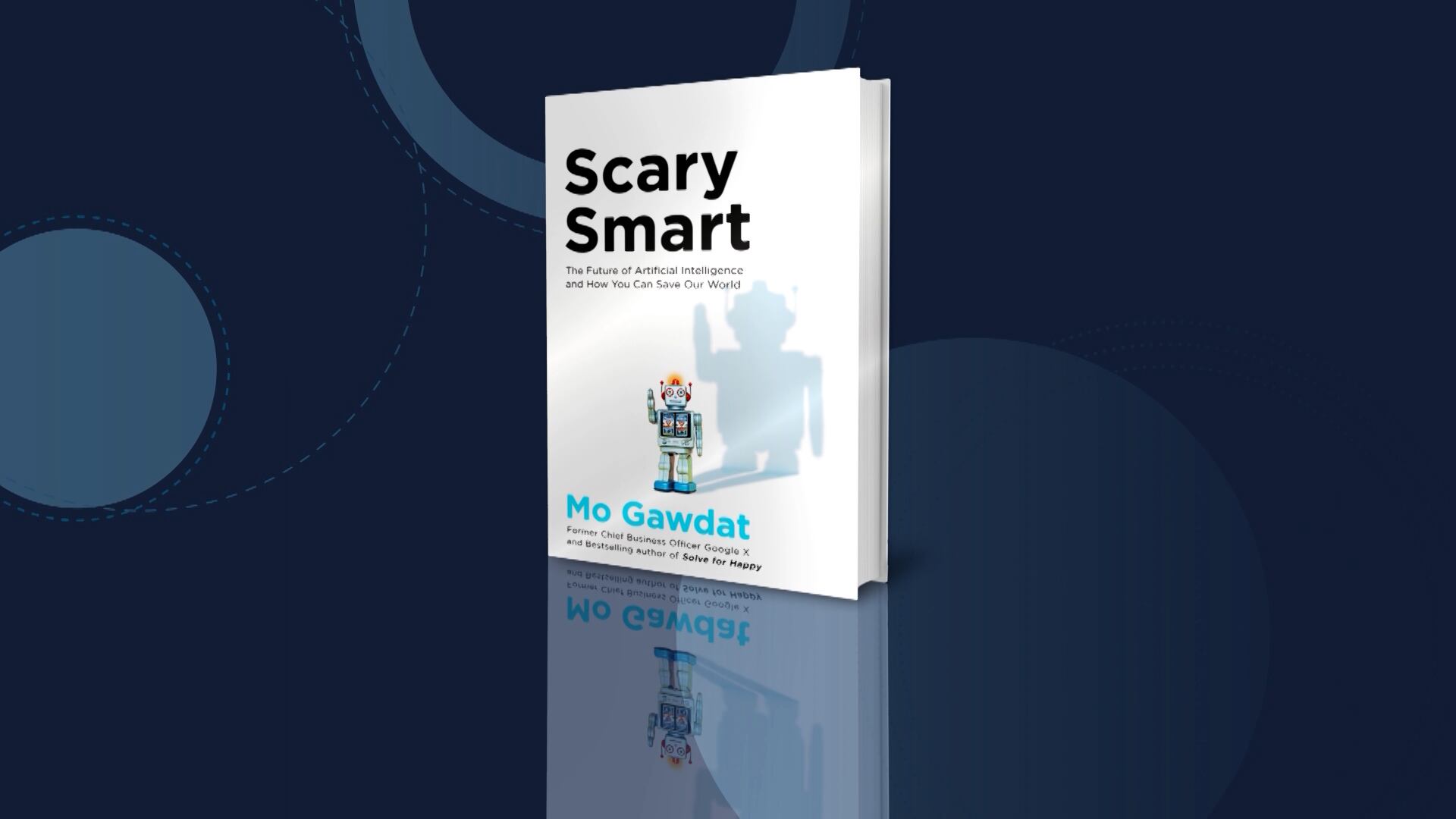
Mo Gawdat, author of 'Scary Smart: The Future of Artificial Intelligence and How You Can Save Our World' joins Cheddar News to discuss his book that dives into the future of AI.
Mark Wagman, Managing Director at MediaLink, joins Cheddar News' Closing Bell to discuss the impact of Apple's iOS security change on fellow big tech companies Facebook, Snap, and Twitter. Apple now lets iOS users opt-out of cross-app data tracking - which hurt Facebook and Snap's advertising revenue in the third quarter.
Facebook has dominated the headlines over the past week. The social media giant reported earnings on Monday, has been in the crosshairs of lawmakers and is now expected to rebrand itself as it gears up for what it calls the metaverse. Daniel Newman, Founder & Principal Analyst at Futurum Research, joins Cheddar News' Closing Bell where he discusses what we should expect to see ultimately unfold.
Verizon is teaming with Amazon's Project Kuiper low-orbit satellites to help improve communications and internet connectivity. Sampath Sowmyanarayan, chief revenue officer for Verizon Business, joined Cheddar to talk about the relationship with Amazon and what customers can expect from the strategic partnership. He noted that the 5G expansion via the satellite network will benefit rural communities where internet and wireless access remains difficult.
Social media platforms TikTok, Snapchat, and YouTube are facing questions in DC about consumer protections, data security, and product safety for young users. Emily Birnbaum, tech lobbying and influence reporter at Politico, joined Cheddar to provide some background into what led to the congressional hearing and the potential outcome. Birnbaum noted that social media platforms have been attempting to distance themselves from Facebook and the ongoing bad press it garnered in recent months.
Cisco's Webex Hologram is looking to transform workspaces with augmented reality technology. Jeetu Patel, EVP and general manager of security and collaboration at Cisco, joined Cheddar to provide some details about the virtual workspace and discuss the industries that might benefit most from it. "We're in the era of flexibility and choice and inclusivity, where people want to make sure that they can work on their terms so that they've got complete flexibility in how they structure the day," Patel said.