*By Madison Alworth*
Siri can play your jam on demand and Alexa gives you the weather, but the app makers behind Hugging Face really want to be there for you when you need a laugh, some encouragement, or friendly advice.
That's the promise of the artificial intelligence chatbot, designed to exchange messages, emojis, and life lessons with a generation of users desperate for a response whenever they text ー teenagers.
"Ultimately, we think that everyone will chat with an A.I. everyday, all day," said Clément Delangue, a co-founder and the CEO of Hugging Face. "But as for most new technology and mainstream technologies, they were the first to adopt it."
Though teenagers may be the first cohort willing to accept A.I. B.F.F.s, Delangue said anyone can befriend Hugging Face, which will attempt to respond to text queries with personalized responses as the app begins to "care" about you, but not exactly the way a human might.
"A dog, a cat is a different form of intelligence. It's not a human form of intelligence," Delangue said in an interview Tuesday with Cheddar. "But you really enjoy playing with your cat or with your dog every day, and you create some form of emotional attachment."
Hugging Face is designed to mimic this sort of unconditional relationship using A.I.
"We think the same thing is going to happen for artificial intelligence, meaning everyone will have their A.I. B.F.F. that they're going to chat with every day," Delangue said.
Hugging Face has already made some well-heeled friends. It raised $1.2 million in pre-seed funding last year and recently raised $4 million in a seed round led by Ronny Conway of a_capital, an early investor in Instagram. Delangue said that the investments will help the company to develop its technology without worrying about having to make money for the next few years.
Hugging Face is available as a stand-alone app and as an add-on for Facebook Messenger.
For the full interview, [click here](https://cheddar.com/videos/new-chatbot-wants-to-be-your-bff).
Members of Congress have voted to advance a bill meant to address antitrust concerns related to tech giants including Amazon, Apple, Google, and Meta. The 'American Innovation and Choice Online Act' is largely seen as one of the best chances for the government to reign in Big Tech's dominance
Seth Schachner, Managing Director StratAmericas; Digital Business Executive joined Cheddar's Opening Bell to discuss.
The Federal Reserve released its highly-anticipated research weighing the pros and cons of a digital dollar in the U.S. The report comes as economic rivals like china have already piloted their own central bank digital currencies. Edward Moya, Senior Market Analyst, The Americas, Oanda, joined Cheddar's Opening Bell to discuss.
Verizon and AT&T officially launched their 5G wireless services Wednesday across the U.S. Despite pushback from U.S. airlines and the FAA over safety concerns, the telecom giants rolled out the next generation of wireless cellular technology, with speeds up to 20 times faster than 4G LTE. John Biggs, Editor, Tech Crunch joined Cheddar's Opening Bell to discuss.
Earnings season kicks into high gear this week as big players are on tap to report their Q4 numbers, including Microsoft, Apple, and Tesla. Investors will be watching for key indicators on how the companies are dealing with inflation, Omicron and interest rates. Christine Short, VP of Research, Wall Street Horizon joined Cheddar's Opening Bell to discuss.
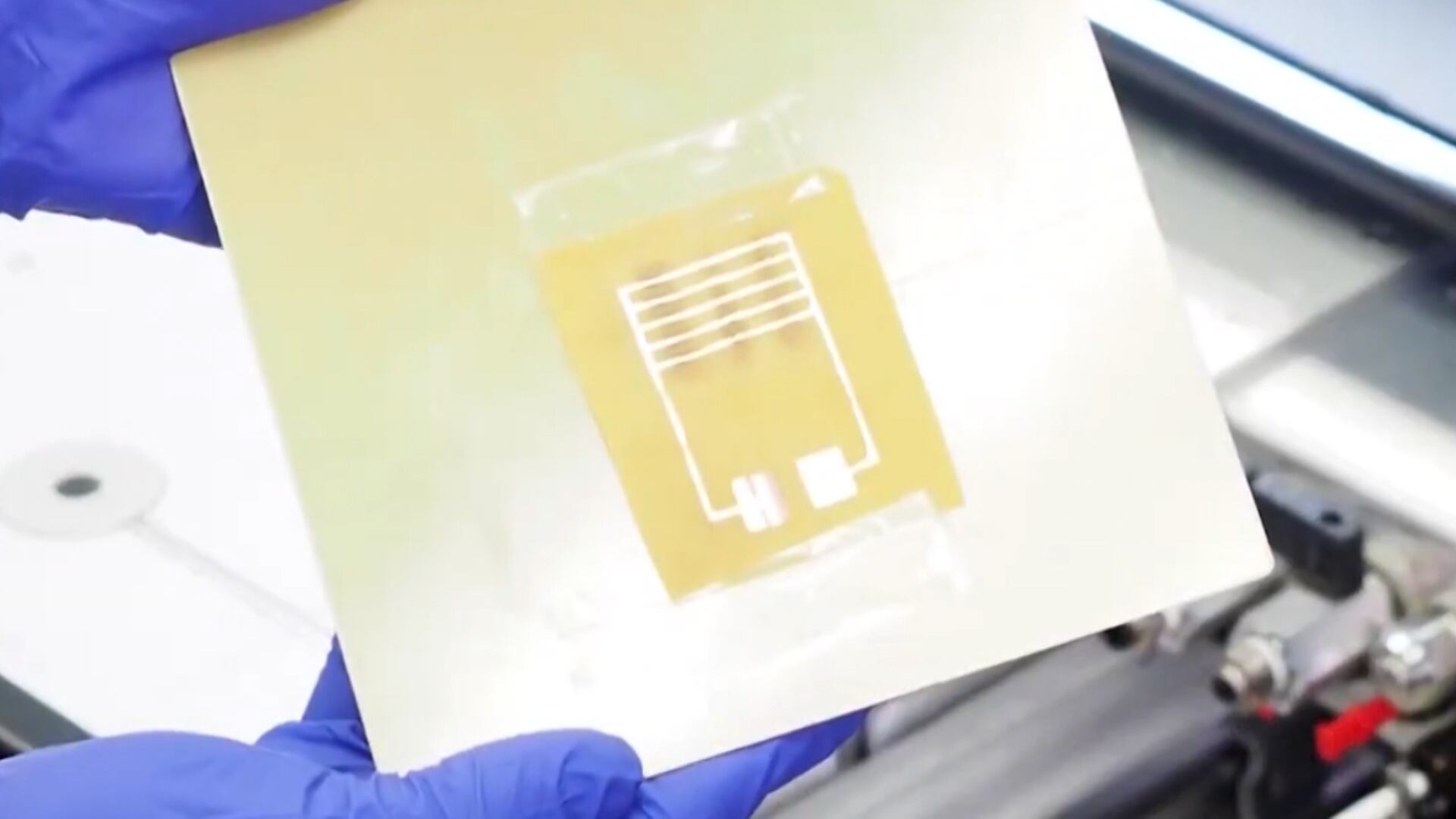
Stan Farnsworth, chief marketing officer at PulseForge, joined Cheddar to talk about his company's debut at CES 2022 and how it plans to innovate the sustainable tech manufacturing space. PulseForge is bringing a new approach to industrial thermal processing, which contributes to 30 percent of global greenhouse gas emissions, according to Farnsworth. "By using 85 percent less energy in the processing of materials through a variety of manufacturing processes, we can make a direct impact in reducing carbon output and reducing carbon footprint associated with manufacturing," he said.