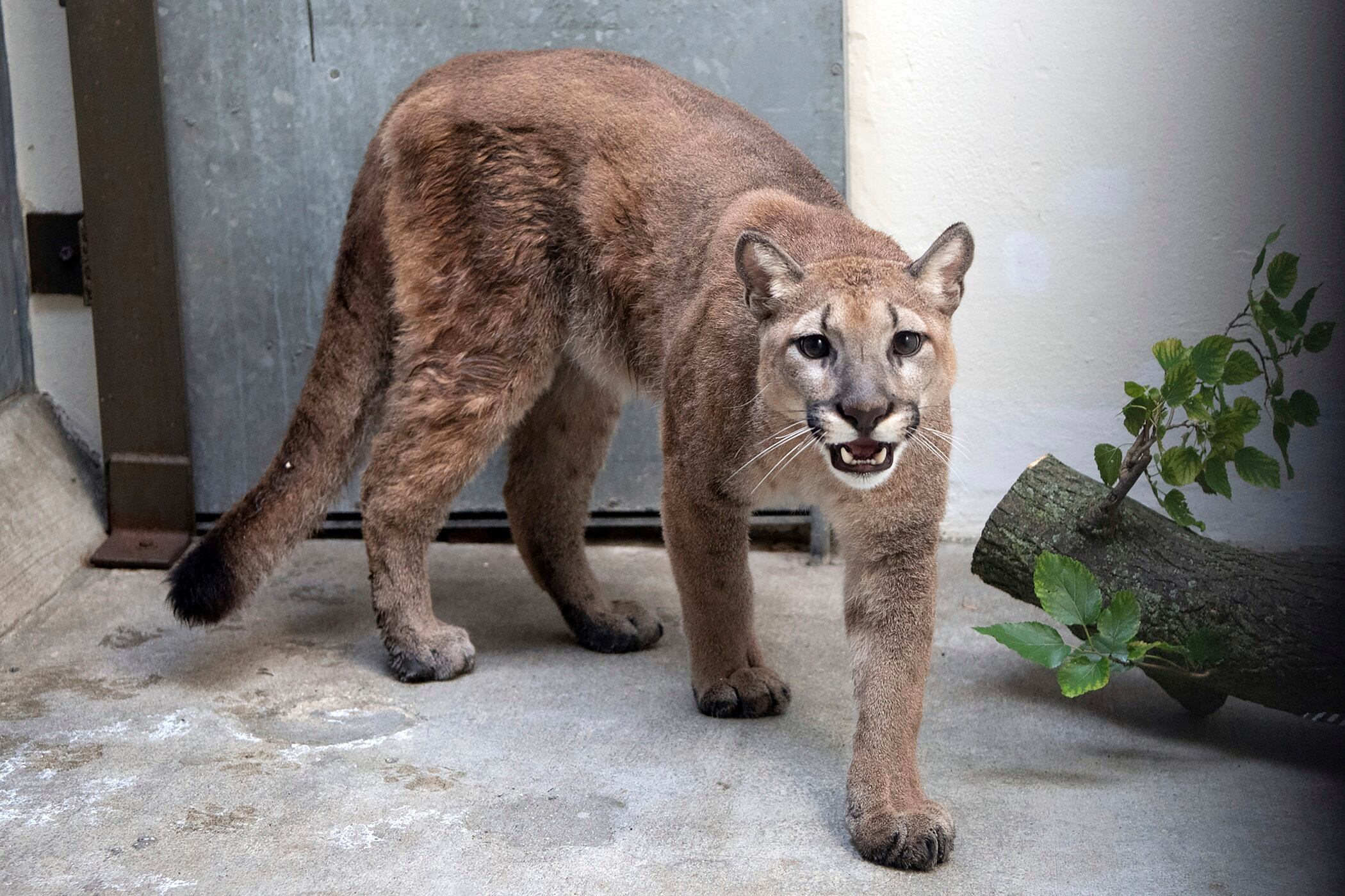
This photo provided by New York's Bronx Zoo shows an 11-month-old, 80-pound cougar that was removed from an apartment, in the Bronx borough of New York, where she was being kept illegally as a pet, animal welfare officials said Monday, Aug. 30, 2021. The cougar, nicknamed Sasha, spent the weekend at the Bronx Zoo receiving veterinary care and is now headed to the Turpentine Creek Wildlife Refuge in Arkansas, officials said. (Courtesy of The Bronx Zoo via AP)
An 80-pound cougar was removed from a New York City apartment where she was being kept illegally as a pet, animal welfare officials said Monday.
The owner of the 11-month-old female cougar surrendered the animal on Thursday, Kelly Donithan, director of animal disaster response for the Humane Society of the United States, said in a news release.
The cougar, nicknamed Sasha, spent the weekend at the Bronx Zoo receiving veterinary care and is now headed to the Turpentine Creek Wildlife Refuge in Arkansas, officials said.
The Humane Society coordinated with zoo officials, the state Department of Environmental Conservation and the New York Police Department on the big cat's removal.
“I’ve never seen a cougar in the wild, but I’ve seen them on leashes, smashed into cages, and crying for their mothers when breeders rip them away," the Humane Society’s Donithan said. “I’ve also seen the heartbreak of owners, like in this case, after being sold not just a wild animal, but a false dream that they could make a good ‘pet.’”
Donithan said this cougar was relatively lucky because her owners, who live in the Bronx, recognized that a wild cat is not fit to live in an apartment and surrendered her.
“The owner’s tears and nervous chirps from the cougar as we drove her away painfully drives home the many victims of this horrendous trade and myth that wild animals belong anywhere but the wild," Donithan said.
Department of Environmental Conservation Commissioner Basil Seggos said that while cougars "may look cute and cuddly when young, these animals can grow up to be unpredictable and dangerous."
Bronx Zoo director Jim Breheny said the exotic pet trade makes no contribution to the conservation of endangered species.
“These animals often end up in very bad situations, kept by private individuals who don’t have the resources, facilities, knowledge, or expertise to provide for the animals’ most basic needs,” Breheny said. "In addition to these welfare concerns for the animals, the keeping of big cats by private people poses a real safety hazard to the owner, the owner’s family and the community at large.”
New York has seen other notable cases involving dangerous animals in private residences, including Ming, a 400-pound tiger that was removed from a Harlem apartment in 2003.
Ming’s owner, Antoine Yates, was arrested and sentenced to five months in prison for reckless endangerment. Ming died in 2019 at the Noah’s Lost Ark Exotic Animal Rescue Center in Ohio.
Police Commissioner Dermot Shea said the cougar's case “is currently under investigation and no further information is available at this time.”
Although this week's weather is predicted to be less severe than the 2021 storm, Texans are preparing for the worst - stocking up on supplies and emptying shelves in grocery stores, once again. Some Texans still have not recovered from last year's tragedy, and are heading into the next few weeks with anxiety for what's to come. Leslie Beyer, CEO of the Houston-based energy workforce & technology council, joins Cheddar News to discuss if the Texas grid will fail again.
Student loan debt continues to be a major concern for tens of millions of Americans who collectively owe about $1.7 trillion. Black college students often take on larger amounts of student debt in order to pay for a higher education. In turn, they are more likely to struggle post-graduation with repaying their debt, creating a racial wealth gap divide. Andre Perry, senior fellow at Brookings Institution joined All Hands to help break down the black student debt crisis.
BTS’ hit single “Butter” tops the zeitgeist again, bumping back up to number one on Billboard’s Hot Trending Chart. The chart tracks what songs people are talking about rather than what they're listening to.
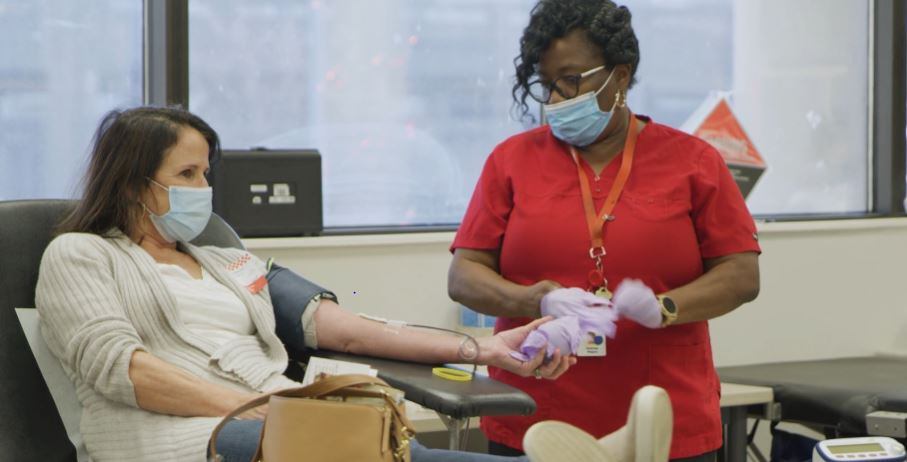
The American Red Cross has declared its first-ever "national blood crisis" in the United States. Since COVID hit the U.S. in March 2020, blood donations have declined by 10 percent. American Red Cross Medical Director, Dr. Baia Lasky joined Cheddar News to discuss the country facing the worst blood shortage in over a decade. Dr. Lasky noted that as much as 40 percent of Americans are eligible to donate blood but only about 4 percent do so. "This is going to be ongoing," she said. "This is not an acute shortage. We really do need the commitment of people to come out and donate and donate again." Appointments to donate can be made by using the Red Cross Donor App, at RedCrossBlood.org, or calling 1-800-RED CROSS (1-800-733-2767).
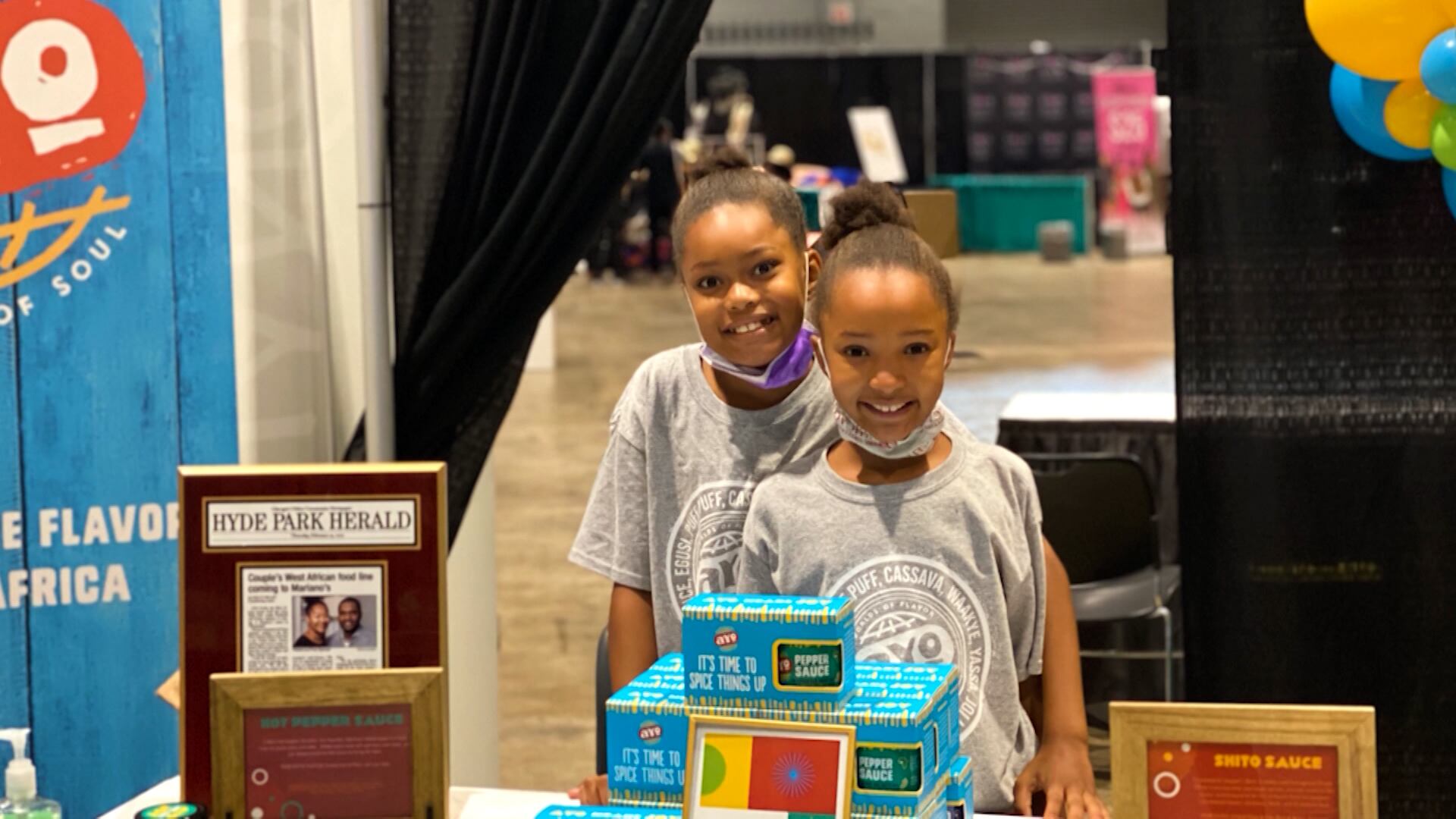
On this episode of ChedHER: Co-Founder of VC firm CaJE breaks down how she's creating a new era of venture capital and empowering Black women with 'soil' funding to start and grow their businesses; AYO Foods Co-Founder discusses how the brand is bringing West African cuisine to the frozen food industry and building a grocery aisle her daughters can be proud of; Chief Marketing & Customer Experience Officer at Chase Auto talks her experience being a woman of color in the auto industry, and why transportation is so important to financial freedom.
Renée Horne, chief marketing and customer experience officer at Chase Auto, joins ChedHER to discuss her experience being a woman of color in the auto industry and why transportation is so important to financial freedom.
Perteet Spencer, Co-Founder of AYO Foods, joins ChedHER to discuss how the brand is bringing West African cuisine to the frozen food industry and building a grocery aisle her daughters can be proud of.