The more than 11 million undocumented immigrants in the United States are being hit especially hard by the coronavirus pandemic as that population deals with the fears of being deported and economic hardship as a result of the outbreak.
According to a recent survey by the Coalition for Human Immigrant Rights in California, undocumented immigrants and their relatives are more worried about the economic toll of the coronavirus than actually becoming infected. Among those surveyed, 95 percent were worried about paying bills while 89 percent of the population was more concerned about losing work.
Andrea Flores, the deputy director of policy for the Equality Division of the American Civil Liberties Union, said the virus is weighing on the immigrant population.
"This is preventing immigrant families from being able to support themselves and to take care of their families in terms of accessing care and buying groceries," said Flores. "They won't have access to the same safety net benefits that Congress may be putting forth for citizens."
While President Trump has said undocumented immigrants should be able to get tested without the threat of being arrested or deported, many immigrants are still living in fear of ICE. Currently, the ACLU's position is that ICE enforcement that could deter people from seeking care should be suspended . The ACLU agrees that the last thing ICE should be doing during a 'stay at home' order is making immigrants feel scared to access healthcare or be afraid to go to the grocery store.
"Immigration status doesn't matter at a time like this," said Flores. "This public health crisis impacts everybody and it's important for your neighbors to be tested."
Jill and Carlo look back on a year since the pandemic was declared, plus the latest on the stimulus, what's the deal with Roblox, and deepfakes get real.
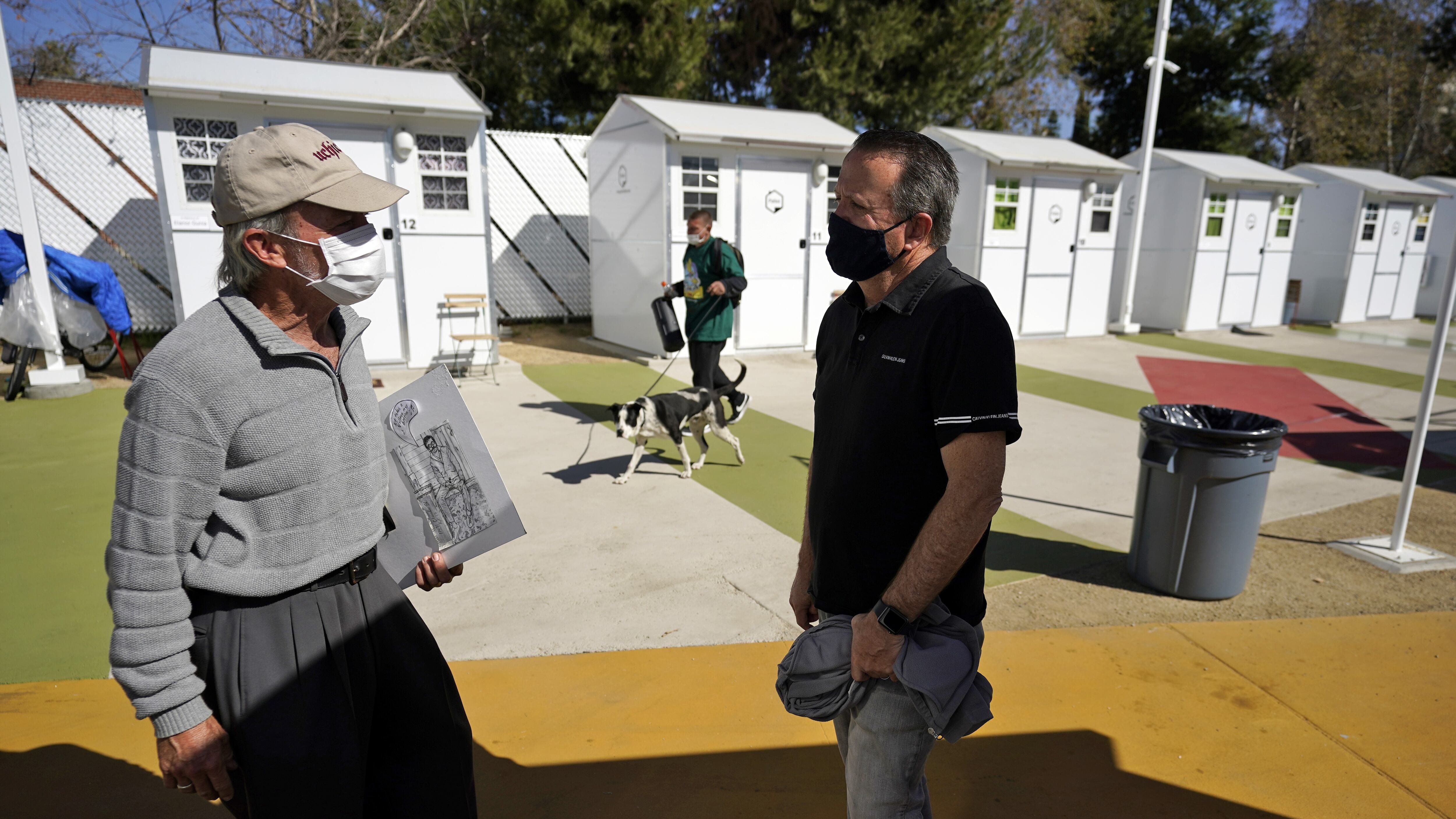
Tiny homes have been promoted as the solution to all kinds of housing needs — an affordable option in expensive big cities and simplicity for people who want to declutter their lives. They are increasingly used as shelter for homeless people in other California cities, including San Jose and Sacramento, as well as nationally in Seattle, Minneapolis and Des Moines, Iowa.
Eisenhower’s interstate system was the biggest infrastructure project of its time. What justified the cost was its potential to connect all corners of America, but the unforeseen impacts of the highway system seemed to do the opposite of the intention.
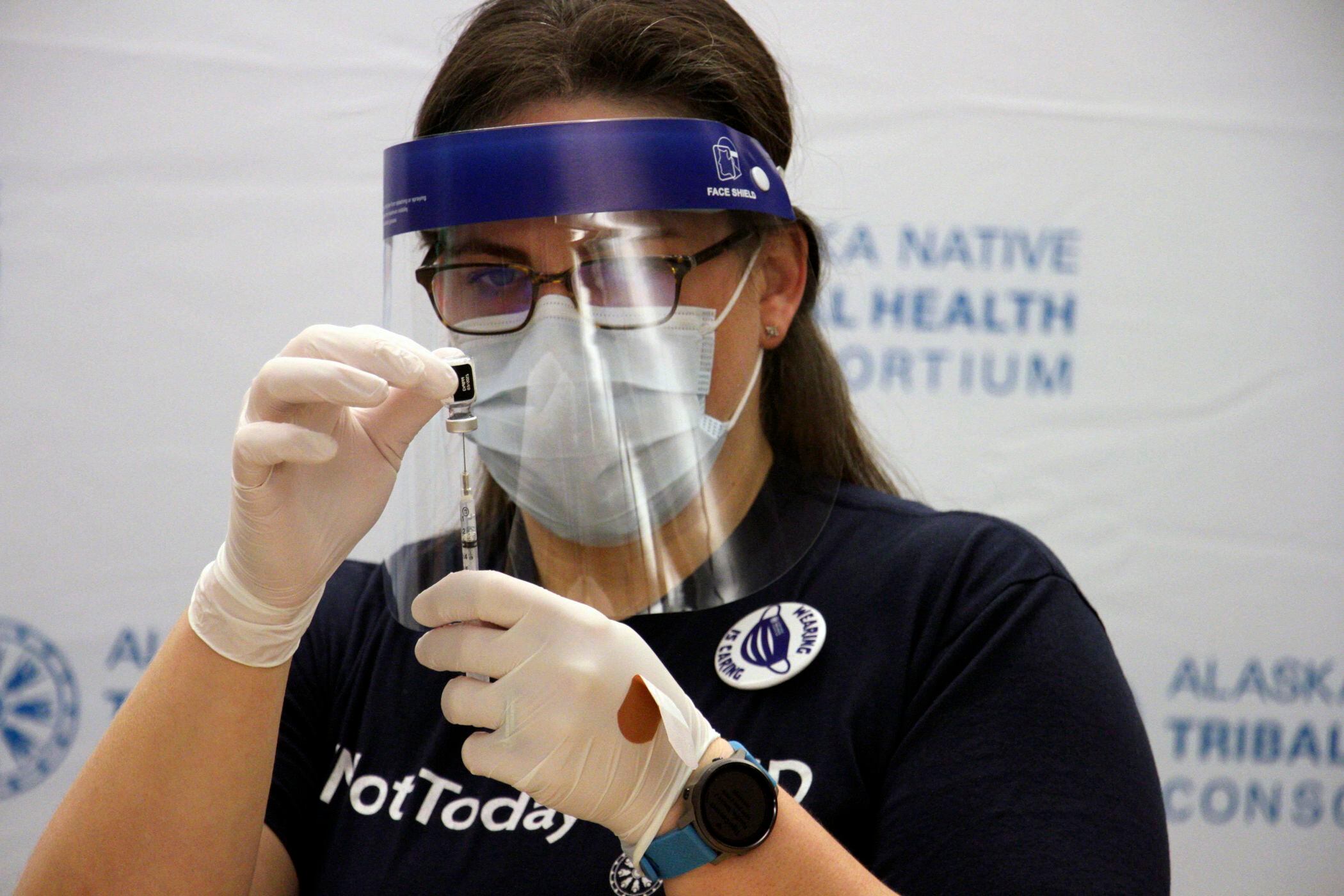
Dr. Anne Zink, chief medical officer for the state of Alaska, spoke to Cheddar about Alaska's remarkable task of getting COVID vaccines to a widespread populace even as the state opens up eligibility to nearly everyone.
Nod your head, chug your cocktail, or just close your tired eyes if you’ve done any of the following during this crazy quarantine
Roblox, a gaming platform last valued at $29.5 billion in the private sector, took off immediately in its public debut on the NYSE Wednesday.
Alaska becomes the first state to drop all eligibility requirements for vaccinations. Breast milk from vaccinated mothers is shown to have antibodies. Biden won't put his name on the stimulus checks, and more.
Buckingham Palace says allegations of racism made earlier this week by Prince Harry and Meghan were “concerning” and would be addressed privately by the royal family.
COVID infections are on the rise in U.S. prisons and are accounting for some of the largest outbreaks. Cheddar's Michelle Castillo reports.
Olympic gold medalist Gabby Douglas spoke to Cheddar about the need for aspiring athletes to address both their mental and physical health and her partnership with Smoothie King.