The more than 11 million undocumented immigrants in the United States are being hit especially hard by the coronavirus pandemic as that population deals with the fears of being deported and economic hardship as a result of the outbreak.
According to a recent survey by the Coalition for Human Immigrant Rights in California, undocumented immigrants and their relatives are more worried about the economic toll of the coronavirus than actually becoming infected. Among those surveyed, 95 percent were worried about paying bills while 89 percent of the population was more concerned about losing work.
Andrea Flores, the deputy director of policy for the Equality Division of the American Civil Liberties Union, said the virus is weighing on the immigrant population.
"This is preventing immigrant families from being able to support themselves and to take care of their families in terms of accessing care and buying groceries," said Flores. "They won't have access to the same safety net benefits that Congress may be putting forth for citizens."
While President Trump has said undocumented immigrants should be able to get tested without the threat of being arrested or deported, many immigrants are still living in fear of ICE. Currently, the ACLU's position is that ICE enforcement that could deter people from seeking care should be suspended . The ACLU agrees that the last thing ICE should be doing during a 'stay at home' order is making immigrants feel scared to access healthcare or be afraid to go to the grocery store.
"Immigration status doesn't matter at a time like this," said Flores. "This public health crisis impacts everybody and it's important for your neighbors to be tested."
Healthcare workforce management platform ShiftMed
recently announced a $45 million funding round.
The company's platform connects nurses and healthcare professionals to hospitals and other healthcare providers.
ShiftMed's new funding comes amid widespread labor shortages in the healthcare sector. The company's CEO Todd Walrath joins Cheddar News' Closing Bell to discuss.
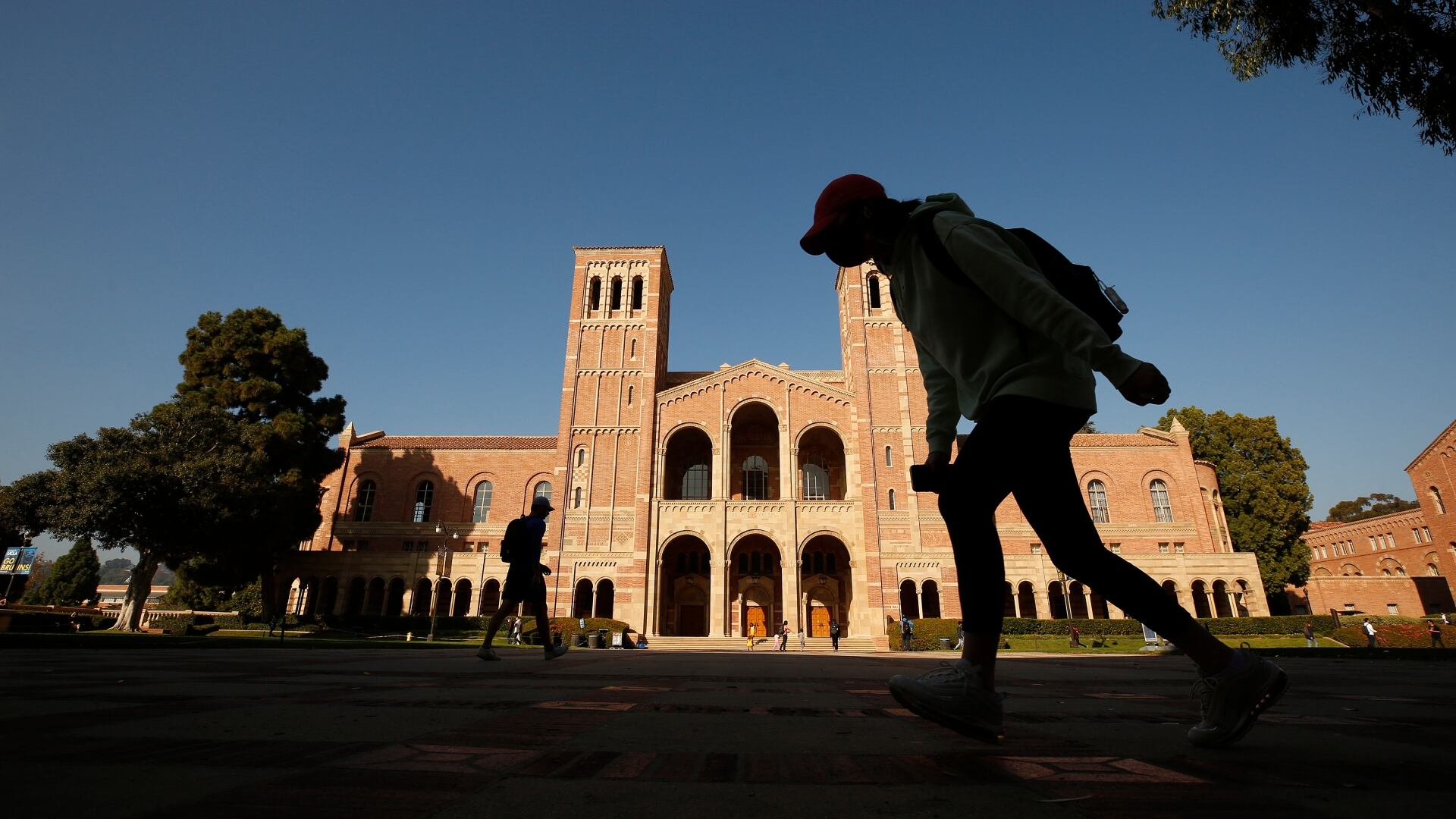
Universities like UCLA, Yale, and Duke have announced they're implementing remote learning amid the COVID omicron variant surge, despite President Biden recommending that K-12 schools should continue in-person education. Jared C. Bass, senior director for Higher Education at American Progress, joined Cheddar to break down what institutions of higher education might be considering differently. "I think some universities are allowing periods of a bit of a respite to allow students to get testing and make sure when they do return back to campus that they're healthy," he noted.
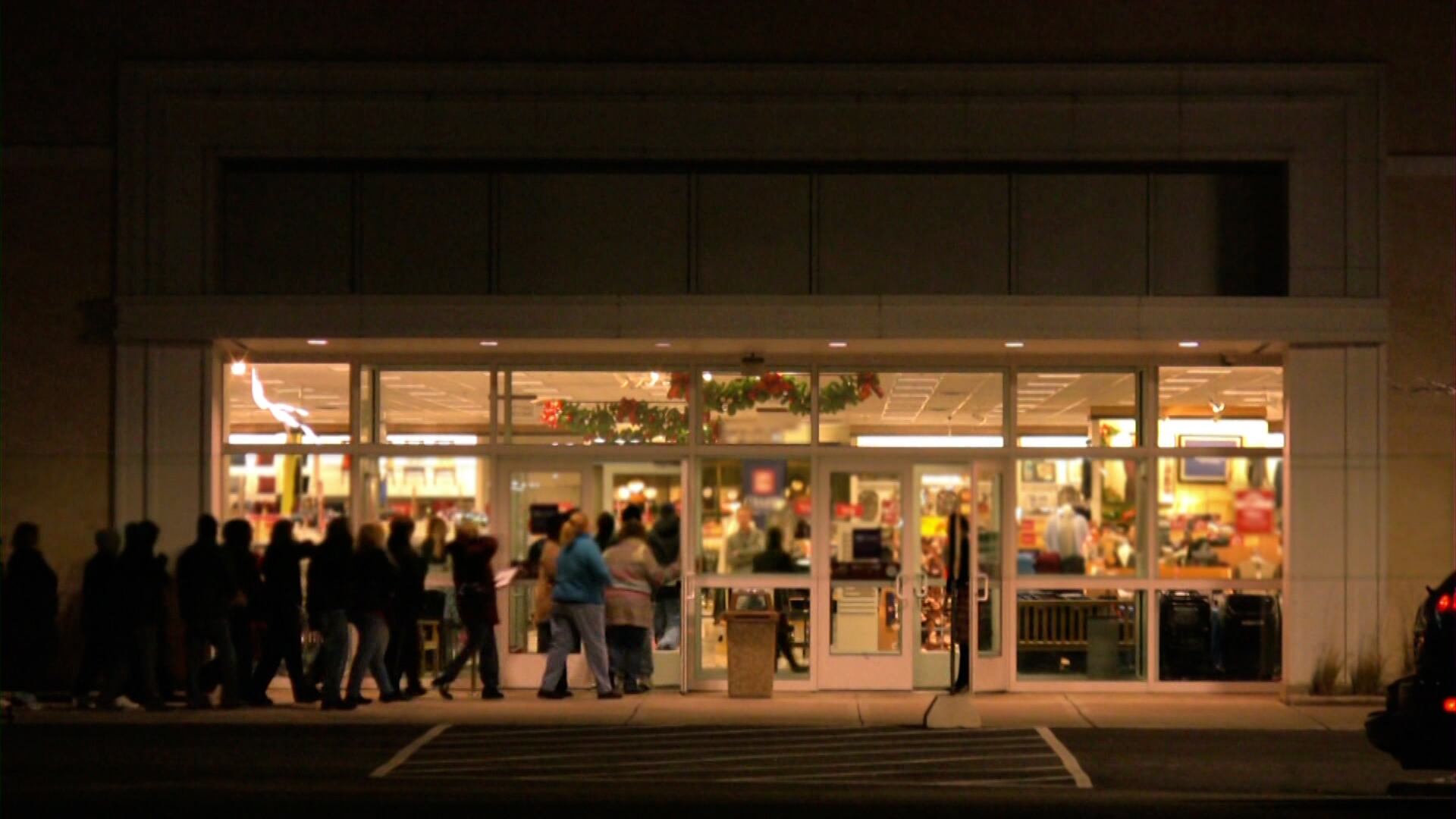
The typical holiday rush to malls and other retail outlets on "Super Saturday" fell by 26 percent compared to 2019. Melissa Gonzalez, CEO and founder of retail strategist Lionesque Group, told Cheddar that shopping habits had already been changing. "I just think there's a shift in general. And then there's just a lot more pre-planning, and I don't think that's going to go away," she said. "You saw a lot of holiday gift guides go out earlier and deals go out earlier, so I think that's just going to be a trend going forward." She also discussed how cryptocurrency is going to play a role in retail in 2022.
Jeanenne Tornatore, travel expert, media personality, content creator, and former Orbitz senior editor, joins Cheddar News' Closing Bell, where she runs through items flyers should be mindful of this holiday season as the omicron coronavirus variant continues to spread.
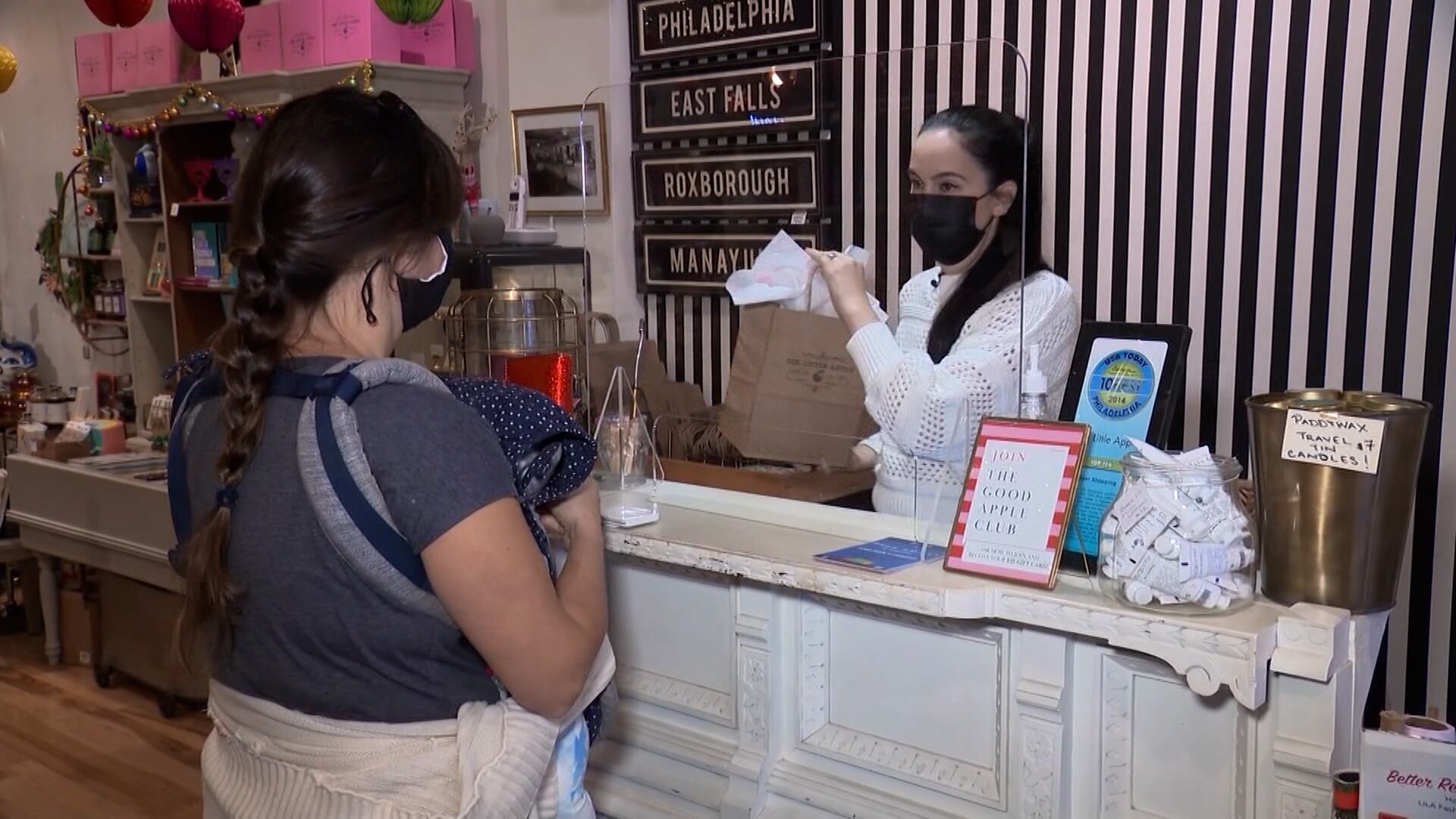
With only two days left until Christmas, last-minute shoppers are facing major issues caused by supply chain shortages and the rising omicron variant. Kristen Gall, president of Rakuten Rewards, joins Cheddar News to discuss.
Waze launched its first-ever "Year in Rear View" survey. Andrew Stober, Waze Head of Public Partnerships and Carpool, takes a look back at the year in travel to see the places we drove the most, the books and music that kept us entertained, and what we can expect in 2022.
Juan Perez Jr., education reporter for Politico, breaks down why Black Americans are leaving Chicago and how political controversy is impacting representation.