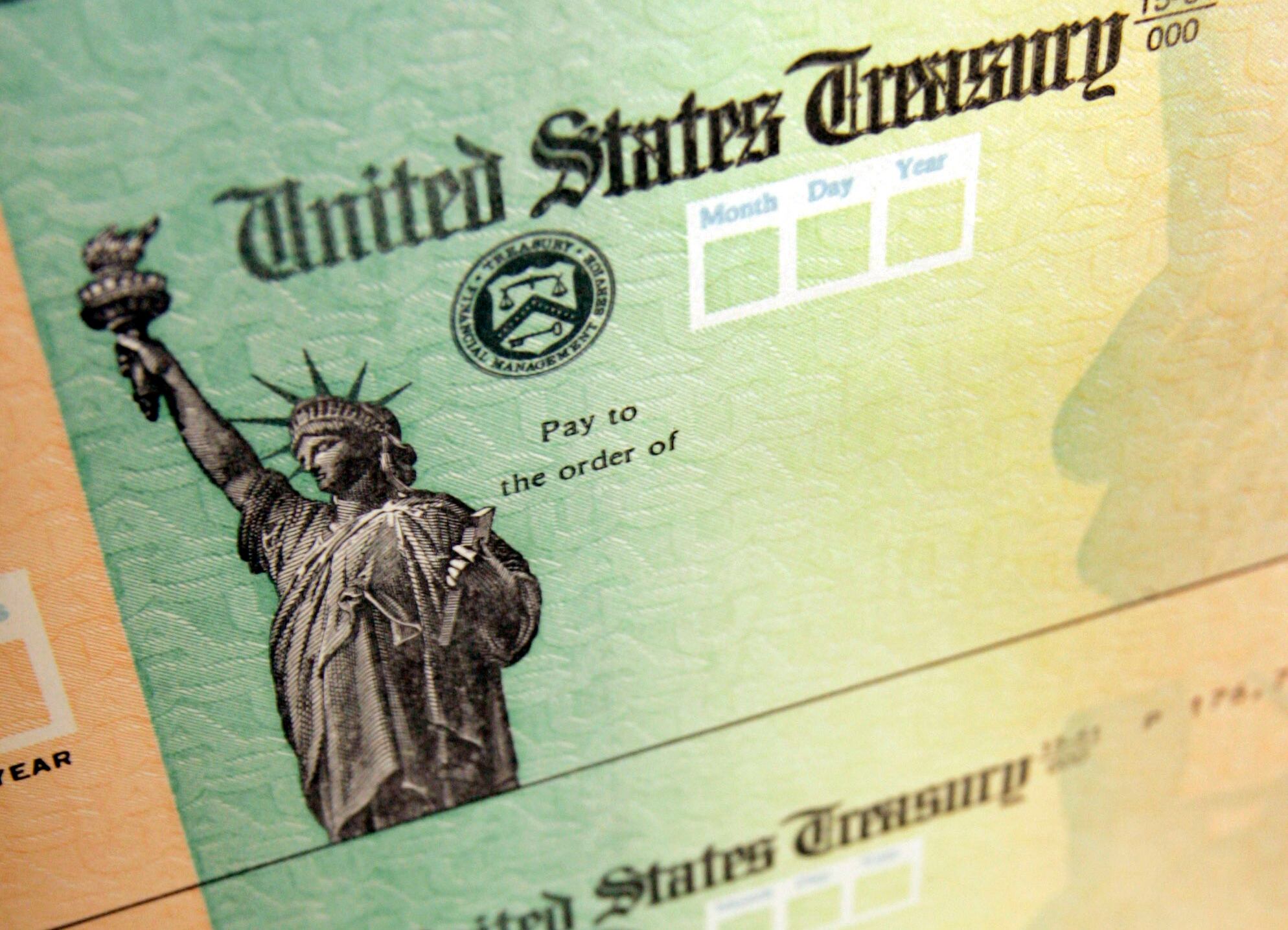
Fintech companies have long touted their ability to bank the unbanked, but the coronavirus pandemic is giving them a chance to put their money where their mouths are. With an immediate need for Americans to receive coronavirus stimulus checks — whether they have bank accounts of not — it is separating the nice-to-have apps, geared toward the affluent, from innovative products that can help a broader audience.
Square and PayPal both operate successful person-to-person money transfer services that already include a direct deposit feature, making users' cash balances, from which they're encouraged to spend, function as checking accounts. Now both companies are promoting that feature for the 8.4 million U.S. households, including 14.1 million adults, that don't have bank accounts. Many may be expecting the coronavirus stimulus check promised in the CARES Act, but want to avoid waiting for a paper check to arrive in the mail.
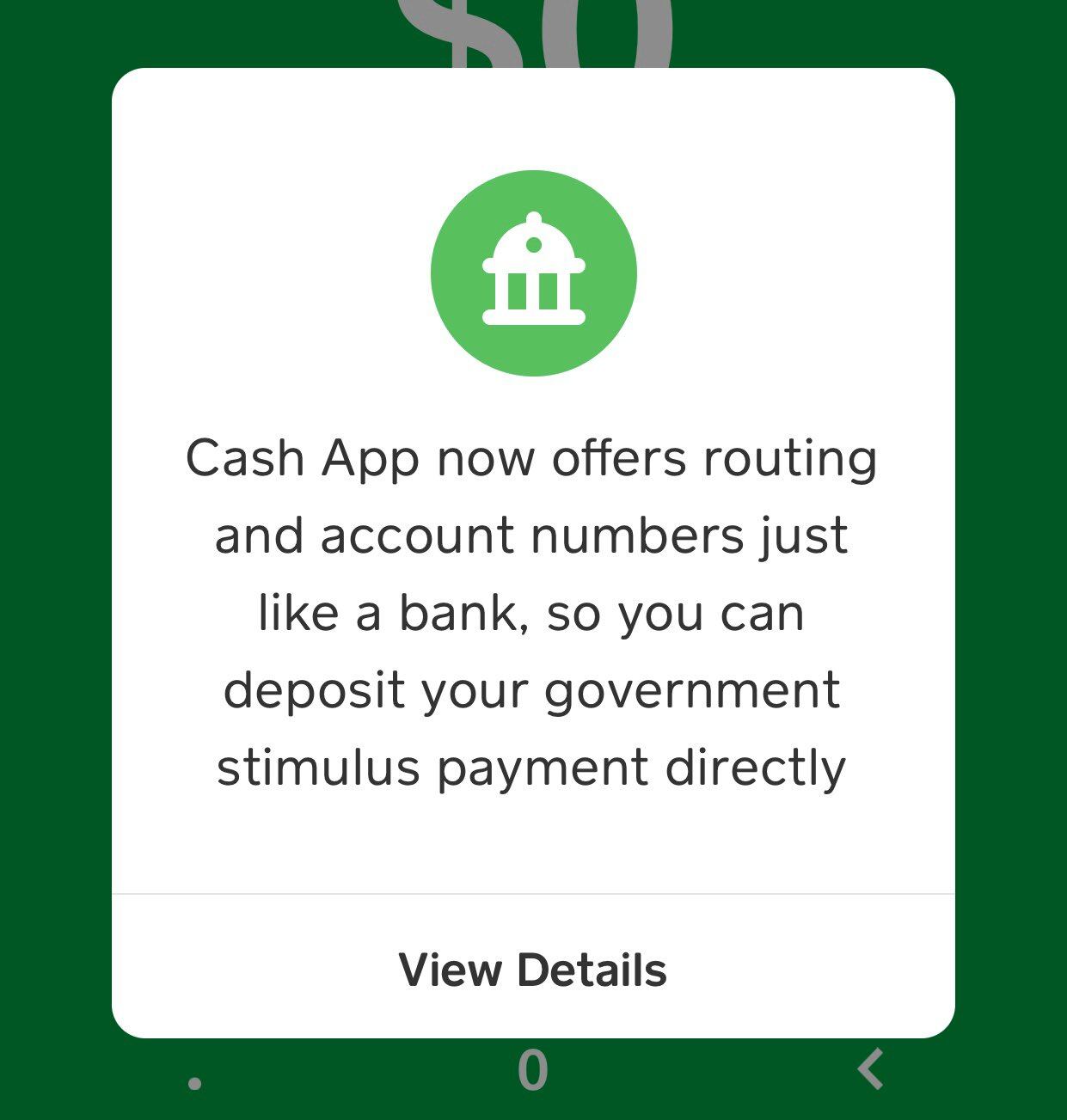
Square says customers whose Cash App account numbers are already on file with the IRS began receiving stimulus payments on Friday.
Both company CEOs, Square's Jack Dorsey and PayPal's Dan Schulman, have appeared publicly committed for years to serving the unbanked and the underbanked through product and merger activity. Much younger and much smaller fintech and payments companies have similar motivations, though not quite the reach of Square and PayPal.
Of note, PayPal's popular Venmo app will not be an option for Americans without a bank account looking to get their stimulus check faster. The brand only provides direct deposit to Venmo Card holders, which requires having a Venmo account — and to get a Venmo account, a user must have a U.S. bank account. However, PayPal Card, another option from the parent company, does not require a bank account.
On Friday the U.S. Treasury Department and the Internal Revenue Service launched an online portal for Americans who didn't file their taxes for 2018 or 2019 to enter their bank account information so they can receive their stimulus check. They're developing a separate online portal for those who did file their taxes but didn't provide bank account information, which is expected to launch this week. (Those who did file, and submitted their bank account information to receive a refund, are instructed to expect their stimulus check to be automatically deposited into that same account.)
Now the government is also looking to provide its own answer to reaching unbanked Americans digitally. A bill introduced last month by the Senate Banking Committee would allow people to set up "FedAccounts" where they could receive COVID-19-related relief payments quickly and efficiently. They would continue to function as a bank account after the pandemic to avoid usurious and predatory financial services. Contracting with the fintech industry, however, is probably the more efficient and effective route based on its technological and validating abilities alone, said Aaron Klein, a fellow at the Brookings Institution.
Access to bank accounts isn't the only problem Americans may face when it comes to coronavirus relief. The U.S. payments system is notoriously and egregiously slow. Banks can hold people's stimulus checks for a business day before moving it along to consumers' bank accounts per an old, pre-digital law the Federal Reserve hasn't moved to improve, according to Klein.
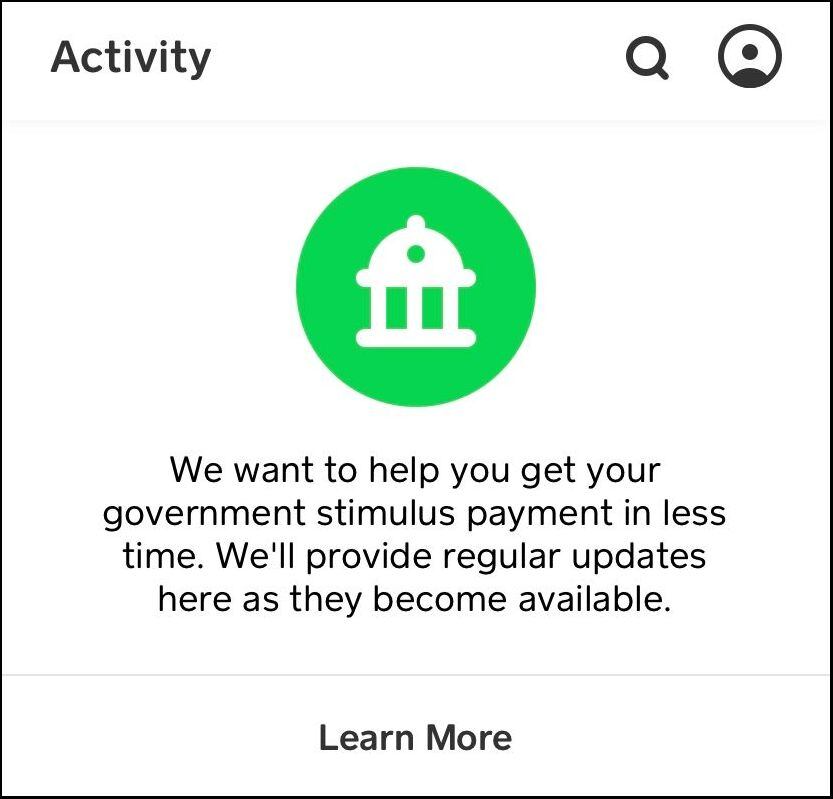
"Americans will spend, individually, hundreds of dollars, collectively, billions trying to access the promised money the federal government is slow in delivering," Klein said. "Are they going to go to check cashers? Payday lenders? Are they going to overdraft their bank account? They're not going to sit and wait."
Chime, a 7-year-old digital banking startup, is working on a way to get its eight million customers their stimulus paychecks early by fronting the money itself. Earlier this month it used its overdraft feature, called SpotMe, which allows users' bank account balances to dip into the negative without charging them a fee, to give 1,000 randomly selected users a $1,200 paycheck advance while they wait for the government disbursement to come through. Now it wants to do that for as many users as possible.
On Friday, Chime said the government had informed banks that stimulus payments for the first batch of electronic tax filers will be released on Wednesday. That night, the neobank also had delivered those funds to 230,000 members in advance to help them avoid a wait.
Another neobank, Current, which is focused on banking "essential workers" living paycheck-to-paycheck, has a similar user success story. It received stimulus checks for some 10,000 of its users on Friday evening and made the funds available to them instantly. CEO Stuart Sopp said he expects that number has doubled since then; Current saw another tranche of customers due to receive stimulus checks late Sunday night.
Like Cash App and PayPal Card, Current also issues account and routing numbers instantly for those who sign up for an account.
"Getting more money as quickly as possible into people's hands is important," Sopp said. "There are lots of penalty fees, not just in financial services, but in things like telecoms and utilities. If you don't pay your bills quickly, all of a sudden you have hundreds of dollars worth of fines and fees and late payments penalty notices. So that liquidity is really important."