Dating has become extra difficult for singles in the age of social distancing. As people try to connect while keeping their distance, online dating is surging. And the hot new stat on dating profiles: COVID-19 antibody results.
"I think it gives people a sense of security. Do we know if it's real or not? No. But people are really proud of it and touting their antibody levels," Lori Zaslow, co-founder of Project Soulmate, told Cheddar.
Zaslow, a professional matchmaker, said as lockdowns continue the desire for human interaction is driving singles to use dating apps even more.
However, while communities begin the fraught process of reopening, it's unclear whether or not people will continue virtual courting. Zaslow thinks perhaps not. "I think people are desperate to get out and people in no way are going to be OK with virtual dating."
While Zaslow is not a fan of virtual dating, she admits building an emotional connection with someone before meeting in-person can be the key to a successful relationship. But do it safely.
"Really just start maybe on the phone and then a Facetime, but then meet someone. If you feel nervous, wear a mask. Get a cute mask."
For a complete checklist of Lori's quarantine dating tips, check out the full interview.
Kendall Tichner, founder and CEO of Wild Captives Archery Range in Brooklyn, NY, joined Cheddar News to discuss how she got started after going viral with her skills during the pandemic and how it led her to open her archery range where she wants to cater to more women and LGBTQ+ communities.
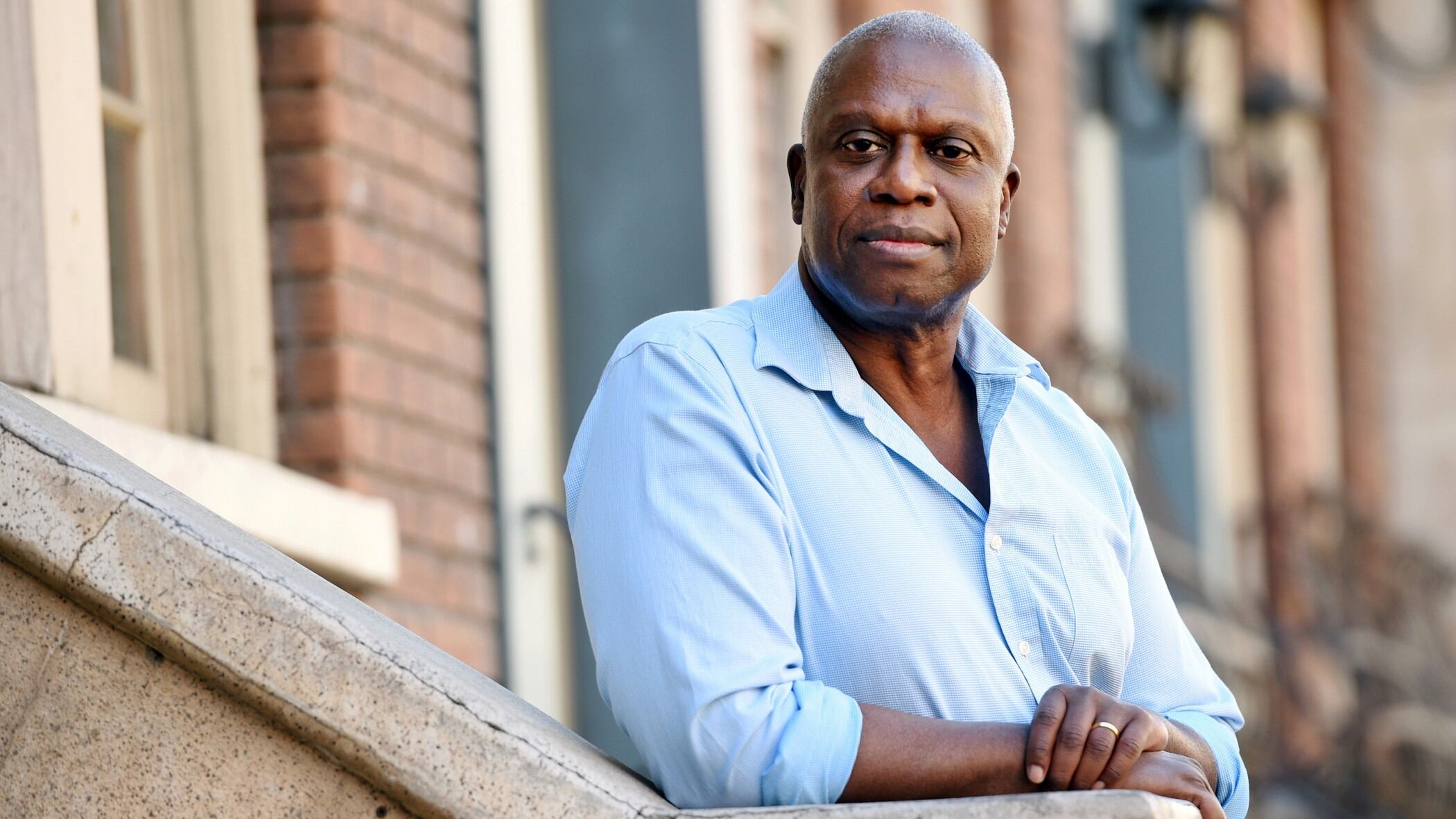
Emmy-winning actor Andre Braugher, best known in TV shows like 'Brooklyn Nine-Nine' and 'Homicide: Life on the Street,' died on Monday at the age of 61.
The Emmy-winning actor died at age 61 after a brief illness. Braugher was best known for starring as Det. Frank Pembleton in the critically acclaimed 1990s series "Homicide: Life on the Street" and as the deceptively stone-faced Capt. Ray Holt on the comedy "Brooklyn Nine-Nine" in 2013-2021.
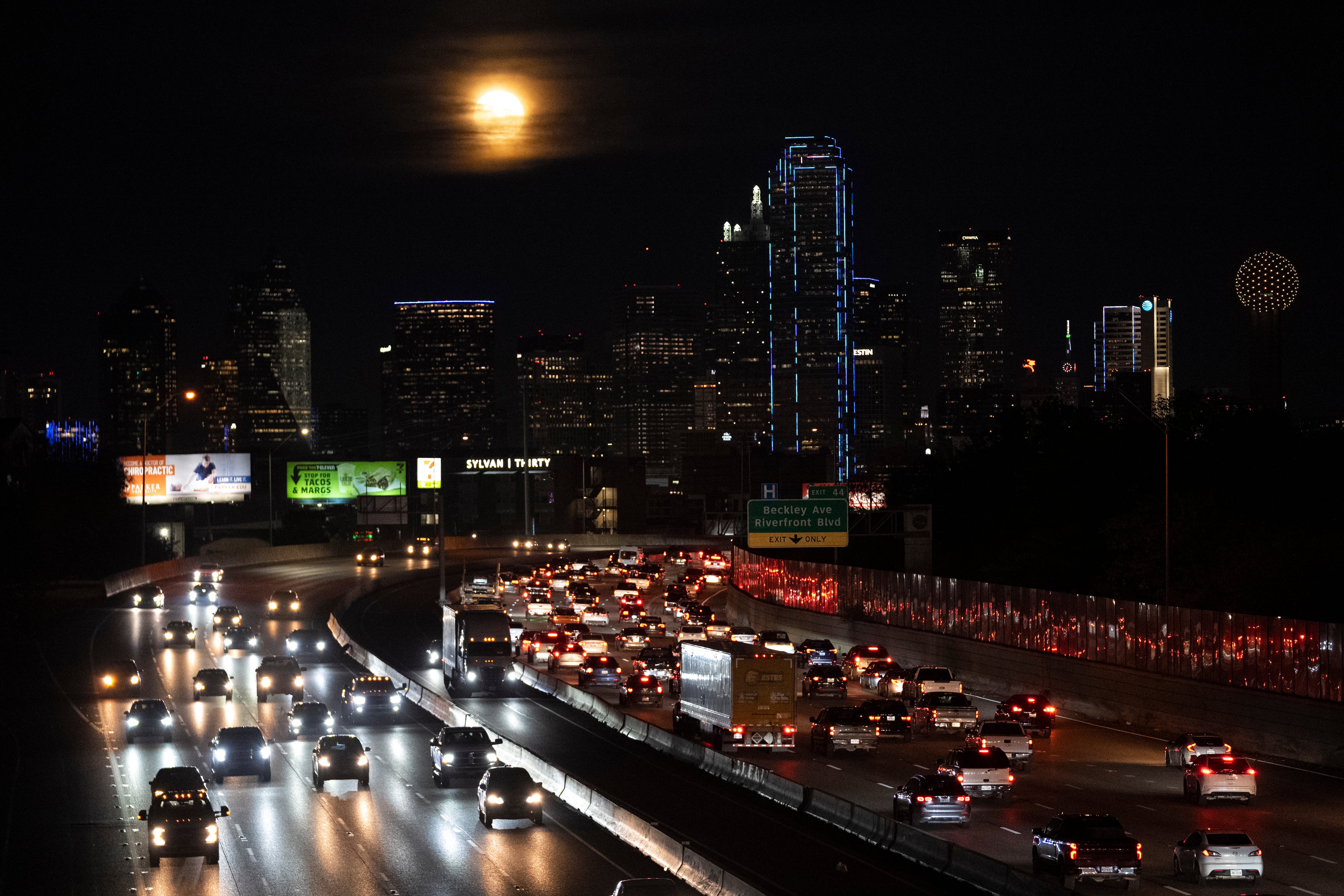
A study out of South Korea looked at over 23,000 people and found those who spend more than an hour commuting to work are 16% more likely to experience depression.