In this grab taken from file video, a view of huge container ship, Ever Given on the Suez Canal. The huge container ship that blocked the Suez Canal for nearly a week earlier this year has finally reached the port of Rotterdam to begin unloading its cargo. The Ever Given eased into a container terminal as dawn broke over the port in the Netherlands on Thursday, July 29, 2021, months later than originally planned. The Panama-flagged vessel was heading for Rotterdam when it plowed into the sandy bank of a single-lane stretch of the Suez Canal on March 23. (AP)
The huge container ship that blocked the Suez Canal for nearly a week earlier this year finally reached the port of Rotterdam in the Netherlands on Thursday to begin unloading its cargo.
As dawn broke over the sprawling port, the Ever Given eased into the Amazonehaven container terminal months later than originally planned.
The Panama-flagged vessel was heading for Rotterdam when it plowed into the sandy bank of a single-lane stretch of the canal about 6 kilometers (3.7 miles) north of the southern entrance, near the city of Suez on March 23.
Earlier this month, the Ever Given left the canal’s Great Bitter Lake, where it had been held for over three months amid a financial dispute. It was freed to continue its voyage after the ship's Japanese owner, Shoei Kisen Kaisha Ltd., reached a compensation settlement with canal authorities following weeks of negotiations and a court standoff.
The Dutch port said the vessel is expected to remain in Rotterdam until Aug. 5, when it will head for the English port of Felixstowe.
Shark attack survivor Paul de Gelder joins us to talk Navy diving, bull sharks, and his wild return in Air Jaws and more during Discovery’s Shark Week!
Joe Spector, founder of Dutch and Hims & Hers co-founder, joins us to discuss how telehealth is transforming pet care—and what’s next for modern vet medicine.
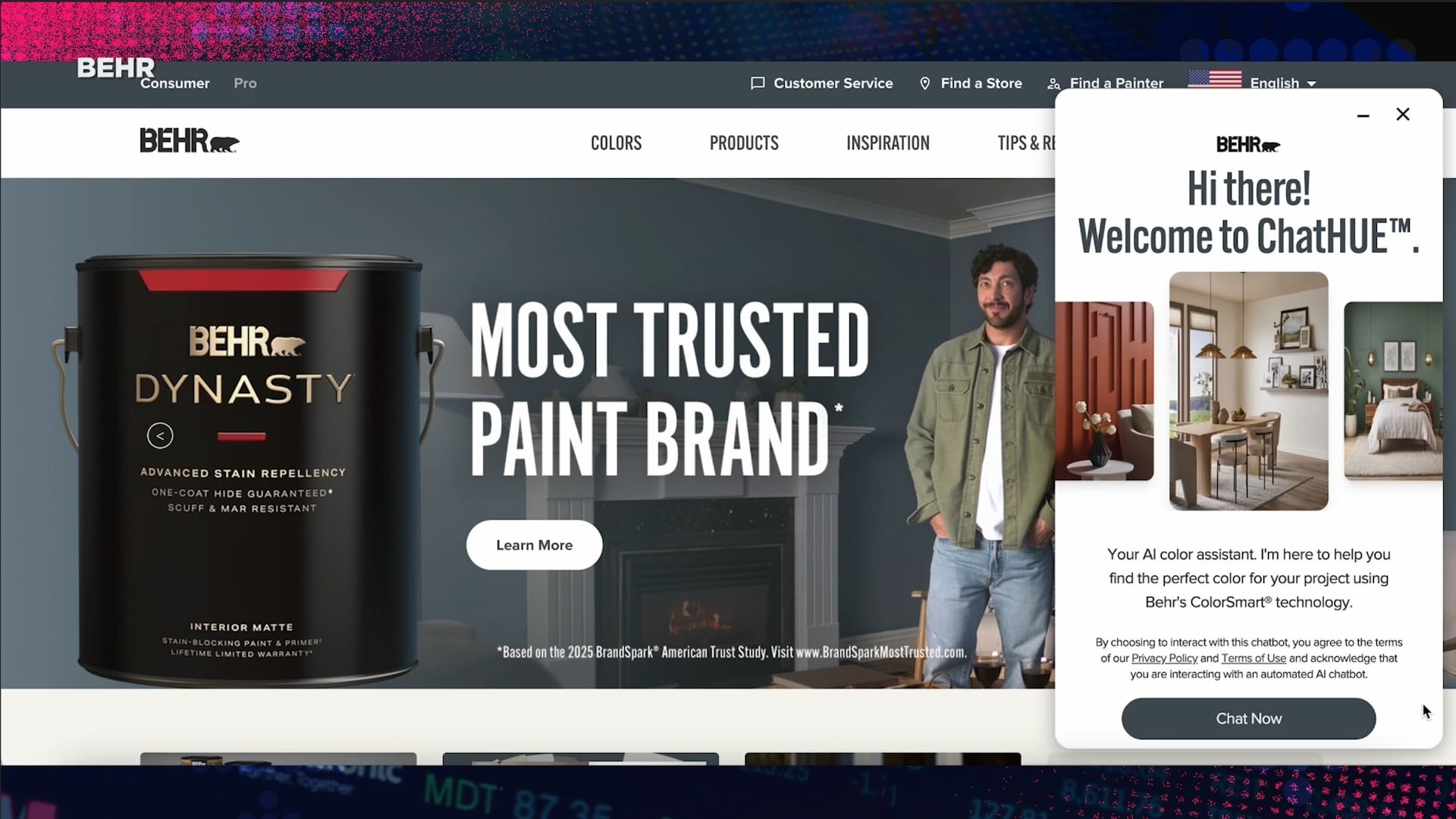
Exclusive: Behr’s Andy Lopez reveals how ChatHUE, a bold collaboration with Google, is using AI to transform how we explore, choose, and connect with color.
Brian Vendig, President & CIO of MJP Wealth Advisors, joins to break down Q2 bank earnings and what they signal for markets, investors, and the economy ahead.
Are Gen Z and Millennials done with alcohol? Bacardi's Tony Latham breaks down trends, new preferences, and insights from the 2025 Cocktail Trends Report.
Comscore’s Paul Dergarabedian breaks down the battle of summer blockbusters, from Superman to Jurassic World and Fantastic Four and what it means for studios.