In this grab taken from file video, a view of huge container ship, Ever Given on the Suez Canal. The huge container ship that blocked the Suez Canal for nearly a week earlier this year has finally reached the port of Rotterdam to begin unloading its cargo. The Ever Given eased into a container terminal as dawn broke over the port in the Netherlands on Thursday, July 29, 2021, months later than originally planned. The Panama-flagged vessel was heading for Rotterdam when it plowed into the sandy bank of a single-lane stretch of the Suez Canal on March 23. (AP)
The huge container ship that blocked the Suez Canal for nearly a week earlier this year finally reached the port of Rotterdam in the Netherlands on Thursday to begin unloading its cargo.
As dawn broke over the sprawling port, the Ever Given eased into the Amazonehaven container terminal months later than originally planned.
The Panama-flagged vessel was heading for Rotterdam when it plowed into the sandy bank of a single-lane stretch of the canal about 6 kilometers (3.7 miles) north of the southern entrance, near the city of Suez on March 23.
Earlier this month, the Ever Given left the canal’s Great Bitter Lake, where it had been held for over three months amid a financial dispute. It was freed to continue its voyage after the ship's Japanese owner, Shoei Kisen Kaisha Ltd., reached a compensation settlement with canal authorities following weeks of negotiations and a court standoff.
The Dutch port said the vessel is expected to remain in Rotterdam until Aug. 5, when it will head for the English port of Felixstowe.
If you're shopping on Amazon and want to save even more money after Prime Day, Cheddar News has got you covered. Senior reporter Michelle Castillo talked to the experts at the company to find out how you can keep an eye on deals and even get cash back on your household purchases.
Did you happen to watch the series The Bear? The show follows a struggling small business owner in Chicago who is trying to save his business. It's a story a lot of small business owners in the U.S. can relate to. To help out these struggling entrepreneurs, Cheddar News brought on an expert here to help take your company from stressful to successful.
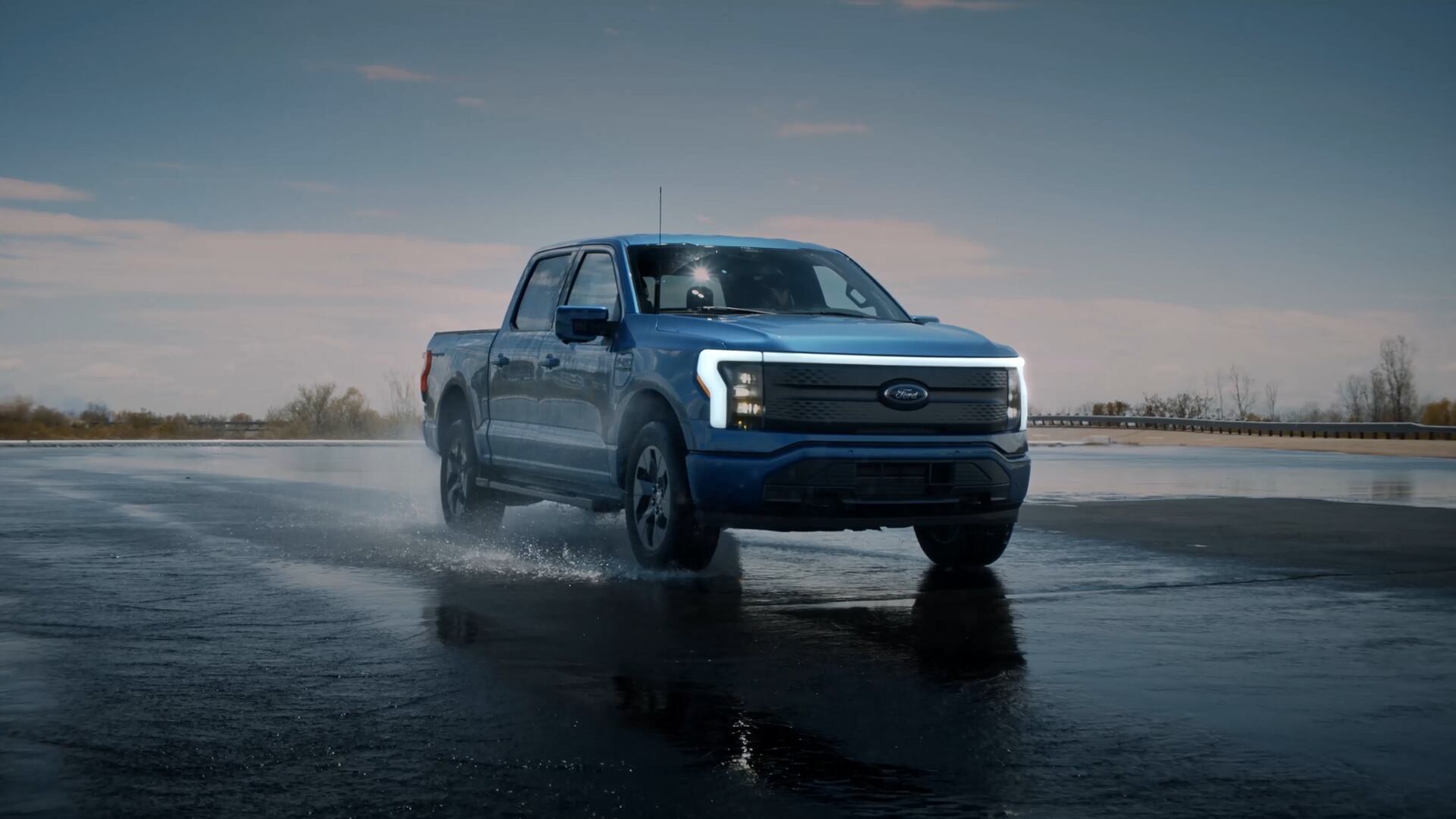
The sticker prices for Ford's F-150 Lightning electric pickup trucks are being lowered by thousands of dollars across the board, the company said Monday, due to increased plant capacity, falling costs for battery raw materials and internal efforts to scale production by the Detroit automaker.
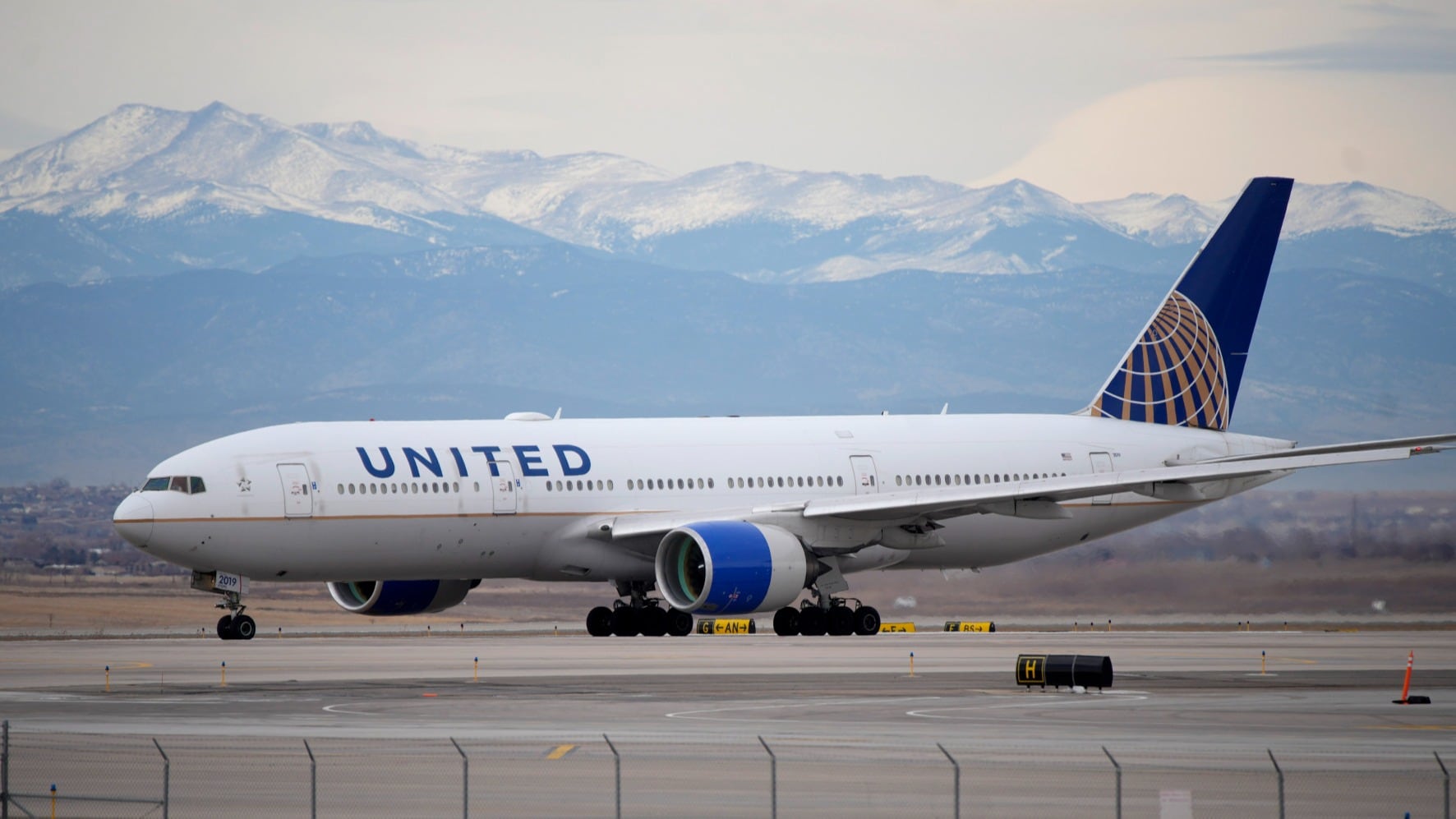
United Airlines and the union representing its pilots said Saturday they reached agreement on a contract that will raise pilot pay by up to 40% over four years.
The court’s ruling applies to higher education institutions and other entities that receive federal funding and doesn’t directly change private employer obligations, but business leaders might pull back diversity, equity and inclusion programs to avoid lawsuits.
The Week's Top Stories is a guided tour through the biggest market stories of the week, from winning stocks to brutal dips to the facts and forecasts generating buzz on Wall Street. Up this week: Meta, Disney & Microsoft-Activision Blizzard.