In this grab taken from file video, a view of huge container ship, Ever Given on the Suez Canal. The huge container ship that blocked the Suez Canal for nearly a week earlier this year has finally reached the port of Rotterdam to begin unloading its cargo. The Ever Given eased into a container terminal as dawn broke over the port in the Netherlands on Thursday, July 29, 2021, months later than originally planned. The Panama-flagged vessel was heading for Rotterdam when it plowed into the sandy bank of a single-lane stretch of the Suez Canal on March 23. (AP)
The huge container ship that blocked the Suez Canal for nearly a week earlier this year finally reached the port of Rotterdam in the Netherlands on Thursday to begin unloading its cargo.
As dawn broke over the sprawling port, the Ever Given eased into the Amazonehaven container terminal months later than originally planned.
The Panama-flagged vessel was heading for Rotterdam when it plowed into the sandy bank of a single-lane stretch of the canal about 6 kilometers (3.7 miles) north of the southern entrance, near the city of Suez on March 23.
Earlier this month, the Ever Given left the canal’s Great Bitter Lake, where it had been held for over three months amid a financial dispute. It was freed to continue its voyage after the ship's Japanese owner, Shoei Kisen Kaisha Ltd., reached a compensation settlement with canal authorities following weeks of negotiations and a court standoff.
The Dutch port said the vessel is expected to remain in Rotterdam until Aug. 5, when it will head for the English port of Felixstowe.
Imagine a world with just a handful of mediocre beer options. Terrible, right? That was the U.S. before the explosion of craft breweries, the Samuel Adams founder says.
March was a blockbuster month for jobs, with 303,000 new positions – and paired with slower wage growth, an economist and a portfolio manager agree this could be the ‘best of both worlds.’
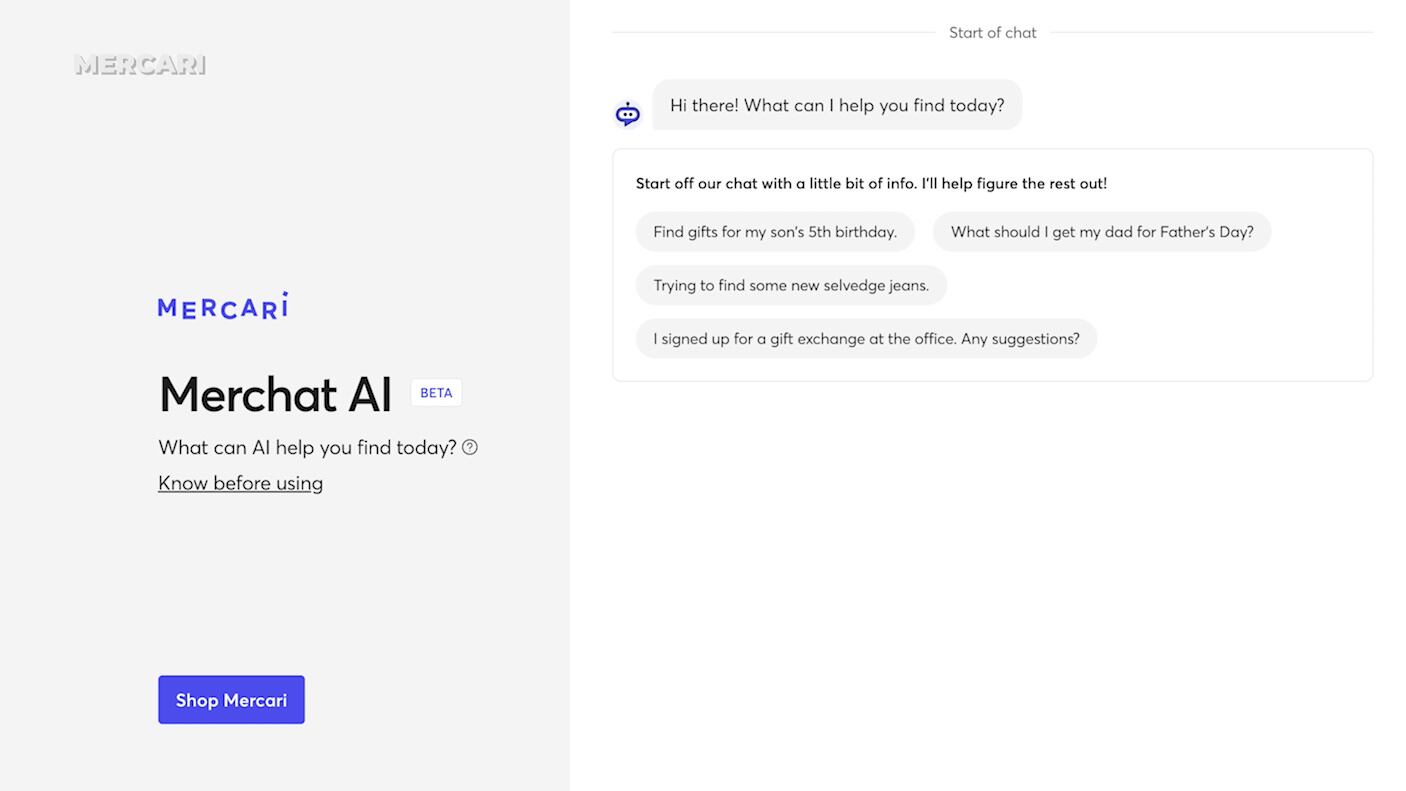
Resale platforms do big business – and Mercari just became the first in the U.S. to eliminate all fees for sellers and completely changed how returns work on its platform.
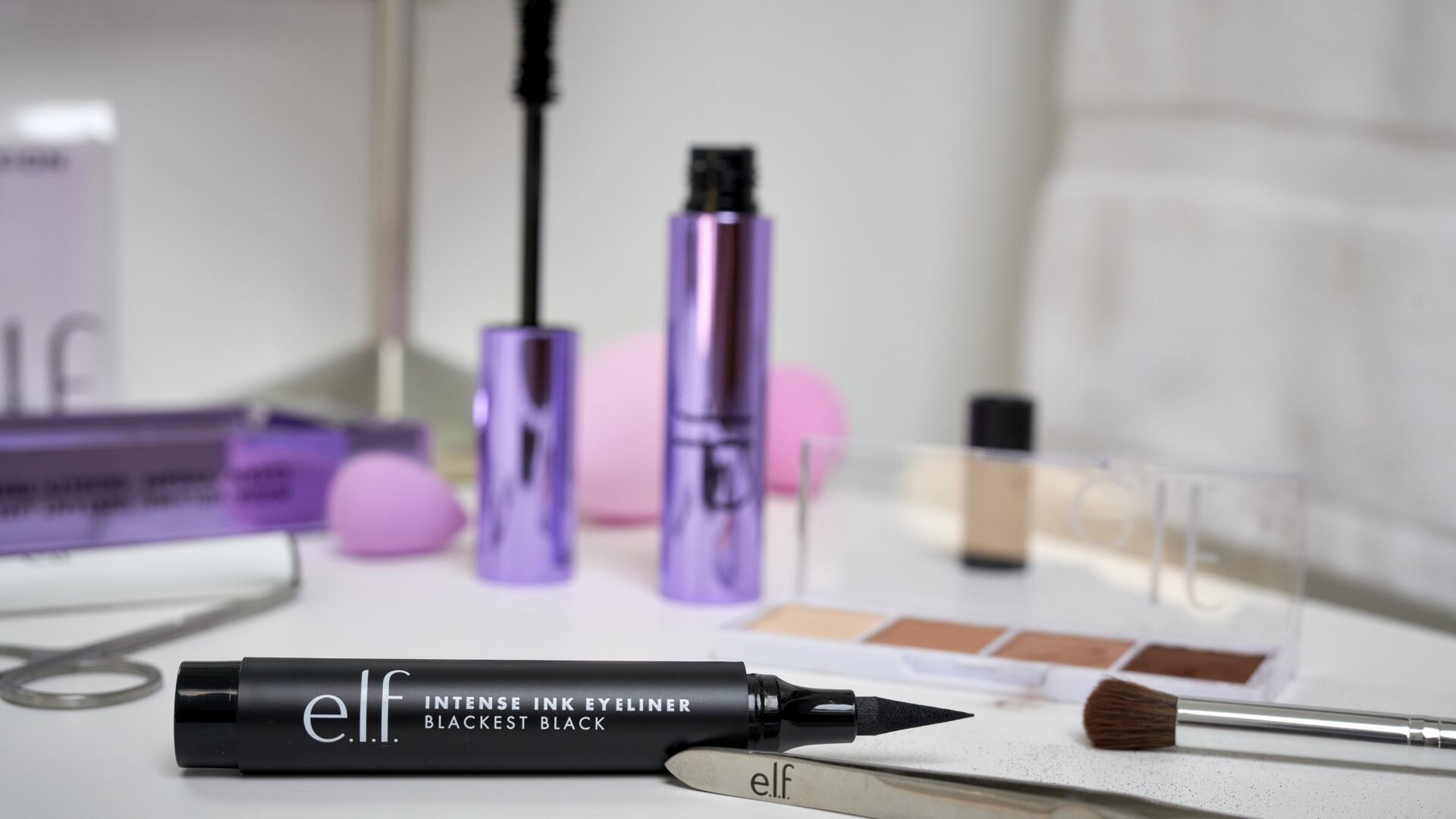
e.l.f.’s affordable price point and makeup and skincare options made it a social media darling – and the company’s CEO says the company even gets product ideas from its audience.
Nearly 40% of Americans choose travel over financial stability, funding trips on credit and sacrificing other budget line items to take a vacation — because live fast or die trying.