By Martin Crutsinger
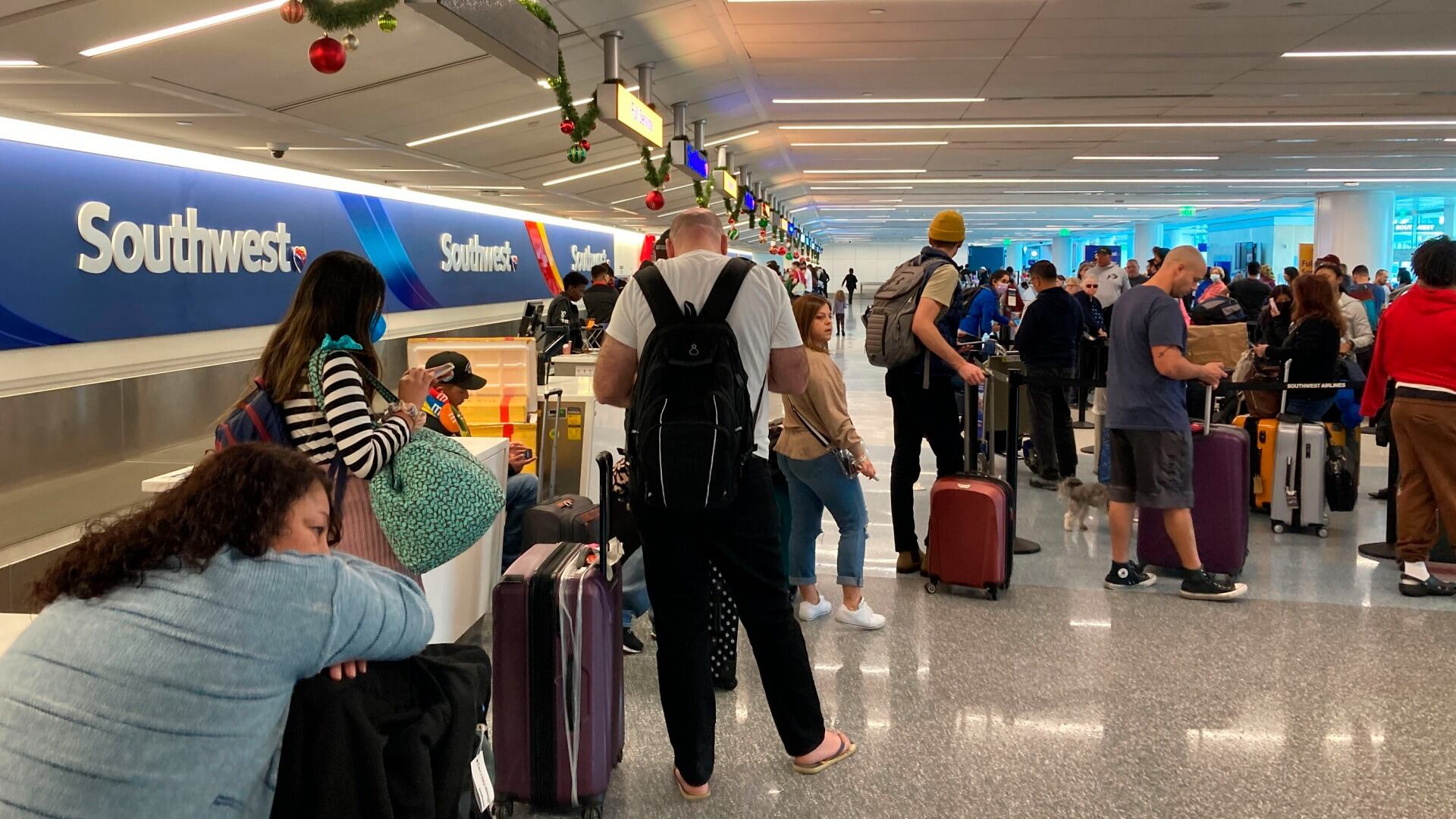
U.S. consumers increased their spending by a sluggish 0.5% last month, the weakest rise since April, when the pandemic first erupted, and a sign that Americans remain wary with the virus resurging across the country and threatening the economy.
The October gain reported Wednesday by the Commerce Department followed a seasonally adjusted 1.2% increase in September. It suggested that consumer spending, the primary driver of the U.S. economy, is being restrained by a weakened economy and by the failure of Congress to provide another stimulus package to struggling individuals and businesses.
The government's report also showed that income, which provides the fuel for spending, fell 0.7% in October.
With new viral cases accelerating across the country, many states are adopting or considering new restrictions on businesses. Sales at restaurants and bars fell in October for the first time in six months. Restaurant traffic declined further this month, according to the reservations provider OpenTable. Hotel occupancy is down from a month ago. Consumer spending on credit cards dropped in the first week of November from a month earlier, according to data compiled by Opportunity Insights.
Economists warn that consumer spending could falter further in the current October-December quarter given that many of the major government support programs have expired and Congress has yet to renew the assistance.
“With coronavirus infection rates soaring, states re-imposing restrictions and the ... data on in-person dining and jobless claims beginning to show signs of weakness, we are increasingly worried that the monthly gains in consumption will be weaker," Paul Ashworth, chief U.S. economist at Capital Economics, wrote in a research note.
The report showed that while the wages-and-salaries component of consumer income rose 0.7% in October, government transfers — the category that includes unemployment aid and other benefits — fell 6.2%.
Inflation, as measured by a gauge tied to consumer spending, was unchanged in October. Measured year over year, it's up just 1.2%. That is far below the 2% annual target set by the Federal Reserve, and it gives the Fed further leeway to supply support to the economy beyond the ultra-low interest rates it is already providing.