How Consumer Reports Has Kept Trust of Readers, CEOs
*By Tracey Cheek*
At a moment when public trust in media is at a low ebb and cries of "fake news" are rampant, Consumer Reports has managed to retain the trust of its 6 million consumer members ー and the ear of top CEOs.
Tech companies like including Tesla ($TSLA) and Facebook ($FB) have all made changes to their products or marketing thanks to investigations published by Consumer Reports.
The non-profit organization identified a security bug on Facebook's platform over the summer. They also worked with Tesla to correct a braking issue in the company's Model 3.
"We've been at this for 80 plus years, 60 plus labs; we test and rate over 8,000 products a year," Consumer Reports President and CEO Marta Tellado told Cheddar Thursday. "I think we've earned the trust of both manufacturers and consumers because of the rigor and evidence-based research that we use."
With the proliferation of product reviews online ー not all of which can be trusted ー Tellado said Consumer Reports is more important than ever.
"When they're in the marketplace making decisions, there's an imbalance of power. They don't have all the cards," she said, as well as online reviews that may not be trustworthy.
Throughout its long history, Consumer Reports has played a major role in shaping transportation safety, from seat belts to backup cameras.
As for the future of mobility, Consumer Reports will continue to monitor what's safe and what's not.
"We're seeing a lot of marketing that says 'self-driving' and that sends a message to the consumer that you don't have to pay a whole lot of attention ー you can take your hands off the wheel," Tellado said. "It's not self-driving yet. So we've come back around to some automakers and said that advertising is not safe, and they've responded to that."
For full interview [click here](https://cheddar.com/videos/consumer-reports-in-the-digital-age).
Not only is April Financial Literacy Month, it’s also the kickoff of the spring homebuying season. So now is the time to make sure you have a financial plan in place – and why it might not be wise for that to include buying your first home.
While the U.S. may slowly be on the path to lowering inflation (and therefore interest rates), Europe has thoroughly trounced America, putting it on the path to lower rates by this summer.
April's release of the monthly Housing Starts and Building Permits reports by the Census Bureau provides crucial insights into the construction activity in the housing market. These reports are an economic indicator, shedding light on the current state of the housing market and its broader economic impact.
Caitlin Clark is heading to the Indiana Fever, the number one draft pick and the highest-scoring college basketball player of all time. And while she may not be getting millions from the WNBA, there's a few ways she'll net compensation for her generational talents.
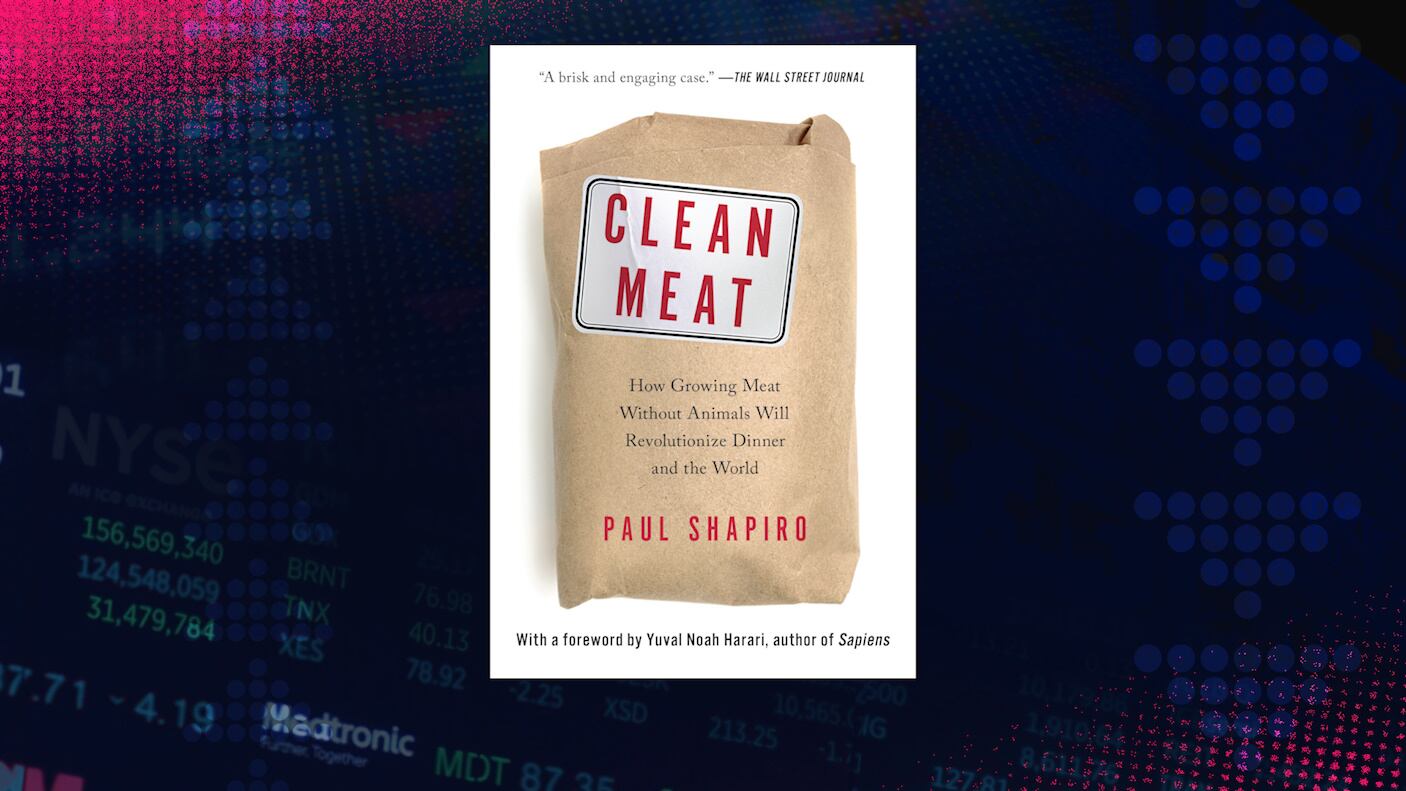
Author of 'Clean Meat,' Paul Shapiro joins Cheddar to discuss how the cellular agricultural revolution helps lower rates of foodborne illness and greatly improves environmental sustainability. Plus, how his company The Better Meat Co. is bringing healthier food options to the table.
Recent headlines might make it sound like World War III is imminent, but when it comes to your finances, it's not the time to panic. The market is coming off its longest winning streak since 2011.
You may have noticed fewer new venture capital-backed startups (like Airbnb or Uber) lately. The market slowed to a crawl after 2021, but things are expected to take off again in 2025.
Corporate earnings season is underway, that time when companies share their billions in sales or double-digit profits. But the data shows even companies are struggling with high inflation and interest rates.
Boeing continues their terrifying trend of having their planes fall apart mid-flight, inflation — checks notes — is still up and the future of AI looks terrifying. Cheery!
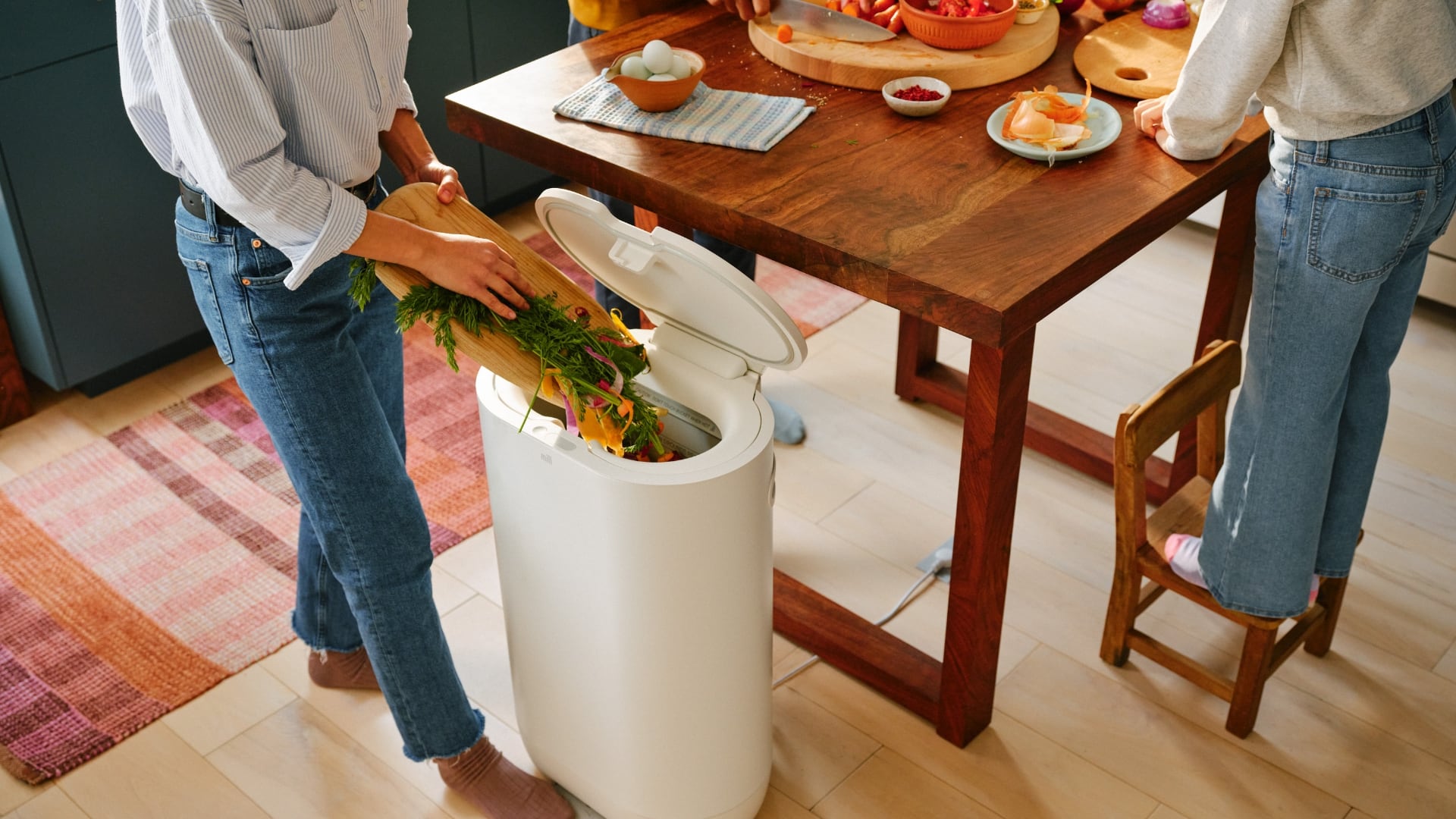
Food waste – uneaten scraps or leftovers sent to landfills – is responsible for 10% of global emissions. Mill, a new product from the co-founder of Nest, thinks technology can play a role in eliminating it.