With many companies already dropping major announcements ahead of CES, many analysts and investors are looking at what Samsung will be working on this year and how it will impact Apple. Angelo Zino, Senior Equity Analyst at CFRA, and Russell Holly, Managing Editor of VRHeads.com, join Cheddar to discuss what they expect out of the Consumer Electronics Show this year.
Samsung's biggest announcements are its "Wall" TV and new smart hub refrigerator with voice assistant capabilities. Holly says TVs are a big focus for the company because they need to stay competitive within the space. It's a big year for the company to show it can push ahead of LG in the technology category this year. He also doesn't believe Samsung will announce any phone news at this year's CES.
Plus, after a report came out in the Wall Street Journal that iPhones are toxic for kids, many investors are urging Apple to respond. Zino thinks it may be a good thing for Apple to become a little more socially responsible as far as kids are concerned. He wants Apple to provide parents more access to their children's phones, which he thinks may lead to potential revenue opportunities in the future.
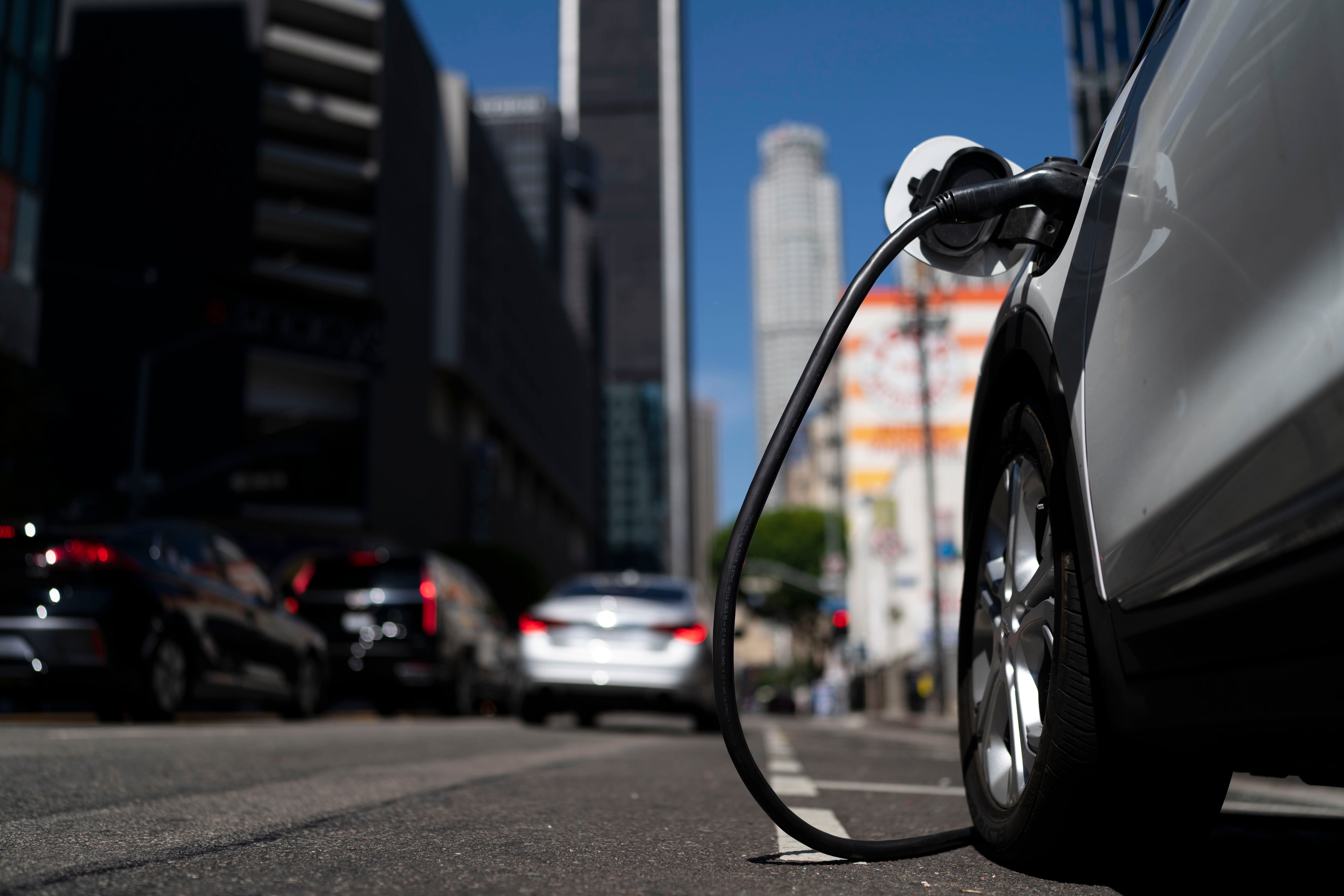
New regulations from the U.S. government may cause the price of electric vehicles to go up.
English Wikipedia raked in more than 84 billion views this year, according to numbers released Tuesday by the Wikimedia Foundation, the non-profit behind the free, publicly edited online encyclopedia. And the most popular article was about ChatGPT (yes, the AI chatbot that’s seemingly everywhere today).
The highly-anticipated trailer for Grand Theft Auto VI is out earlier than expected.
AT&T announced a new partnership with Swedish communications company Ericsson.
Hackers accessed the personal data of 6.9 million users via the genetic testing company 23andMe.
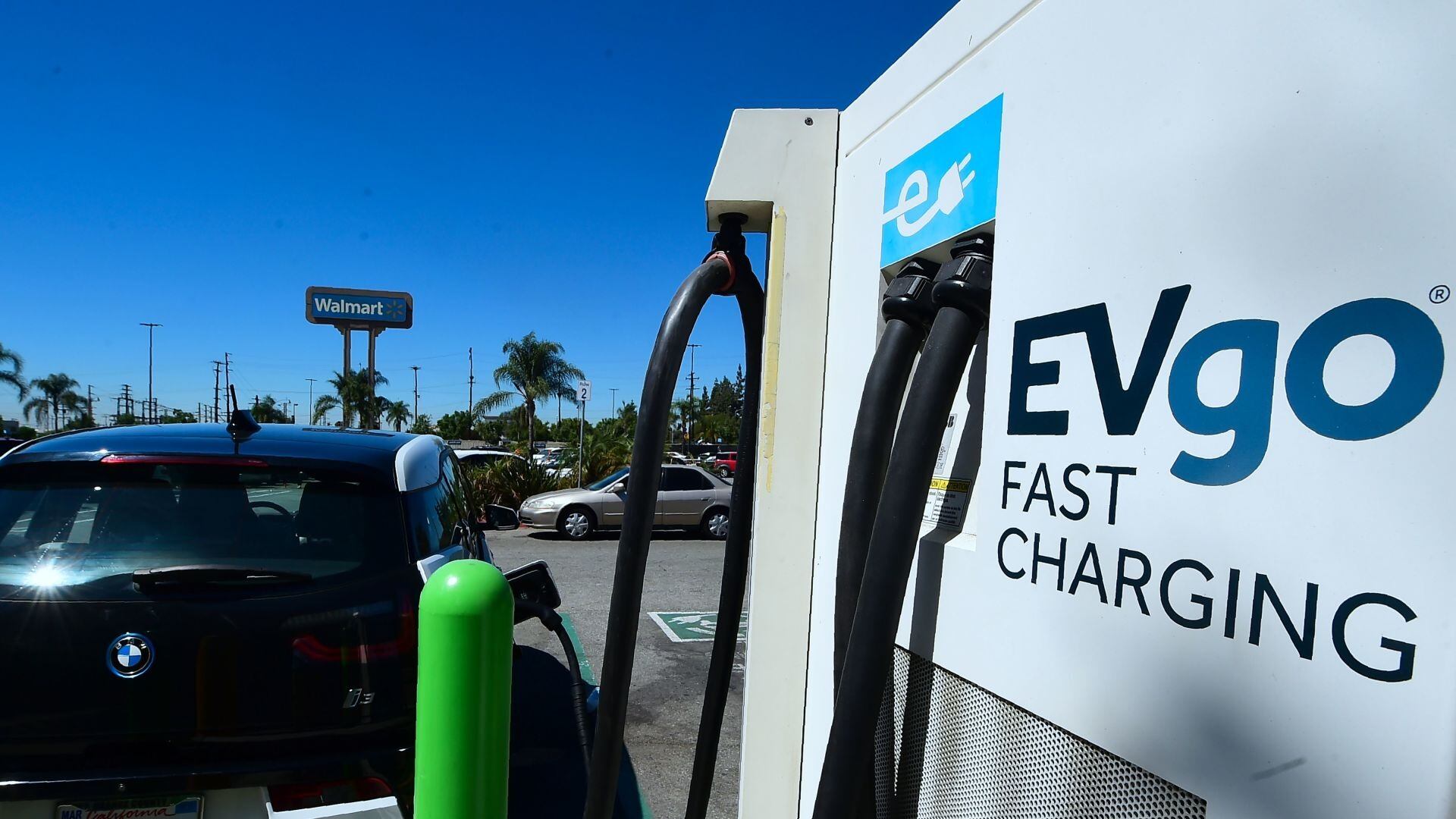
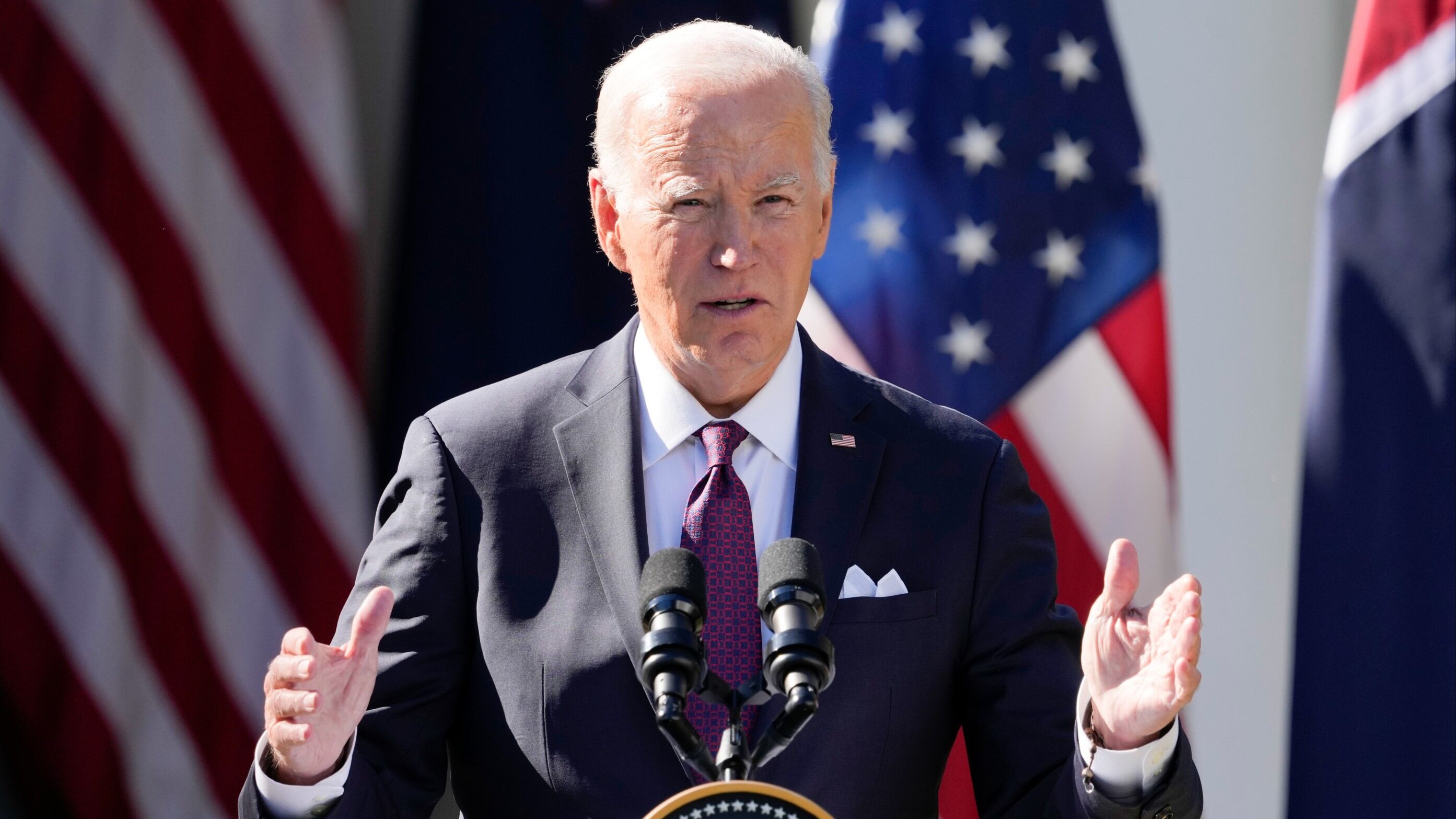
The Biden administration says electric vehicles made with battery materials from China will not be eligible for the full EV tax credit under new proposed rules.
You may soon be able to charge your car while driving. Cheddar News explains.
Google is moving forward with its previously-announced plan to delete inactive accounts and all associated data.
The network of nearly 4,800 fake accounts was attempting to build an audience when it was identified and eliminated by the tech company, which owns Facebook and Instagram.
Someone in China created thousands of fake social media accounts designed to appear to be from Americans and used them to spread polarizing political content in an apparent effort to divide the U.S. ahead of next year's elections, Meta said Thursday.