Constellation Brands to Invest $100 million in Female-Led Booze Brands
*By Conor White*
A gender gap persists in most industries, but among the most glaring examples of the disparity can be found in beverage manufacturing ー a business in which men make up roughly 80 percent of executives.
In order to close that gap, Constellation Brands ($STZ) has announced it will invest in female-founded beverage companies, beginning with Austin Cocktails and Vivify Beverages.
"We're excited to invest $100 million over the next ten 10 years in disruptive and innovative business in our space," said Mallika Monteiro, Constellation's chief growth officer.
"Women are the fastest-growing set of entrepreneurs in the U.S. today," Monteiro told Cheddar in an interview Friday. "Yet 2 percent \[in 2017\] of investor funding went to female-led businesses."
Constellation is hoping to shift that number ー but Monteiro said the company's efforts will go beyond a simple infusion of capital.
"We're bringing them into our network of expertise," Monteiro said. "Whether that is the network of relationships we have with our distributor partners, with our supply chain partners, and logistical partners."
For Monteiro, the decision was ultimately an easy one.
"This is an opportunity for us to double down on our commitment of diversity and inclusion," she said.
For full interview [click here](https://cheddar.com/videos/corona-maker-constellation-wants-women-to-disrupt-the-alcohol-industry).
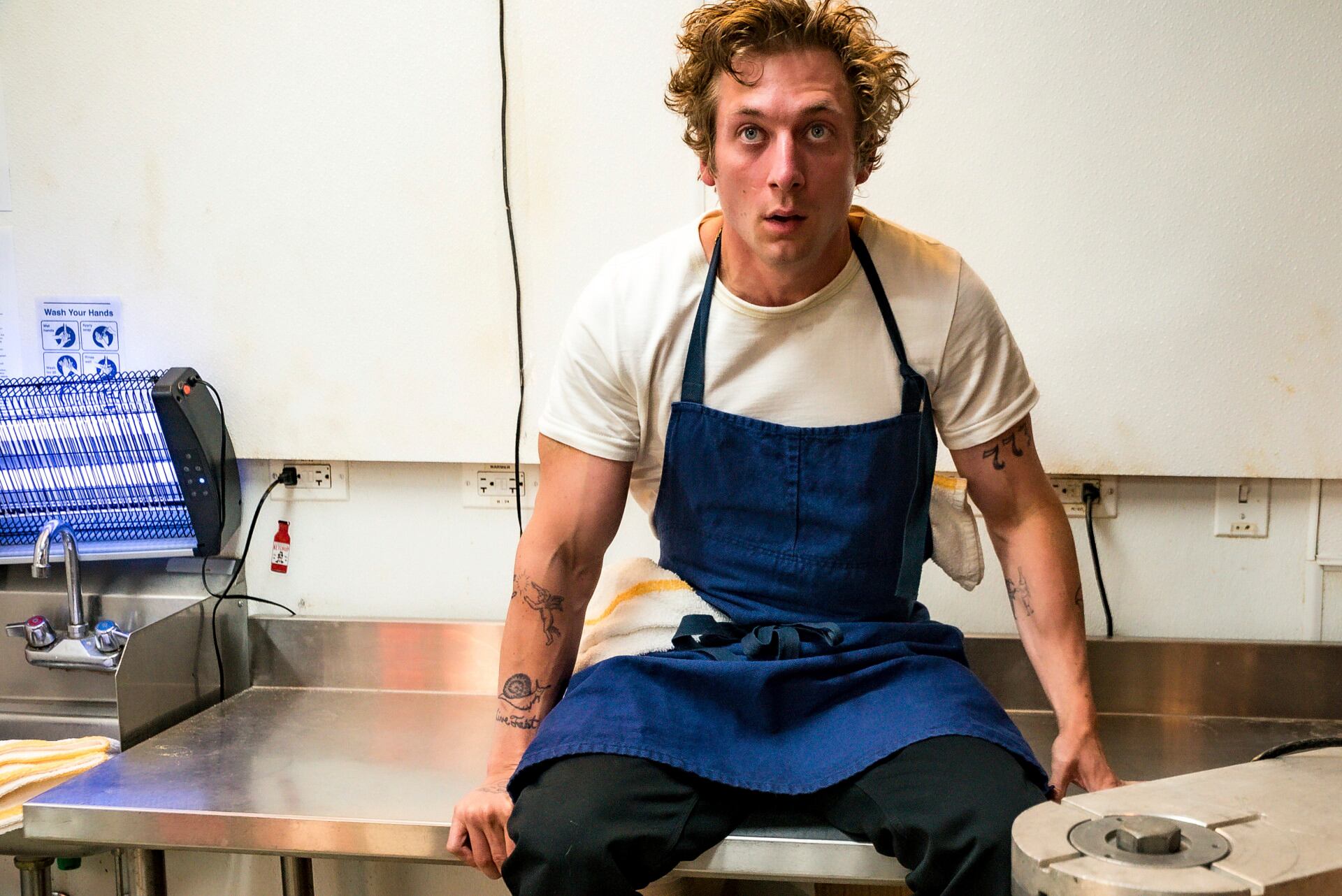
Did you happen to watch the series The Bear? The show follows a struggling small business owner in Chicago who is trying to save his business. It's a story a lot of small business owners in the U.S. can relate to. To help out these struggling entrepreneurs, Cheddar News brought on an expert here to help take your company from stressful to successful.
The sticker prices for Ford's F-150 Lightning electric pickup trucks are being lowered by thousands of dollars across the board, the company said Monday, due to increased plant capacity, falling costs for battery raw materials and internal efforts to scale production by the Detroit automaker.
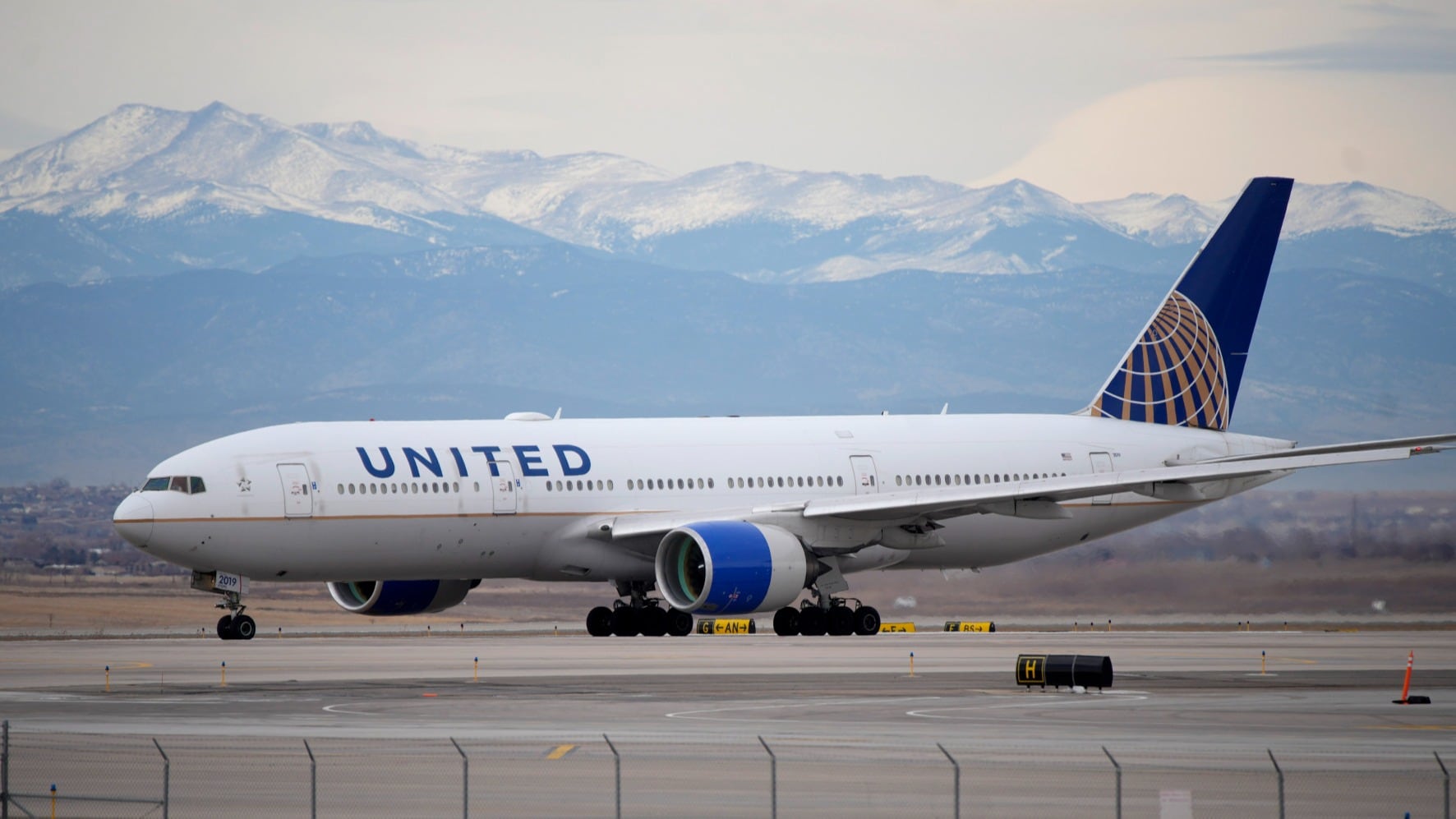
United Airlines and the union representing its pilots said Saturday they reached agreement on a contract that will raise pilot pay by up to 40% over four years.
The court’s ruling applies to higher education institutions and other entities that receive federal funding and doesn’t directly change private employer obligations, but business leaders might pull back diversity, equity and inclusion programs to avoid lawsuits.
The Week's Top Stories is a guided tour through the biggest market stories of the week, from winning stocks to brutal dips to the facts and forecasts generating buzz on Wall Street. Up this week: Meta, Disney & Microsoft-Activision Blizzard.