Rep. Debbie Wasserman Schultz (D-FL) tells Cheddar how the state is coping with the most recent mass shooting in Parkland, FL. She speculates about how this tragedy will influence the 2018 midterms and the 2020 presidential election.
Wasserman Schultz tells us why she does not support the idea of arming teachers with weapons as a means of preventing a tragedy like the Parkland school shooting. President Trump brought up this idea at a listening session with shooting survivors held at the White House.
Wasserman Schultz expresses her desire to put partisanship aside and pass a ban on assault weapons. Additionally, she supports age restrictions that would prohibit an 18-year-old from getting a weapon. Although she is amazed at the eloquence of the students speaking out on gun control, she remains skeptical about whether meaningful gun reform will ever happen under the current administration.
In Ireland this week, well-wishers have lined the streets to catch a mere glimpse of President Joe Biden. Photos of his smiling face are plastered on shop windows, and one admirer held a sign reading, “2024 — Make Joe President Again.”
A Massachusetts Air National Guardsman has appeared in court, accused in the leak of highly classified military documents.
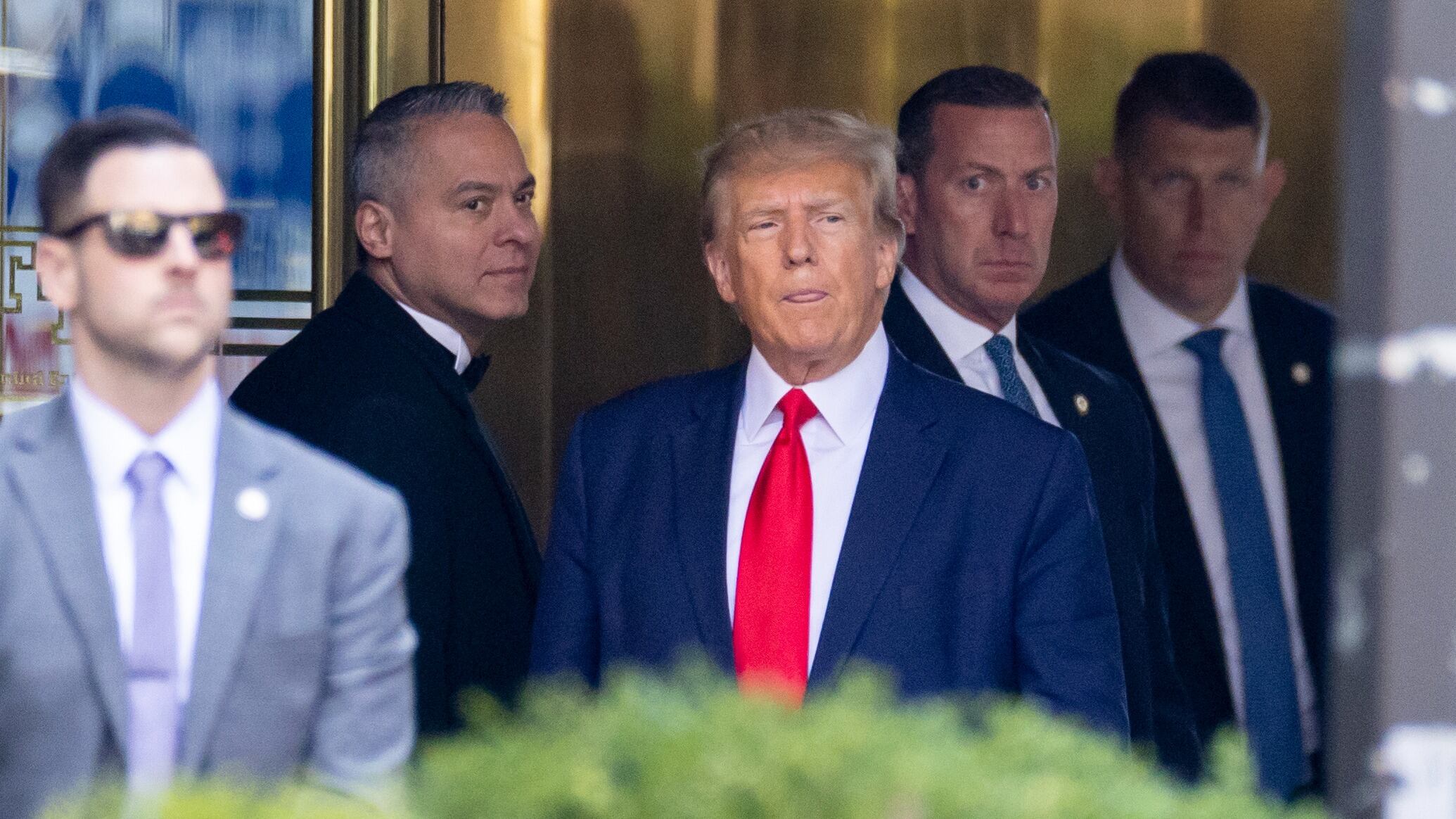
Former President Donald Trump answered questions for nearly seven hours Thursday during his second deposition in a legal battle with New York's attorney general over his company's business practices, reversing an earlier decision to invoke his Fifth Amendment protection against self-incrimination and remain silent.
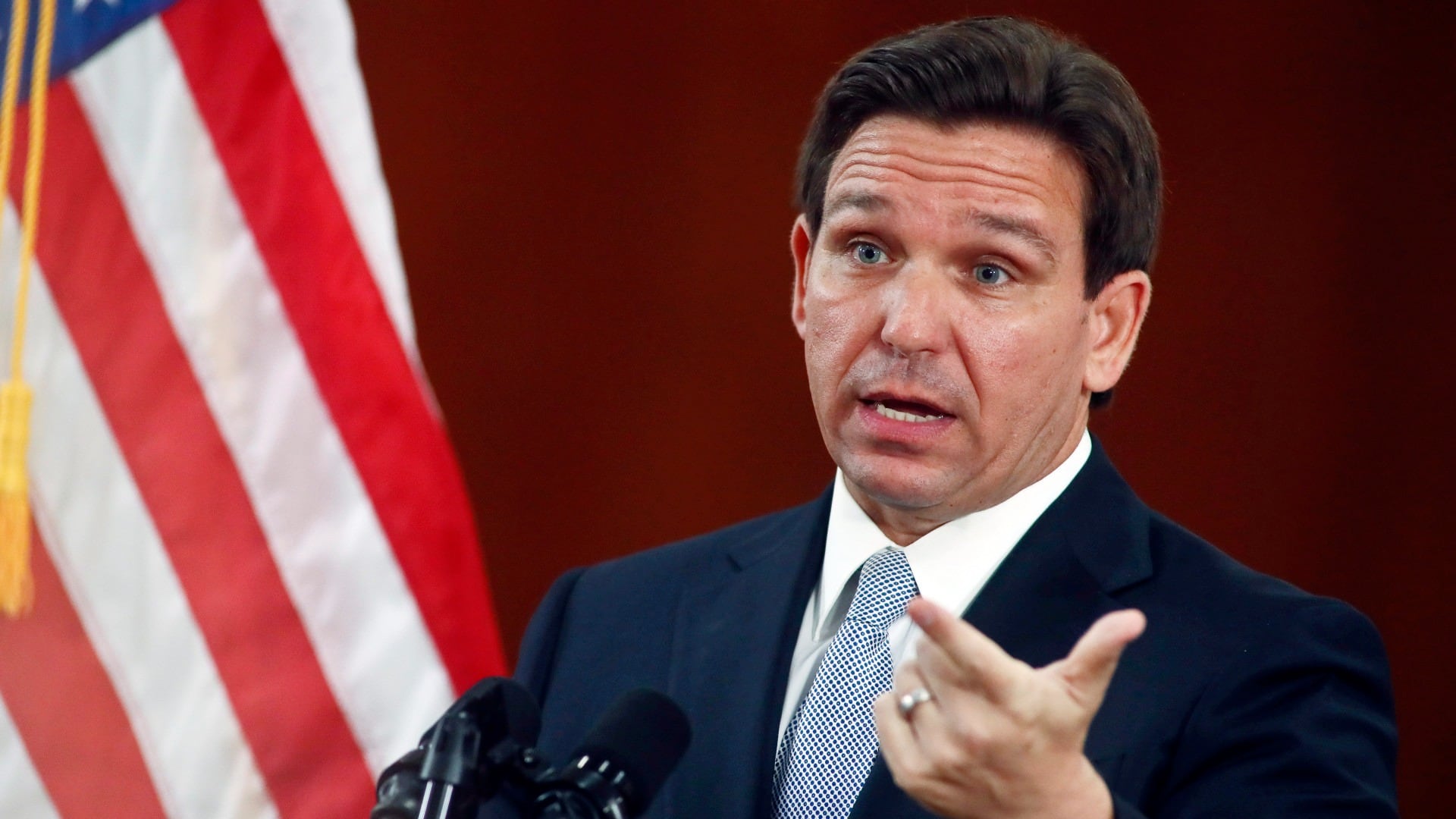
Republican Gov. Ron DeSantis has signed into law a bill approved by the Republican-dominated Florida Legislature to ban abortions after six weeks of pregnancy.
The legislation would ban abortions after a period when many women don't know they're pregnant yet.
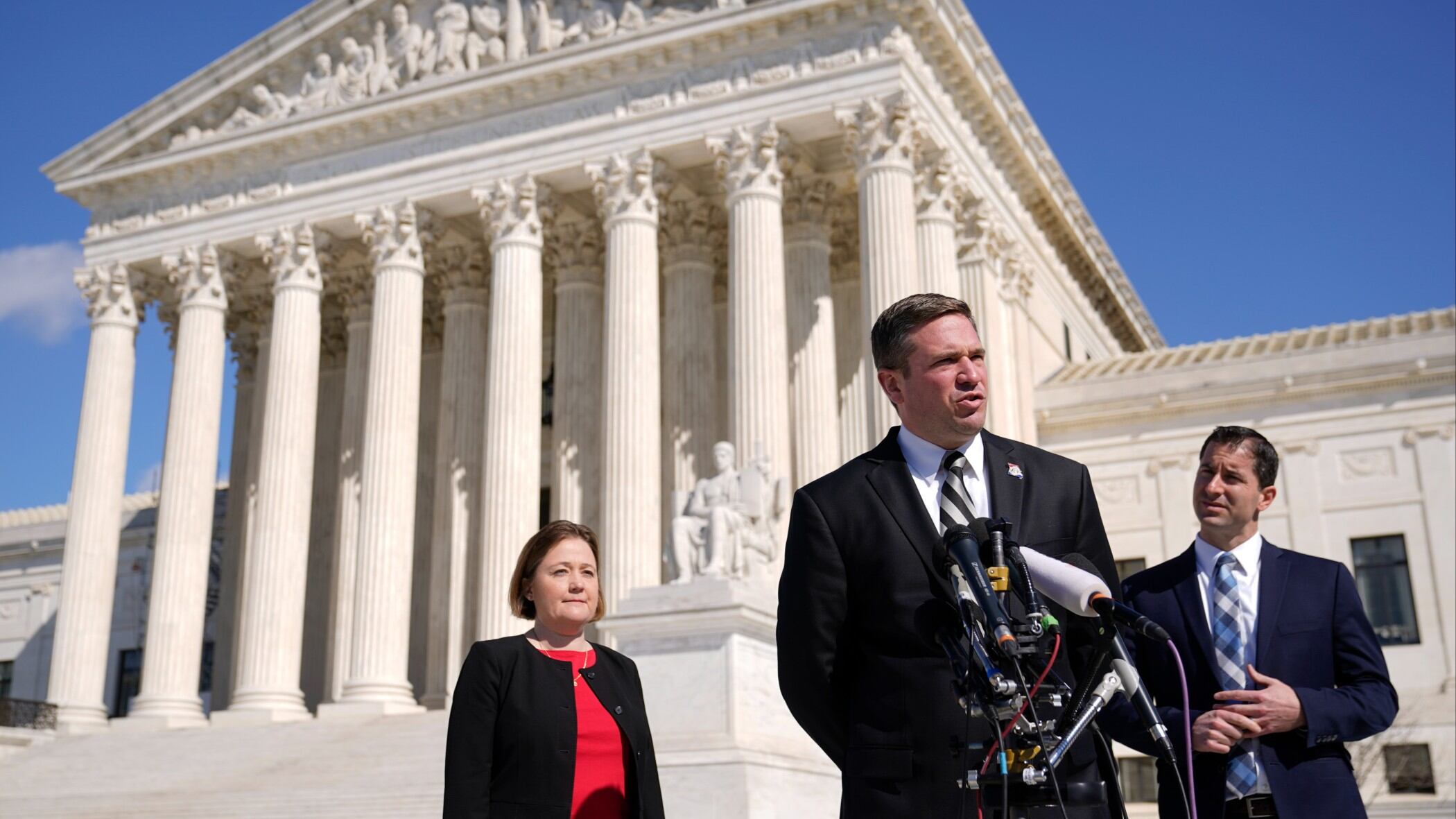
The attorney general's new restrictions on gender-affirming care is believed to be the first that also restricts adults, not just minors.
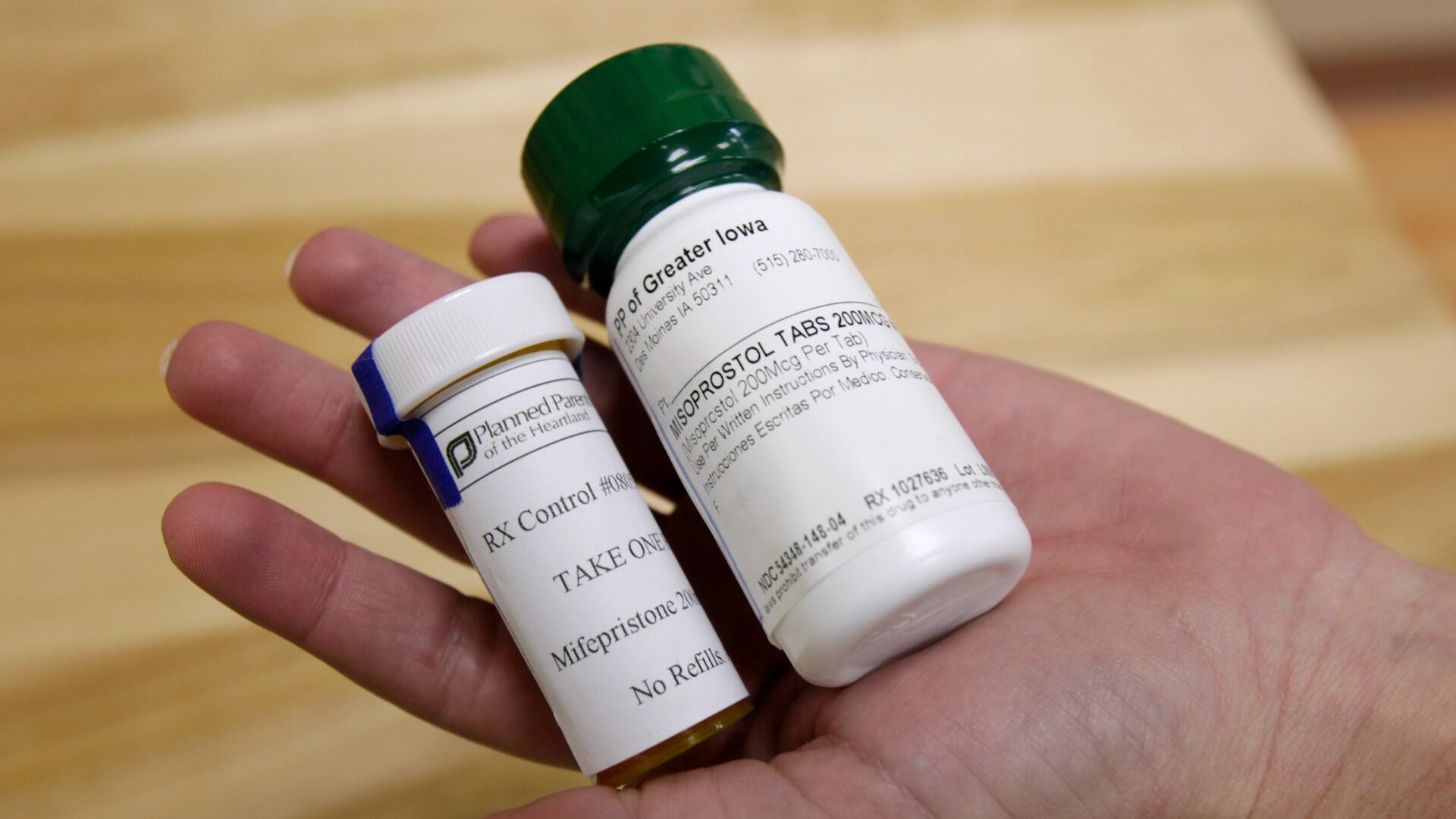
A federal appeals court has ruled that the abortion pill mifepristone can still be used for now but reduced the period of pregnancy when the drug can be taken and said it could not be dispensed by mail.
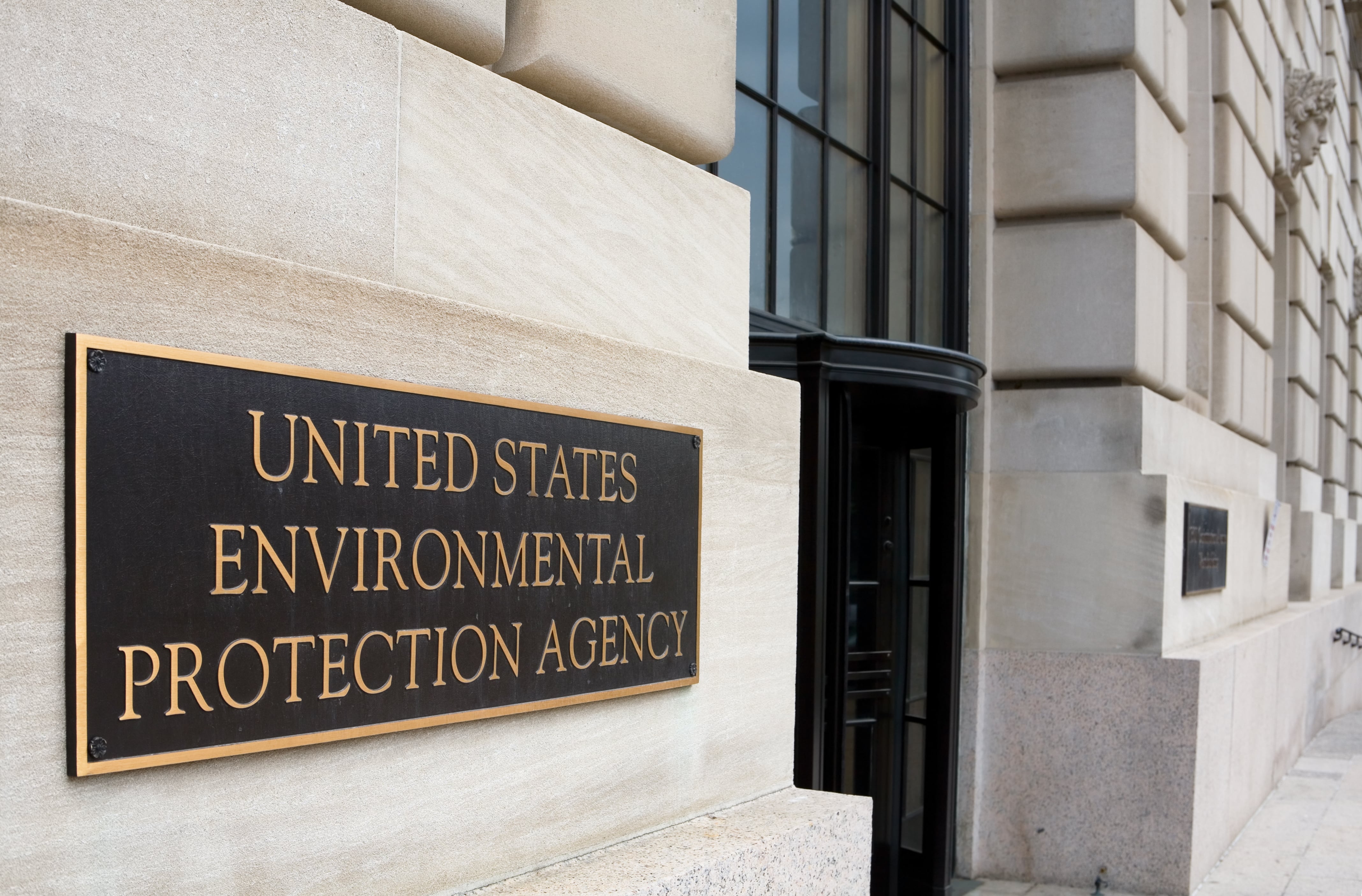
EPA Proposes Stringent Emissions Standards on Automakers in Effort to Reduce Pollution
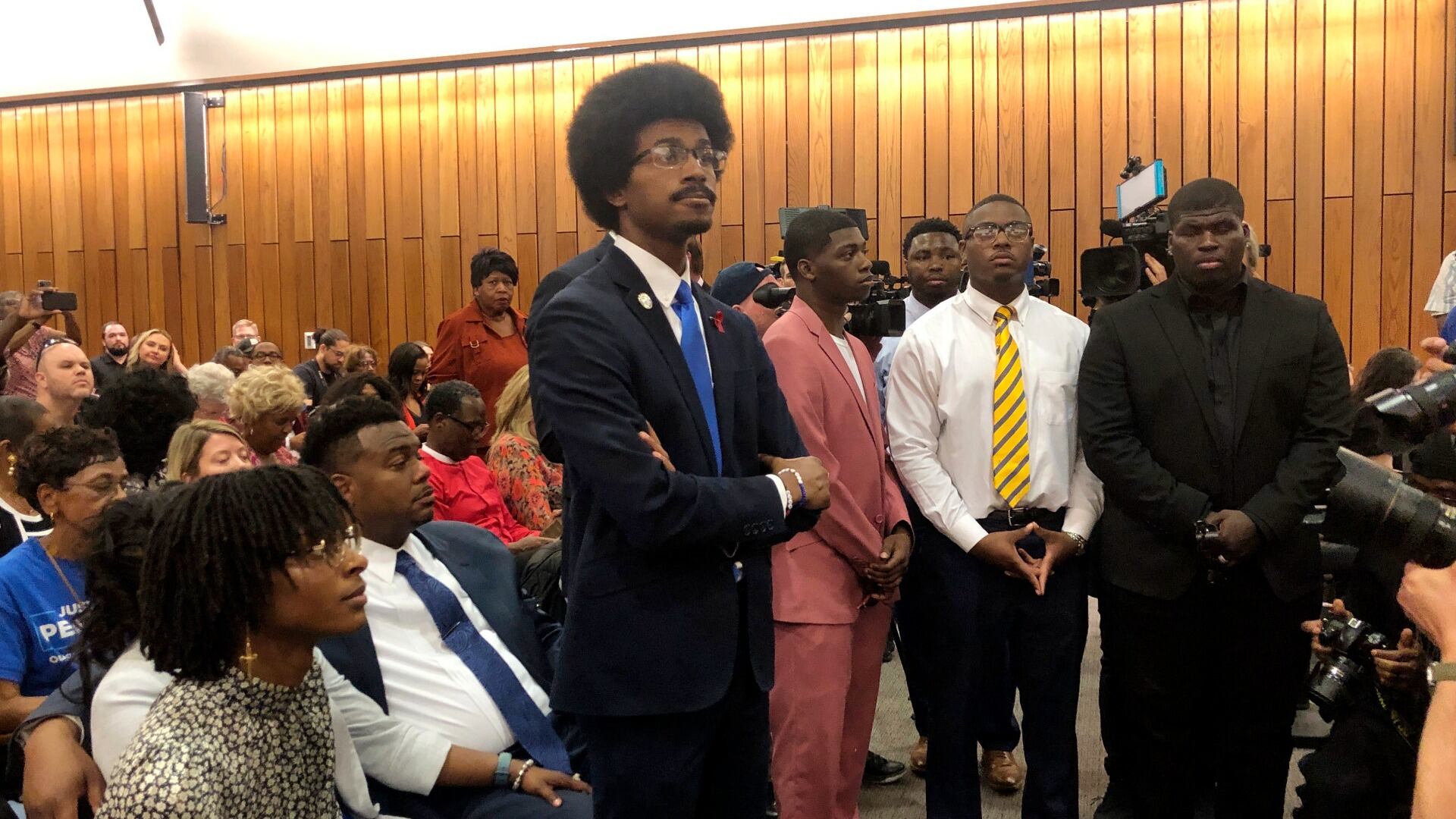
The second of two Black Democrats expelled from the Republican-led Tennessee House will return to the Legislature after a Memphis commission voted to reinstate him Wednesday.
Some abortion clinics are fielding lots of calls from patients since a court ruling last Friday threatened the availability of a main drug used in medication abortion, mifepristone.