*By Madison Alworth*
New York Rep. Carolyn Maloney wants women to stop paying more than men for products.
"Today my office issued a report on the 'pink tax.' This report shows, not only are we 80 cents to the dollar with the 20 percent discrimination in pay, but that we pay more for other products," said Maloney, who represents New York's 12th Congressional District, in an interview on Cheddar Tuesday.
The congresswoman was at the New York Stock Exchange to celebrate Women's Equality Day, which marks the ratification of the Nineteenth Amendment.
The new ["Earn Less, Pay More"](https://maloney.house.gov/media-center/press-releases/ahead-of-women-s-equality-day-maloney-casey-release-earn-less-pay-more) report highlights research by the [Government Accountability Office](https://www.gao.gov/products/GAO-18-500). The report found that half of the personal care items studied sported higher price tags for the women's version.
The issue extends beyond just personal care.
"We did see a discrepancy in how men and women were treated in mortgages, buying cars, financing, interest on their loans, even access to loans," Maloney said. "This needs to be addressed. Why should you be paid less and then have to turn around and pay more?"
Maloney hopes businesses will react proactively to her report and adjust prices so men and women pay the same amount.
For full interview [click here](https://cheddar.com/videos/congresswoman-carolyn-maloney-fights-for-womens-equality).
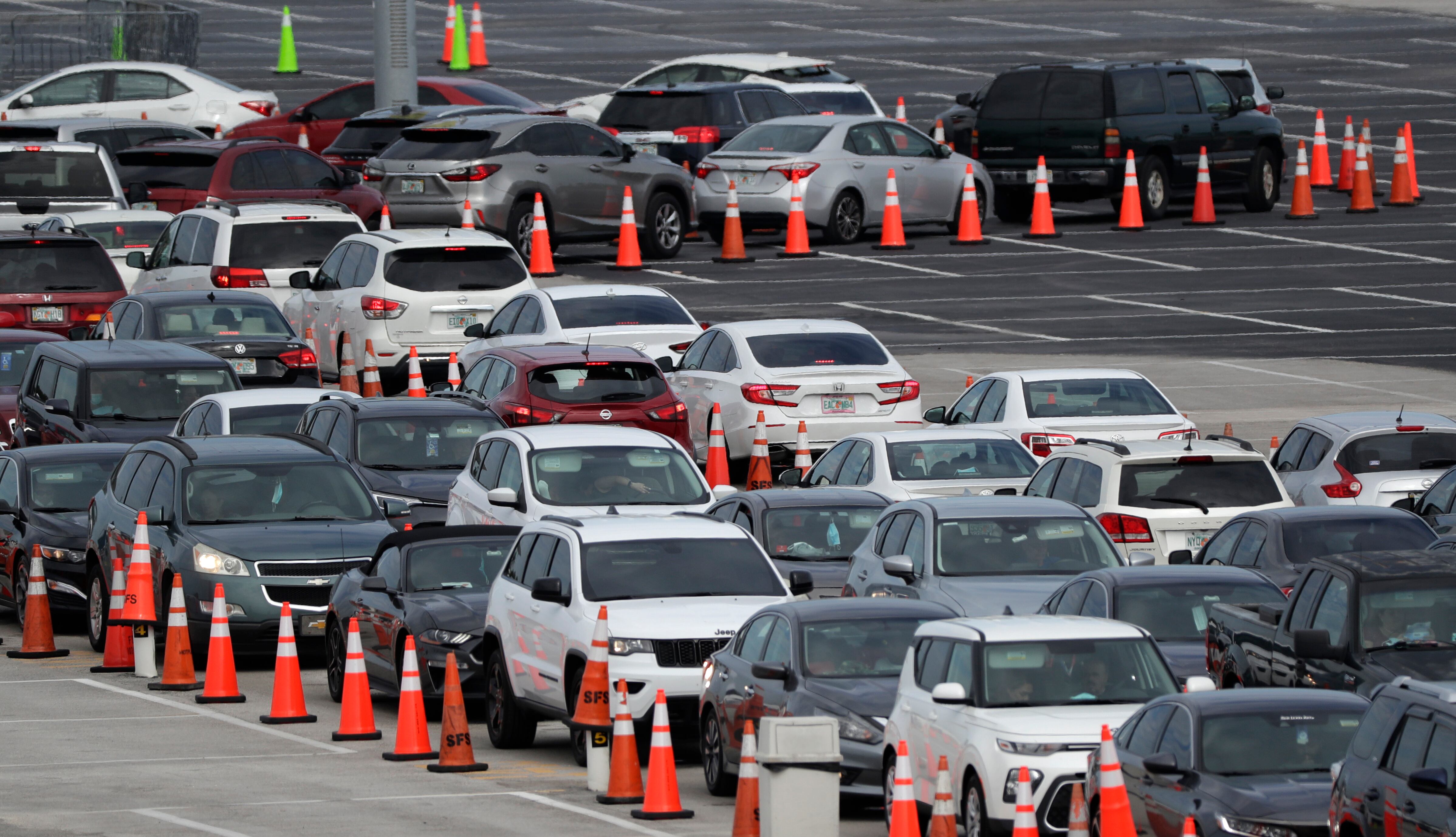
Four months, three million confirmed infections and over 130,000 deaths into the U.S. coronavirus outbreak, Americans are facing long lines at testing sites and going a week or more without receiving a diagnosis.
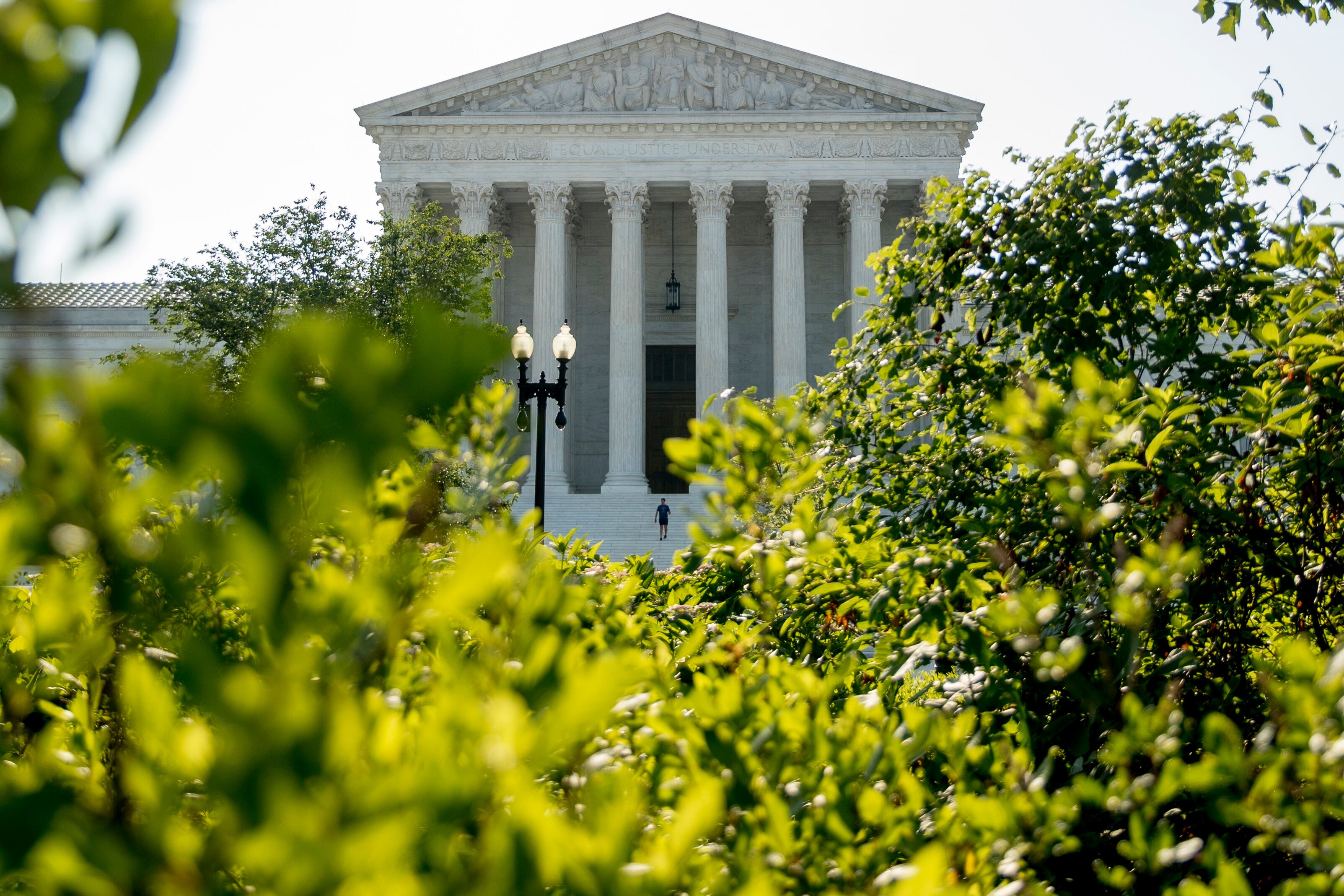
The Supreme Court is siding with the Trump administration in its effort to allow more employers to opt out of providing no-cost birth control to women as required by the Affordable Care Act.
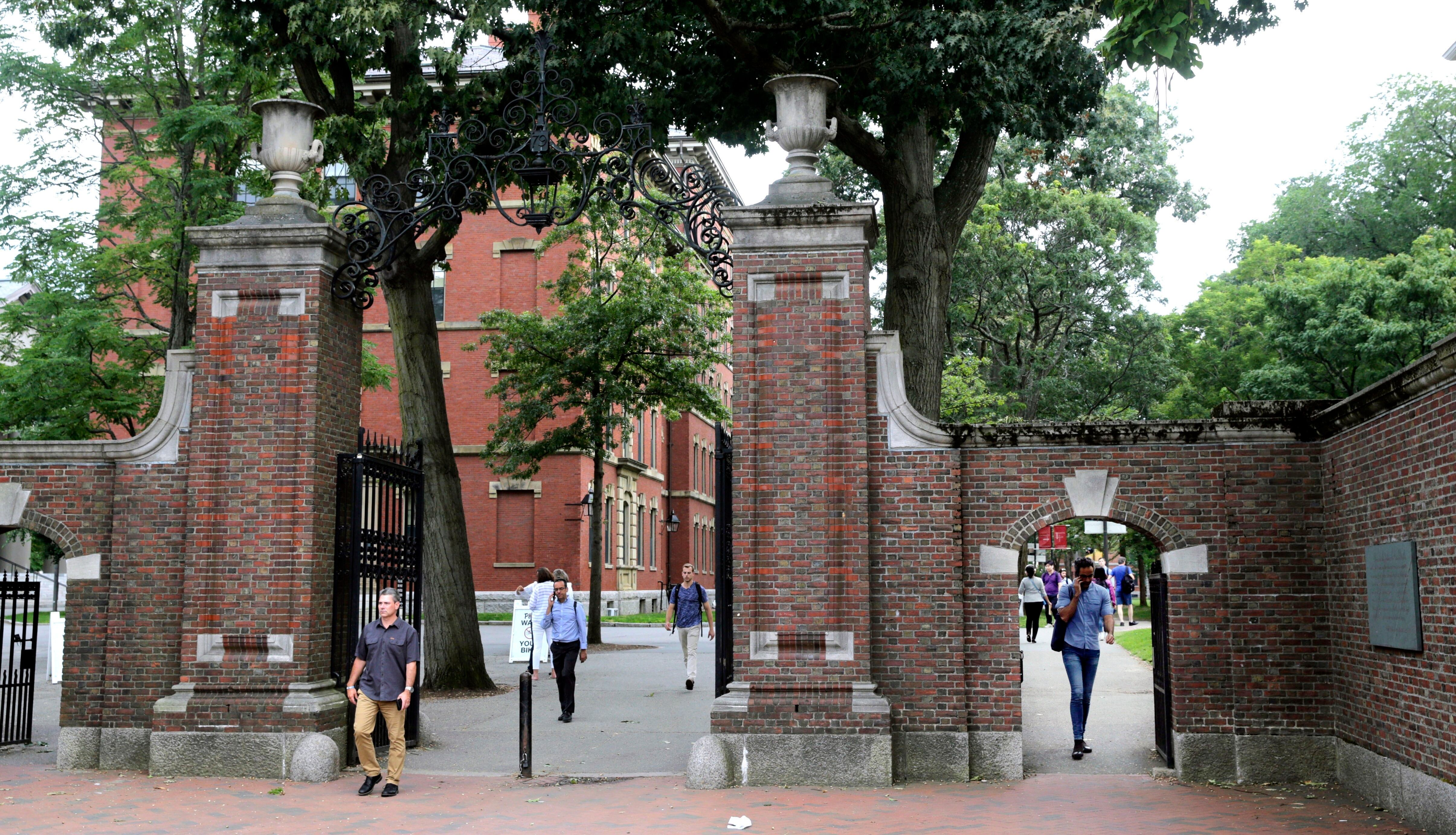
The schools filed a federal lawsuit Wednesday challenging the Trump administration’s decision to bar international students from staying in the U.S. if they take classes online this fall.
Immigration and Customs Enforcement, the agency that oversees student visas, just released new guidelines for international students, which say that if an international student is enrolled in a program that decides to go fully virtual, they must leave the county.
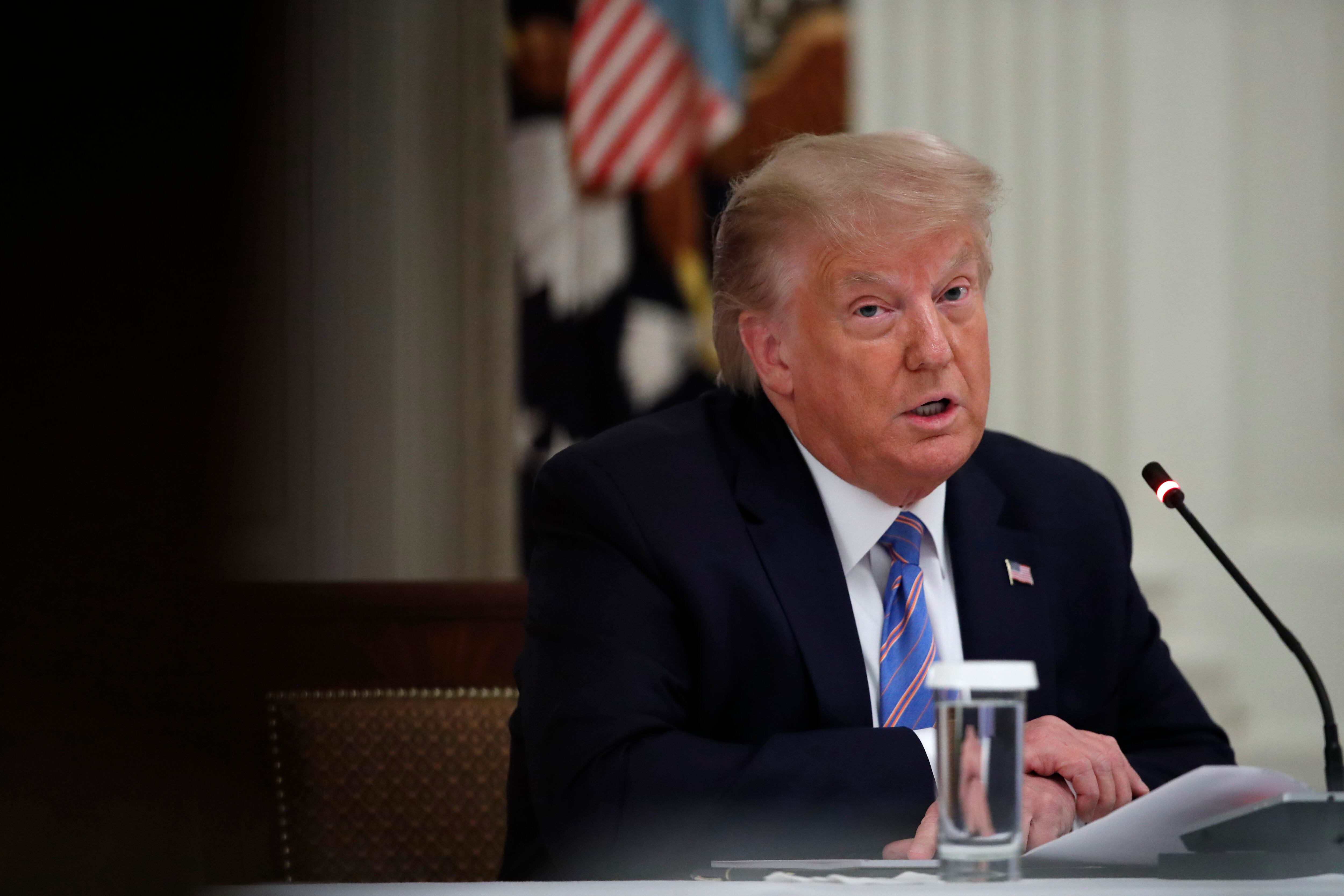
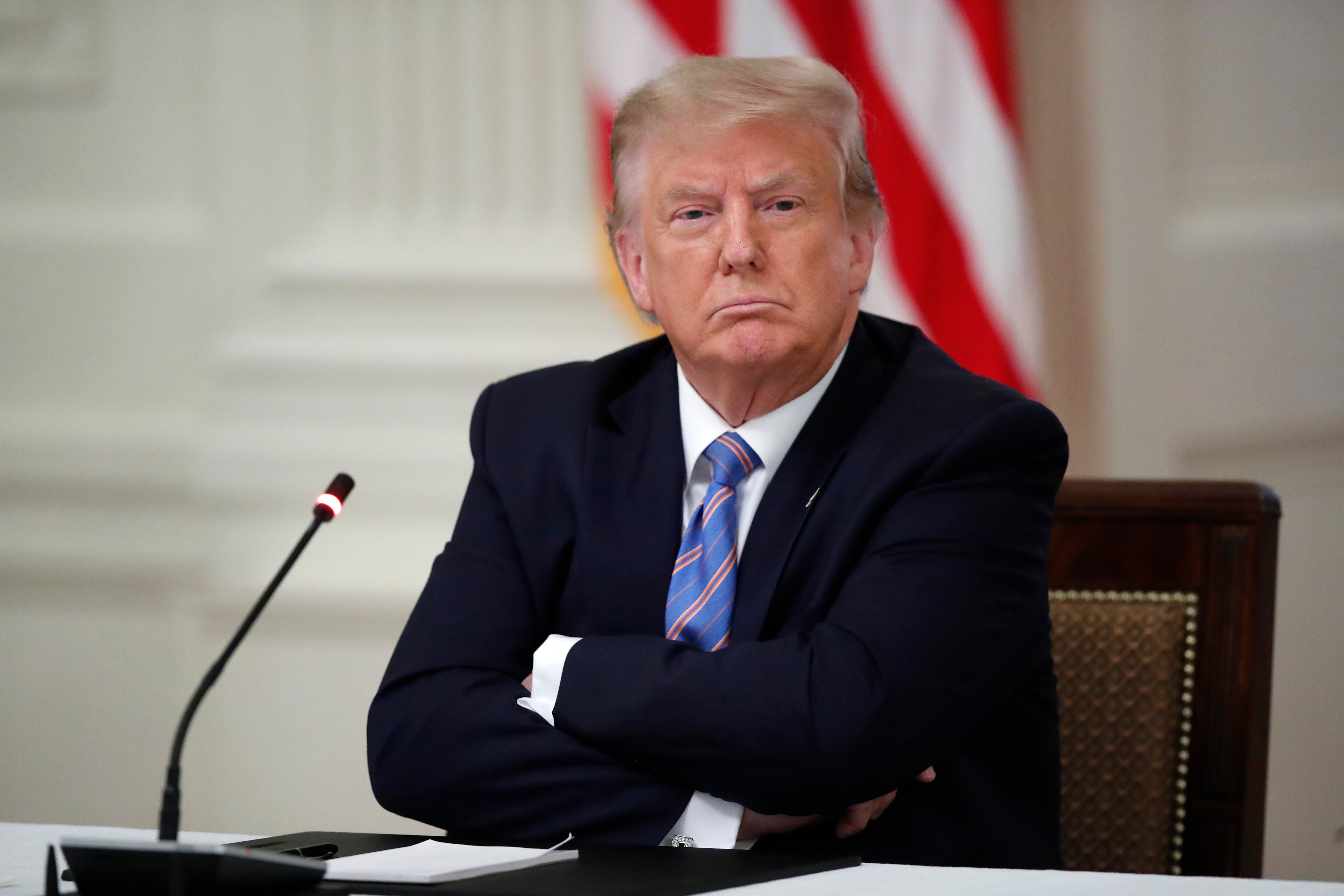
President Donald Trump on Tuesday launched an all-out effort to reopen schools this fall.
Camden, NJ has garnered national headlines after the city replaced its police department with a community based policing program. Cheddar's Michelle Castillo gets an inside look at this alternate type of policing.
The Trump administration has formally notified the United Nations of its withdrawal from the World Health Organization, although the pullout won’t take effect until next year.
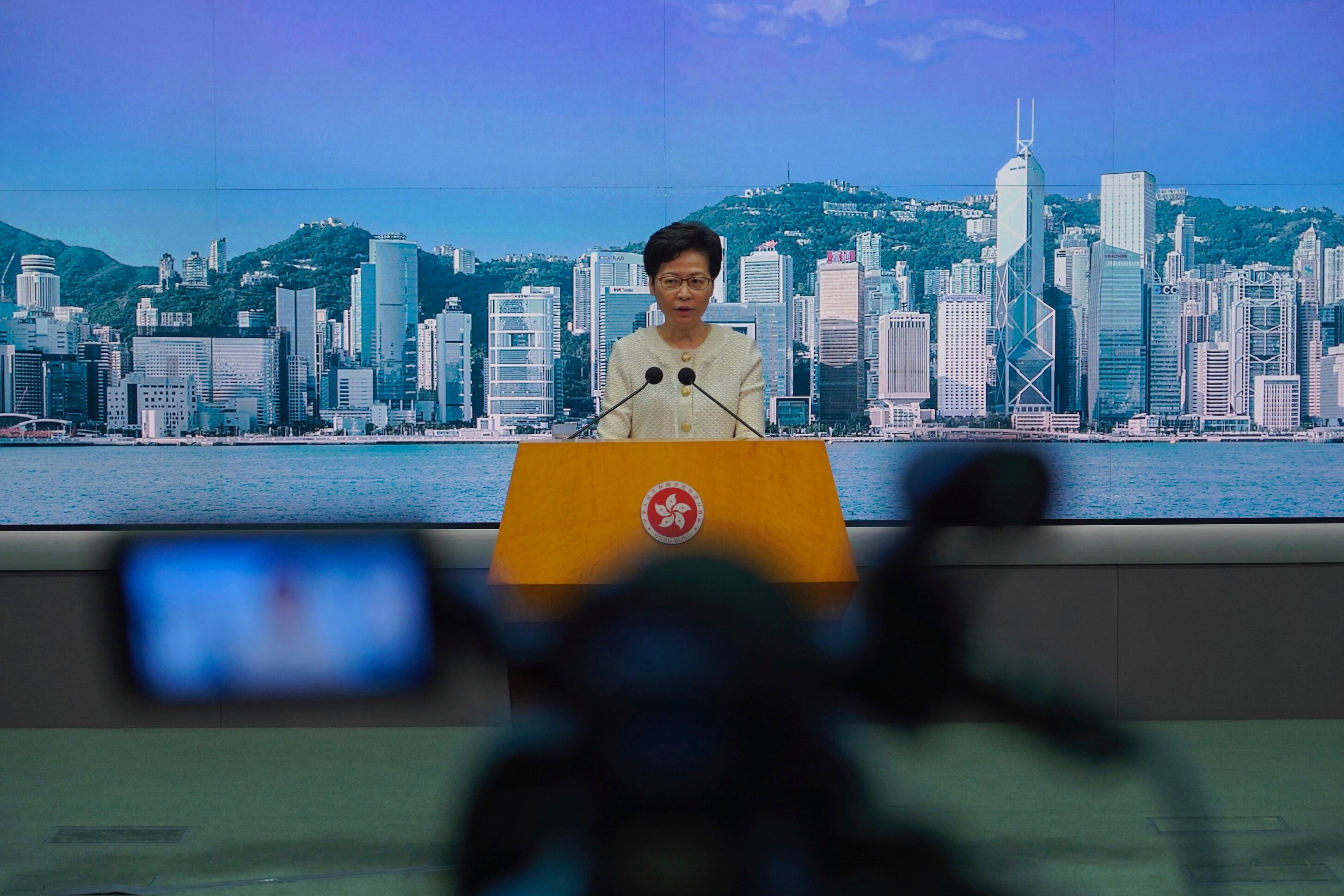
TikTok says it will stop operations in Hong Kong after the city enacted a sweeping national security law last week.
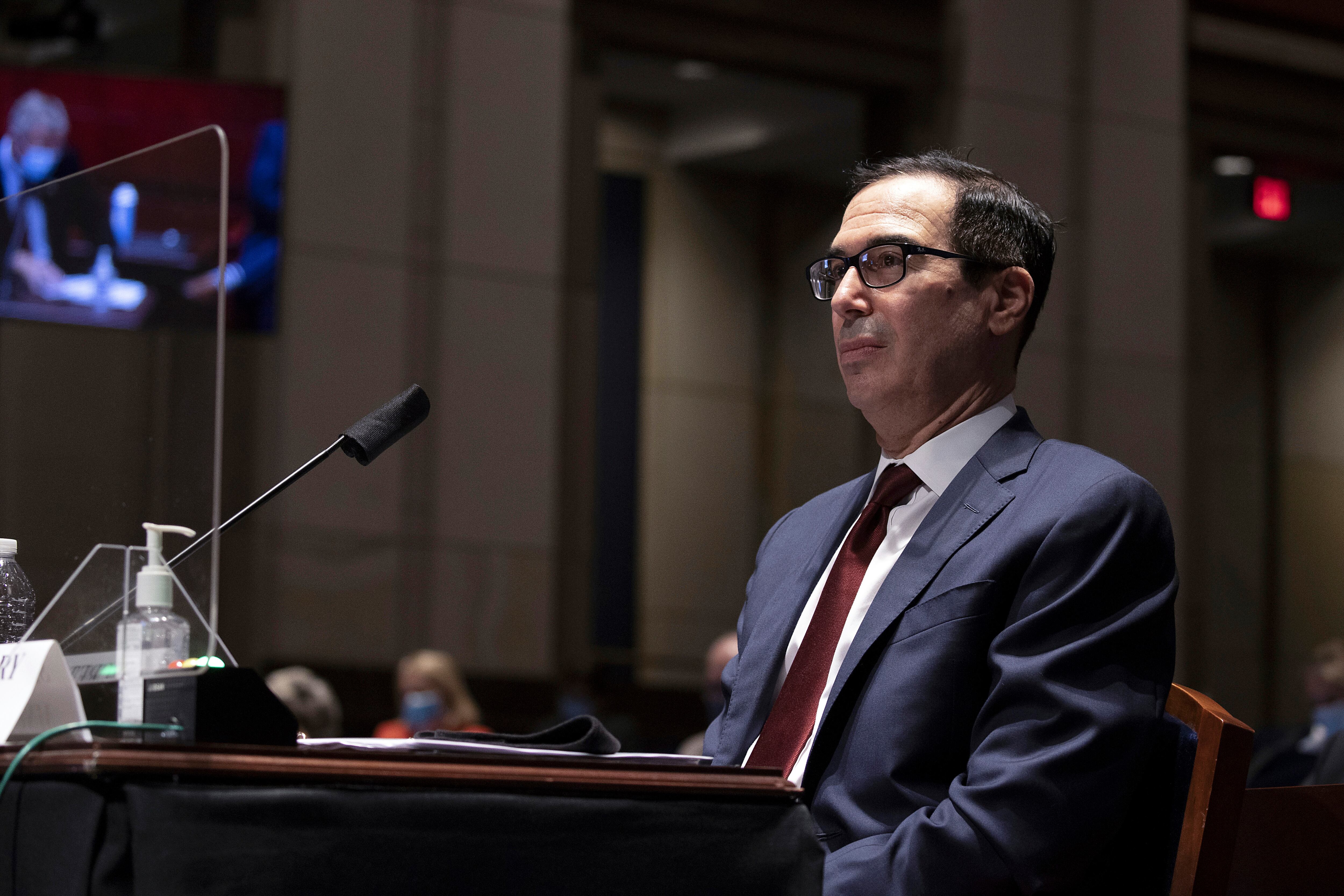
The government on Monday identified roughly 650,000 mostly small businesses and nonprofits that received taxpayer money from a program that likely helped prevent the job market meltdown from growing worse but that also benefited some politically connected firms.
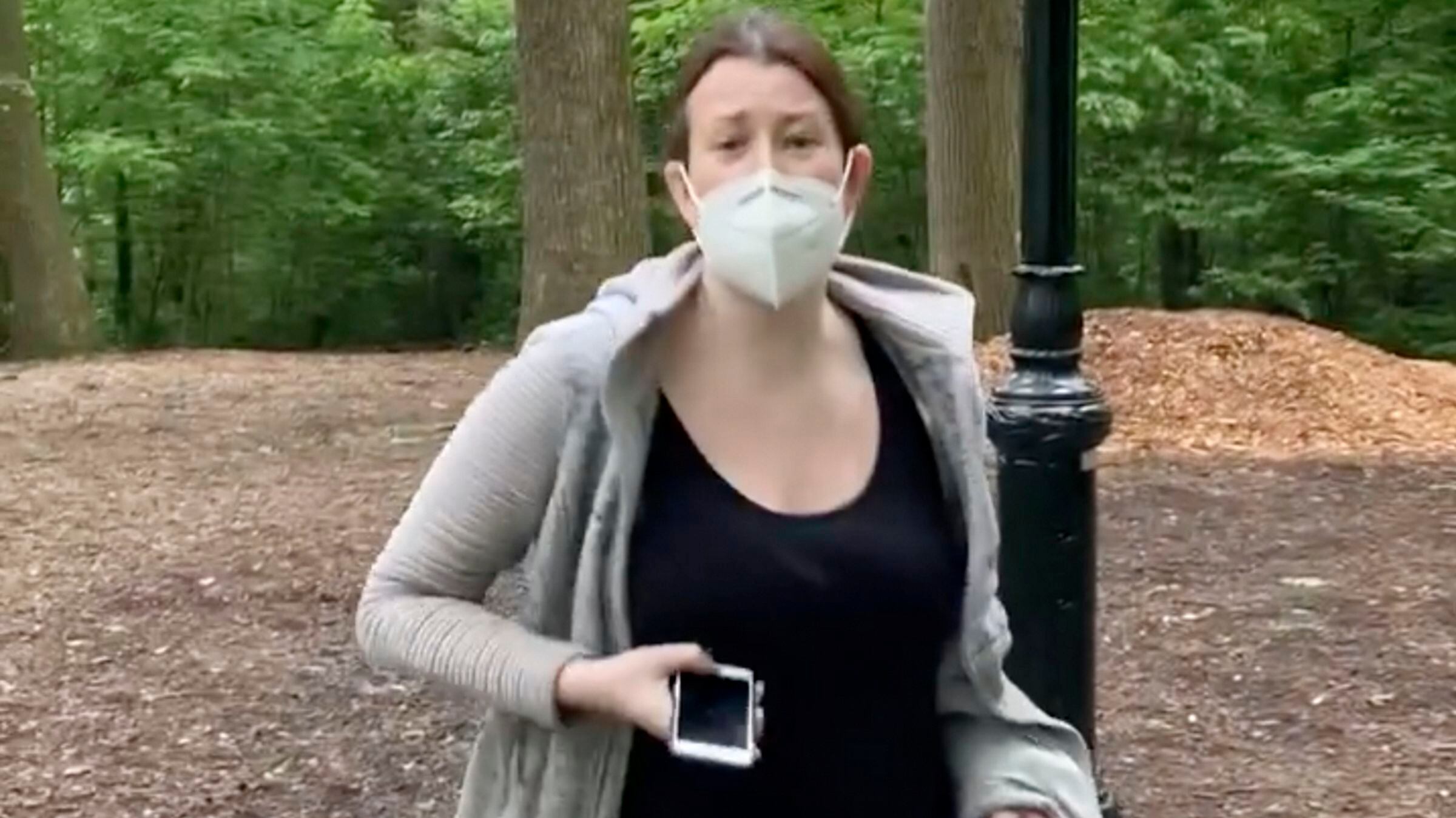
A white woman walking her dog who called the police during a videotaped dispute with a Black man in Central Park was charged Monday with filing a false report.