*By Madison Alworth*
New York Rep. Carolyn Maloney wants women to stop paying more than men for products.
"Today my office issued a report on the 'pink tax.' This report shows, not only are we 80 cents to the dollar with the 20 percent discrimination in pay, but that we pay more for other products," said Maloney, who represents New York's 12th Congressional District, in an interview on Cheddar Tuesday.
The congresswoman was at the New York Stock Exchange to celebrate Women's Equality Day, which marks the ratification of the Nineteenth Amendment.
The new ["Earn Less, Pay More"](https://maloney.house.gov/media-center/press-releases/ahead-of-women-s-equality-day-maloney-casey-release-earn-less-pay-more) report highlights research by the [Government Accountability Office](https://www.gao.gov/products/GAO-18-500). The report found that half of the personal care items studied sported higher price tags for the women's version.
The issue extends beyond just personal care.
"We did see a discrepancy in how men and women were treated in mortgages, buying cars, financing, interest on their loans, even access to loans," Maloney said. "This needs to be addressed. Why should you be paid less and then have to turn around and pay more?"
Maloney hopes businesses will react proactively to her report and adjust prices so men and women pay the same amount.
For full interview [click here](https://cheddar.com/videos/congresswoman-carolyn-maloney-fights-for-womens-equality).
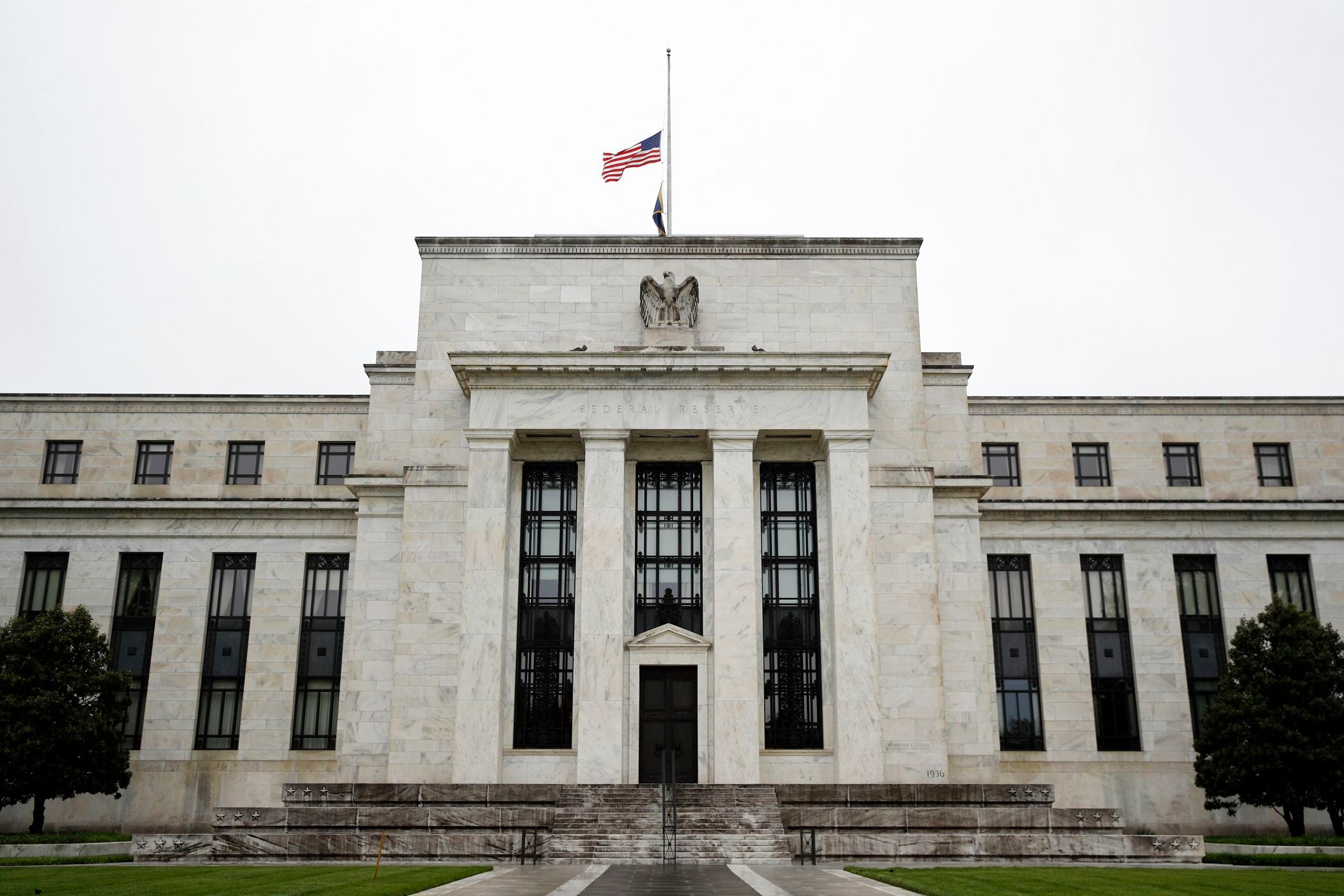
The Senate on Thursday narrowly confirmed the nomination of Christopher Waller for the Federal Reserve’s Board of Governors, placing another of President Donald Trump’s picks on the Fed’s influential board after a string of high-profile rejections.
IBM security researchers say they have detected a cyberespionage effort that used targeted phishing emails to try to collect vital information associated with a U.N. initiative for distributing coronavirus vaccine to developing countries.
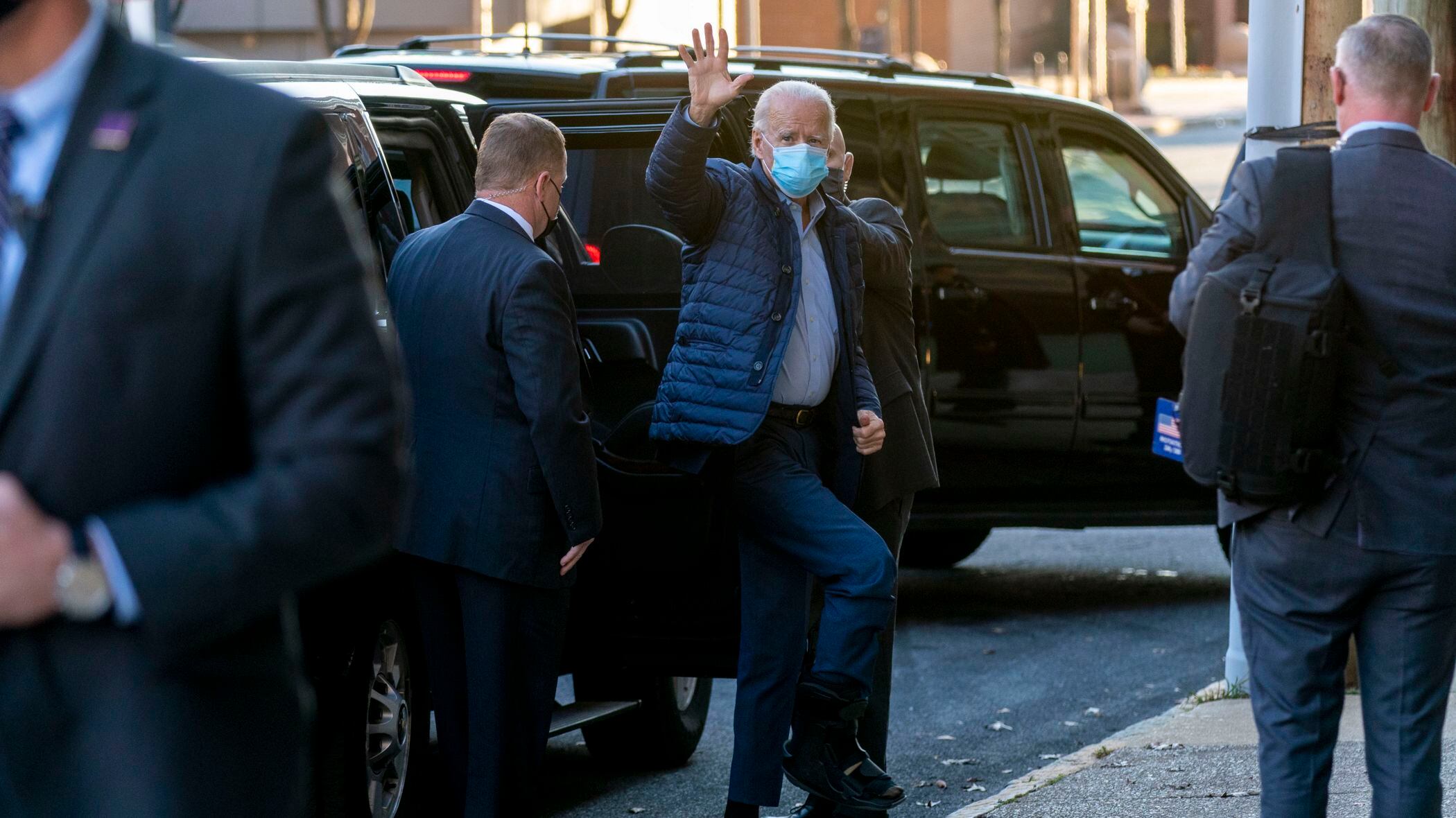
President-elect Joe Biden has swung behind a bipartisan COVID-19 relief effort. That comes as his top Capitol Hill allies cut their demands for a $2 trillion-plus measure by more than half.
Peter Rawlinson, CEO of electric vehicle maker Lucid Motors, joined Cheddar to discuss its new plant in Arizona and hopes for a more supportive policy on EVs from the incoming Biden administration.
The health agency also announced new guidelines that shorten recommended quarantines after close contact with someone infected with coronavirus. Now people can resume normal activity after 10 days, or seven days if they receive a negative test result.
The Transportation Department issued a final rule Wednesday covering service animals. The rule says only dogs can qualify, and they have to be specially trained to help a person with disabilities.
The head of the United Nations is calling on countries to end what he calls a war on nature and instead embrace a future without carbon pollution triggering global warming.
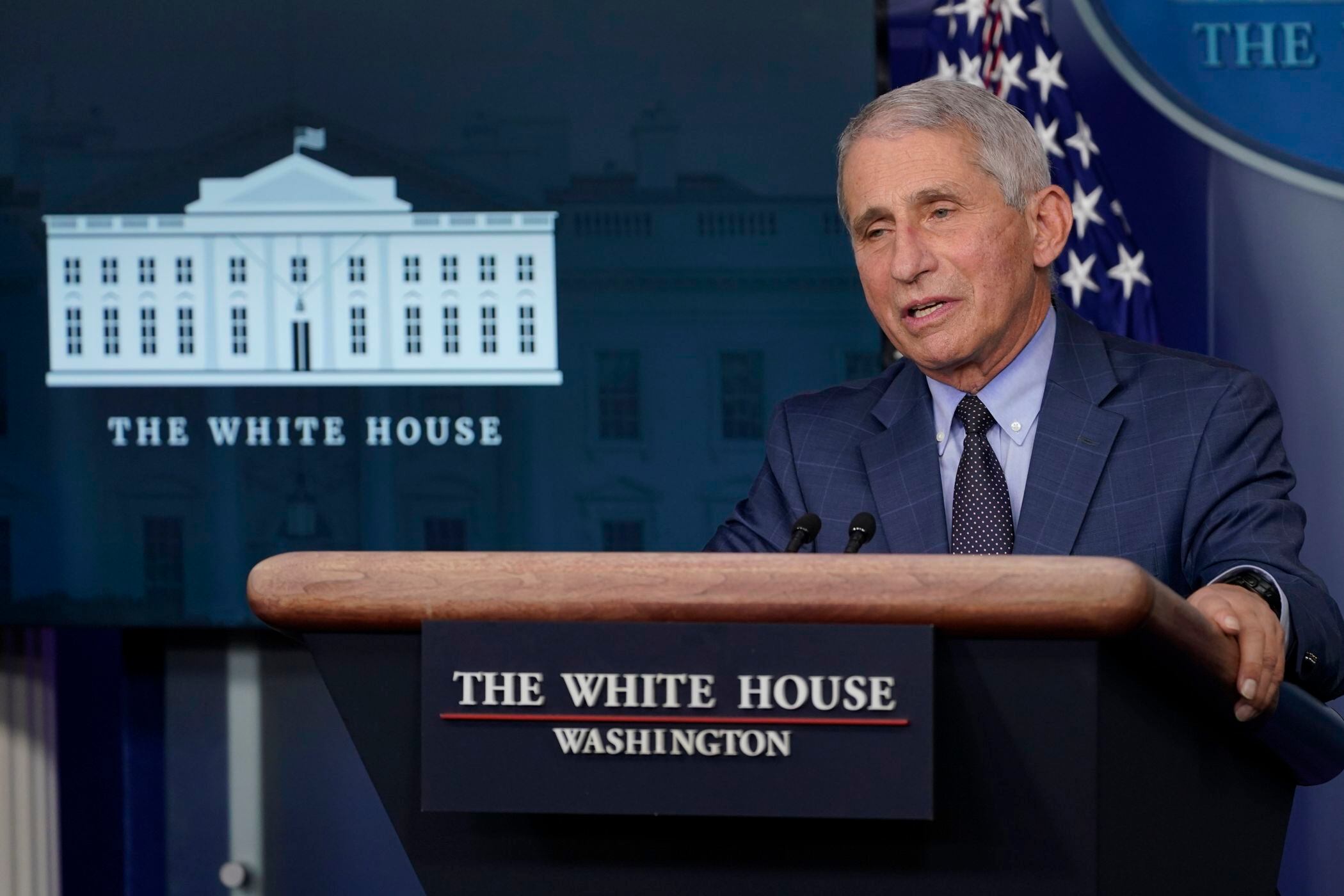
Dr. Anthony Fauci, director of the National Institute of Allergy and Infectious Diseases, discusses a wide range of current topics regarding the COVID-19 pandemic with Cheddar.
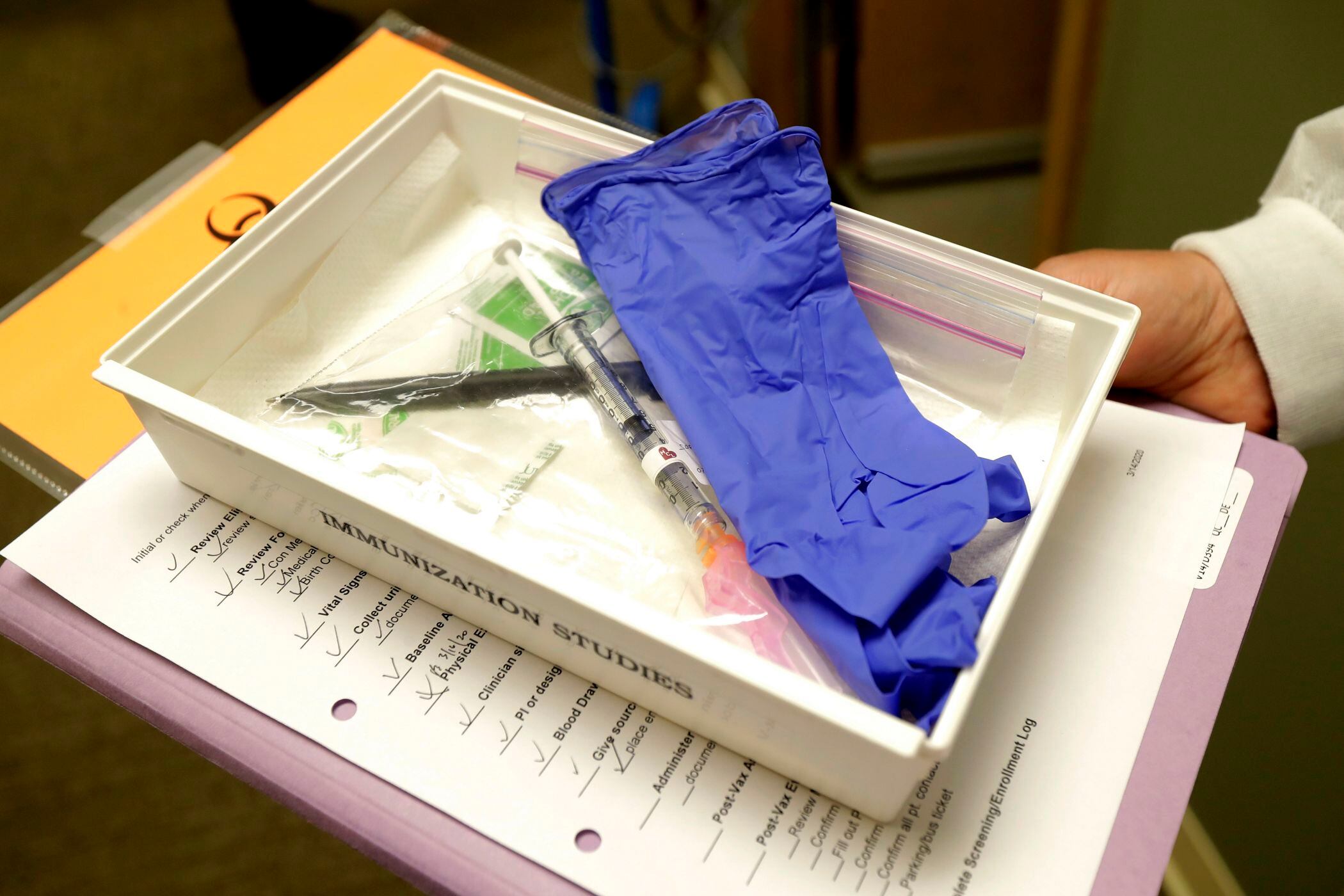
An influential government advisory panel says health care workers and nursing home residents should be at the front of the line when the first coronavirus vaccine shots become available.
Attorney General William Barr said Tuesday that the Justice Department has not uncovered evidence of widespread voter fraud and has seen nothing that would change the outcome of the 2020 presidential election.