*By Madison Alworth*
New York Rep. Carolyn Maloney wants women to stop paying more than men for products.
"Today my office issued a report on the 'pink tax.' This report shows, not only are we 80 cents to the dollar with the 20 percent discrimination in pay, but that we pay more for other products," said Maloney, who represents New York's 12th Congressional District, in an interview on Cheddar Tuesday.
The congresswoman was at the New York Stock Exchange to celebrate Women's Equality Day, which marks the ratification of the Nineteenth Amendment.
The new ["Earn Less, Pay More"](https://maloney.house.gov/media-center/press-releases/ahead-of-women-s-equality-day-maloney-casey-release-earn-less-pay-more) report highlights research by the [Government Accountability Office](https://www.gao.gov/products/GAO-18-500). The report found that half of the personal care items studied sported higher price tags for the women's version.
The issue extends beyond just personal care.
"We did see a discrepancy in how men and women were treated in mortgages, buying cars, financing, interest on their loans, even access to loans," Maloney said. "This needs to be addressed. Why should you be paid less and then have to turn around and pay more?"
Maloney hopes businesses will react proactively to her report and adjust prices so men and women pay the same amount.
For full interview [click here](https://cheddar.com/videos/congresswoman-carolyn-maloney-fights-for-womens-equality).
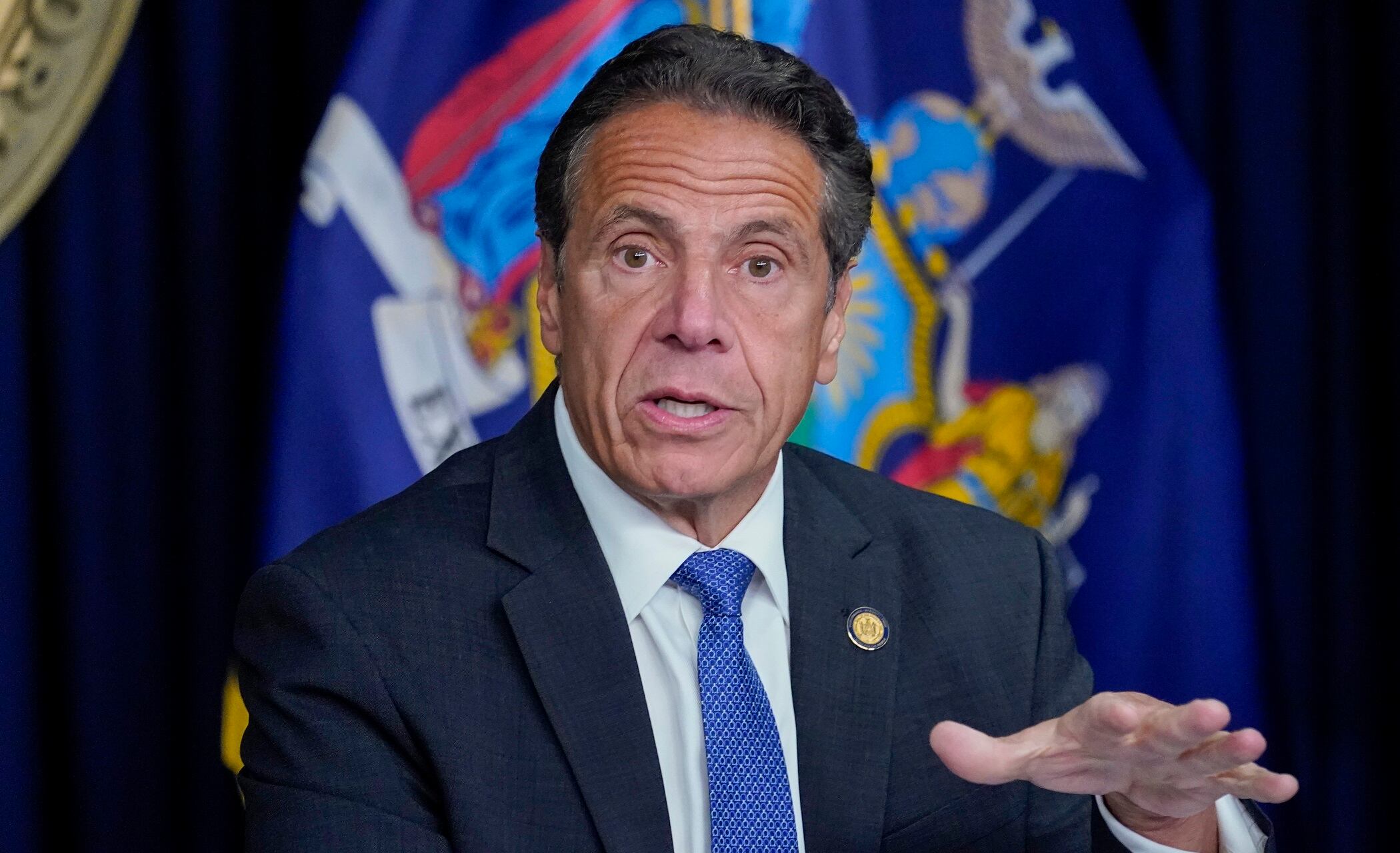
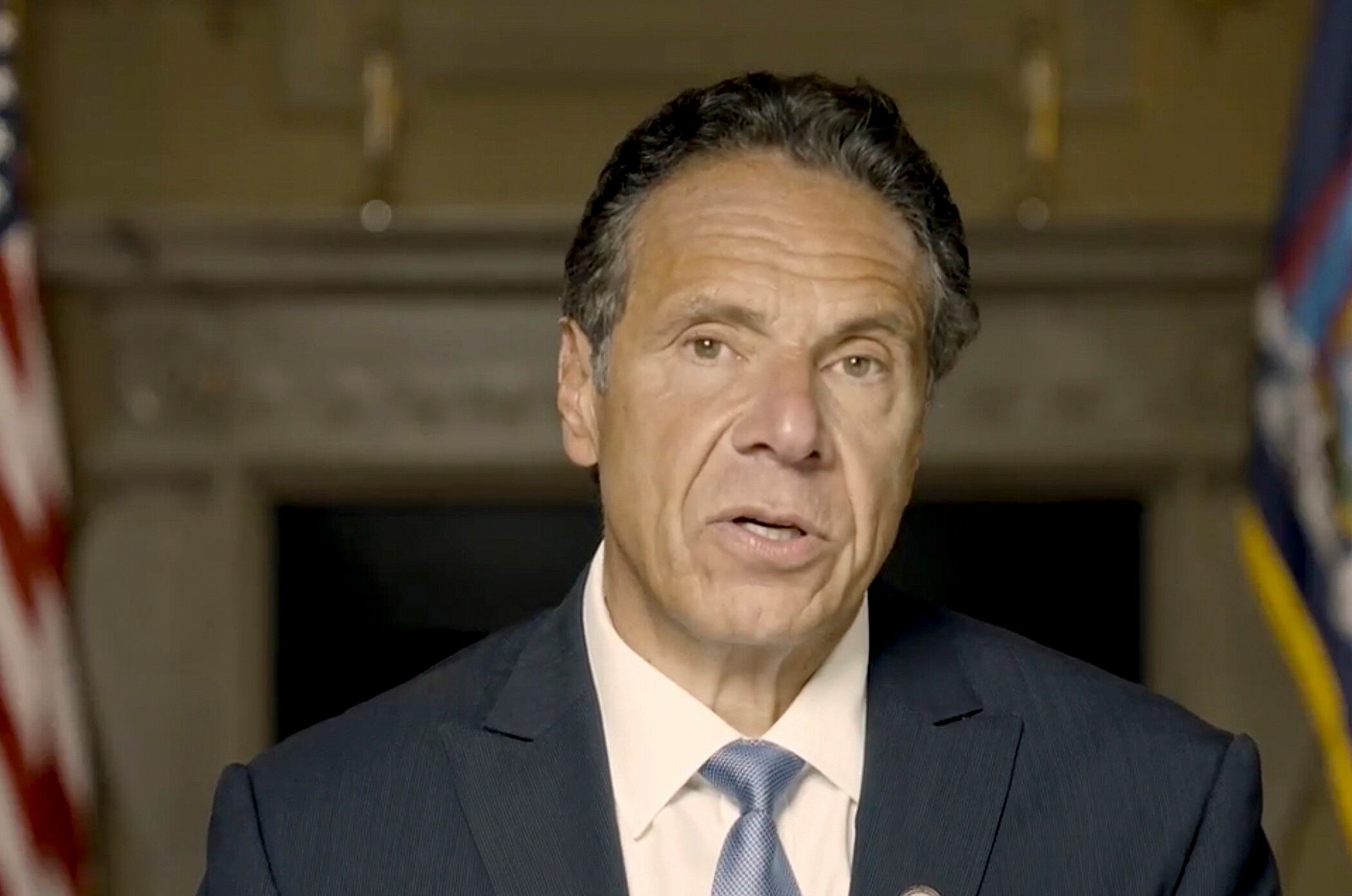
The Albany County Sheriff’s office says a woman who accused Gov. Andrew Cuomo of groping her breast at the New York governor’s state residence has filed a criminal complaint against him.
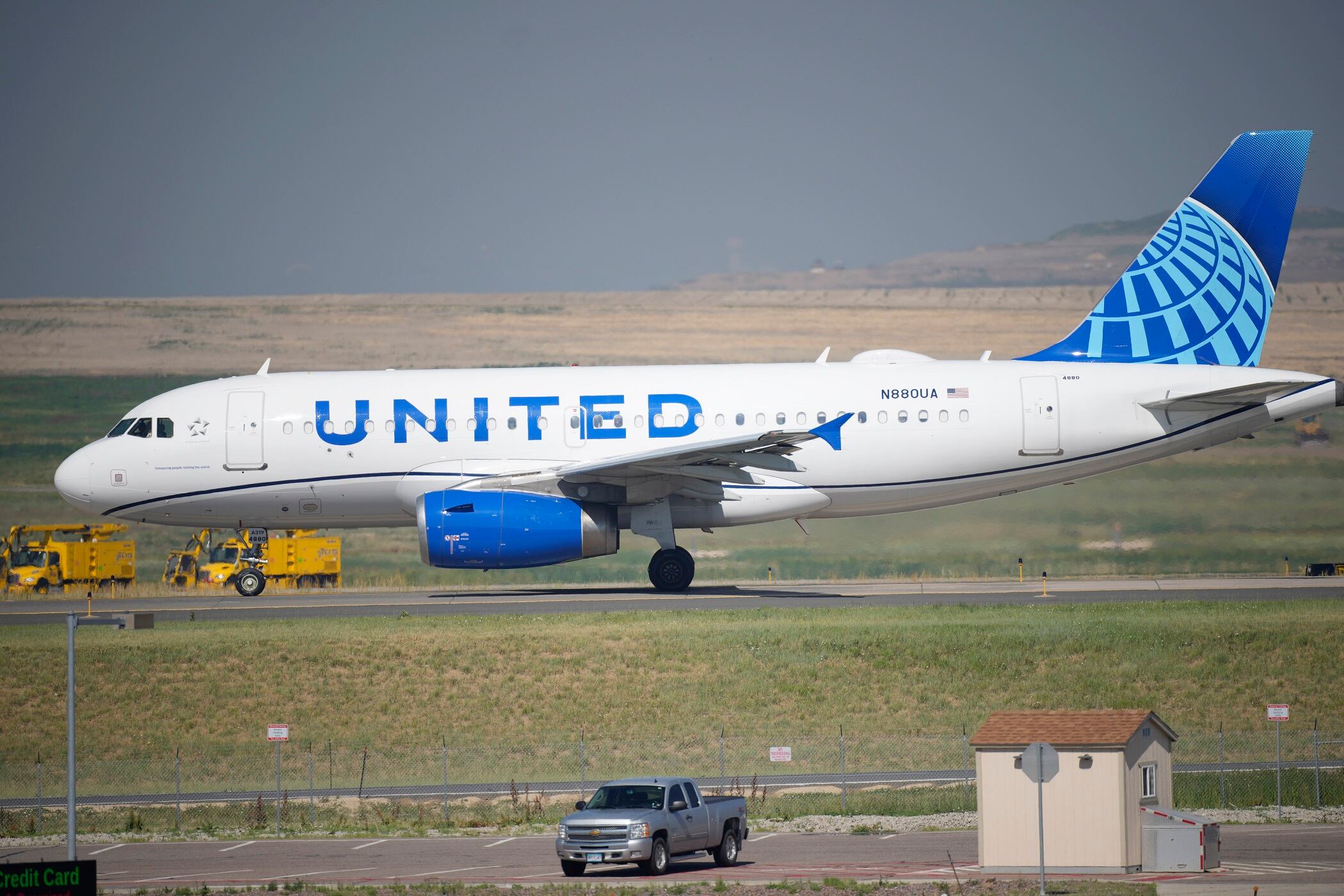
United Airlines will require U.S.-based employees to be vaccinated against COVID-19 by late October, and maybe sooner.
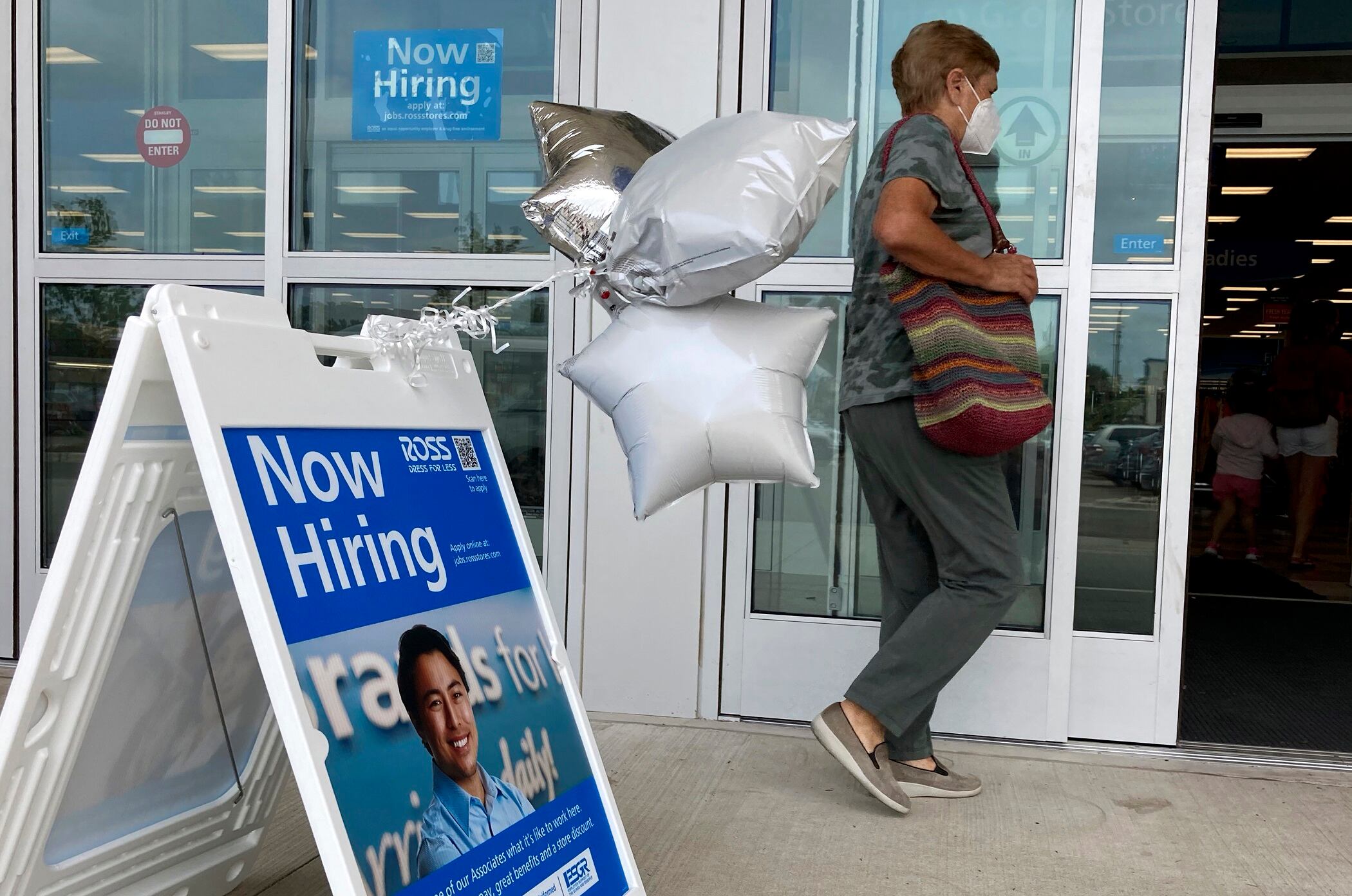
Hiring surged in July as American employers added 943,000 jobs.
State lawmakers are telling New York Gov. Andrew Cuomo that their ongoing impeachment investigation is “nearing completion” and gave him a deadline of Aug. 13 to provide additional evidence.
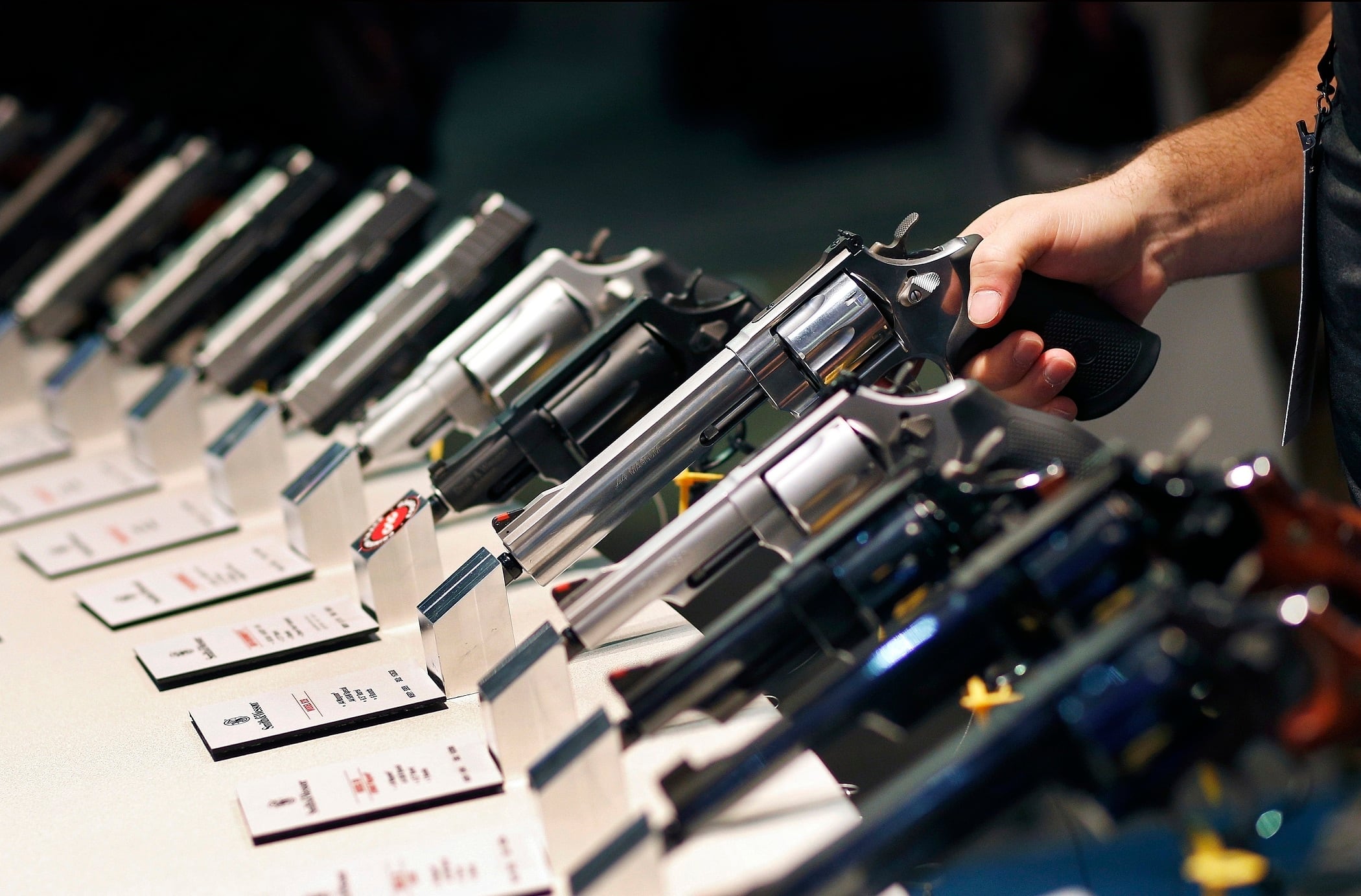
The Mexican government is suing U.S. gun manufacturers and distributors, arguing that their commercial practices have unleashed tremendous bloodshed in Mexico.
The number of Americans applying for unemployment benefits fell last week by 14,000 to 385,000 more evidence that the economy and the job market are rebounding briskly from the coronavirus recession.
The White House will be requiring incoming travelers to the U.S. to be vaccinated., Gov. Cuomo is potentially looking at criminal charges, and Jeopardy! might be heading in a surprise direction for a new host.
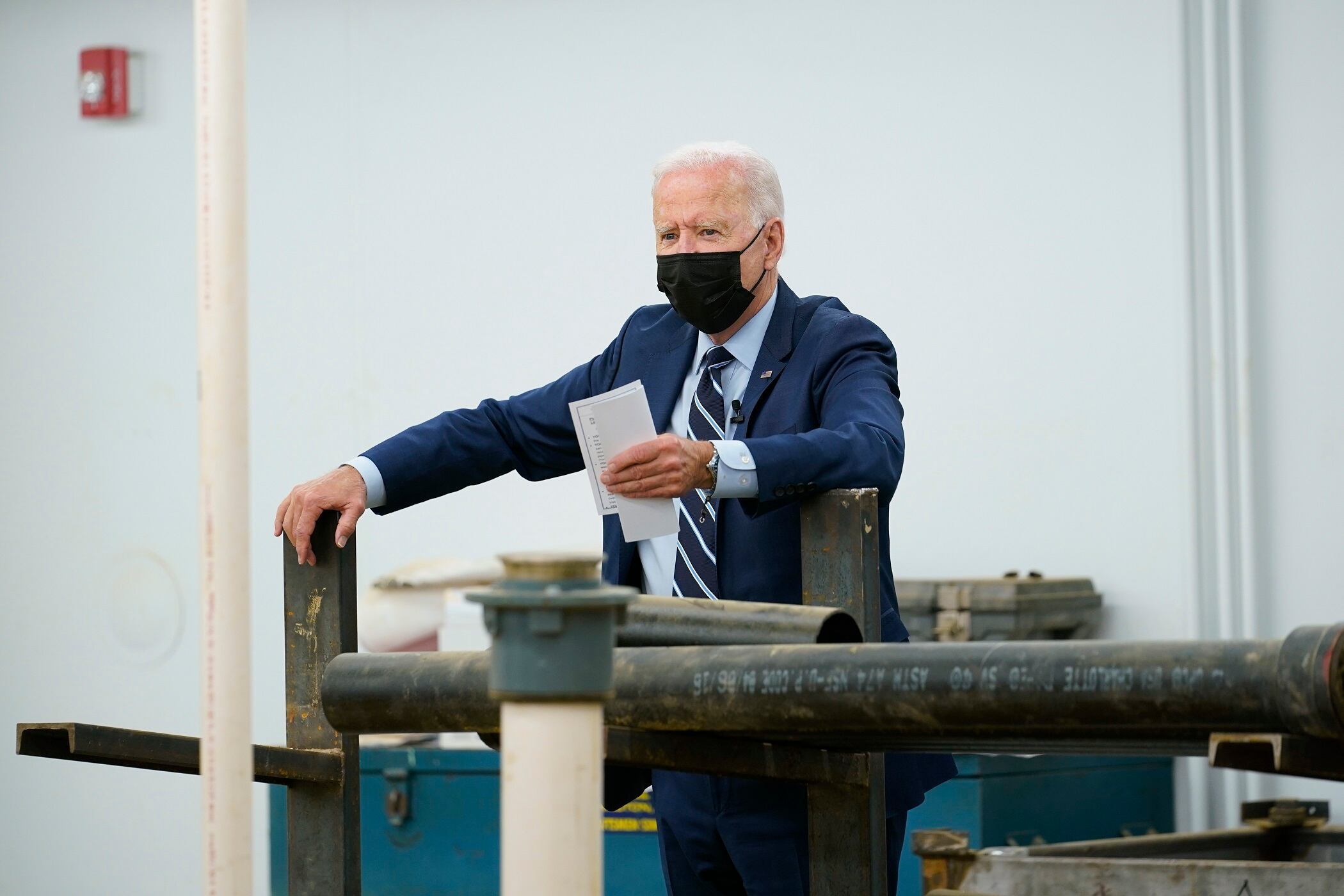
The Biden administration wants automakers to raise gas mileage and cut tailpipe pollution between now and model year 2026. It also has won a voluntary commitment from the industry that electric vehicles would make up roughly half of U.S. sales by 2030.
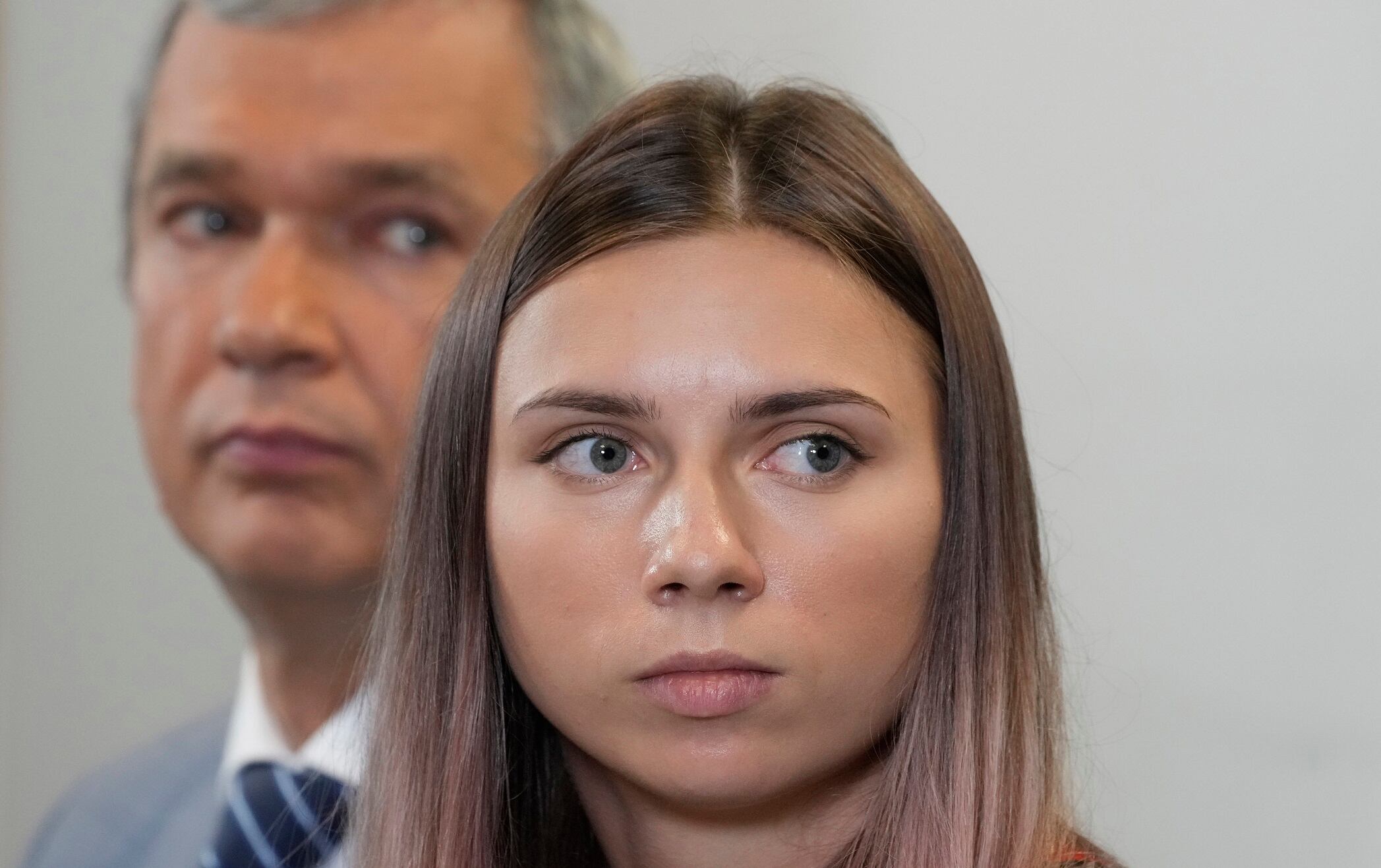
A Belarusian Olympic sprinter who criticized her coaches at the Tokyo Games said Thursday that she showed police at the airport a translated plea for help on her phone as she tried to avoid being put on a plane back home.
The State Department says it's looking into the apparent disappearance of a nearly $6,000 bottle of whisky given more than two years ago to then-Secretary of State Mike Pompeo by the government of Japan.