*By Madison Alworth*
New York Rep. Carolyn Maloney wants women to stop paying more than men for products.
"Today my office issued a report on the 'pink tax.' This report shows, not only are we 80 cents to the dollar with the 20 percent discrimination in pay, but that we pay more for other products," said Maloney, who represents New York's 12th Congressional District, in an interview on Cheddar Tuesday.
The congresswoman was at the New York Stock Exchange to celebrate Women's Equality Day, which marks the ratification of the Nineteenth Amendment.
The new ["Earn Less, Pay More"](https://maloney.house.gov/media-center/press-releases/ahead-of-women-s-equality-day-maloney-casey-release-earn-less-pay-more) report highlights research by the [Government Accountability Office](https://www.gao.gov/products/GAO-18-500). The report found that half of the personal care items studied sported higher price tags for the women's version.
The issue extends beyond just personal care.
"We did see a discrepancy in how men and women were treated in mortgages, buying cars, financing, interest on their loans, even access to loans," Maloney said. "This needs to be addressed. Why should you be paid less and then have to turn around and pay more?"
Maloney hopes businesses will react proactively to her report and adjust prices so men and women pay the same amount.
For full interview [click here](https://cheddar.com/videos/congresswoman-carolyn-maloney-fights-for-womens-equality).
Coming off a 2021 campaign where the prices of Bitcoin, Ether, and other cryptocurrencies reached unpreceded levels, Bitwise Asset Management CIO Matt Hougan and OpenNode Co-Founder & CTO João Almeida join Cheddar News' Crypto Craze: The Year of the Token to discuss the ways the crypto market can soar even higher in 2022.
The Cowboy State has become one of the world's top tax havens, according to the Pandora Papers, a trove of more than 11.9 million documents obtained by the International Consortium of Investigative Journalists and The Washington Post. The papers reveal, among other things, how ultra-wealthy people from around the world move money into the U.S., invest, and spend it under a shroud of secrecy. Allison Tait, University of Richmond law professor, joined Cheddar to talk about Wyoming's laidback tax laws, their impact on the nation's economy, and provided some details on the financial arrangement known as the "cowboy cocktail."
Carlo and Baker preview President Biden's address to the nation as Omicron becomes the new dominant Covid strain. Plus, Trump gets booed for getting his booster and the White House gets a new puppy.
China and Russia are saying they want to work closer together in different areas after a recent call between Presidents Xi Jinping and Vladimir Putin. What are the implications of a close partnership between Beijing and Moscow? Cheddar News breaks things down with expert Hagar Chemali.
Michele Schneider, Partner and Director of Trading Research & Education for MarketGauge.com, joins Cheddar News' Closing Bell, where she says the spread of the Omicron variant and Jerome Powell's comments following the latest Fed decision are spooking investors heading into the weekend.
Carlo and Baker wrap up another week discussing the latest explosion in new Covid cases in the Northeast, President Biden's stalled agenda and more. Plus, Love, Hate, Ate featuring the question: why did movie dialogue get so hard to understand?
Since July 2021, families with children have received monthly payments from the federal government as part of the expanded child tax credit, a policy that may be expiring this month. Megan Curran, policy director at the Center on Poverty and Social Policy at Columbia University, joined Cheddar News to discuss.
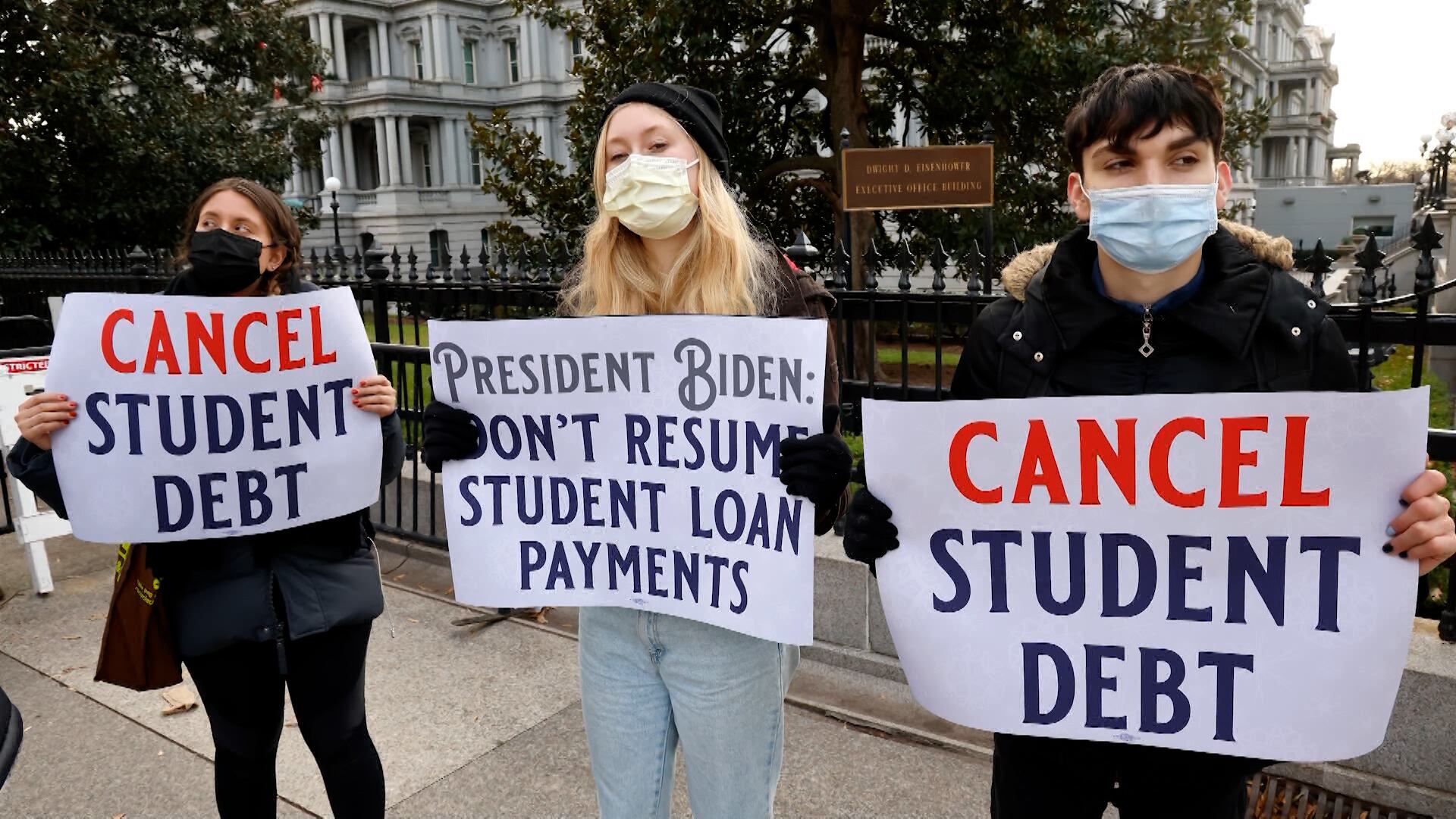
During the pandemic, student loan debt repayment was put on pause amid an unprecedented crisis. However, on February 1, 2022, the schedule is set to resume, and currently it looks as though the Biden administration has no plans to extend it. Cody Hounanian, the executive director of the Student Debt Crisis Center, spoke to Cheddar about why he believes the loan collection pause needs to at least be extended as borrowers are still struggling with the resurgent pandemic and inflation. "There's really no good economic or policy or political reason as far as why they're focused on getting payments started now," Hounanian said. "We surveyed 33,000 people with student loans last month. Nine out of 10 told us that they are not ready to resume payments."