It is up to the federal government to make sure America embraces rapid technological change in a way that is “positive for as many of our citizens as possible,” said Rep. John Delaney (D-MD).
In an interview with Cheddar, the Congressman said he doesn’t believe such progress is a threat to the labor market.
“Innovation generally creates more jobs than it displaces,” said Delaney. “But the problem is oftentimes the jobs that get created by innovation are not located in the same places where the jobs that were displaced are located.”
He pointed out that 80 percent of venture capital in this country goes to just California, New York, and Boston, which means that innovation and job creation is highly concentrated in and around those places.
“I think that will continue unless policymakers do things to make sure more of our country has the opportunity to have people invest in their communities and kind of benefit from this innovation.”
Delaney founded the A.I. Caucus to do just that. Comprised of lawmakers from both sides of the aisle, the group strives to work with the private sector to come up with policy ideas that can help the country keep up with technological change.
“I just want to make sure we don’t leave huge parts of the country behind,” he said.
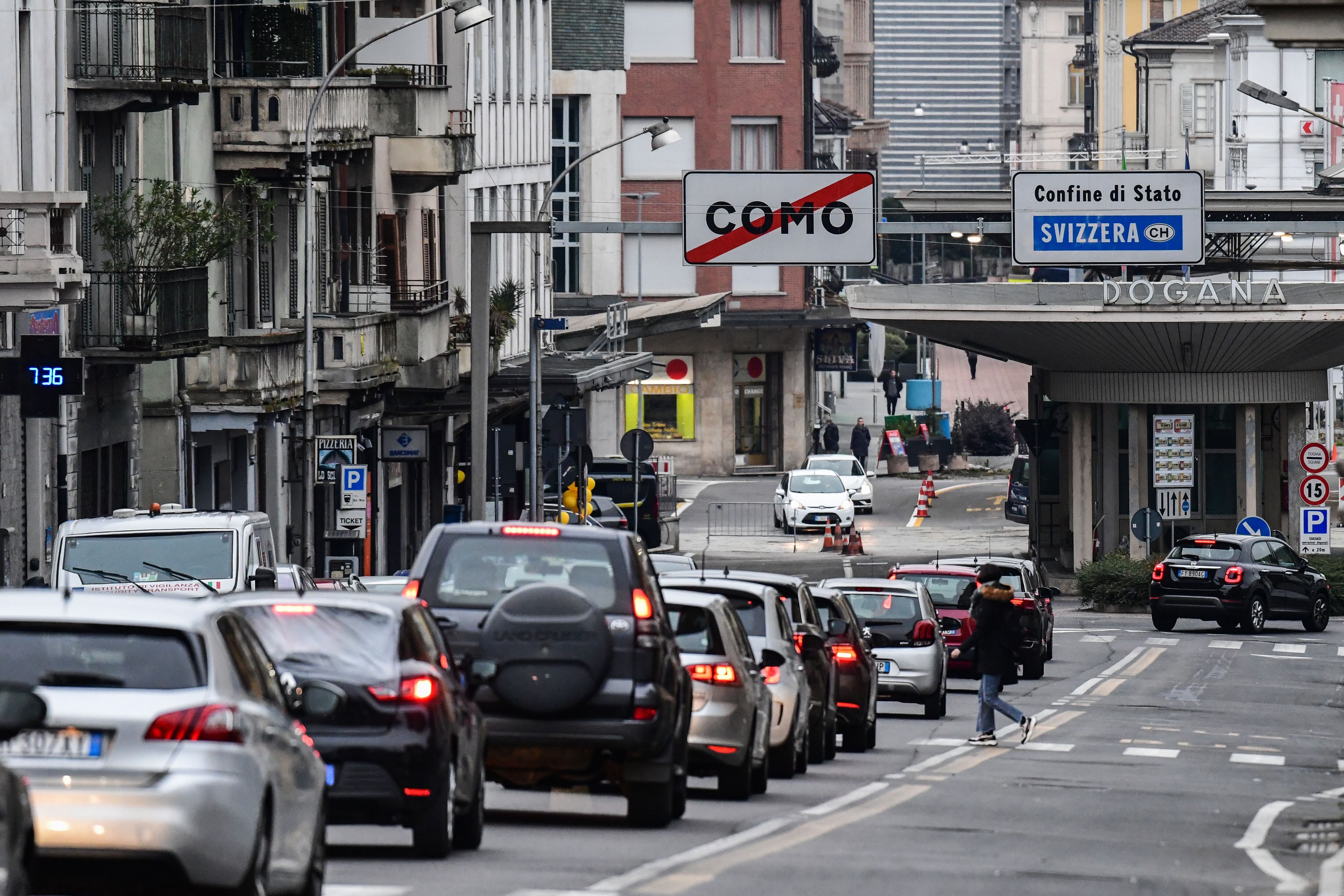
Lenore Hawkins, chief macro strategist at Tematica Research, told Cheddar from Lake Como, Italy, that the local populace seems to be taking the directives to stay indoors seriously.
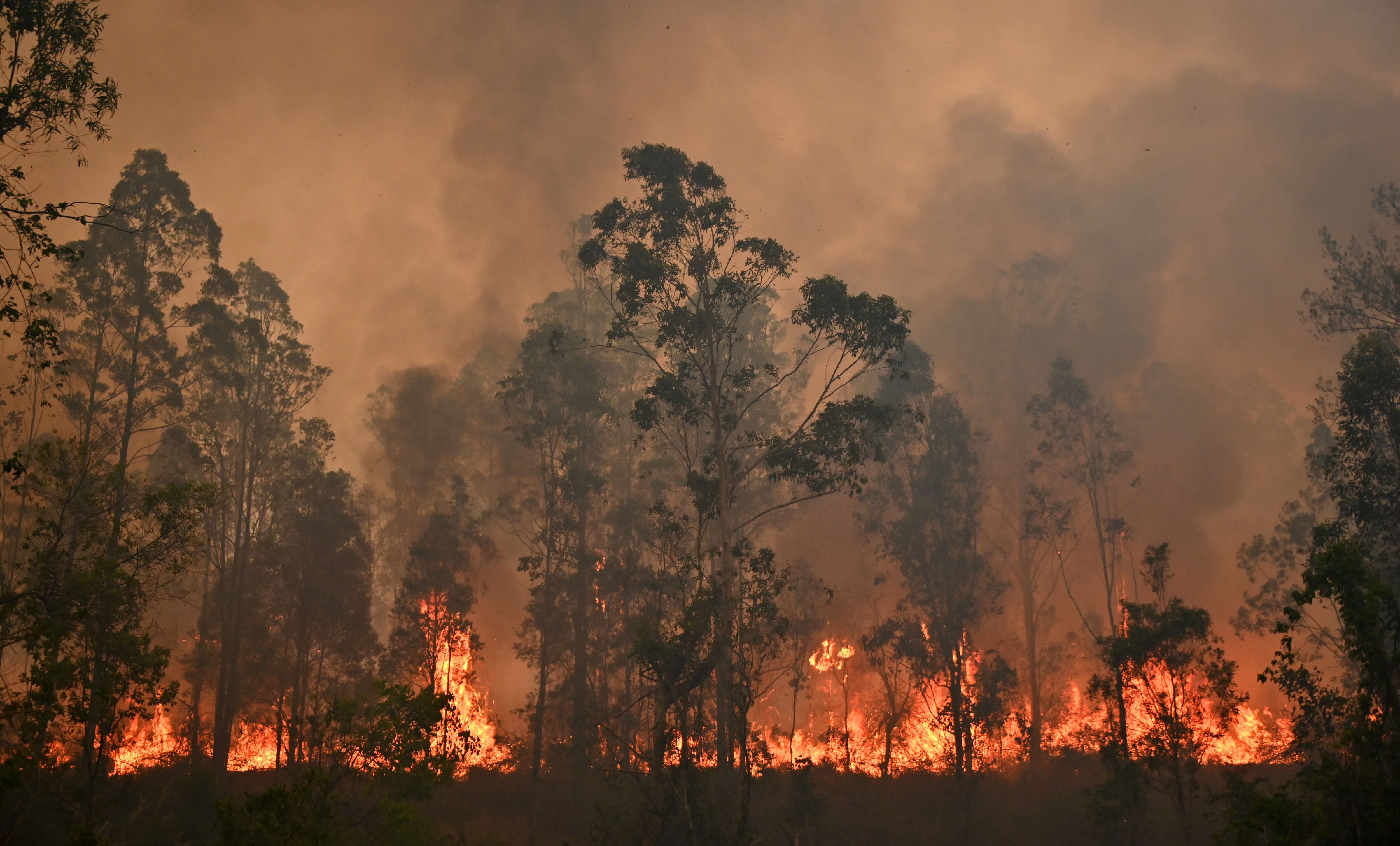
The Earth's average temperature last year was about 1.1 degrees Celsius higher than pre-industrial levels, second only to the record established in 2016.
Swaths of shale producers, many heavily in debt and still recovering from the price crash of 2015, have posted double-digit drops in stock prices in the past 48 hours, with some companies already announcing rounds of layoffs.
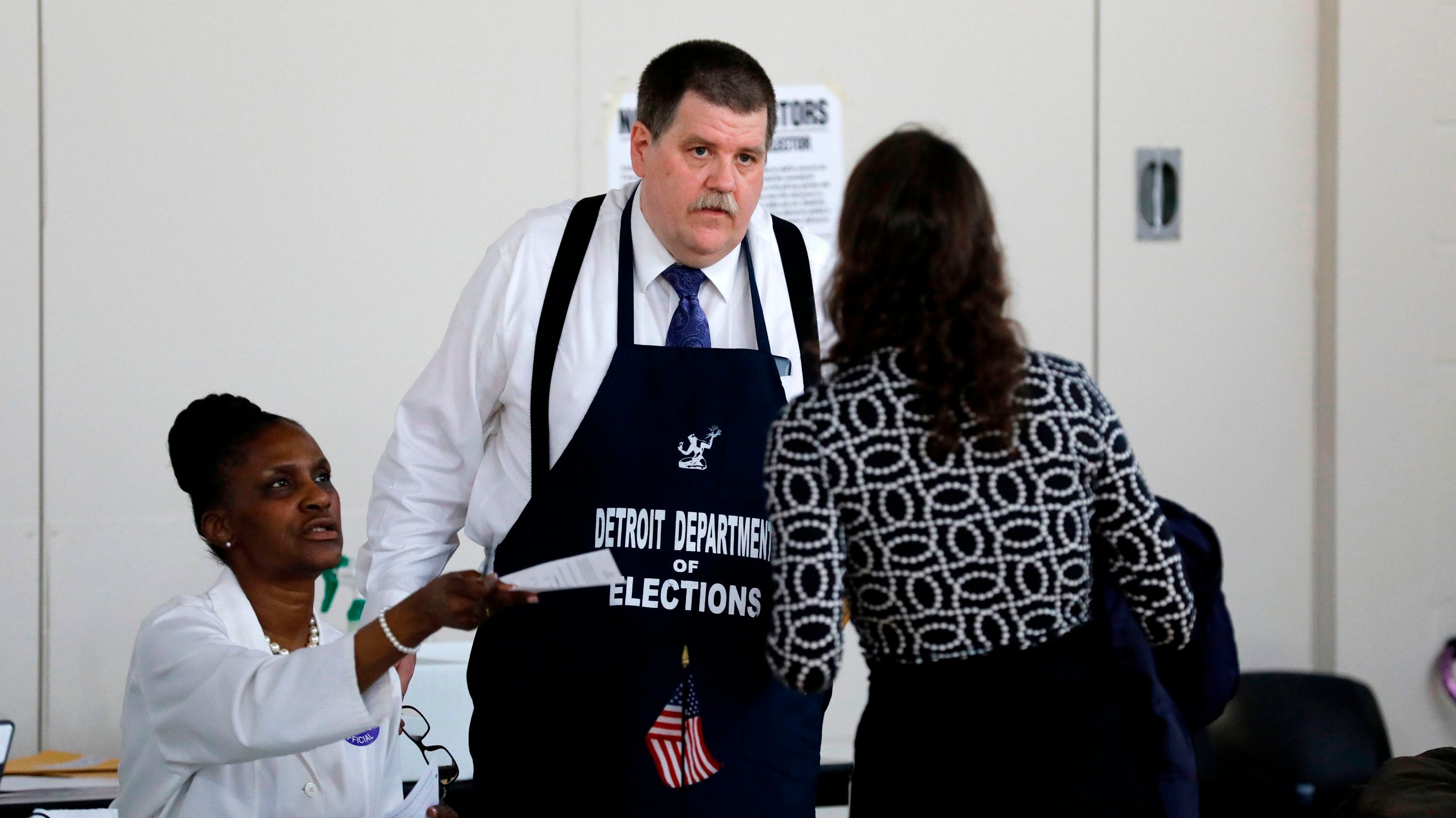
Biden and Vermont Senator Bernie Sanders will go head to head for the 352 delegates promised on what some are calling ‘Super Tuesday 2.0,’ with a focus on the battleground state of Michigan.
These are the headlines you Need 2 Know for Tuesday, March 10, 2020.
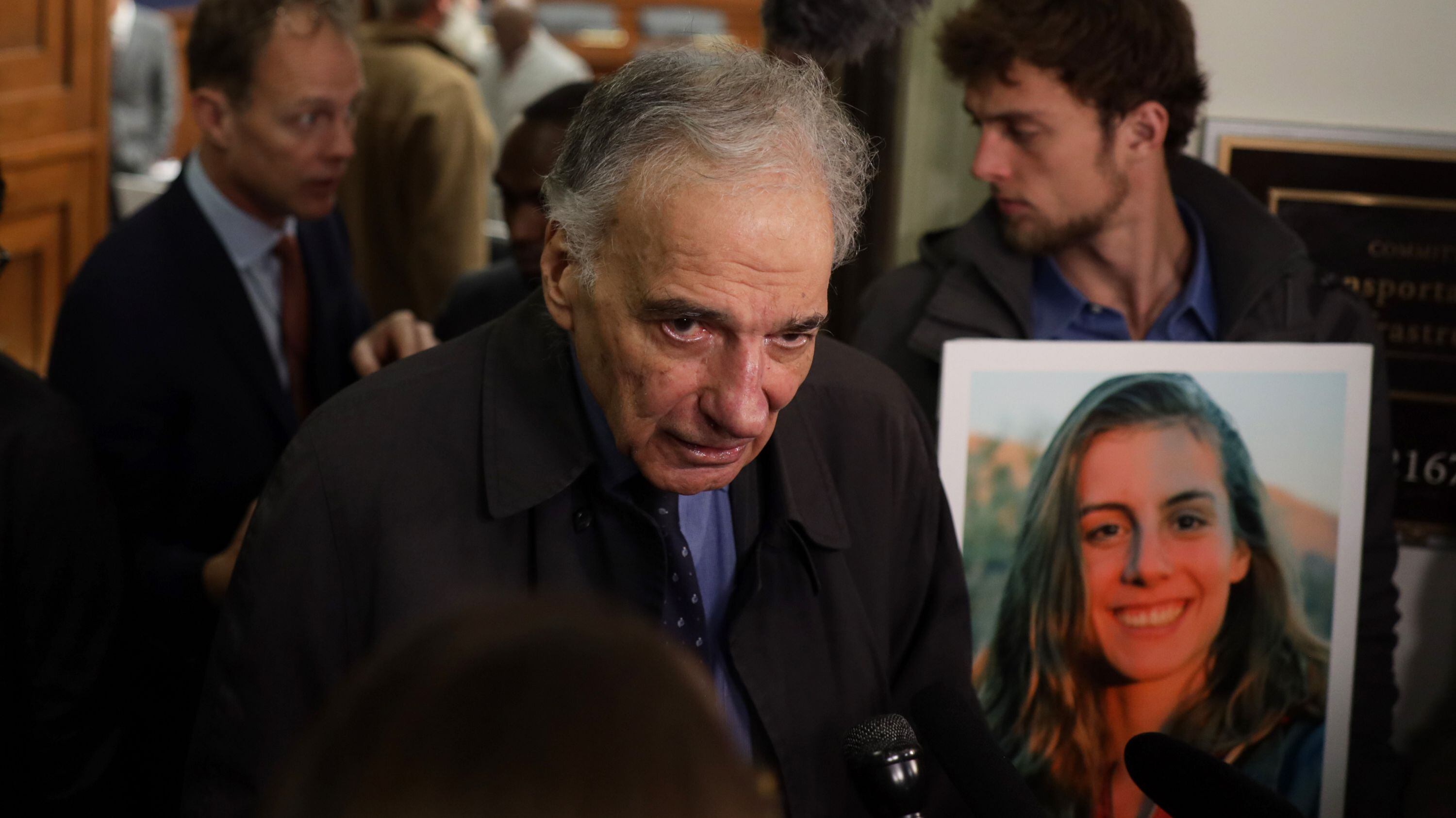
Consumer advocate Ralph Nader, whose grandniece was killed in that disaster, said that even once the plane makes it back to the skies, he won't fly in it.
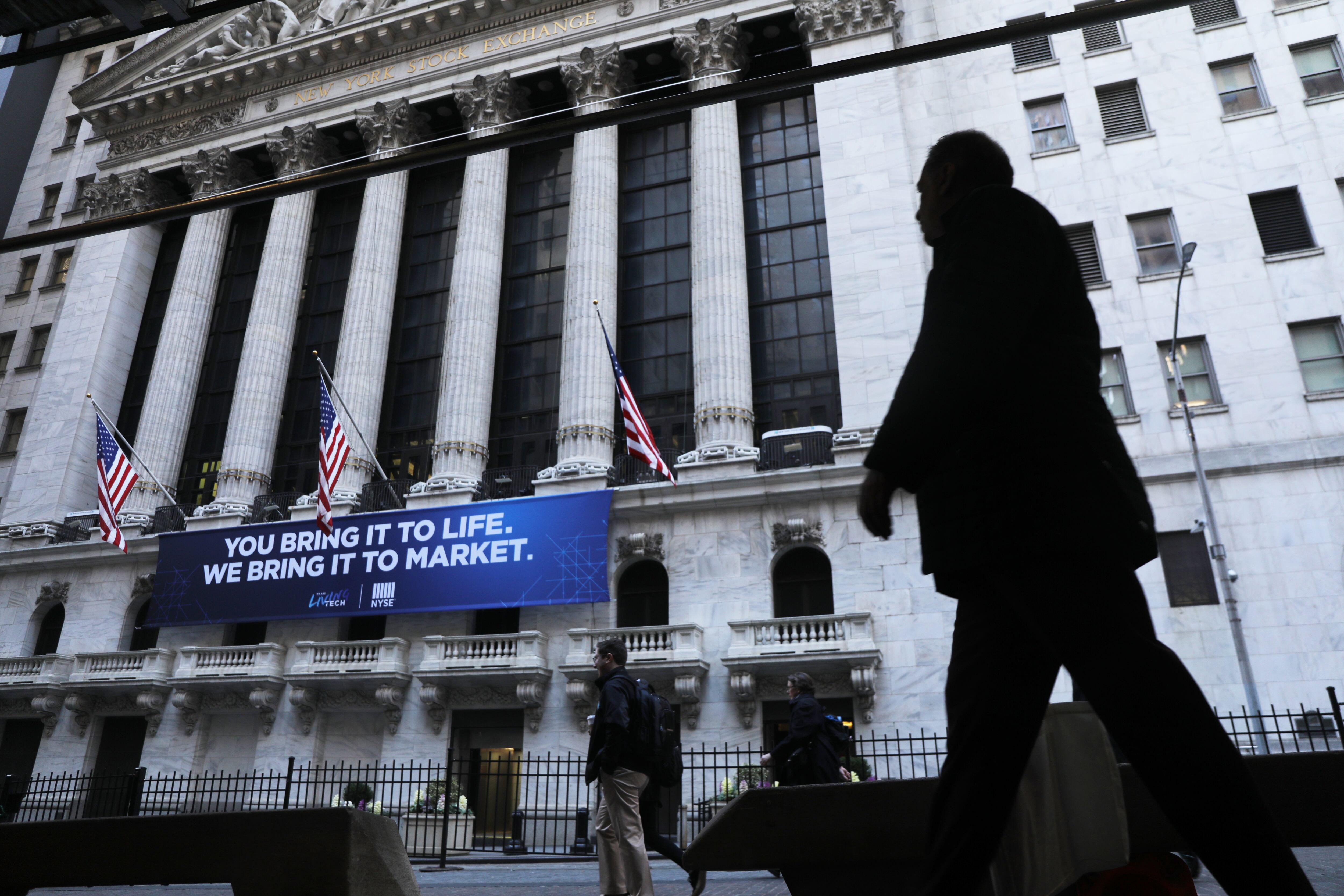
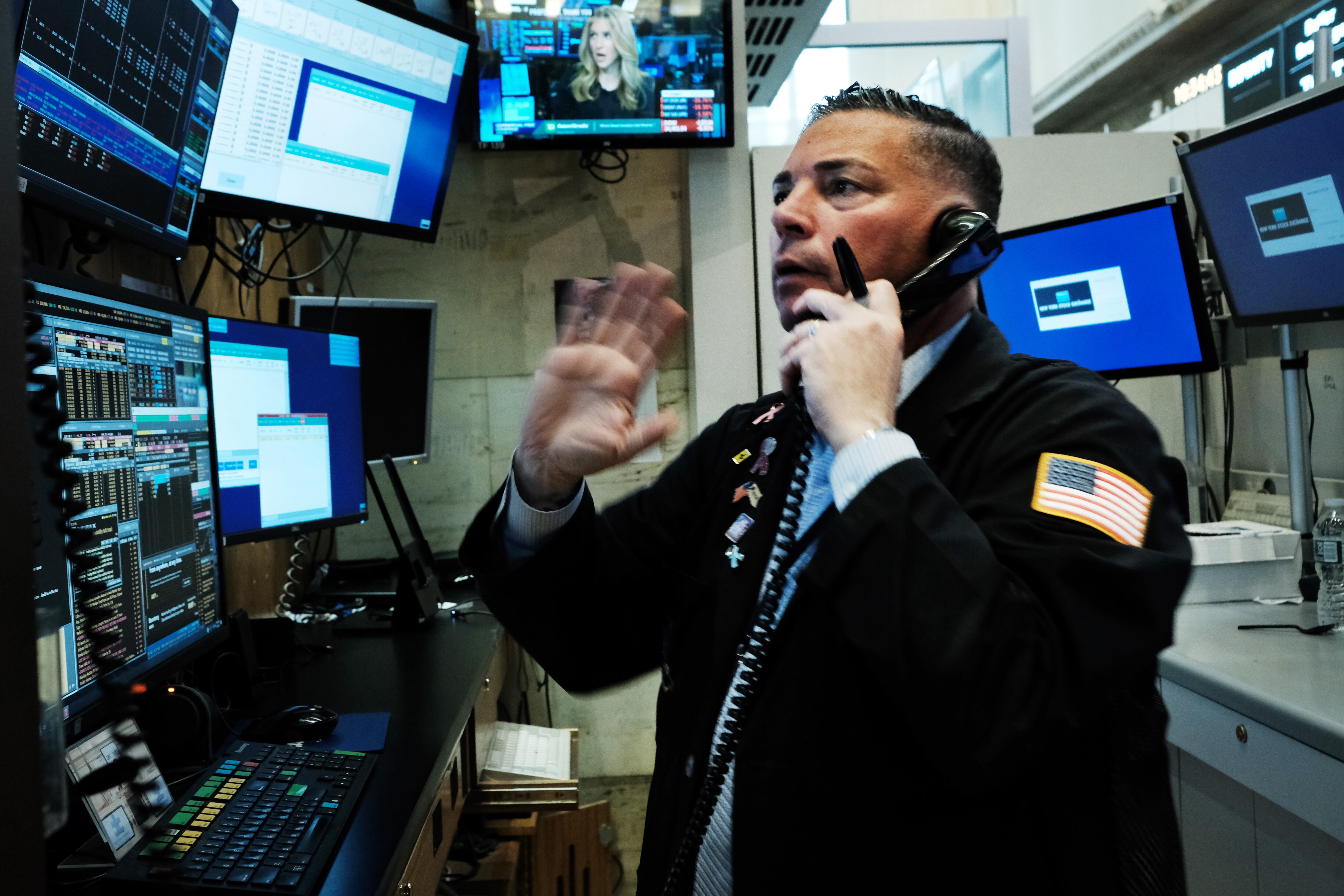
The Dow Jones Industrial Average sank 7.8%, its steepest drop since the financial crisis of 2008, as a free-fall in oil prices and worsening fears of fallout from the spreading coronavirus outbreak seize markets. The sharp drops triggered the first automatic halts in trading in two decades.
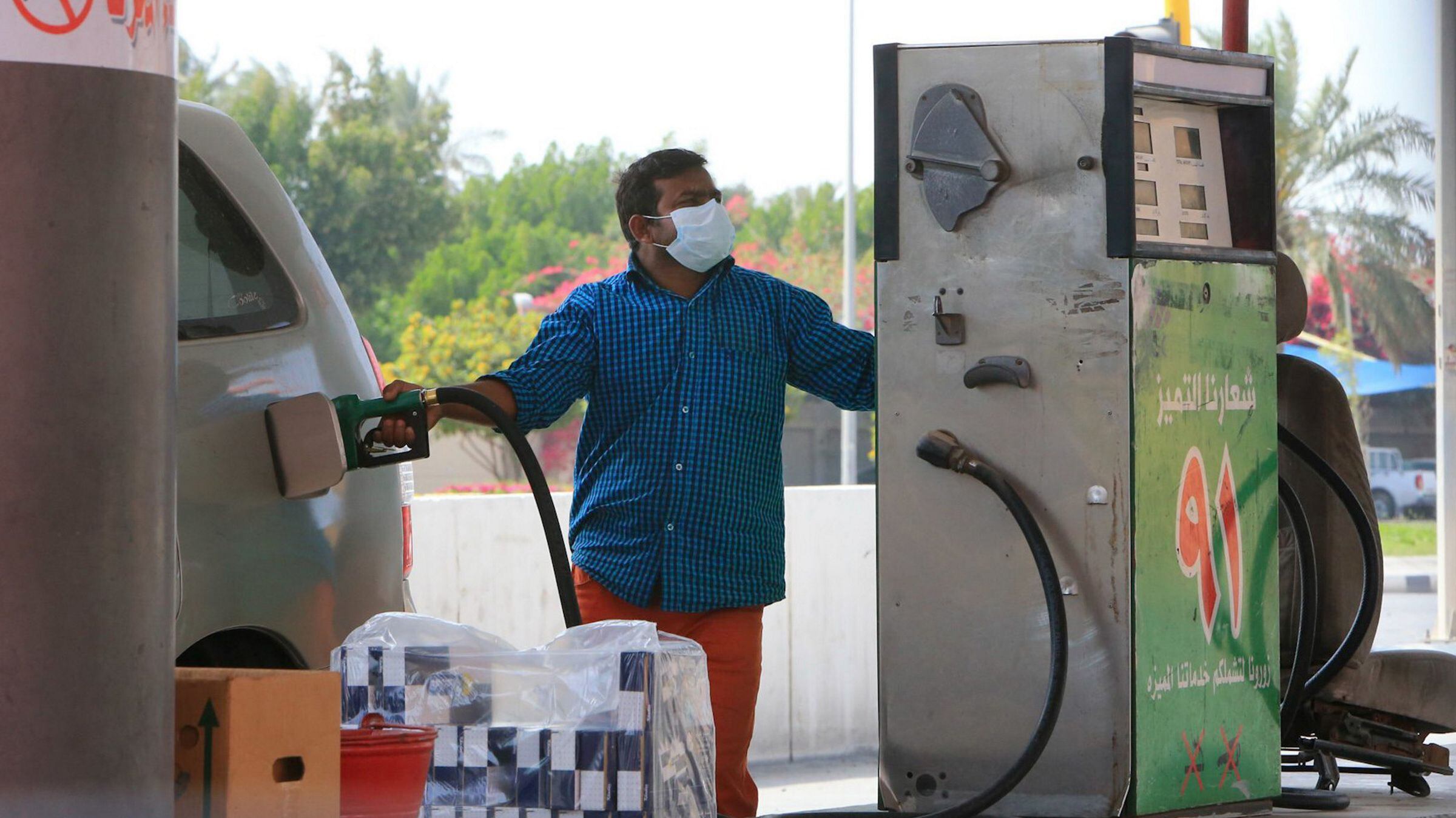
Brent crude, the global benchmark for oil and for U.S. gasoline prices, hovered around $36 a barrel after opening Monday at about $33 -- down from $45 a barrel on Friday and nearly $70 in January.
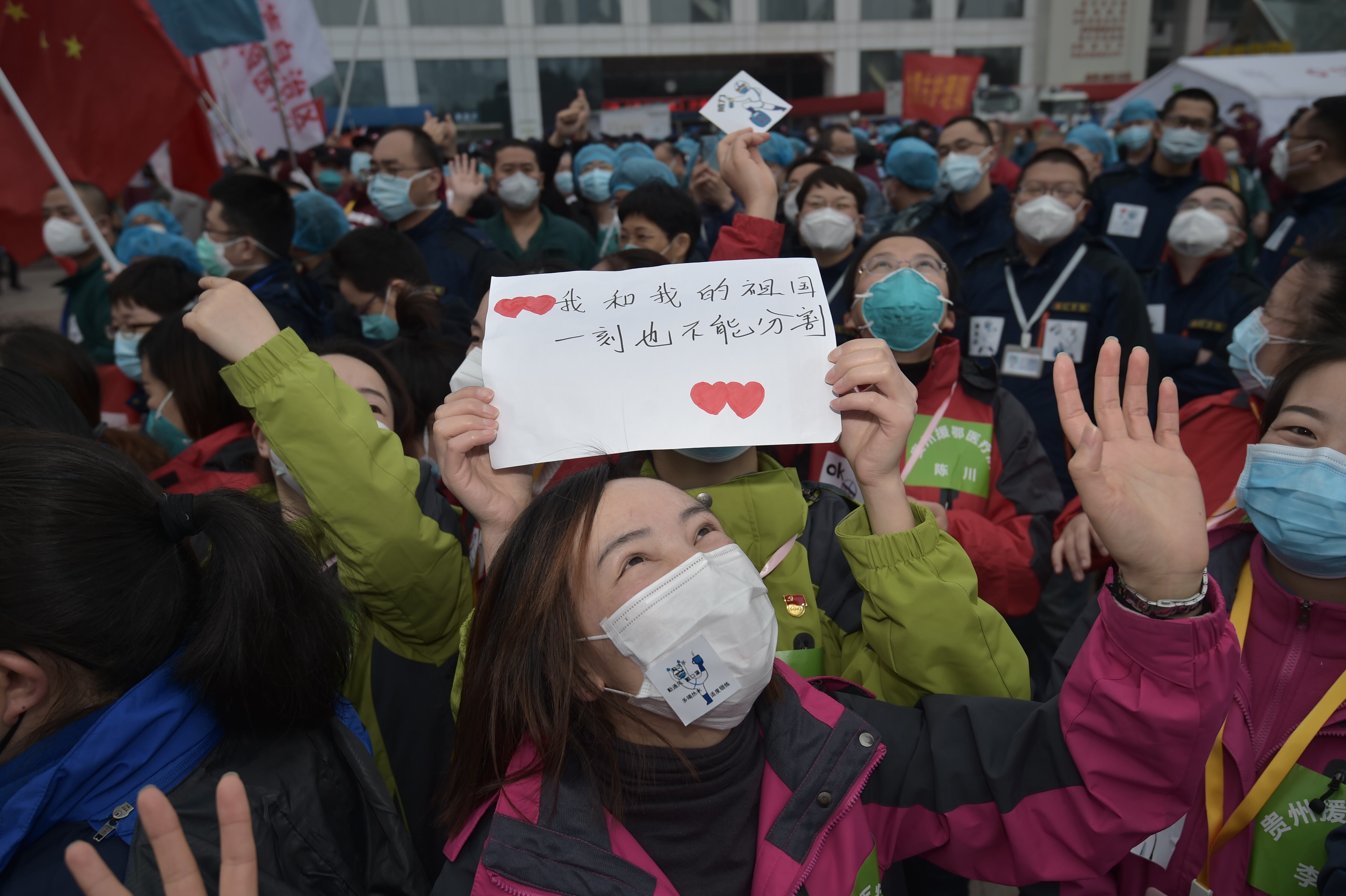
Officials at the World Health Organization said Monday that of about 80,000 people who have been sickened by COVID-19 in China, more than 70 percent have recovered and been discharged from hospitals.
Stocks are falling sharply Monday on Wall Street on a combination of coronavirus fears and plunging oil prices, triggering a brief, automatic halt in trading to let investors catch their breath.