It is up to the federal government to make sure America embraces rapid technological change in a way that is “positive for as many of our citizens as possible,” said Rep. John Delaney (D-MD).
In an interview with Cheddar, the Congressman said he doesn’t believe such progress is a threat to the labor market.
“Innovation generally creates more jobs than it displaces,” said Delaney. “But the problem is oftentimes the jobs that get created by innovation are not located in the same places where the jobs that were displaced are located.”
He pointed out that 80 percent of venture capital in this country goes to just California, New York, and Boston, which means that innovation and job creation is highly concentrated in and around those places.
“I think that will continue unless policymakers do things to make sure more of our country has the opportunity to have people invest in their communities and kind of benefit from this innovation.”
Delaney founded the A.I. Caucus to do just that. Comprised of lawmakers from both sides of the aisle, the group strives to work with the private sector to come up with policy ideas that can help the country keep up with technological change.
“I just want to make sure we don’t leave huge parts of the country behind,” he said.
The Biden administration will significantly loosen federal mask-wearing guidelines to protect against COVID-19 transmission on Friday, according to two people familiar with the matter.
Russian President Vladimir Putin openly invaded the neighboring country of Ukraine on Thursday following weeks of overtures and discussions on keeping an incursion from happening. David Salvo, the deputy director for the Alliance for Securing Democracy, joined Cheddar to go into the Russian leader's motivations. "What I'm sure he understands is that his invasion of Ukraine in 2014 probably ended the discussion of Ukraine joining NATO, even if publicly we won't admit that, that's just the reality. And I'm sure that President Putin understands that," he said, noting that Putin could be using the taking of Ukraine territory as leverage to gain more security concessions from the West.
Following Russia's incursion into Ukraine, the U.S. is warning businesses and major banks to brace themselves for cyberattacks. Lester Munson, a senior fellow at the National Security Institute, joined Cheddar News to break down what this means for financial institutions “So we need to be concerned about not just intentional Russian hacks against American entities but also what Russia is doing in Ukraine. Those things can impact us as well," he said
After weeks of talks and posturing in hopes of staving off an attack, Russia invaded Ukraine on Thursday, an incident that has already impacted the global economy, including the U.S.. Jason McMann, head of geopolitical risk analysis for Morning Consult, joined Cheddar’s Closing Bell to break down what investors might do to prepare themselves as the crisis continues. "I think there are a few things that we have our eye on over at Morning Consult that could cause the situation to become a bit more severe or unstable as far as market outcomes would be concerned," McMann said. "One of those things would be if the U.S. and the EU kind of moved in concerted fashion to block Russia from the SWIFT transaction system. So, I would say that's one thing that would be worth keeping an eye on."
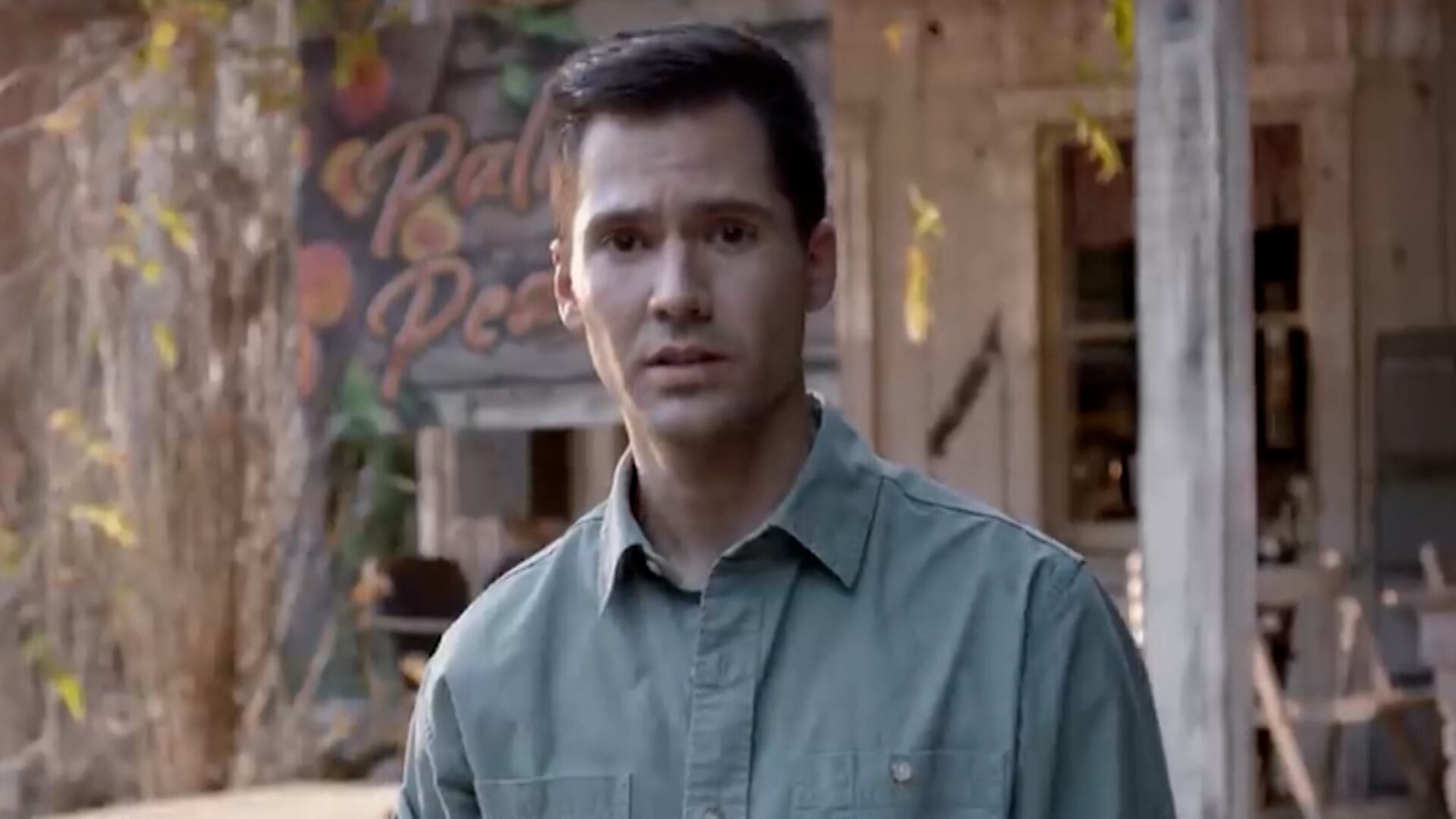
Alex Walker, candidate for Colorado's 3rd Congressional District, joins Cheddar News to discuss why he's running against Lauren Boebert and the inspiration behind his viral campaign ad.
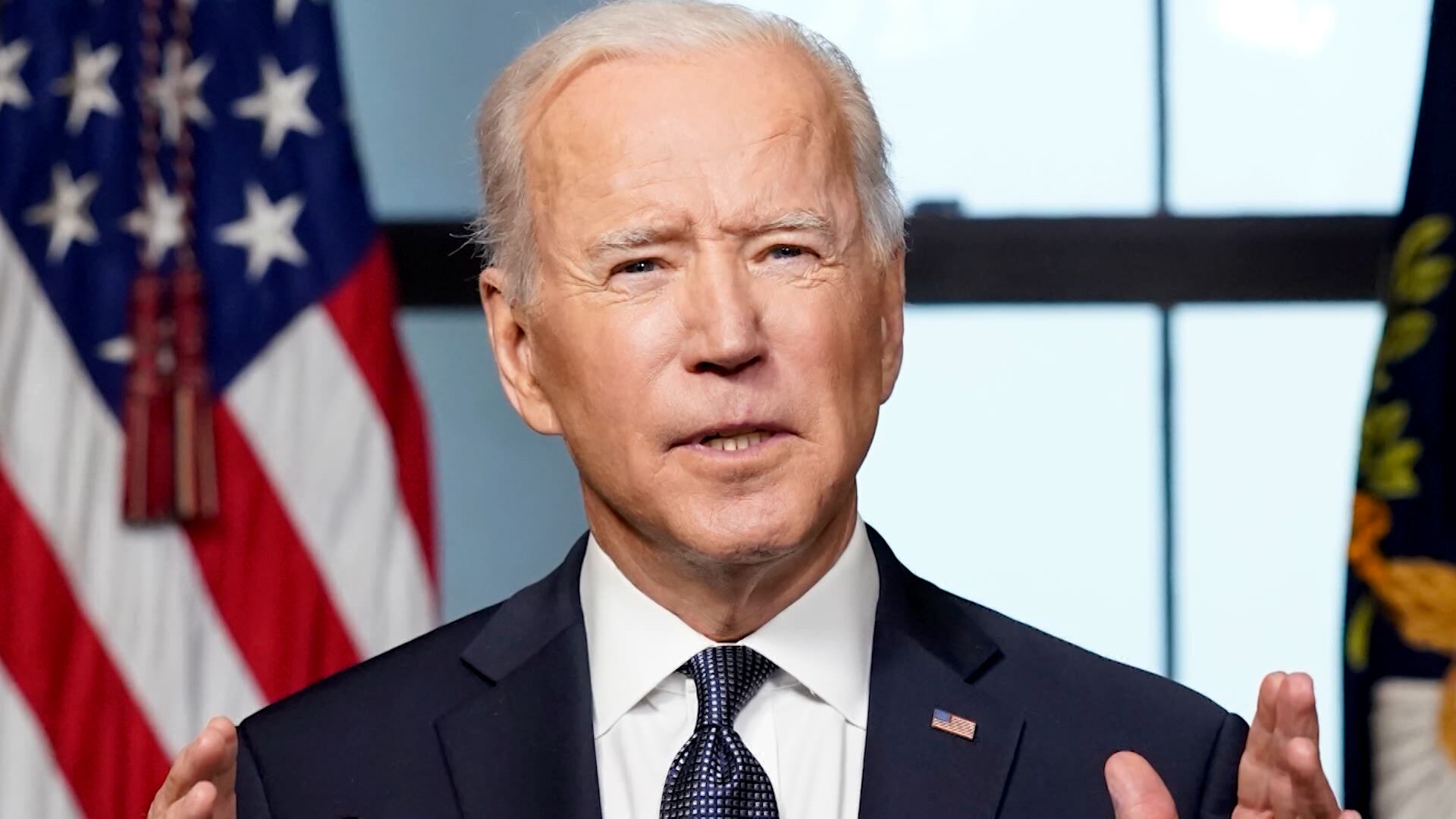
Lisa Hagen, politics reporter for U.S. News and World Report, joins Cheddar News to preview what to expect from President Biden's State of the Union Address on March 1.
Minh-Thu Pham, co-founder of New American Voices, joins Cheddar News to discuss the organization and why new citizens are key to defending U.S. democracy.
Joel Willett, a former CIA operative, joins Cheddar News to discuss Russian President Vladimir Putin officially launching a "special military operation" in Ukraine