It is up to the federal government to make sure America embraces rapid technological change in a way that is “positive for as many of our citizens as possible,” said Rep. John Delaney (D-MD).
In an interview with Cheddar, the Congressman said he doesn’t believe such progress is a threat to the labor market.
“Innovation generally creates more jobs than it displaces,” said Delaney. “But the problem is oftentimes the jobs that get created by innovation are not located in the same places where the jobs that were displaced are located.”
He pointed out that 80 percent of venture capital in this country goes to just California, New York, and Boston, which means that innovation and job creation is highly concentrated in and around those places.
“I think that will continue unless policymakers do things to make sure more of our country has the opportunity to have people invest in their communities and kind of benefit from this innovation.”
Delaney founded the A.I. Caucus to do just that. Comprised of lawmakers from both sides of the aisle, the group strives to work with the private sector to come up with policy ideas that can help the country keep up with technological change.
“I just want to make sure we don’t leave huge parts of the country behind,” he said.
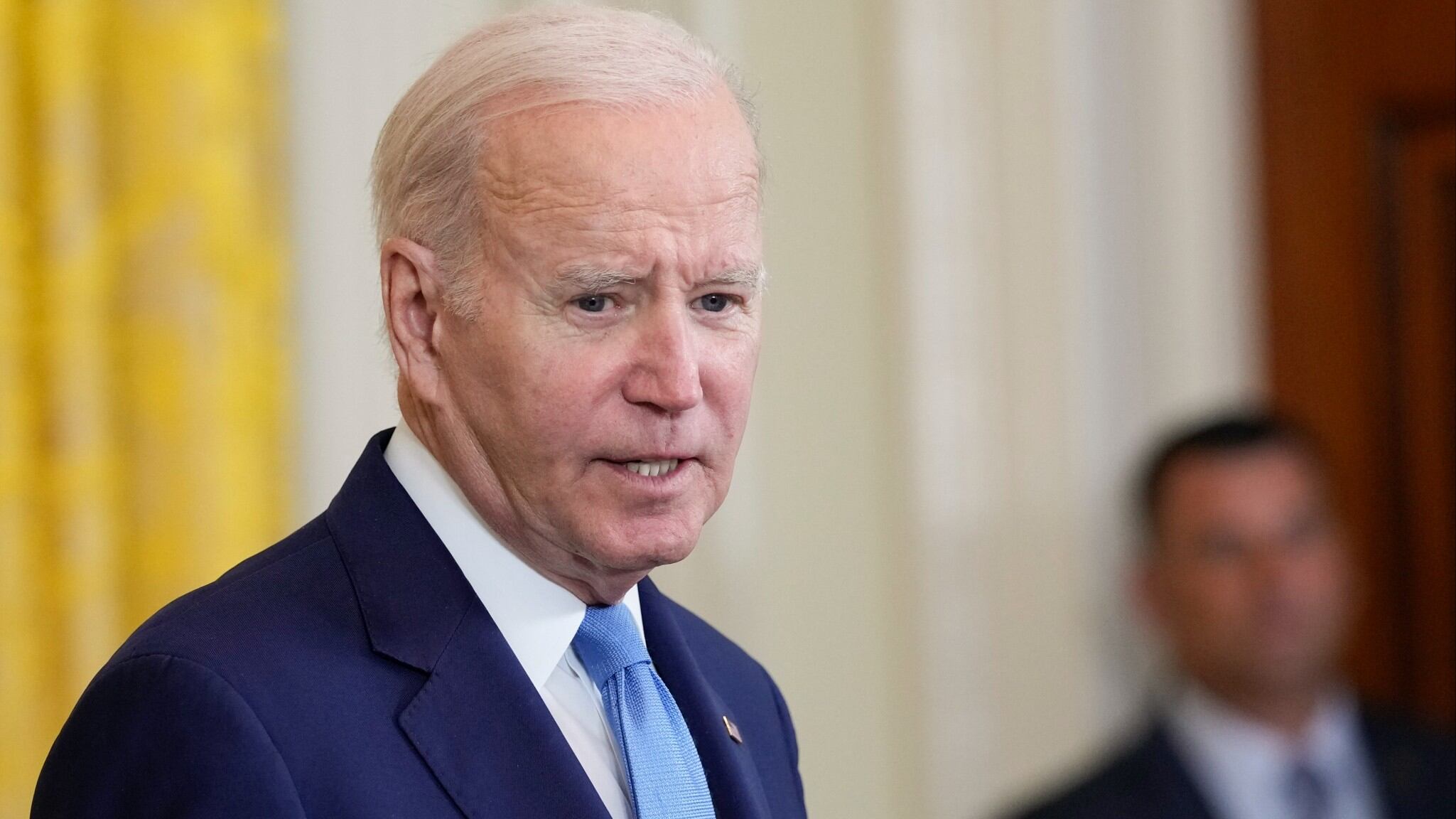
White House press secretary Karine Jean-Pierre says the White House has confidence the Secret Service is “going to get to the bottom of this.”
Americans are segregating by their politics at a rapid clip, helping fuel the greatest divide between the states in modern history.
China has restricted exports of high-tech metals gallium and germanium, which are critical to making chips, in response to the U.S. blocking them from access to advanced chips.
A federal judge in Louisiana has restricted the Biden administration from communicating with social media platforms regarding content.
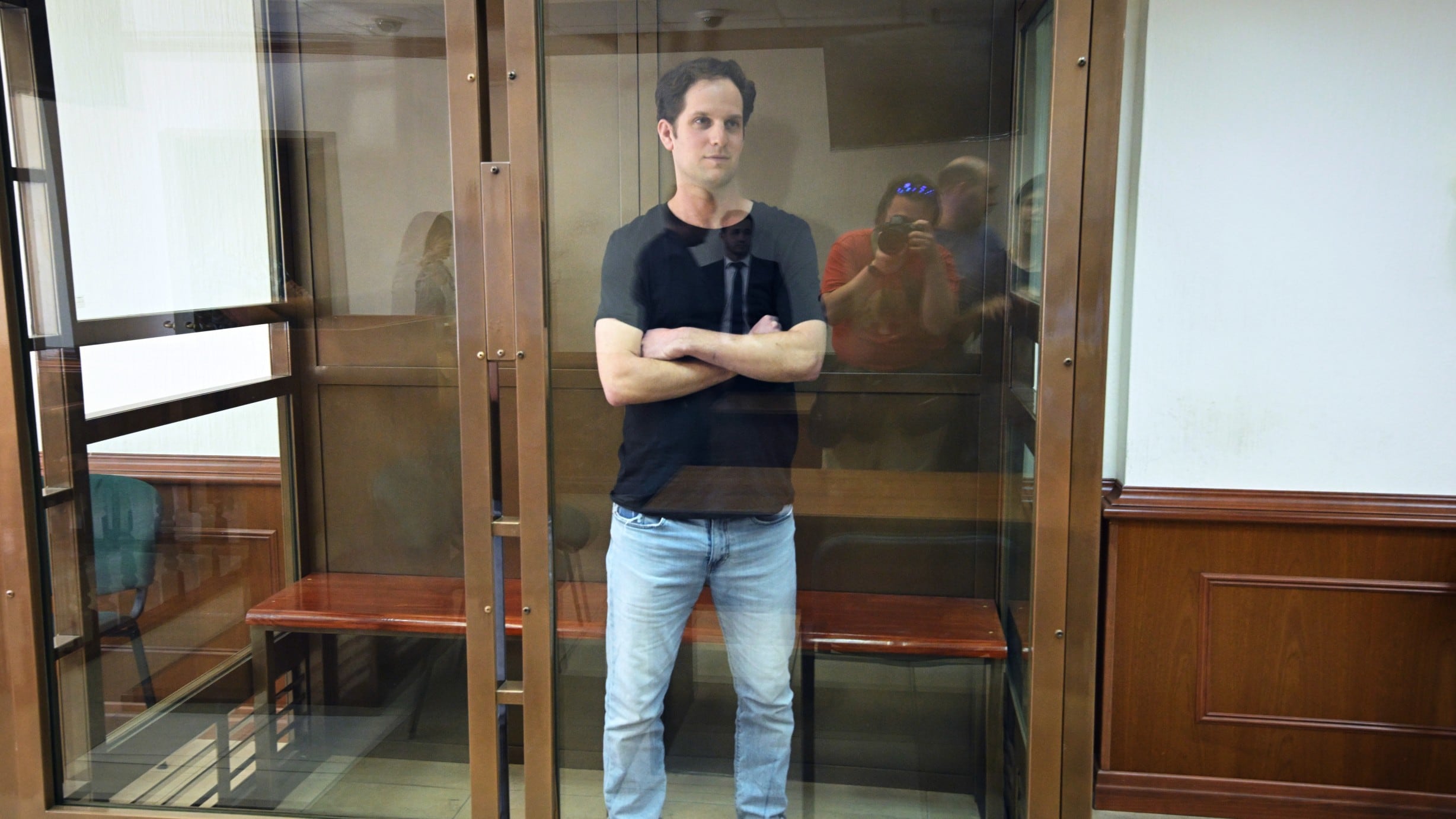
Russia said it's in contact with the U.S. over the imprisonment of journalist Evan Gershkovich.
They spoke to The Associated Press on condition of anonymity because they were not authorized to discuss the investigation publicly.
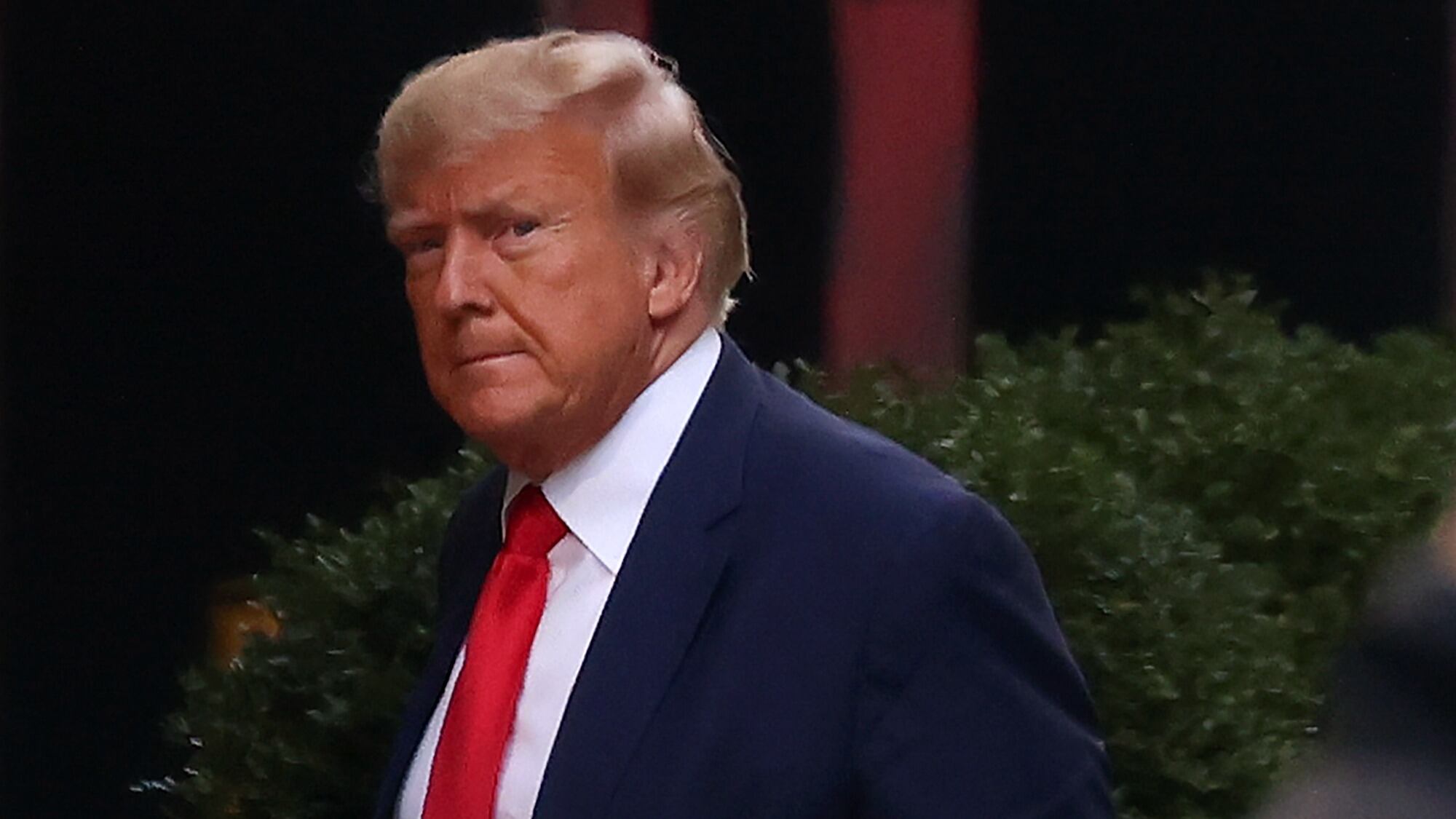
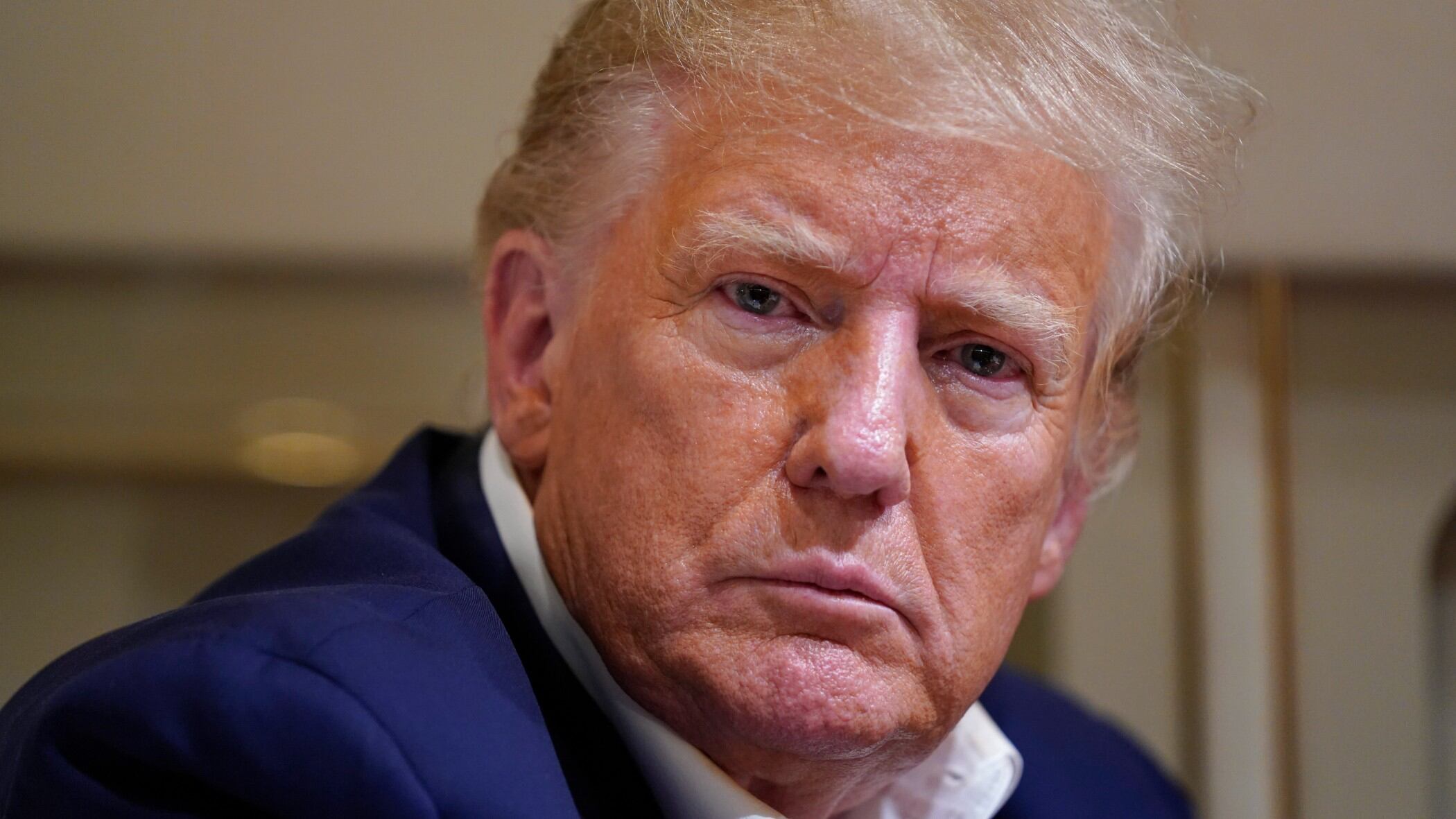
Former President Donald Trump reportedly pressured former Arizona Gov. Doug Ducey to overturn the state's 2020 election results.
Former President Donald Trump reportedly pressured former Arizona Governor Doug Ducey to overturn the state's 2020 election results.
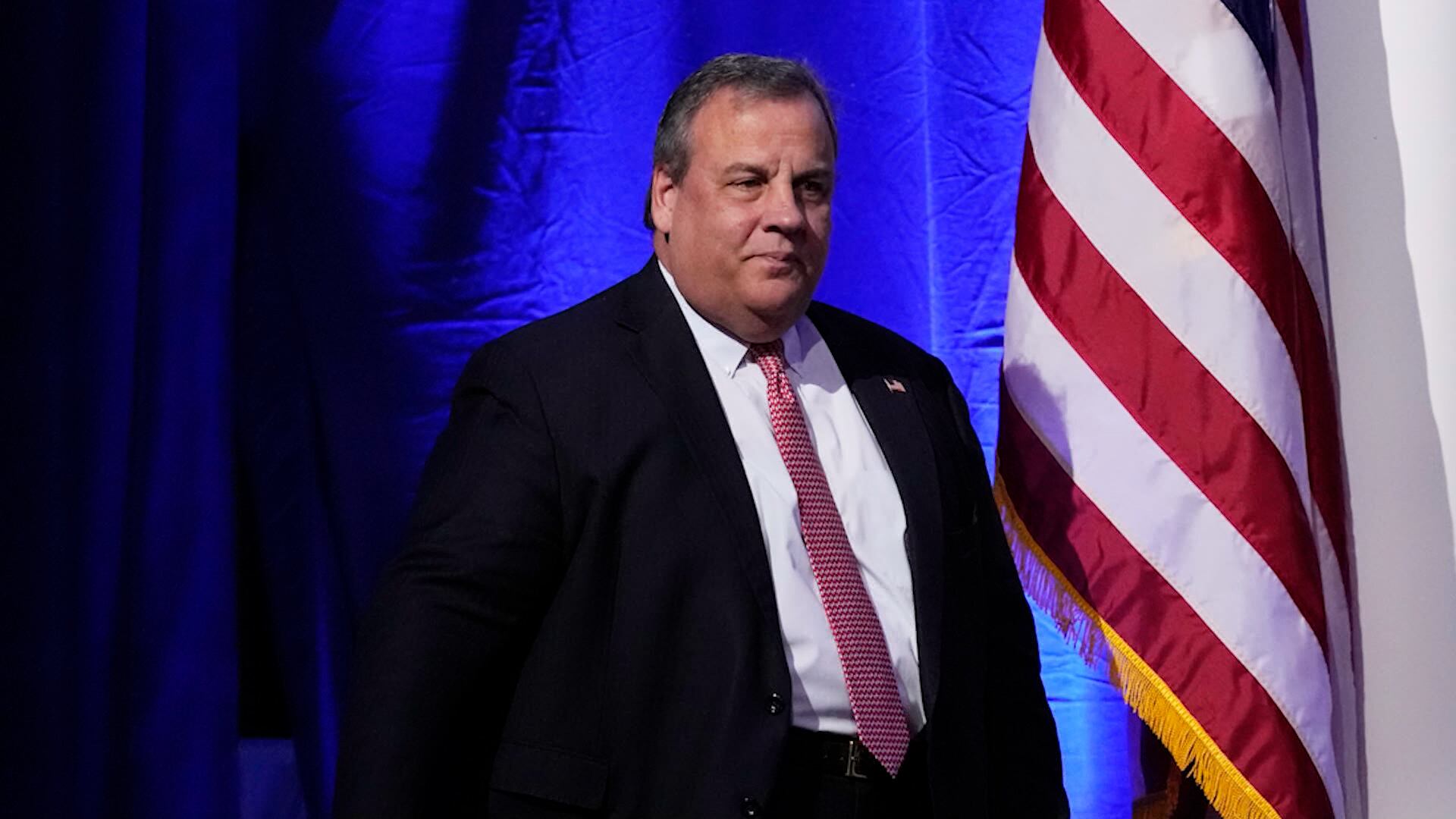
Former New Jersey Gov. Chris Christie said President Joe Biden and former President Donald Trump are "beyond their sell-by date" in an interview with The New York Times.
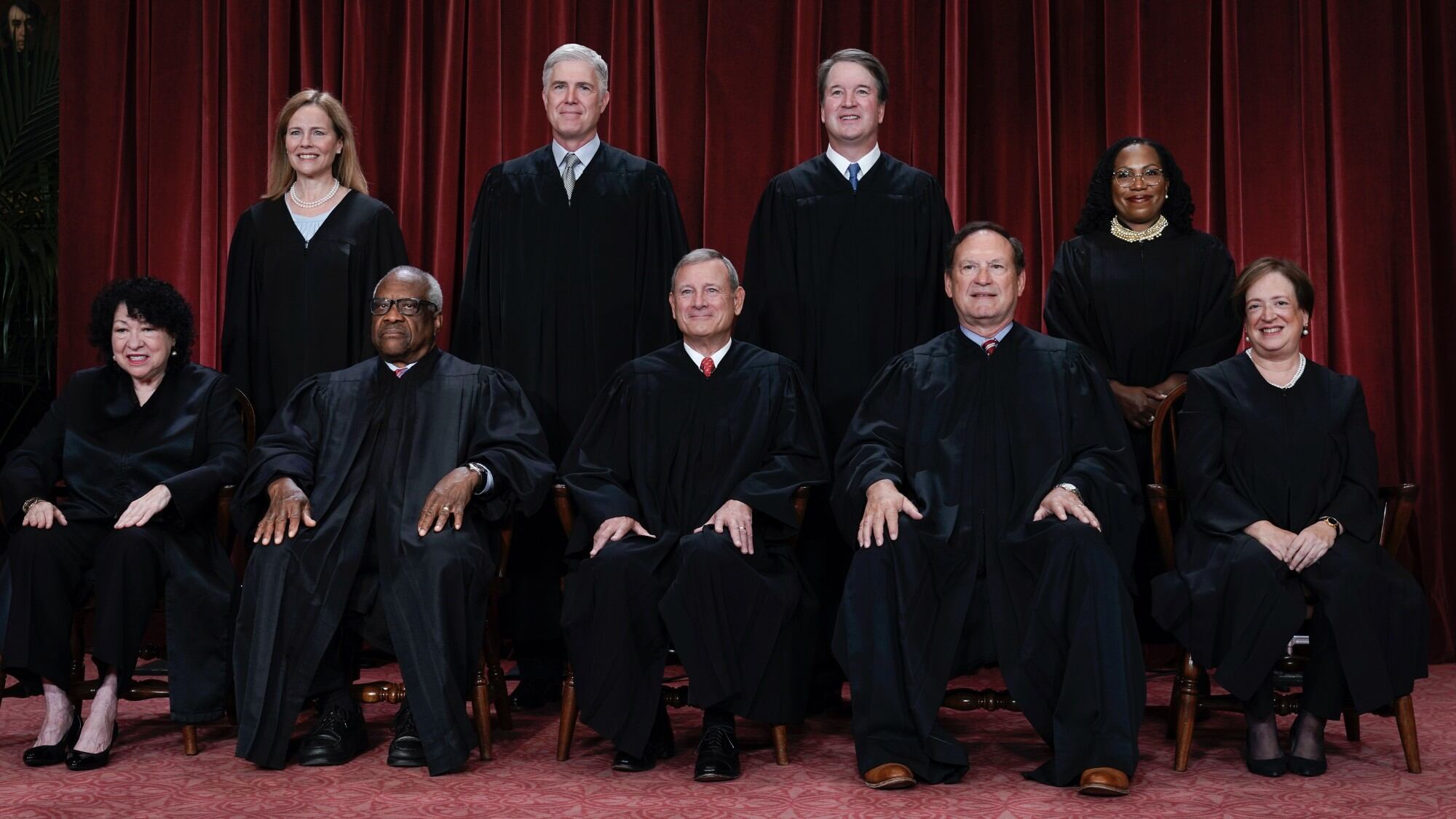
Overturning Roe v. Wade and eliminating affirmative action in higher education had been leading goals of the conservative legal movement for decades. In a span of 370 days, a Supreme Court reshaped by three justices nominated by President Donald Trump made both a reality.