It is up to the federal government to make sure America embraces rapid technological change in a way that is “positive for as many of our citizens as possible,” said Rep. John Delaney (D-MD).
In an interview with Cheddar, the Congressman said he doesn’t believe such progress is a threat to the labor market.
“Innovation generally creates more jobs than it displaces,” said Delaney. “But the problem is oftentimes the jobs that get created by innovation are not located in the same places where the jobs that were displaced are located.”
He pointed out that 80 percent of venture capital in this country goes to just California, New York, and Boston, which means that innovation and job creation is highly concentrated in and around those places.
“I think that will continue unless policymakers do things to make sure more of our country has the opportunity to have people invest in their communities and kind of benefit from this innovation.”
Delaney founded the A.I. Caucus to do just that. Comprised of lawmakers from both sides of the aisle, the group strives to work with the private sector to come up with policy ideas that can help the country keep up with technological change.
“I just want to make sure we don’t leave huge parts of the country behind,” he said.
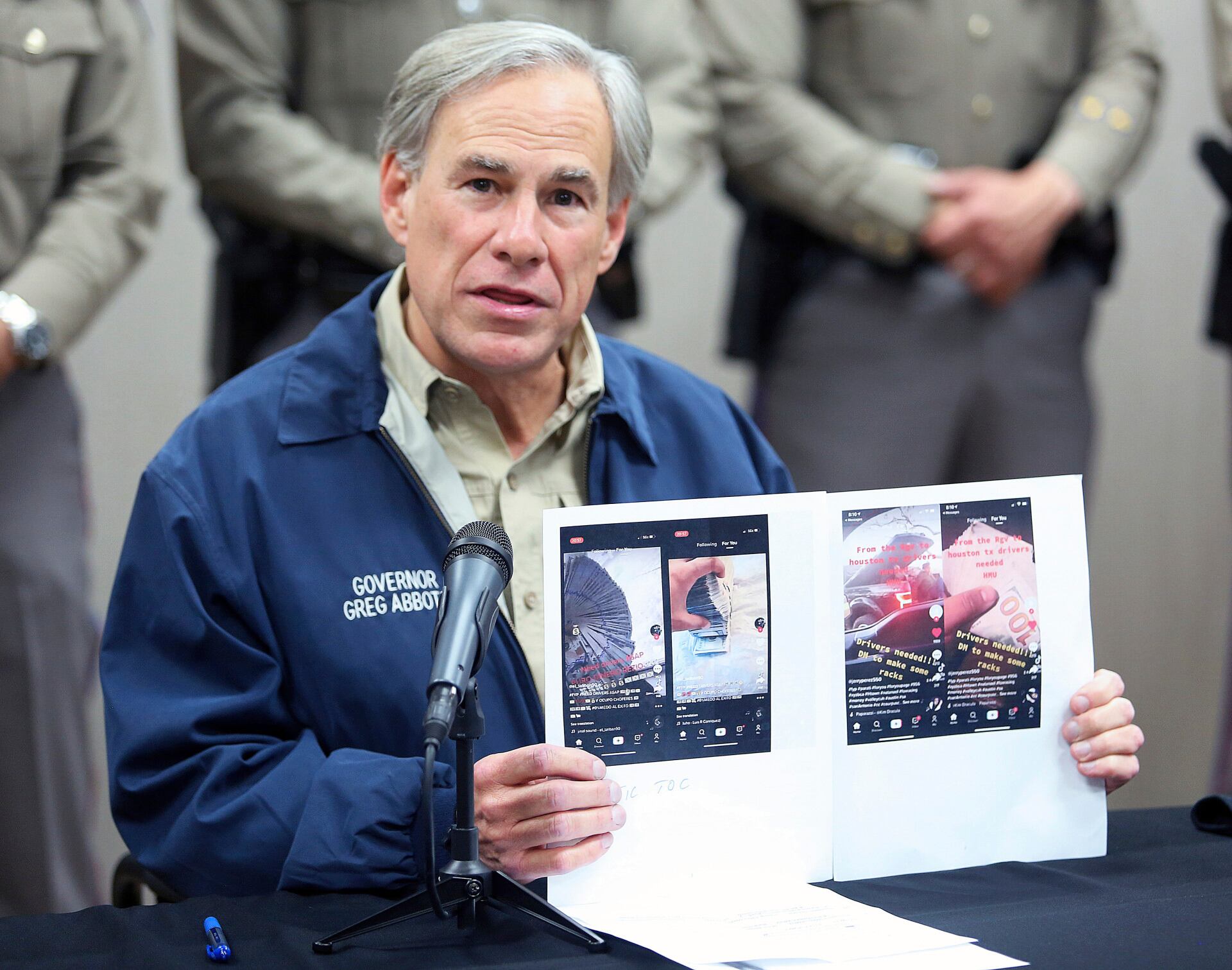
A First Amendment group sued Texas Governor Greg Abbott and others on Thursday over the state’s TikTok ban on official devices, arguing the prohibition – which extends to public universities – is unconstitutional and impedes academic freedom.
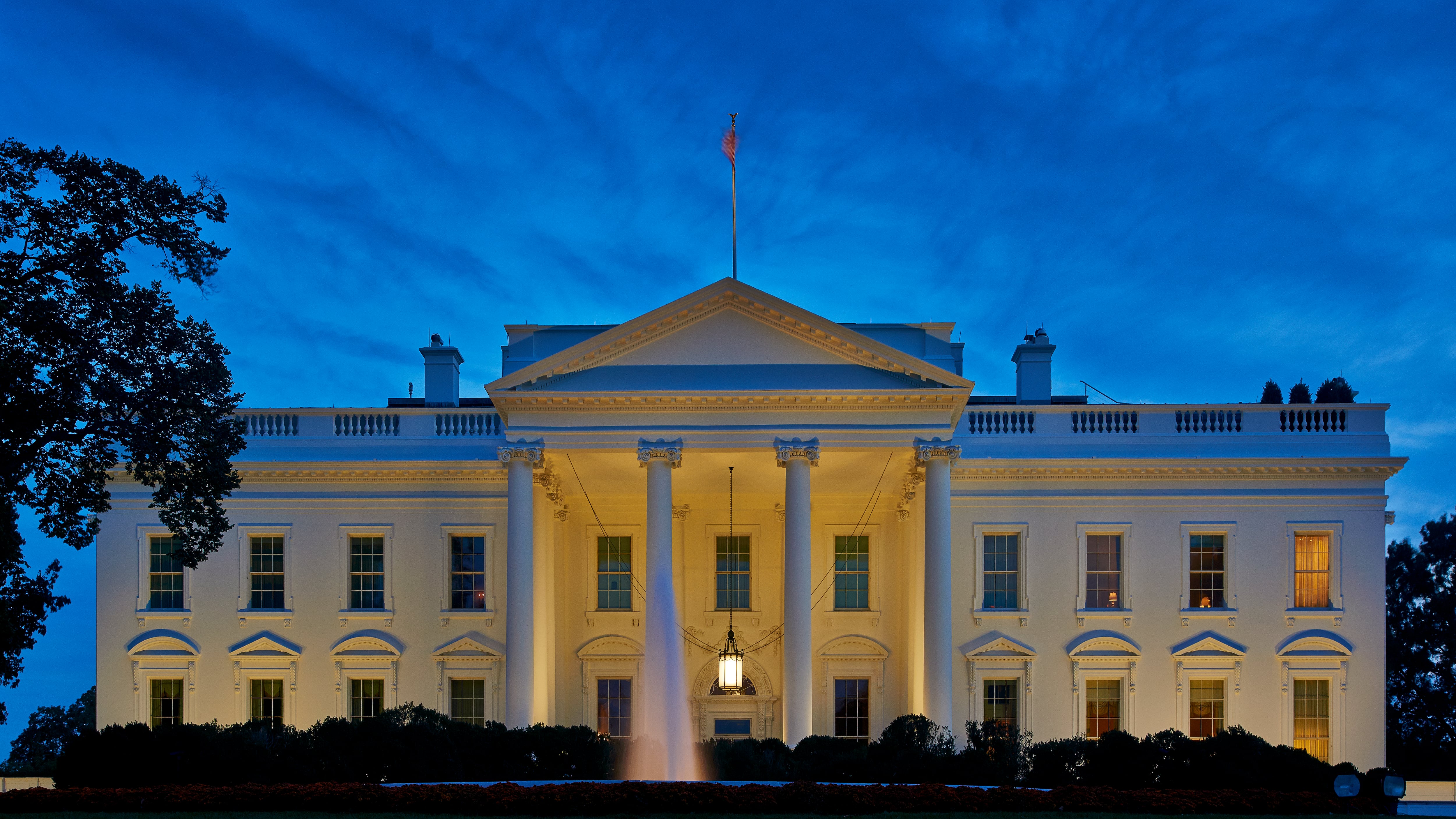
No fingerprints or DNA turned up on the baggie of cocaine found in a lobby at the White House last week despite a sophisticated FBI crime lab analysis, and surveillance footage of the area didn’t identify a suspect, according to a summary of the Secret Service investigation obtained by The Associated Press. There are no leads on who brought the drugs into the building.
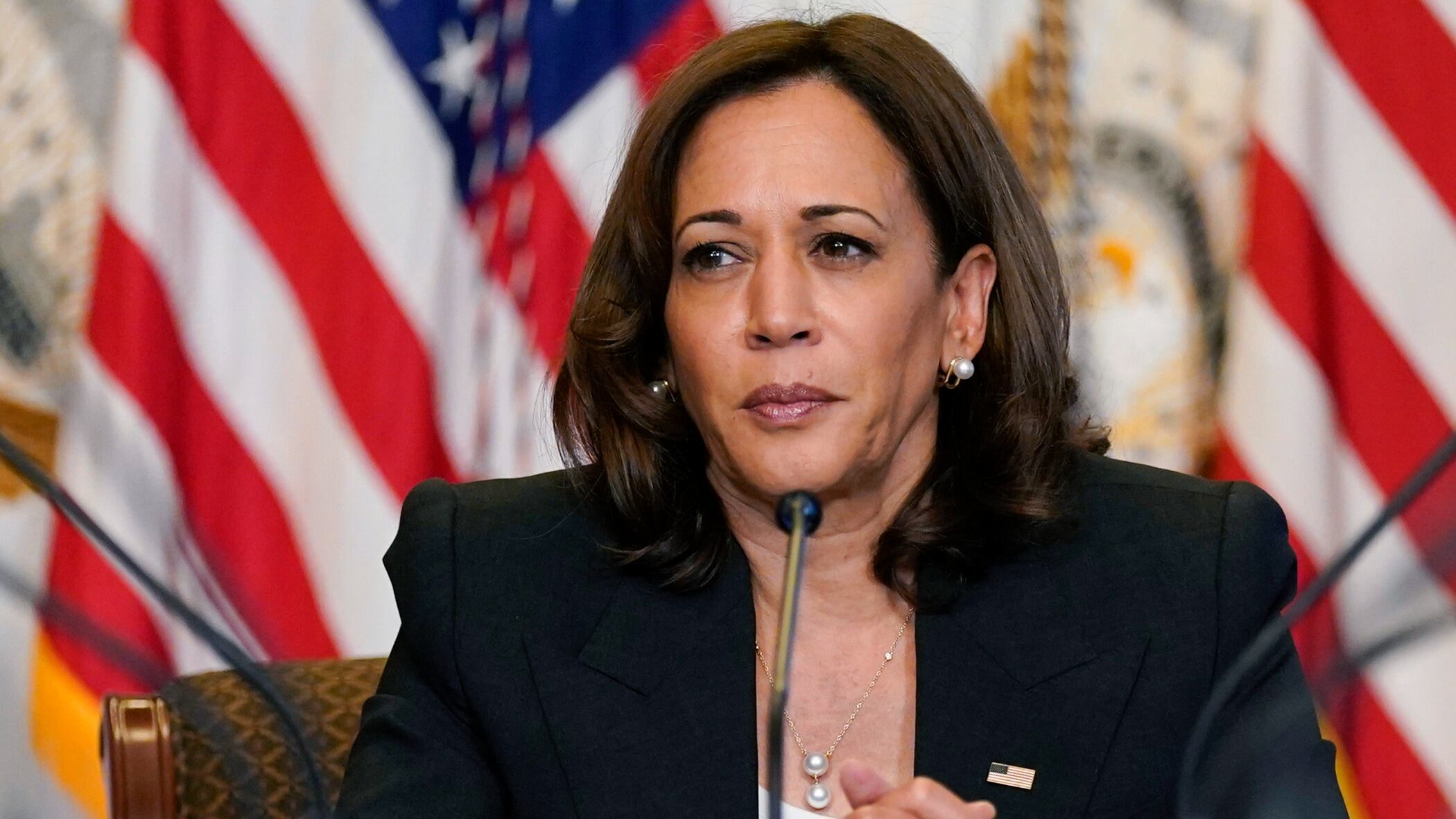
Kamala Harris, who made history as the first woman or person of color to serve as vice president, has made history again by matching the record for most tiebreaking votes in the Senate.
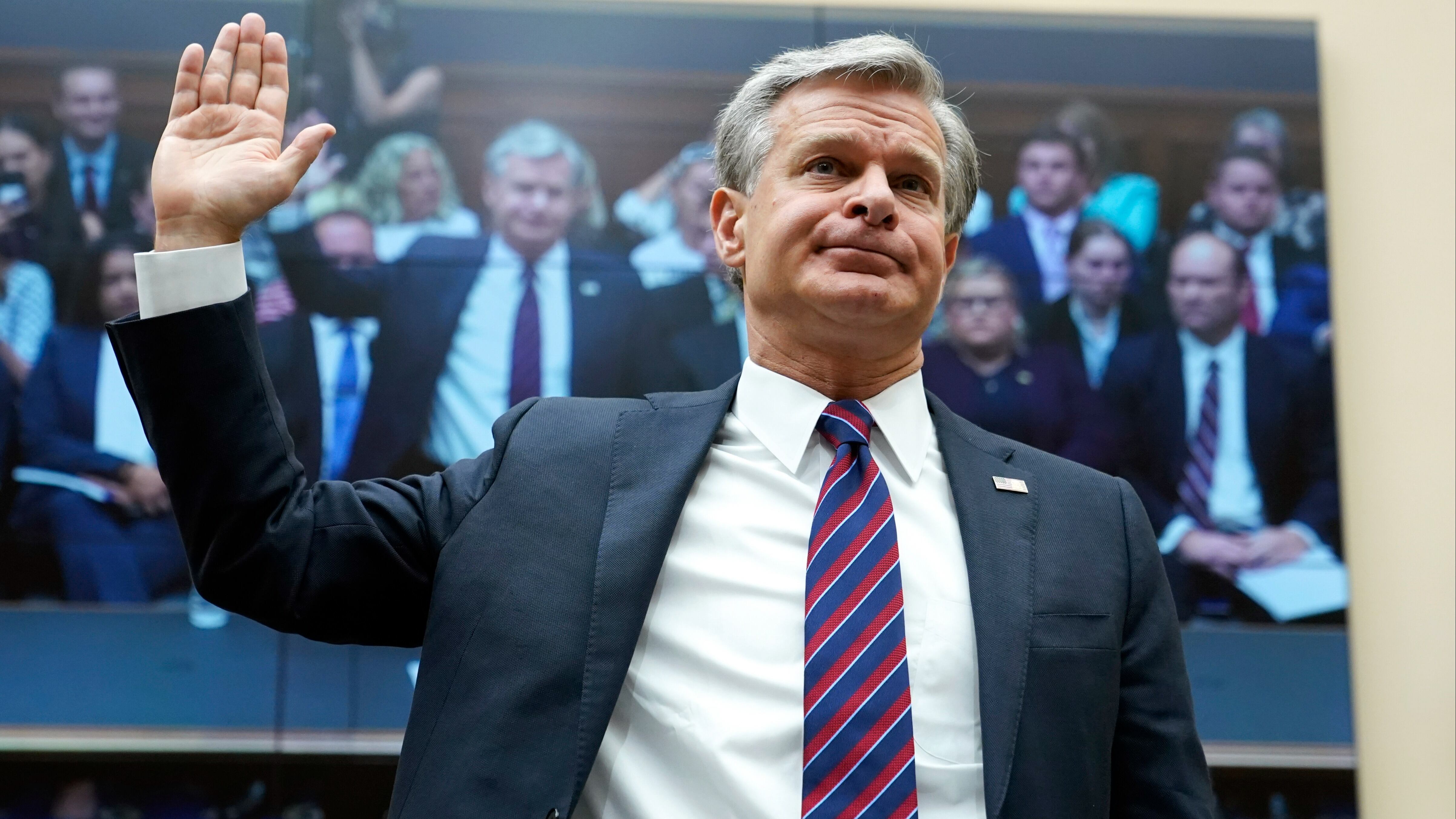
Republicans on the House Judiciary Committee accused the agency of targeting conservatives, suppressing evidence that Covid-19 came from a lab leak and abusing its surveillance powers.
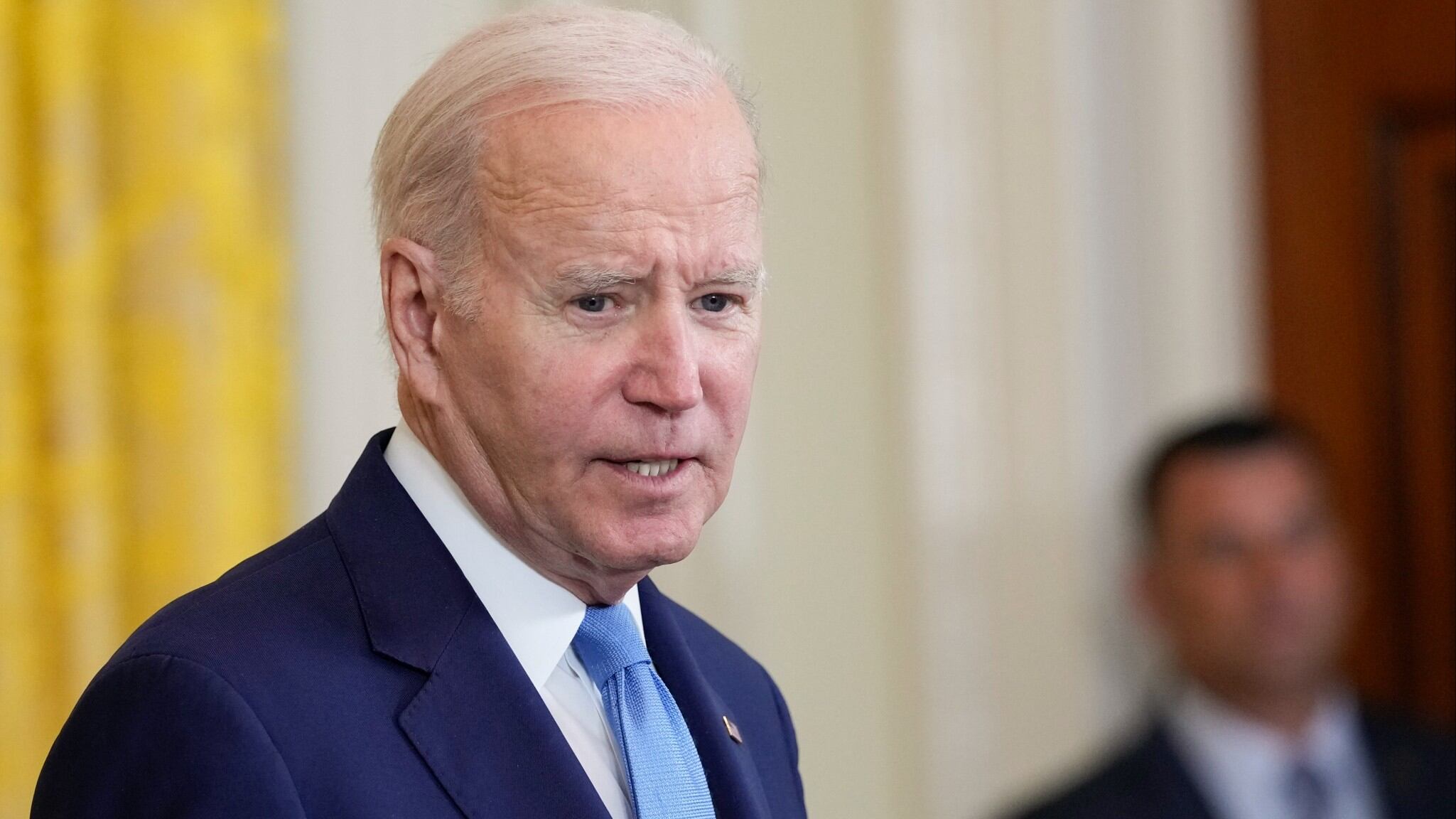
The Biden administration calls it a “student loan safety net.” Opponents call it a backdoor attempt to make college free. And it could be the next battleground in the legal fight over student loan relief.
Nearly 30,000 people in Mississippi were dropped from the state's Medicaid program after an eligibility review that the government ended during the pandemic.