It is up to the federal government to make sure America embraces rapid technological change in a way that is “positive for as many of our citizens as possible,” said Rep. John Delaney (D-MD).
In an interview with Cheddar, the Congressman said he doesn’t believe such progress is a threat to the labor market.
“Innovation generally creates more jobs than it displaces,” said Delaney. “But the problem is oftentimes the jobs that get created by innovation are not located in the same places where the jobs that were displaced are located.”
He pointed out that 80 percent of venture capital in this country goes to just California, New York, and Boston, which means that innovation and job creation is highly concentrated in and around those places.
“I think that will continue unless policymakers do things to make sure more of our country has the opportunity to have people invest in their communities and kind of benefit from this innovation.”
Delaney founded the A.I. Caucus to do just that. Comprised of lawmakers from both sides of the aisle, the group strives to work with the private sector to come up with policy ideas that can help the country keep up with technological change.
“I just want to make sure we don’t leave huge parts of the country behind,” he said.
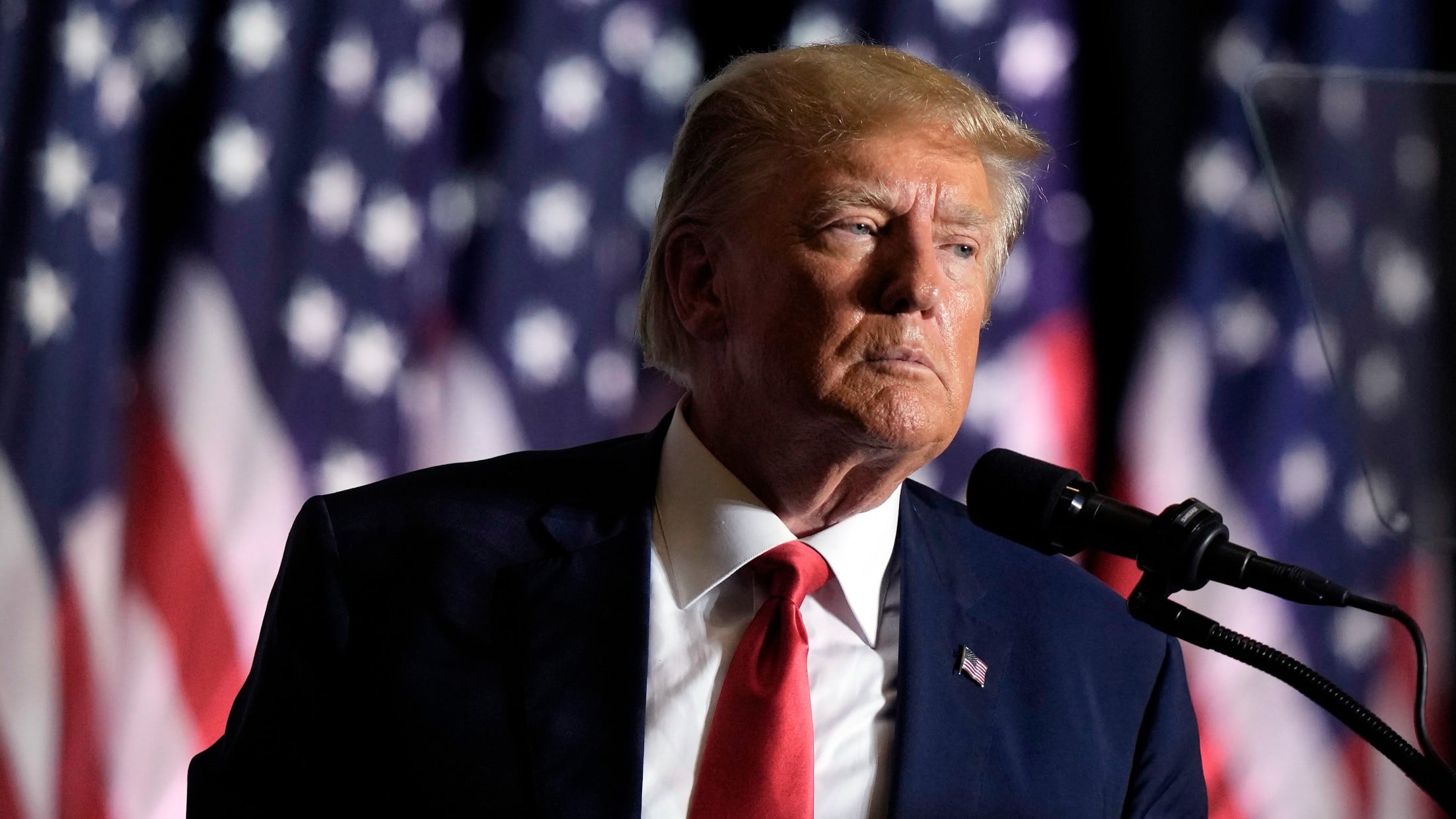
Former President Donald Trump said Tuesday that he has received a letter informing him that he is a target of the Justice Department's investigation into efforts to undo the results of the 2020 presidential election, an indication that he could soon be indicted by federal prosecutors.
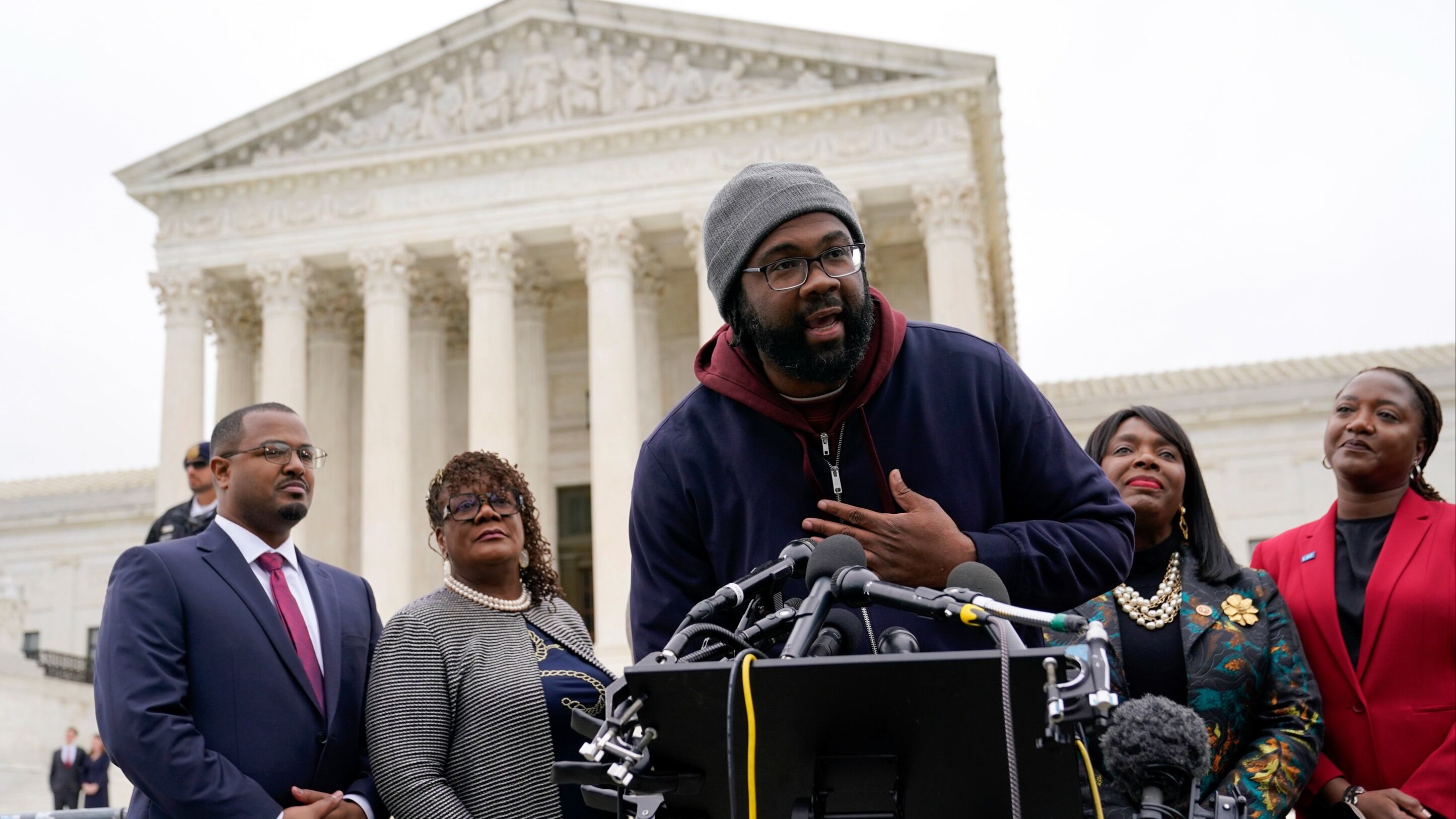
The court’s ruling applies to higher education institutions and other entities that receive federal funding and doesn’t directly change private employer obligations, but business leaders might pull back diversity, equity and inclusion programs to avoid lawsuits.
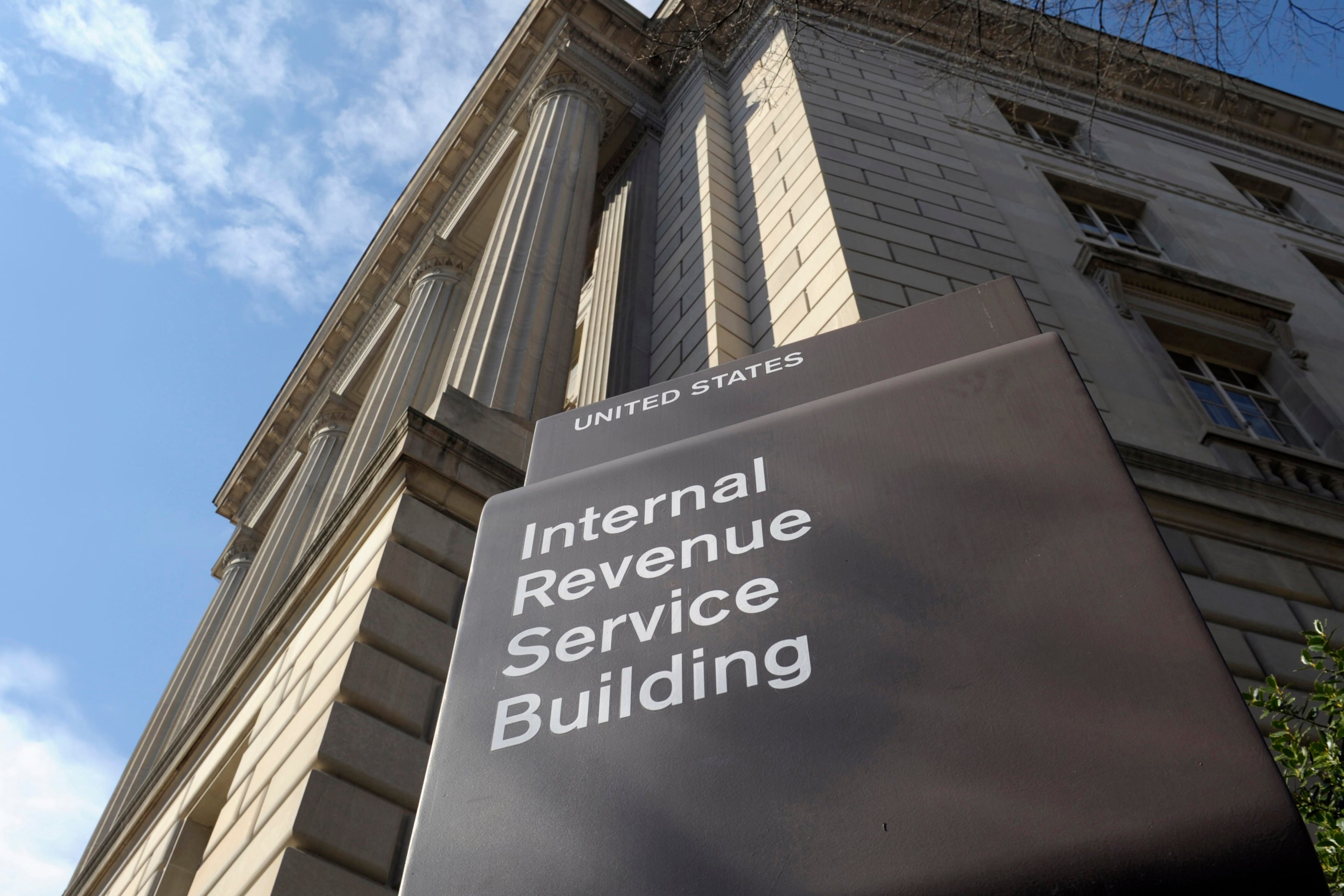
The IRS is showcasing its new capability to aggressively audit high-income tax dodgers as it makes the case for sustained funding and tries to avert budget cuts sought by Republicans who want to gut the agency.