Confirmation Hearing to Probe AG Nominee William Barr's Views on Executive Privilege
*By Christian Smith*
When William Barr, President Trump's nominee for attorney general, appears before the Senate Judiciary Committee on Tuesday for his confirmation hearing, his views on executive privilege will be under the microscope.
"Mr. Barr has expressed some very broad views of executive authority and he's also expressed a very strong view that a president cannot be criminally charged," Jennifer Daskal, Associate Professor of Law at American University, told Cheddar on Monday.
Barr has a history of supporting presidential power. As attorney general under former President George H.W. Bush, Barr argued the the president did not need congressional approval to engage in conflict in Iraq, Daskal noted.
In prepared testimony released Monday, Barr said that he would let Special Counsel Robert Mueller complete his investigation into Russian meddling in the 2016 presidential election if he is confirmed as attorney general. He also said that the results should be made public.
While Daskal said the statement was a good step, she expects Democrats on the committee to press him for more assurances about transparency.
"He is somebody who has consistently taken very, very broad views of the executive authority and we have currently an executive who asserts very, very strong claims about his prerogative to make unilateral decisions," she said. "So at the very least, it should be an interesting couple of years."
Barr's confirmation hearing is set to begin to Tuesday morning in the Senate Judiciary Committee.
For full interview [click here](https://cheddar.com/videos/how-william-barrs-confirmation-could-impact-the-mueller-investigation).
Former President Donald Trump answered questions for nearly seven hours Thursday during his second deposition in a legal battle with New York's attorney general over his company's business practices, reversing an earlier decision to invoke his Fifth Amendment protection against self-incrimination and remain silent.
Republican Gov. Ron DeSantis has signed into law a bill approved by the Republican-dominated Florida Legislature to ban abortions after six weeks of pregnancy.
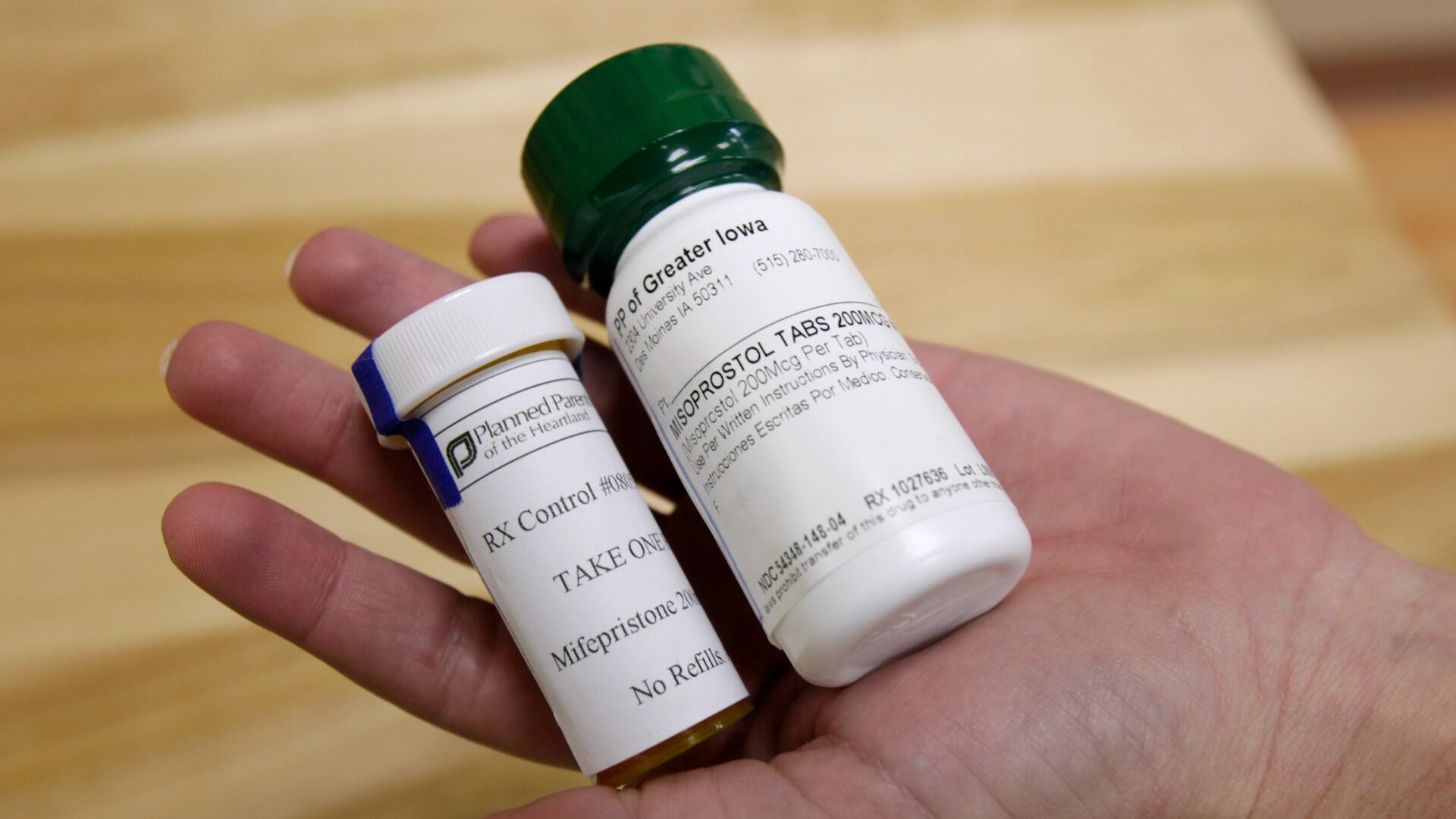
A federal appeals court has ruled that the abortion pill mifepristone can still be used for now but reduced the period of pregnancy when the drug can be taken and said it could not be dispensed by mail.
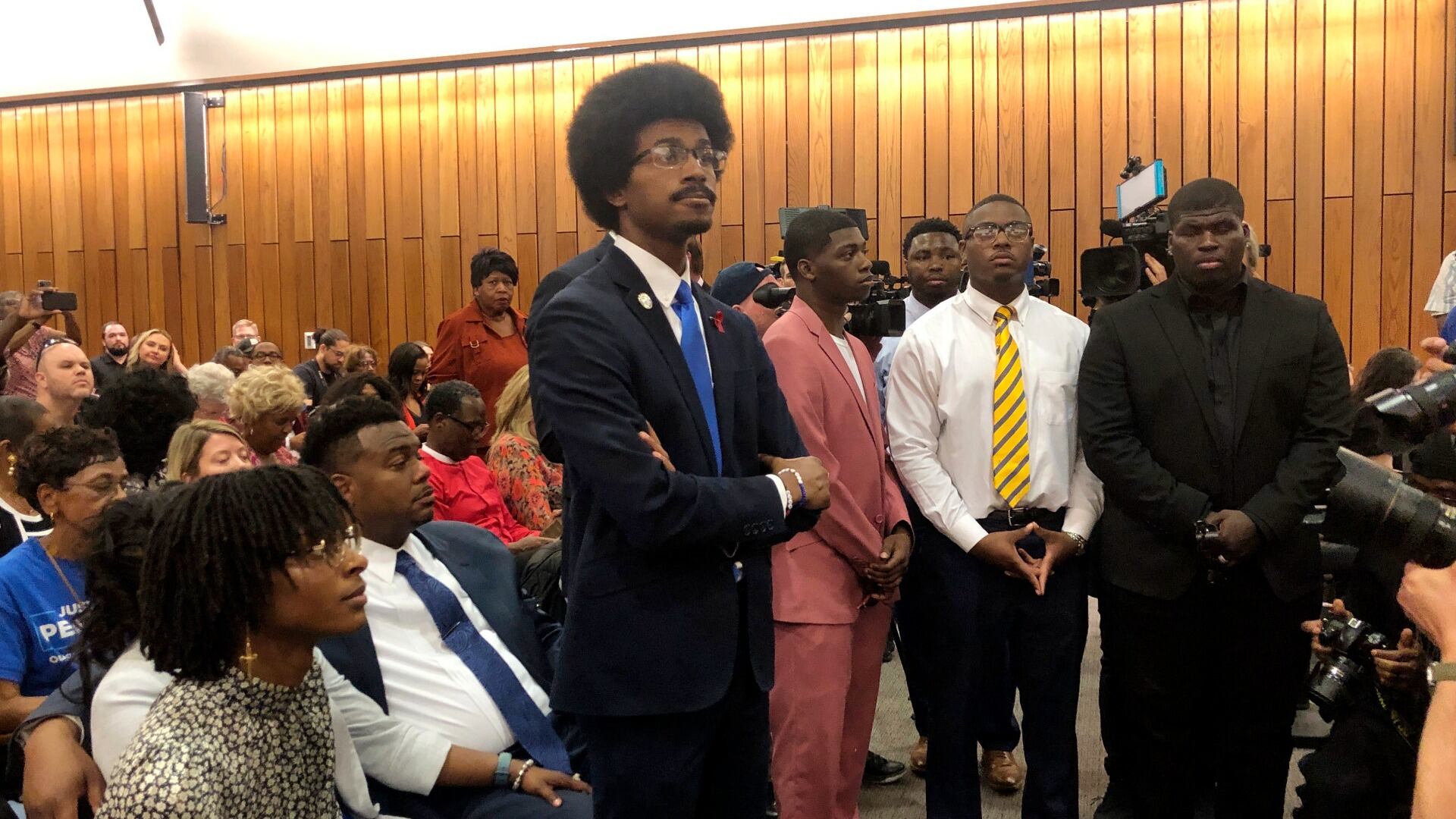
The second of two Black Democrats expelled from the Republican-led Tennessee House will return to the Legislature after a Memphis commission voted to reinstate him Wednesday.
Some abortion clinics are fielding lots of calls from patients since a court ruling last Friday threatened the availability of a main drug used in medication abortion, mifepristone.
The Biden administration released an environmental analysis Tuesday that outlined two ways that seven Western states and tribes reliant on the over-tapped Colorado River could cut their use, but declined to publicly take a side on the best option.