Conagra Buying Pinnacle Foods in $10.9 Billion Deal
*By Justin Chermol*
Shares of Conagra Brands and Pinnacle Foods dropped Wednesday after the companies announced an $11 billion merger that would create a giant in the frozen food industry.
The cash and stock deal, which brings together the Healthy Choice and Bird’s Eye, values Pinnacle at $68 a share, only a few cents higher than where the stock closed on Tuesday.
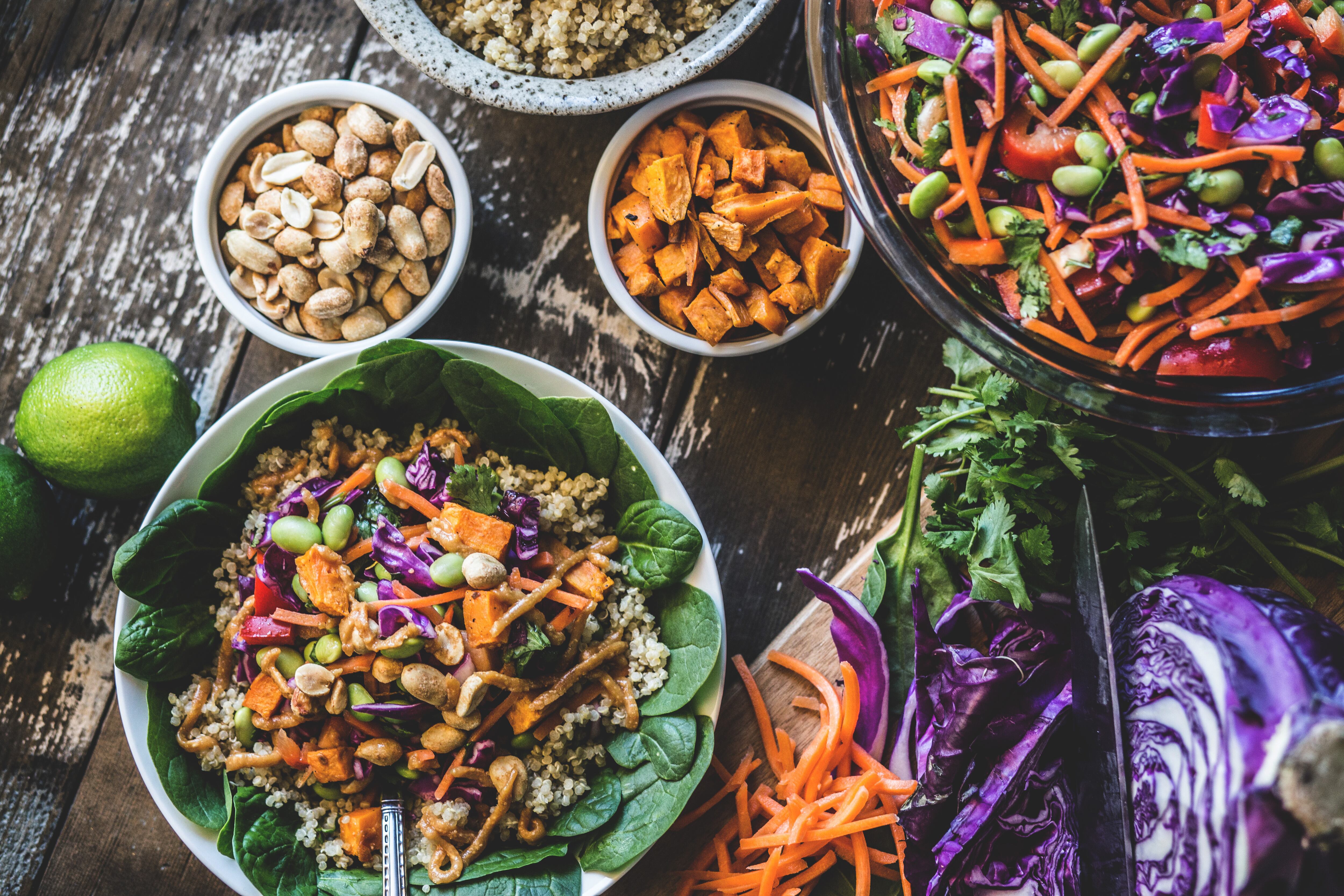
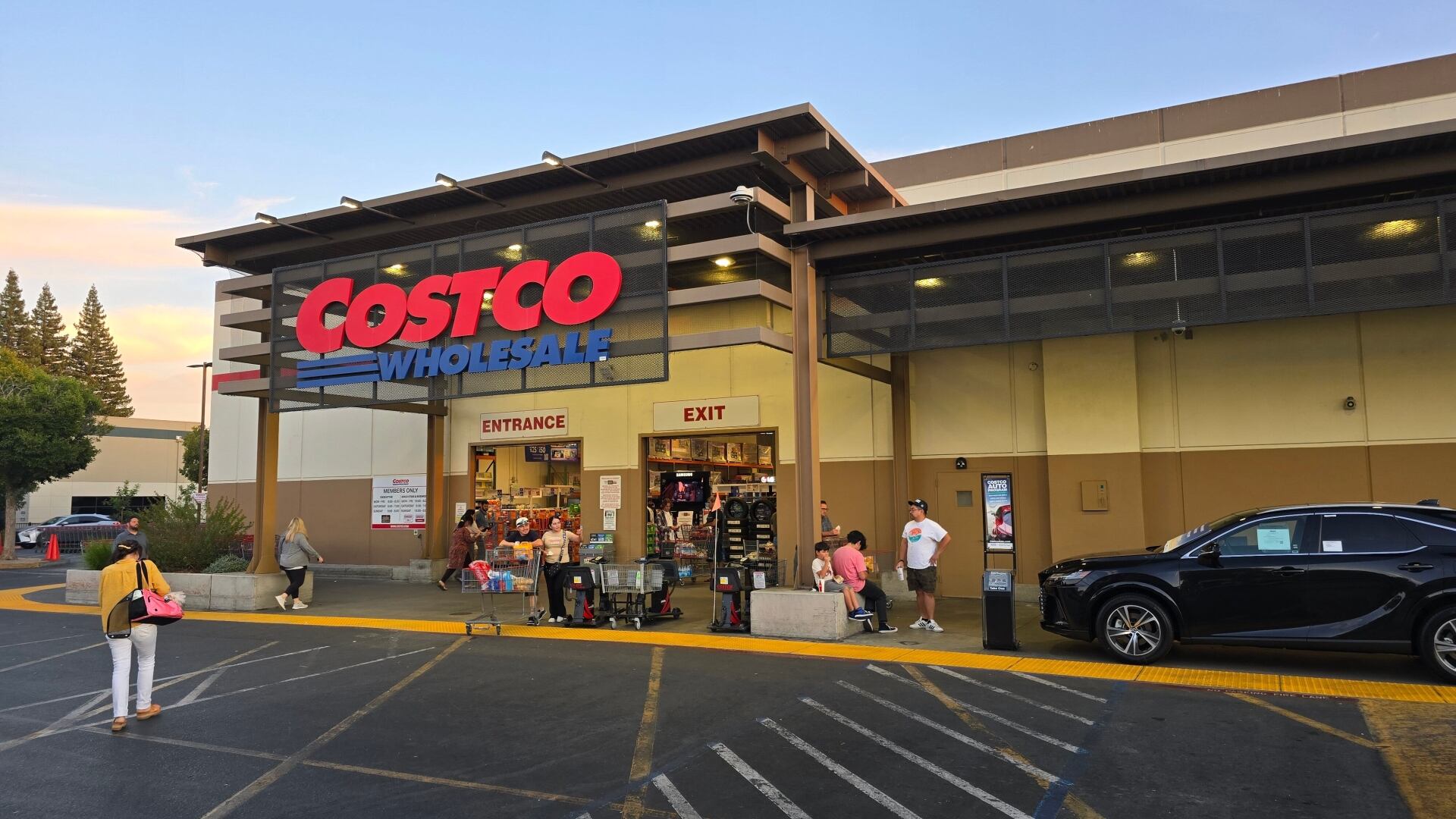
With grocery giants like Walmart, Kroger, and Costco, putting pressure on packaged food makers to reduce prices, companies like Conagra and Pinnacle have been forced to consolidate. Further weighing on these companies is the increased awareness of health and nutrition over the past decade, which has driven down sales of packaged, frozen, non-perishable foods.
But both Conagra and Pinnacle have recently debuted healthier frozen food options and reduced prices, helping grow sales in their most recent quarters. A combined company would have annual revenues of about $11 billion.
BBTW editor Peter Green spoke with Beyond Investing co-founder Claire Smith about how her ETF has consistently outperformed the S&P 500, by as much as 30%.
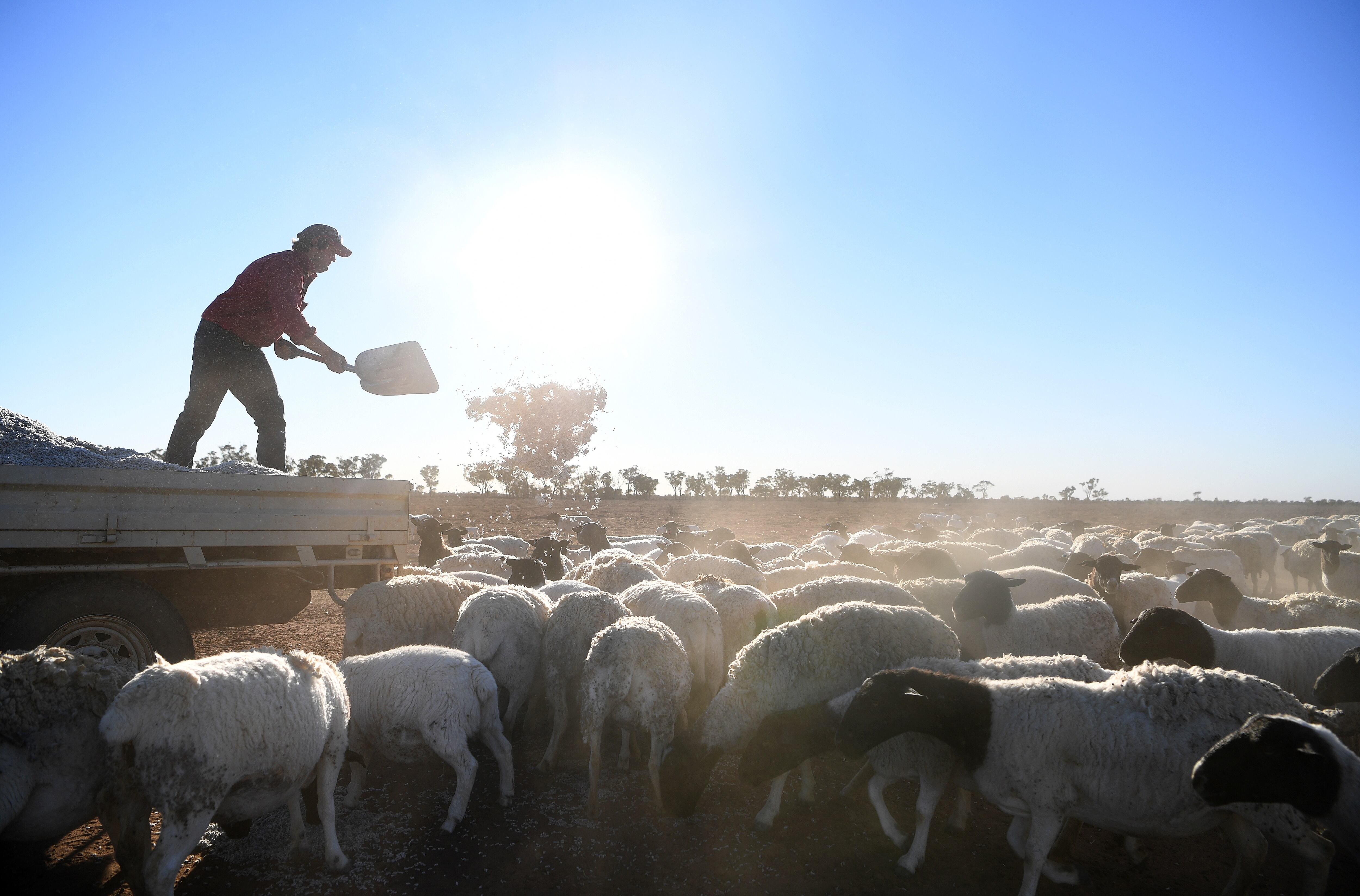
We spoke with a farmer about how tariffs, trade policy, drought, and packer consolidation are reshaping the economics of American ranching and farming.
John Serafini, CEO of Hawkeye 360, breaks down the company’s 87% revenue growth, global demand for space-based intelligence and plans to scale its business.