*By Michael Teich*
Charlie Rose sexually harassed dozens of women over three decades despite three separate complaints to CBS managers, according to [a Washington Post investigation](https://www.washingtonpost.com/charlie-roses-misconduct-was-widespread-at-cbs-and-three-managers-were-warned-investigation-finds/2018/05/02/80613d24-3228-11e8-94fa-32d48460b955_story.html?noredirect=on&utm_term=.88c7b03dc107).
"For someone to have this many allegations against him it raises the question of who knew what about his behavior and when they knew it," said Amy Brittain, a Washington Post reporter who last year revealed disturbing allegations against Rose .
The first complaint against the longtime CBS newsman was in 1986, Brittain said, and the most recent complaint was made in 2017, months before Rose was fired by the network and his show on PBS was canceled.
CBS said it did not receive any official human resources complaints about Rose, but Brittain's reporting found that several women told managers at the network that Rose behaved inappropriately toward them.
Brittain said since [her initial article about Rose](https://www.washingtonpost.com/investigations/eight-women-say-charlie-rose-sexually-harassed-them--with-nudity-groping-and-lewd-calls/2017/11/20/9b168de8-caec-11e7-8321-481fd63f174d_story.html?utm_term=.cf1bcc86010f) last November, CBS has adopted new practices to address workplace issues. The network implemented mandatory in-person sexual-harassment awareness training for employees, and created a Workplace Council made up of 12 employees designed to improve company culture.
As many as 35 women have accused Rose of groping them, making lewd comments, and walking around naked in their presence. The accusations go back 42 years, according to The Post's reporting. The newly reported accusations include 14 women who were CBS News employees and 13 who worked with Rose elsewhere. The revelations follow accusations by eight women for sexual misconduct at his PBS program.
For full interview, [click here](https://cheddar.com/videos/more-women-accuse-charlie-rose-of-sexual-misconduct).
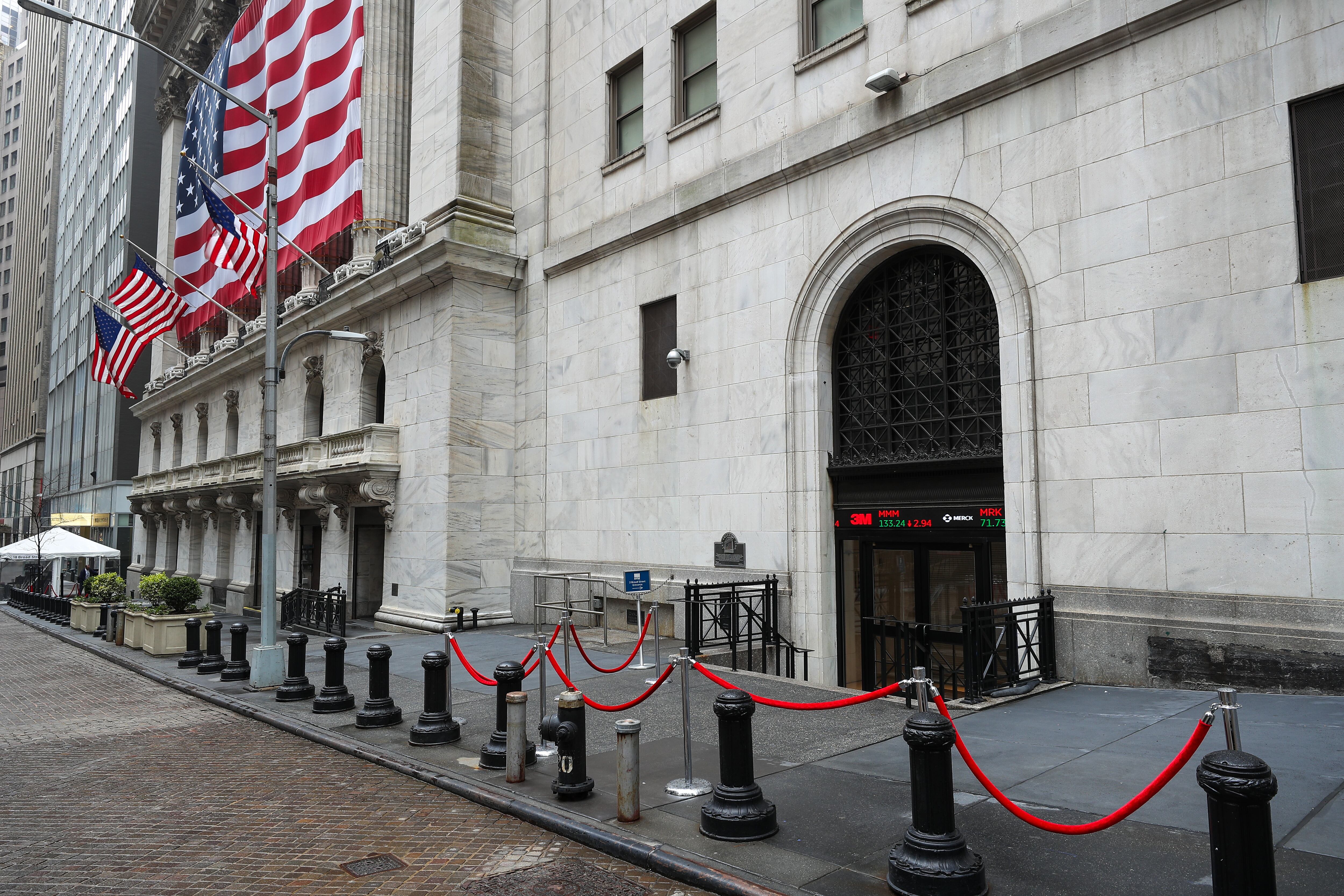
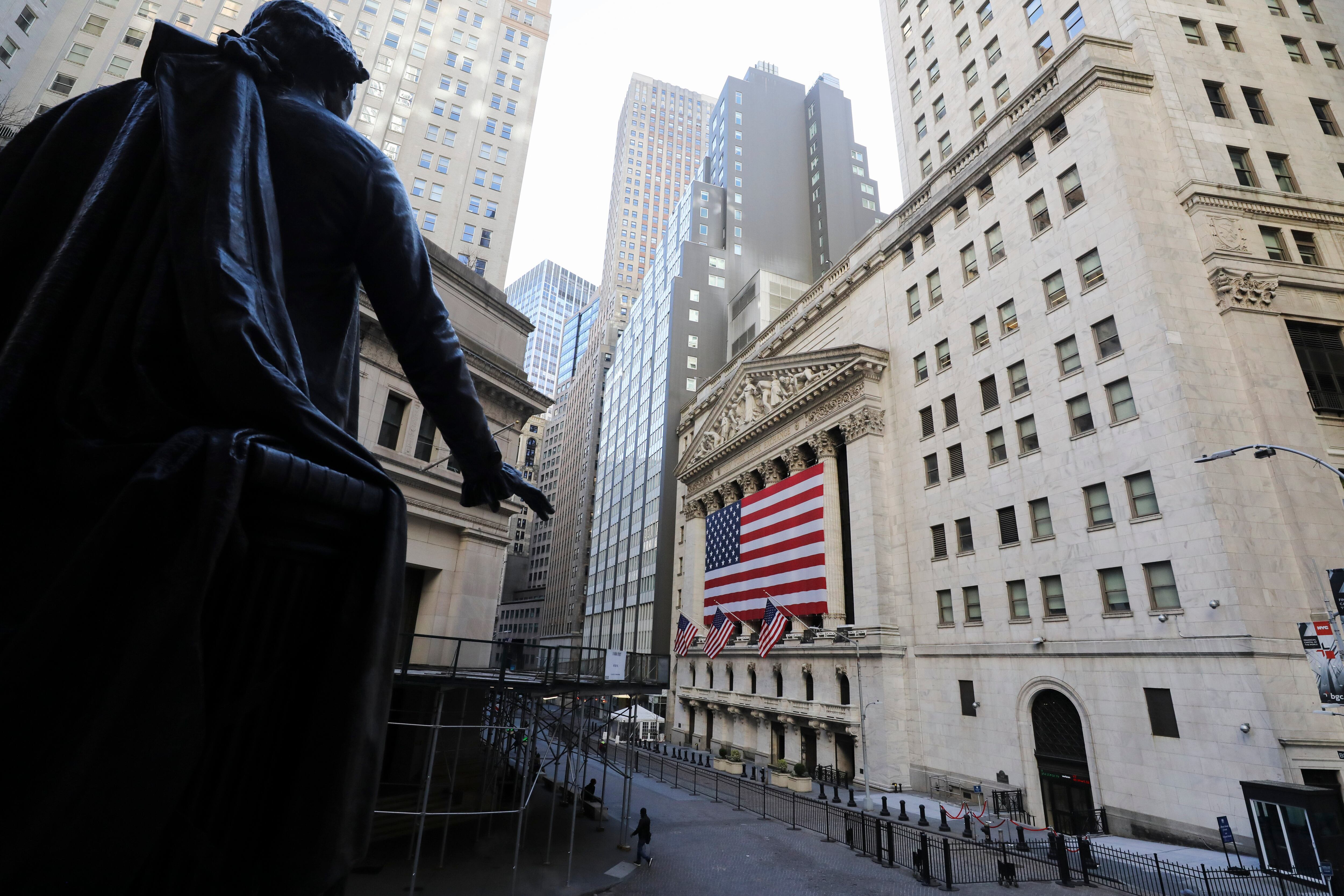
Stocks are inching higher on Wall Street Monday in more volatile trading as investors try to assess whether global authorities can do enough to nurse the economy through the damage caused by the coronavirus outbreak.
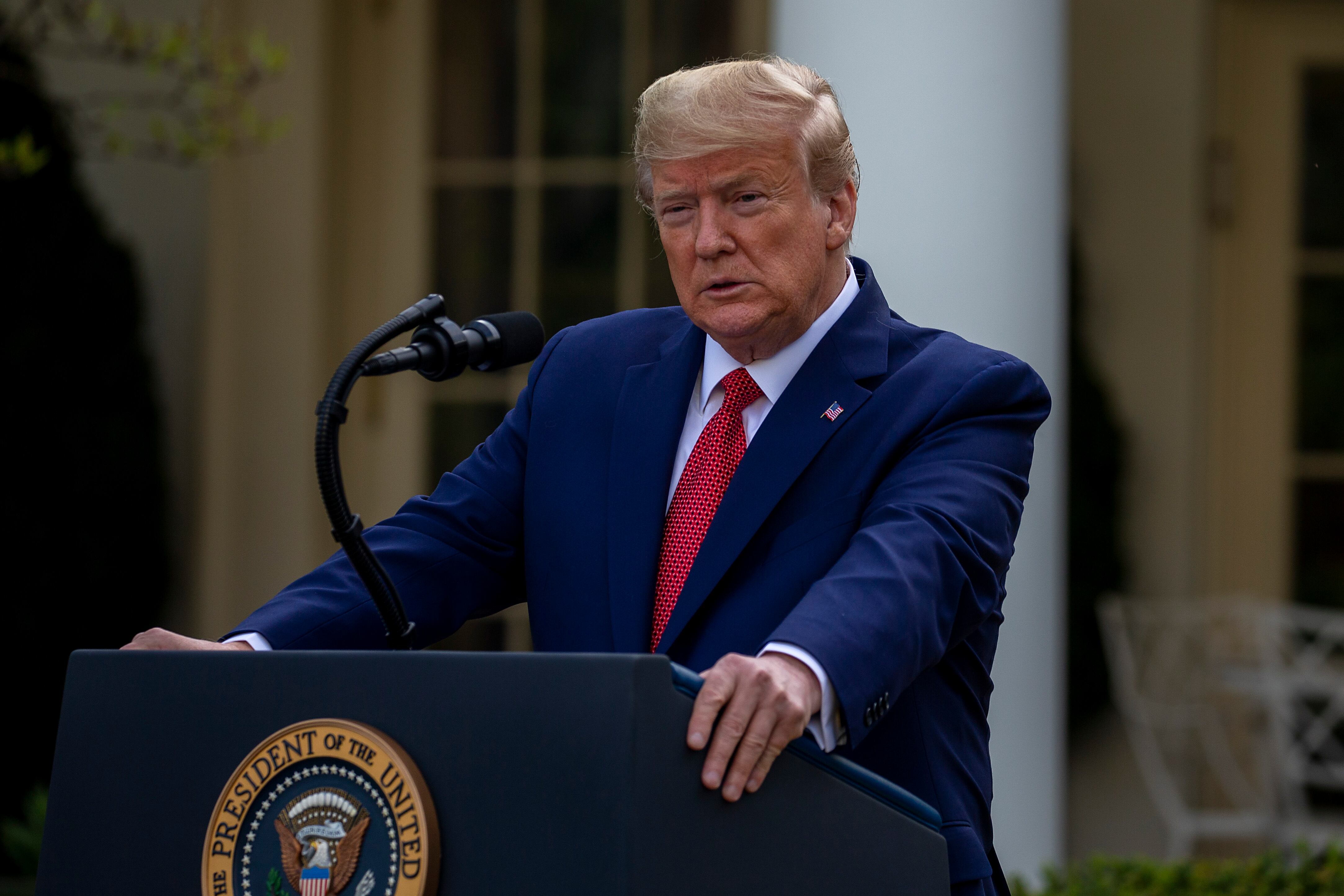
Bracing the nation for a coronavirus death toll that could exceed 100,000 people, President Donald Trump extended restrictive social distancing guidelines through April, bowing to public health experts who presented him with even more dire projections for the expanding coronavirus pandemic.
Trump said that the order will “require General Motors to accept, perform, and prioritize Federal contracts for ventilators." In a statement, he said the contracting process with the automaker was not moving quickly enough.
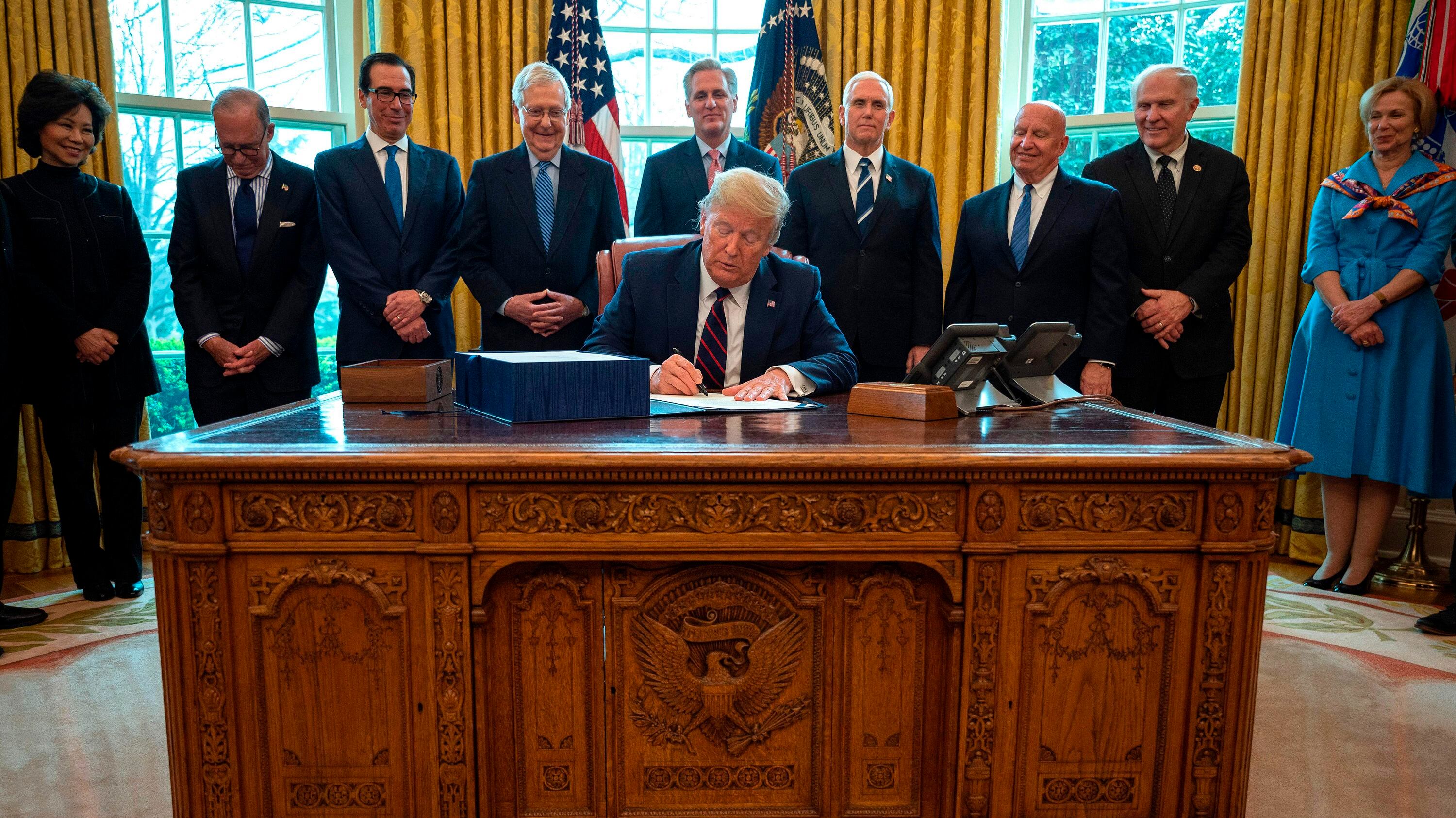
President Donald Trump has signed an unprecedented $2.2 trillion economic rescue package into law, after swift and near-unanimous action by Congress this week.
From Wall Street to Silicon Valley, these are the top stories that moved markets and had investors, business leaders, and entrepreneurs talking this week on Cheddar.
Stocks are moving lower on Wall Street as the market gives back some of the gains it piled up over the past three days. Major indexes are down more than 2% in afternoon trading Friday.
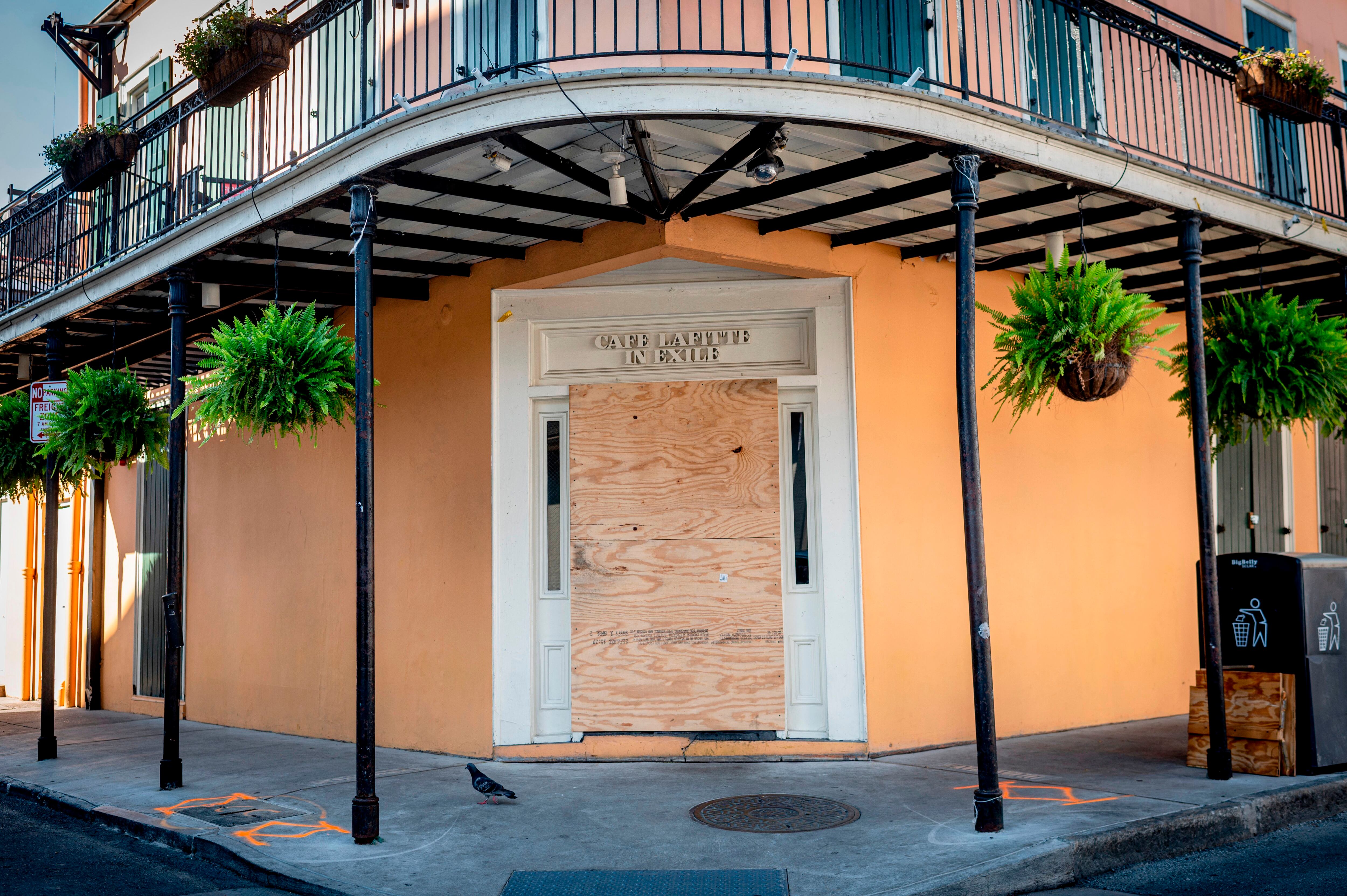
Restaurants are getting creative with private solutions as they hope to continue doing business, even while most of them are physically closed to the public, but the potential for saving most of these businesses may be a long shot.
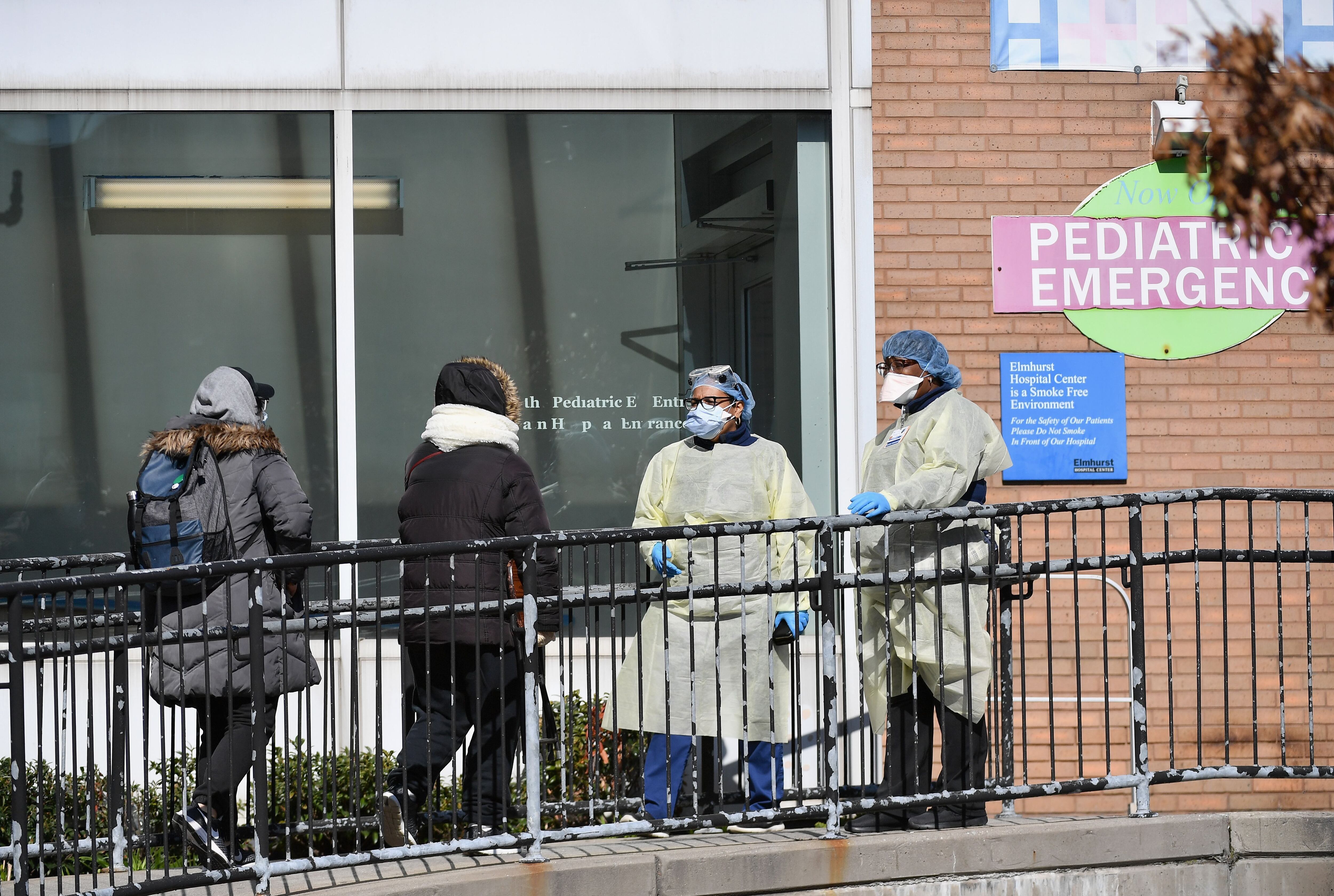
Healthcare workers have launched their own campaigns for gathering personal protective equipment as they fight the coronavirus on the frontlines, with #GetUsPPE trending across social media.
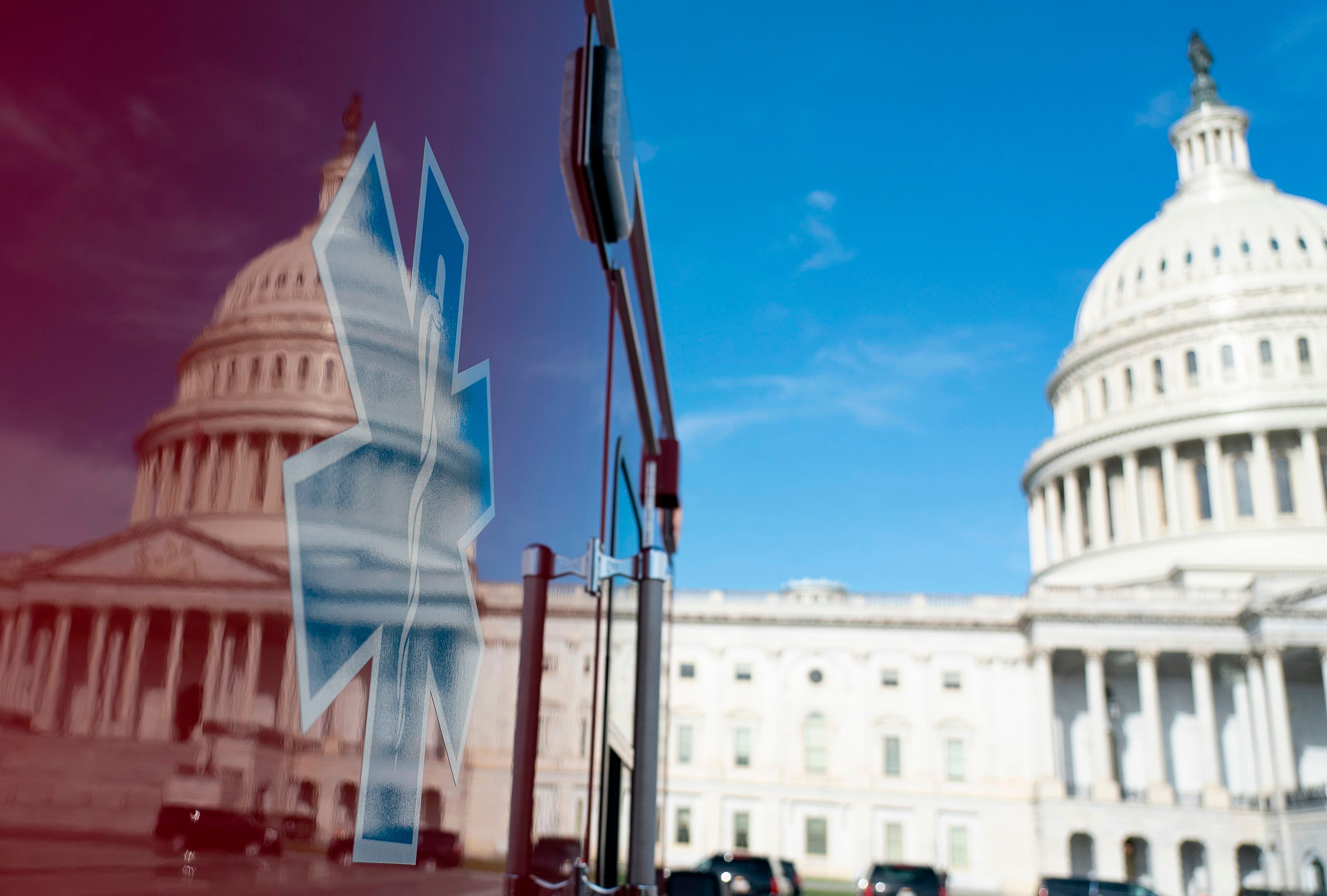
The House of Representatives overwhelmingly passed the $2.2 trillion coronavirus aid package Friday afternoon, but what was expected to be a smooth confirmation process devolved into a mad dash in the Capitol after one of the House’s own threatened to derail the vote with a procedural objection.
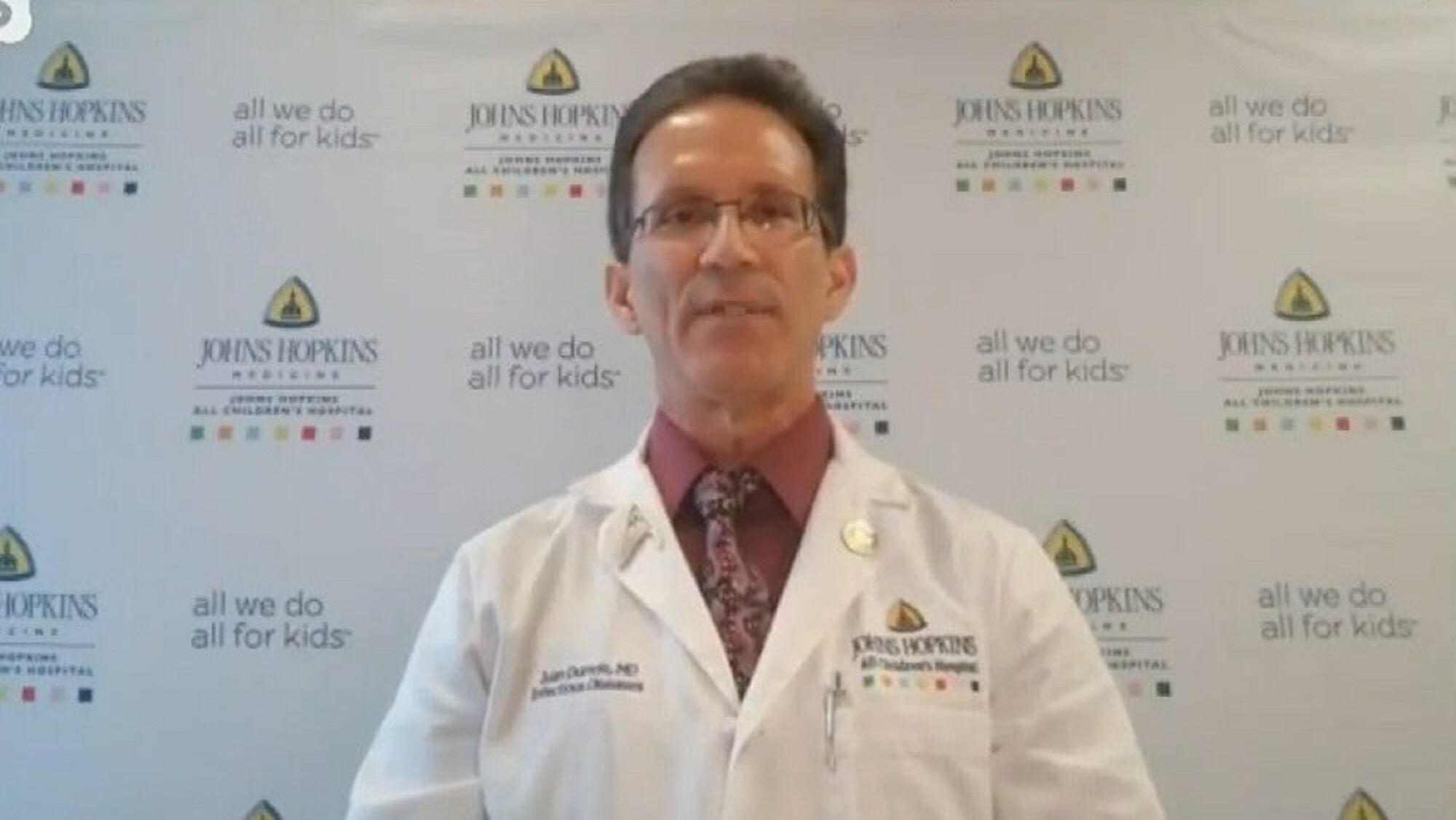
Despite President Donald Trump’s call to put the economy back to work by Easter, one Johns Hopkins physician says there may have to be “variability” in when states and cities restart their economies.