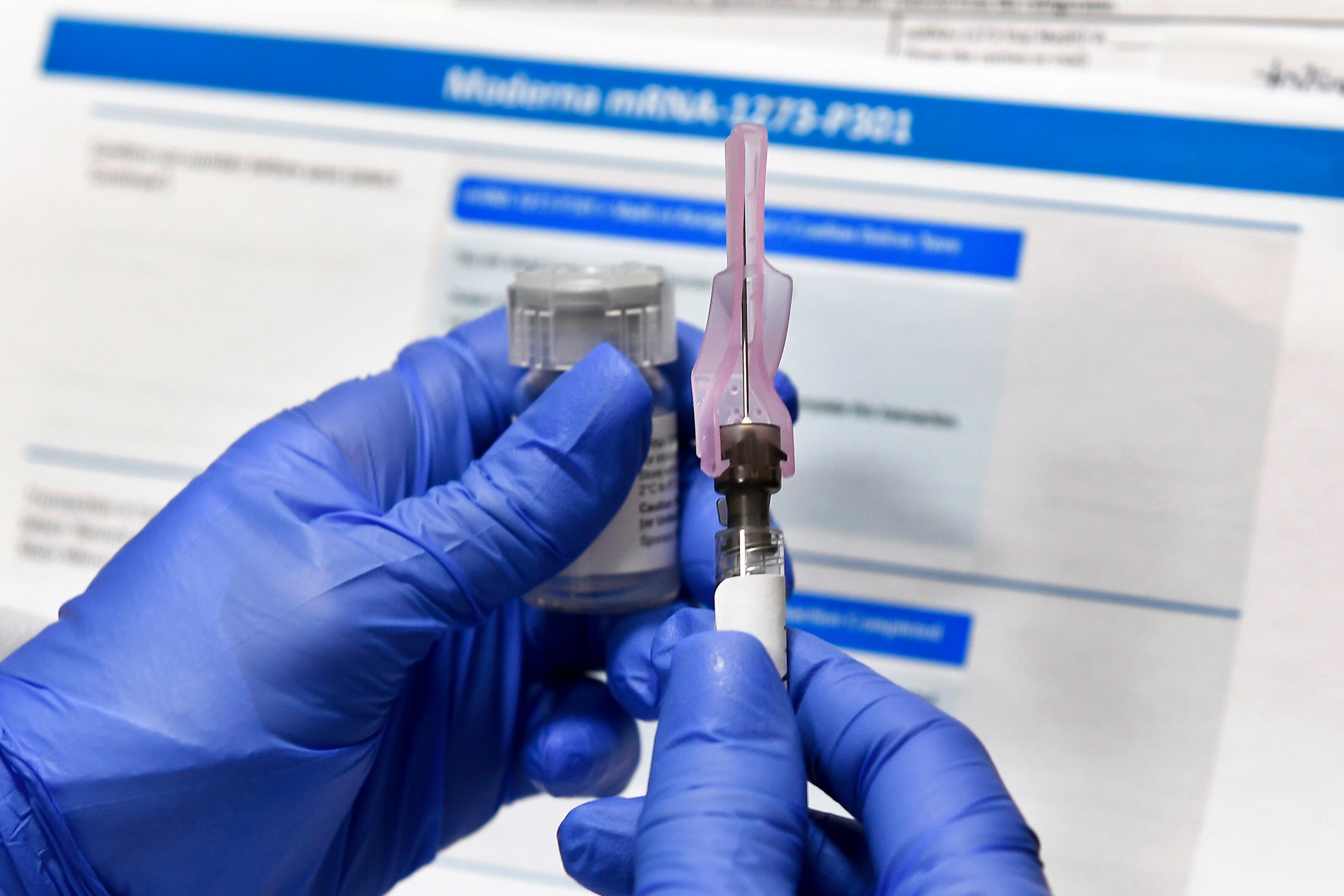
In this Monday, July 27, 2020 file photo, a nurse prepares a shot as a study of a possible COVID-19 vaccine, developed by the National Institutes of Health and Moderna Inc., gets underway in Binghamton, N.Y. On Tuesday, Sept. 8, 2020, the top executives of nine drugmakers likely to produce the first vaccines against the new coronavirus said that they will stick to the highest ethical and scientific standards in testing and manufacturing and will make the well-being of those getting vaccinated their top priority. (AP Photo/Hans Pennink)
By Linda A. Johnson
The top executives of nine drugmakers likely to produce the first vaccines against the new coronavirus signed an unprecedented pledge meant to boost public confidence in any approved vaccines.
The companies said Tuesday that they will stick to the highest ethical and scientific standards in testing and manufacturing and will make the well-being of those getting vaccinated their top priority.
The announcement comes amid worries that the U.S. Food and Drug Administration will be under political pressure to approve a vaccine before tests to prove it is safe and effective are finished.
Meanwhile, public health officials worry that if many Americans don't get the vaccine, it will be harder to reduce the spread of COVID-19.
The pledge was signed by the chief executive officers of American drugmakers Johnson & Johnson, Merck, Moderna, Novavax, and Pfizer, and European companies AstraZeneca, BioNTech, GlaxoSmithKline, and Sanofi. BioNTech has partnered with Pfizer on one of the vaccines now in the final round of human testing.
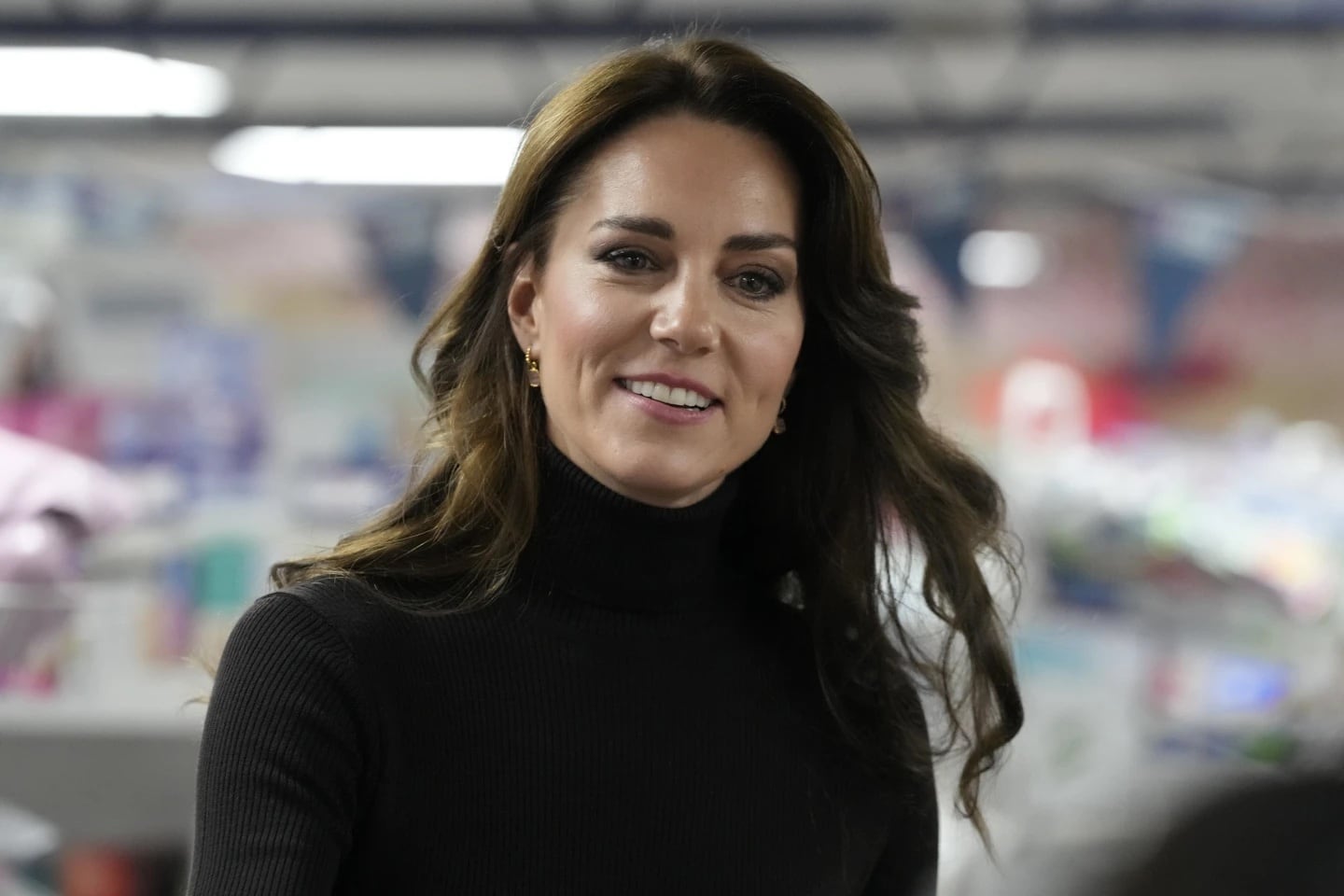
The video announcement Friday came after weeks of speculation spread on social media about her whereabouts and health since she was hospitalized in January for unspecified abdominal surgery.
Chip Giller, co-founder, and Amy Seidenwurm, Chief of Programs and Strategy at Agog: The Immersive Media Institute, discuss how the organization uses the virtual world to make real change.
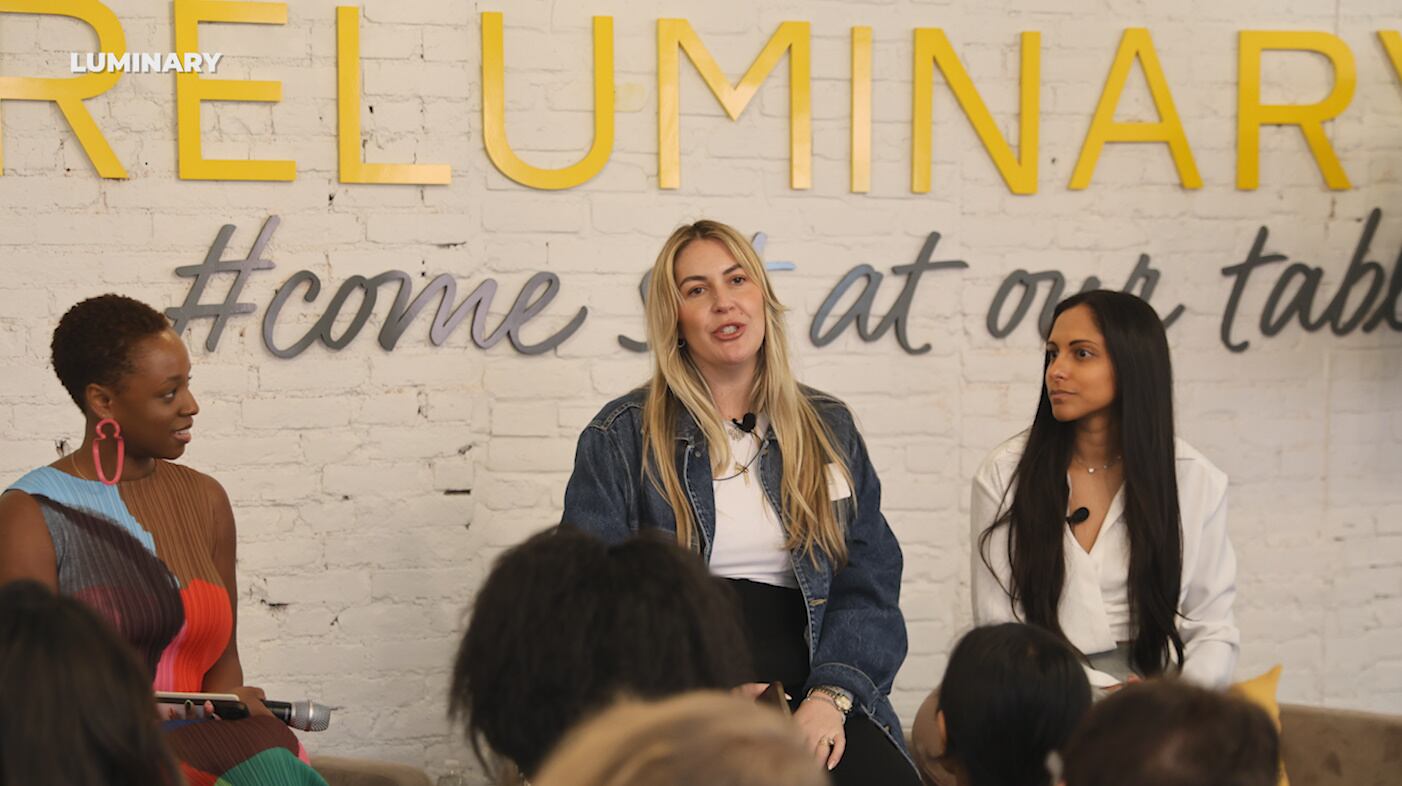
Luminary founder and CEO Cate Luzio shares some of the company’s latest Women’s History Month events and why there’s so much to celebrate about women in the workplace.
WSJ reporter Ray Smith breaks down why more companies are offering ‘dry’ promotions – a responsibility or title bump with no pay raise – and the pros and cons of accepting them.
Apple says a Justice Department antitrust lawsuit accusing it of engineering an illegal monopoly in smartphones in the U.S. is “wrong on the facts and the law.”
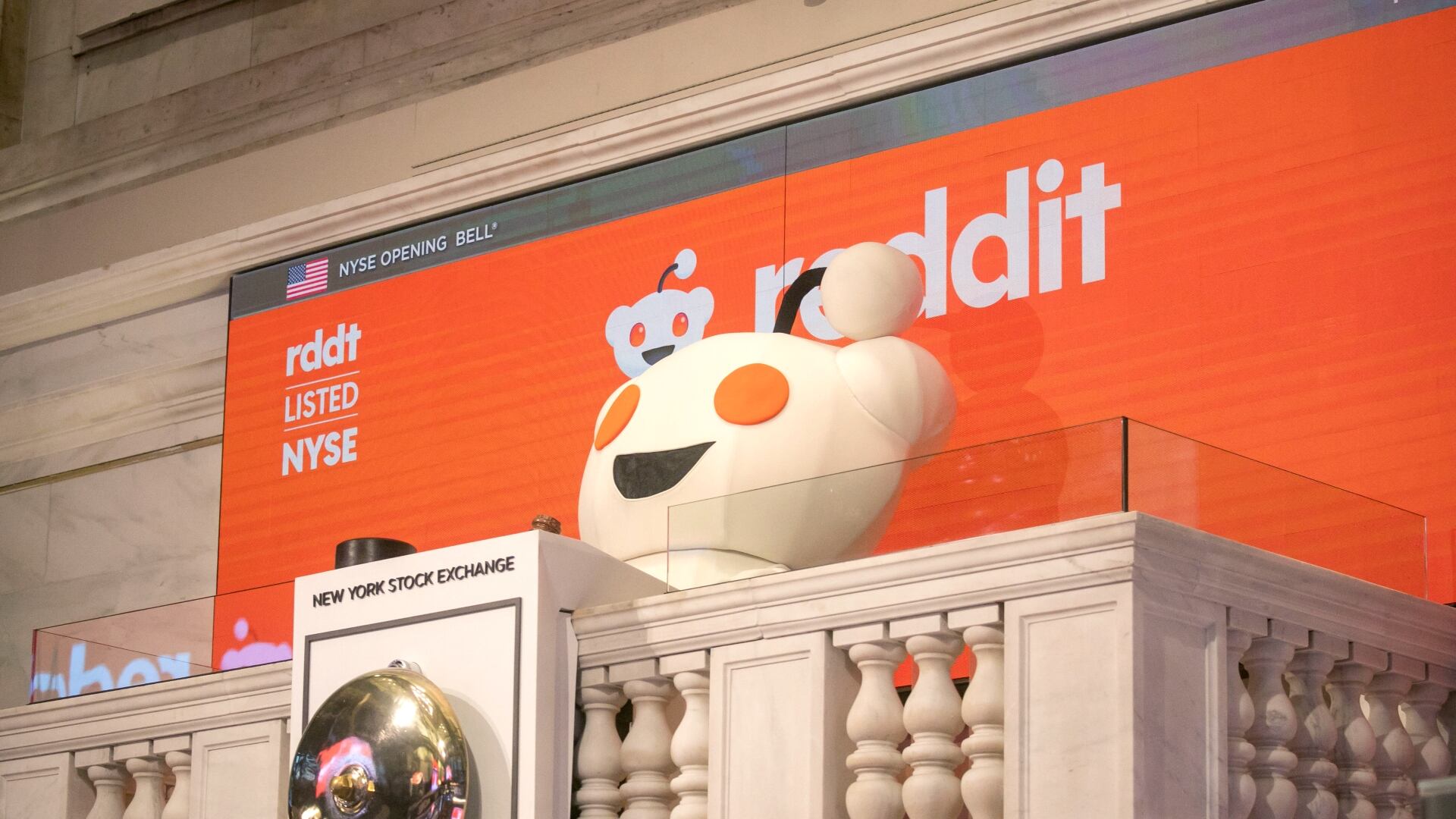
As Reddit shares begin trading at the NYSE, ‘Einstein of Wall Street’ Peter Tuchman breaks down the social platform’s debut and what it means for the overall IPO market in 2024.
CEO and co-founder of Alix, Alexandra Mysoor, discusses why it’s so important for everyone, regardless of income, to both plan and settle their estates.
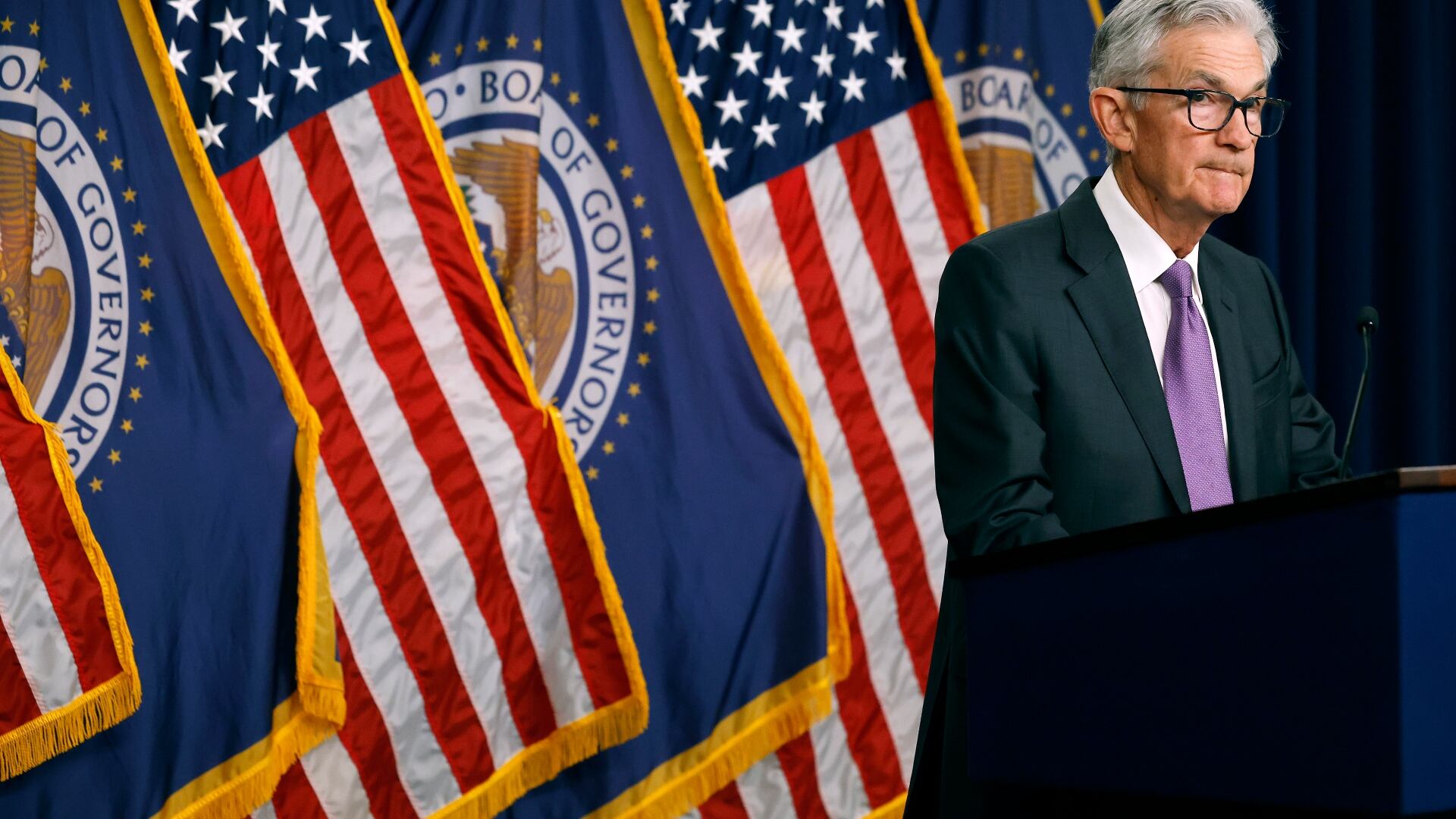
After the Fed forecast three cuts to come in 2024, Kevin D. Mahn, President and CIO at Hennion & Walsh Asset Management breaks down why the market looks strong, and he sees some reasons for concern in Reddit’s choice to IPO.