Comcast has thrown in the towel in the bidding war to snatch up assets of 21st Century Fox.
The cable giant announced on Thursday that it will instead focus on its bid for British broadcaster Sky.
The decision means Disney's $71 billion agreement to buy most of Fox can proceed unchallenged. Comcast had twice outbid the entertainment giant for those assets. It's last offer in June came in at $65 billion, and [some reports](https://www.wsj.com/articles/comcast-isnt-done-yet-1529524156) suggested bidding could go as high as $80 billion.
"Our focus now is on completing the regulatory process and ultimately moving toward integrating our businesses," said Disney CEO Bob Iger in a statement about the move.
Comcast CEO Brian Roberts said, "I’d like to congratulate Bob Iger and the team at Disney and commend the Murdoch family and Fox for creating such a desirable and respected company."
The two companies were vying for Fox's film and TV studios, the networks FX and NatGeo, and its stakes in Hulu, India's Star network, andーto complicate thingsーSky.
Fox currently holds a 39 percent stake in Sky and last week offered to buy the rest in a deal that value the company at $32.5 billion. Comcast responded with an all-cash bid of $34 billion, 12 percent higher than what it first offered in February.
"Sky is clearly a crown jewel, you see all this competition for it," said Wall Street Journal reporter Keach Hagey. "It's something that would really give Comcast exposure to international markets, which they don't have. It would be massive for Comcast."
But UK regulators gave Fox the green light last week, which could mean the company would ultimately go to Disney.
A [Wall Street Journal report](https://www.wsj.com/articles/disneys-big-question-how-crucial-is-sky-to-its-fox-deal-1531915200) Wednesday suggested Disney might be willing to do without Sky if it meant avoiding a continued bidding war for Fox. Whether it's willing to sustain a battle for Sky is still a question.
Either way, the merger would further increase competition in the crowded streaming market, said Hagey, author of "The King of Content." Disney announced plans last year to create its own streaming service, which would likely include Fox's content.
"You already have to subscribe to four or five services if you want to watch the show that people are talking about at the water cooler," Hagey said. "It's going to only become more fragmented."
Disney and Fox shareholders are set to vote on their proposed combination on July 27th. The Justice Department approved the deal in late June.
For the full segment, [click here.]( https://cheddar.com/videos/comcast-drops-fox-bid-and-state-of-media-m-and-a)
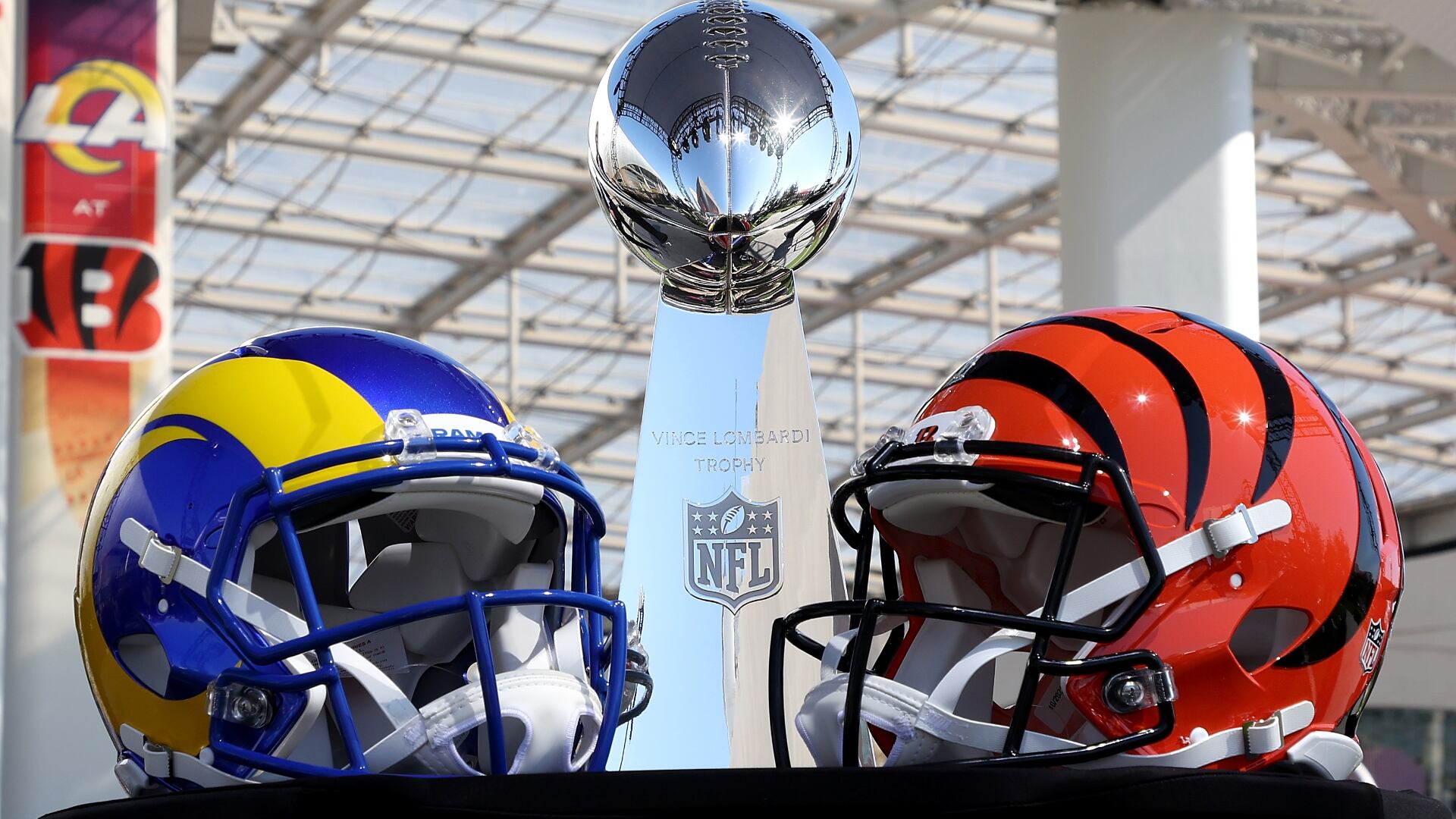
The Super Bowl is only a few days away, and the game is currently tracking to be the most expensive one ever.
Gametime, a website and app for last-minute tickets, says the average ticket price for the NFL's championship game is $9,502.50, with the most expensive seats costing nearly $38,000. That's a far cry away from the average ticket price of the first-ever Super Bowl in 1967, which was only $12. The average ticket price increased by more than $8,000 in just the past decade. Matt Rados, Senior Operations Manager at Gametime, joins Cheddar News' Closing Bell to discuss.
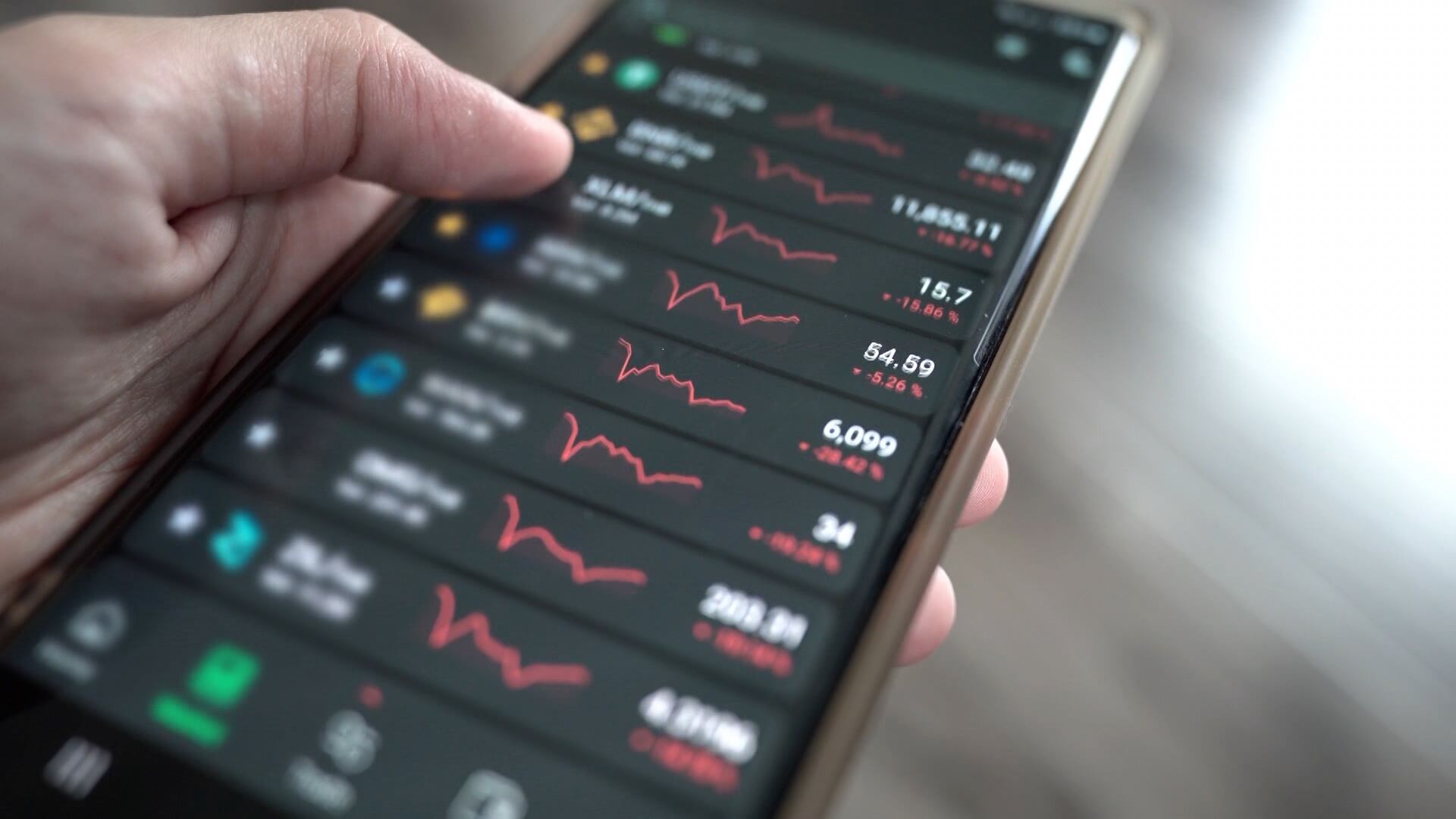
Earlier this week, digital investment advisor Betterment announced that it has hired Makara, a company known for its management of cryptocurrency portfolios. Sarah Levy, CEO of Betterment, joins Cheddar News' Closing Bell, where she explains why crypto represents such a promising long-term play and how her company stands to benefit from this latest move.
At-home medical labs company Getlabs raised $20 million in a Series A round, led by Emerson Collective and the Minderoo Foundation. Getlabs aims to be the boots-on-the-ground partner to telehealth. The company says more than 70% of medical decisions still require collecting diagnostic tests in person, and that it fills that void by delivering health care directly to their patients' homes. Founder & CEO of Getlabs Kyle Michelson joined Cheddar News' Closing Bell to discuss.
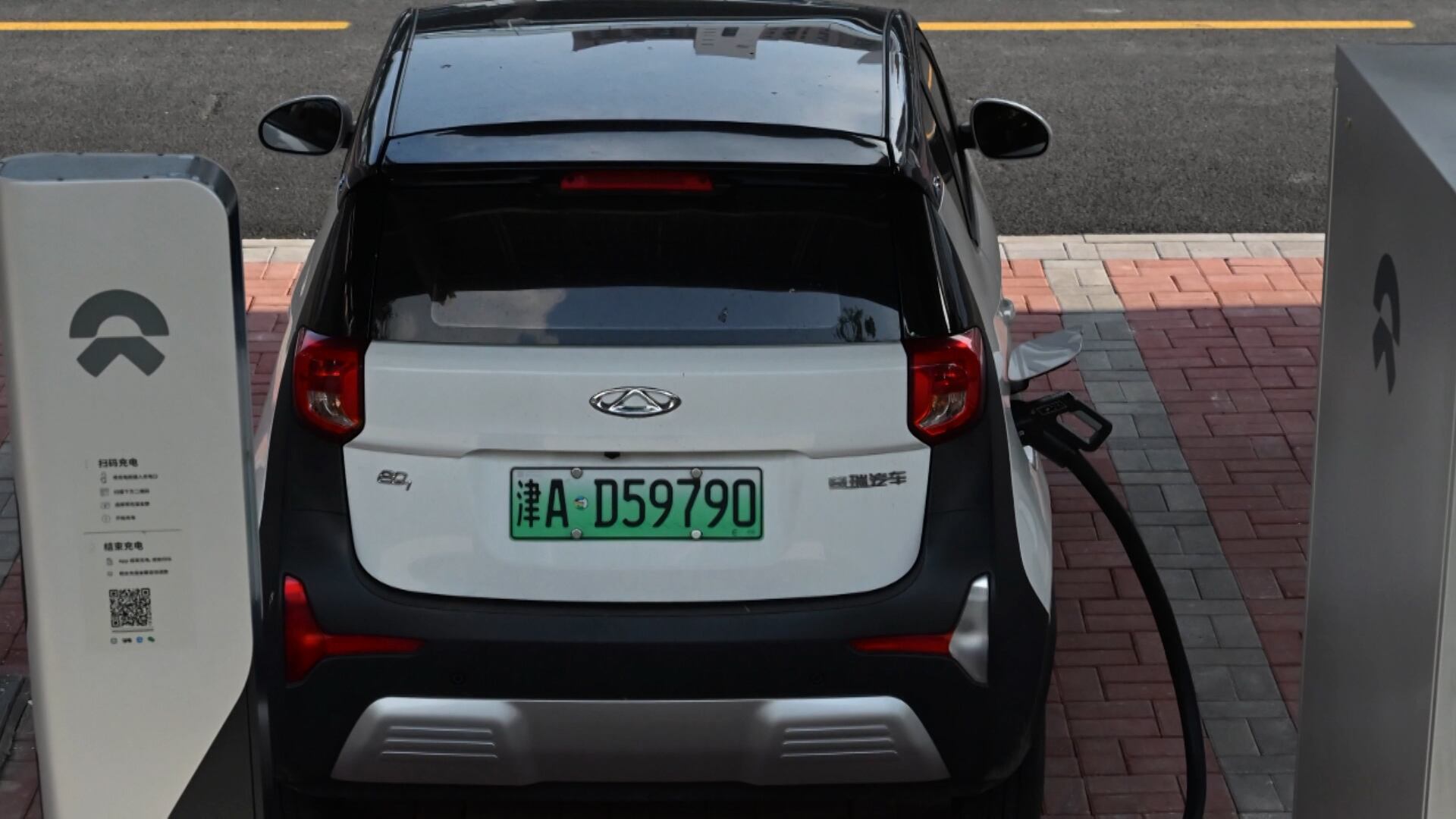
The White House laid out plans for a $5 billion investment into a national network of charging stations to ease EV driving anxiety. Bruce Brimacombe, CEO of EV infrastructure GOe3 joined Cheddar News to discuss how much needs to be done for drivers to get over the fear of running out of energy. "People need to be able to do what they're doing now," he said. "But that is the way that if you're going to buy an electric car, you got to feel like you're not changing your world." Brimacombe noted that building out the infrastructure between cities was GOe3's own focus.
U.S. automakers are saying that the blockade of the Ambassador Bridge, a crucial border crossing between the U.S. and Canada, is affecting their production lines. Michelle Krebs of Cox Automotive warns that the disruption "couldn't come at a worst time," amid chip and labor shortages in Detroit.
AND DETROIT-BASED AUTO MAKERS SAY THEY ARE SHUTTING DOWN PLANTS OR SCALING BACK PRODUCTION BECAUSE OF PARTS SHORTAGES.
Sonos reported better than expected Q1 earnings amid chip shortage with the release of its Roam product. CFO Brittany Bagley joined Cheddar News to discuss the smart speaker maker's successful report and its plans to hit its 2024 targets as people leave their homes as pandemic restrictions ease. "Even as people head out in the world, it doesn't mean they don't like to listen to music at home or watch a streaming movie at home," she said. "So there's still a real role for us and our products in peoples lives, sort of, no matter what else they're doing."