The Dow Jones jumped 200 points, after a two-day sell-off before falling again on Wednesday. Eric Wiegand, Senior Portfolio Manager at U.S. Bank Private Wealth Management explains the factors driving the market this week. Rep. Trey Gowdy (R-SC) announced Wednesday he will not seek reelection.
Rep. Trey Gowdy (R-SC) announced Wednesday he will not seek reelection. The decision comes one day after President Trump's first State of the Union. Republican political strategist Rick Wilson explains what this means for the Republican party, and shares his top moments from the SOTU.
There's a spotlight on Facebook as the social media giant reports earnings Wednesday. The company faces increasing scrutiny over fake news on its platform. Flipboard CEO Mike McCue explains the lessons he thinks Facebook needs to learn from journalism.
Bitcoin could face its worst monthly decline in January. Entrepreneur and original "Shark" Kevin Harrington shares his outlook for cryptocurrency, and how he thinks it could transform retail.
CEO and co-founder of Alix, Alexandra Mysoor, discusses why it’s so important for everyone, regardless of income, to both plan and settle their estates.
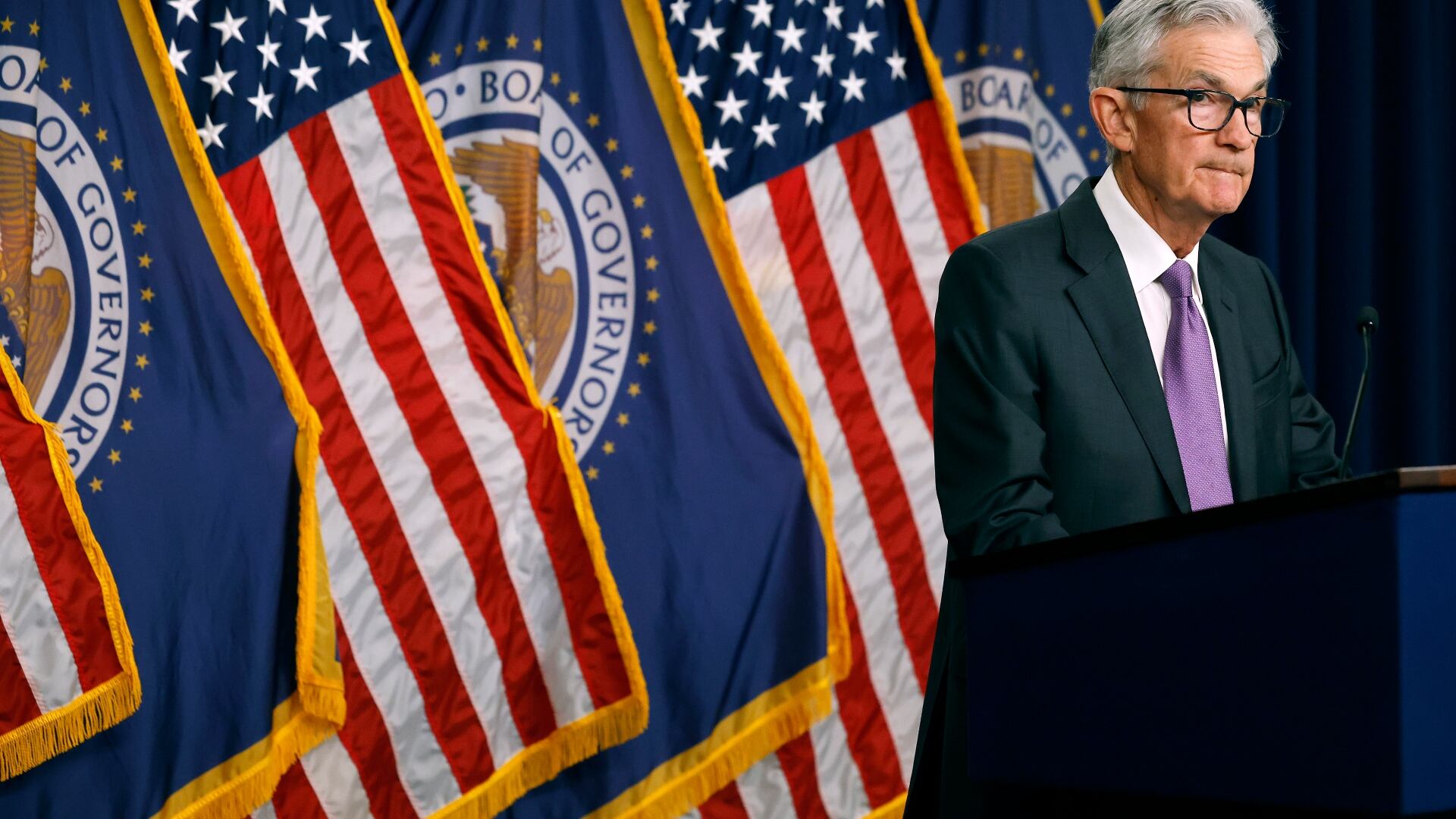
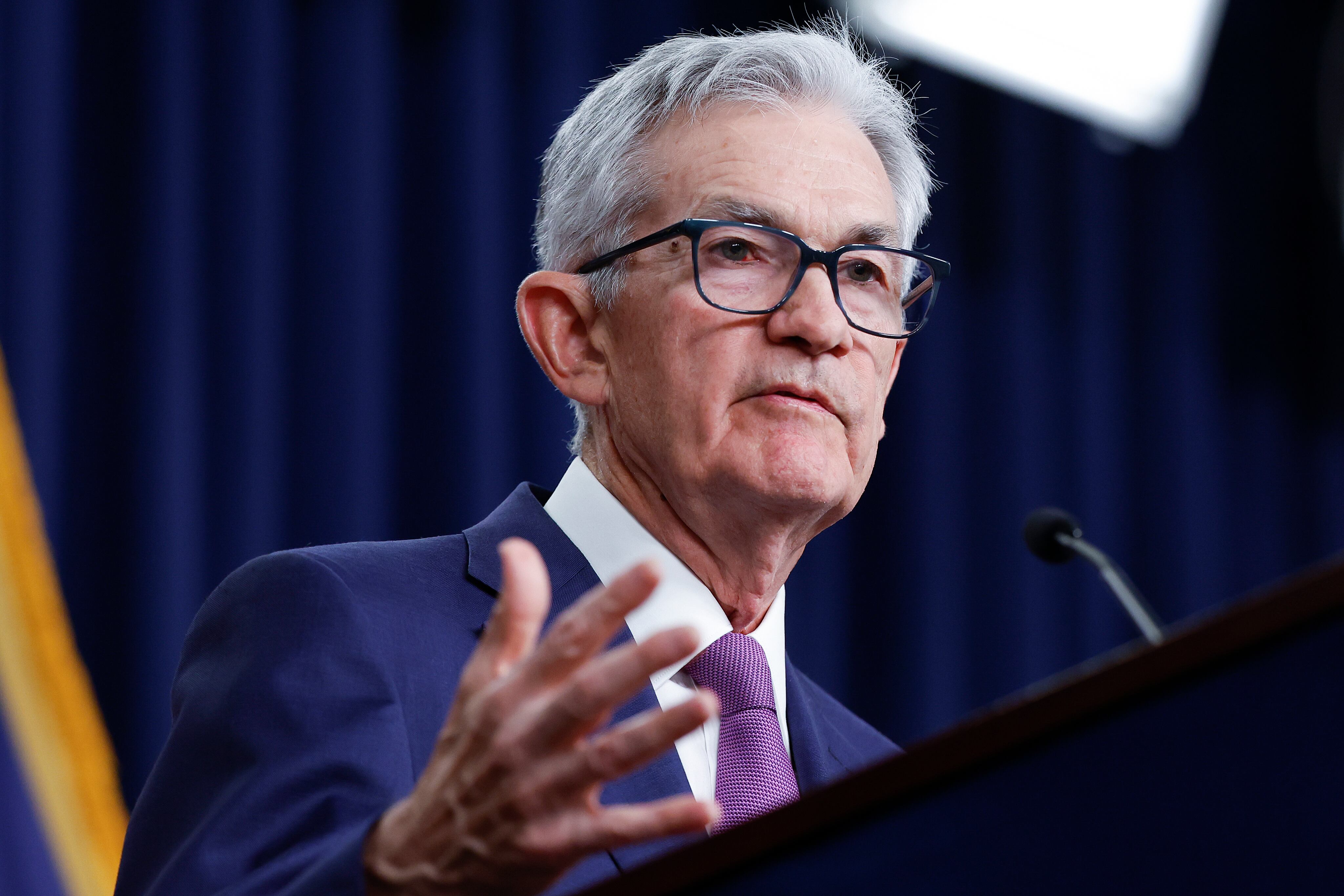
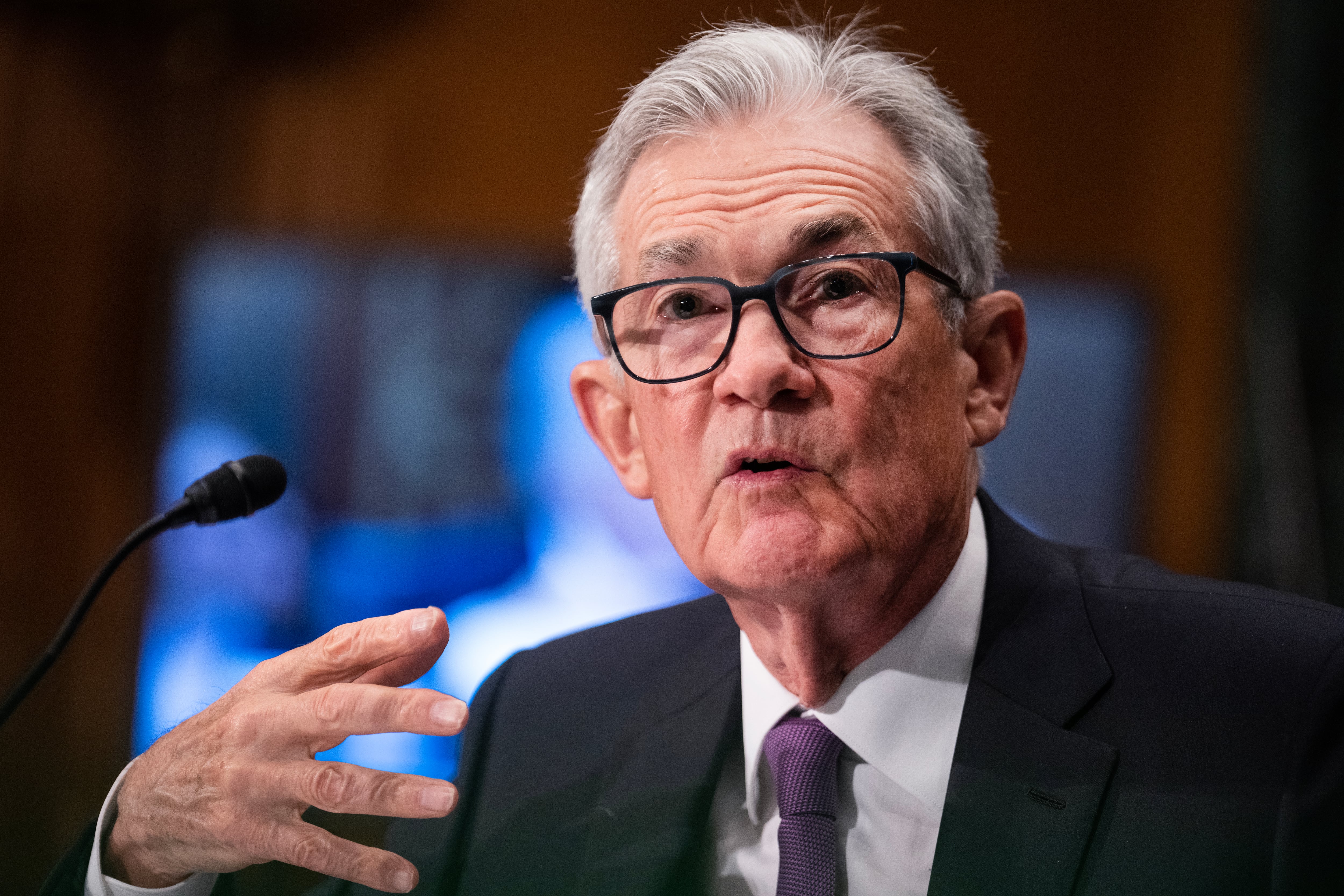
After the Fed forecast three cuts to come in 2024, Kevin D. Mahn, President and CIO at Hennion & Walsh Asset Management breaks down why the market looks strong, and he sees some reasons for concern in Reddit’s choice to IPO.
Federal Reserve officials signaled that they still expect to cut their key interest rate three times in 2024 despite signs that inflation was surprisingly high at the start of the year.
Brad Bernstein, managing director at UBS Private Wealth Management breaks down the state of the U.S. economy and what to expect from Fed policy from the rest of the year.