Before ClassPass settled on the business model it employs today, the service went through many different phases.
Founder Payal Kadakia revealed to Cheddar how she had to change up her strategy a handful of times before finally finding success.
“The third iteration was the subscription, and that’s really when it took off...and became ClassPass,” Kadakia told Cheddar.
The self-proclaimed “mission-obsessed” founder reflected on how the service started as a search engine for fitness classes, but one that didn’t offer a value proposition for users. From there, she tested out a discovery model where users could try different classes around New York City. But she says learned a lot from each of these versions.
“Always question what you’re doing and keep iterating and pivoting until you get to that North Star,” Kadakia said.
ClassPass launched in 2011. The service includes access to around 8,500 studios and is available to consumers in 49 cities.
For full interview, [click here](https://cheddar.com/videos/the-inspiration-behind-classpass).
James Gallagher, CEO and Co-Founder of GreenLite, discusses the challenges of rebuilding the fire-affected LA area and how permitting complicates the process.
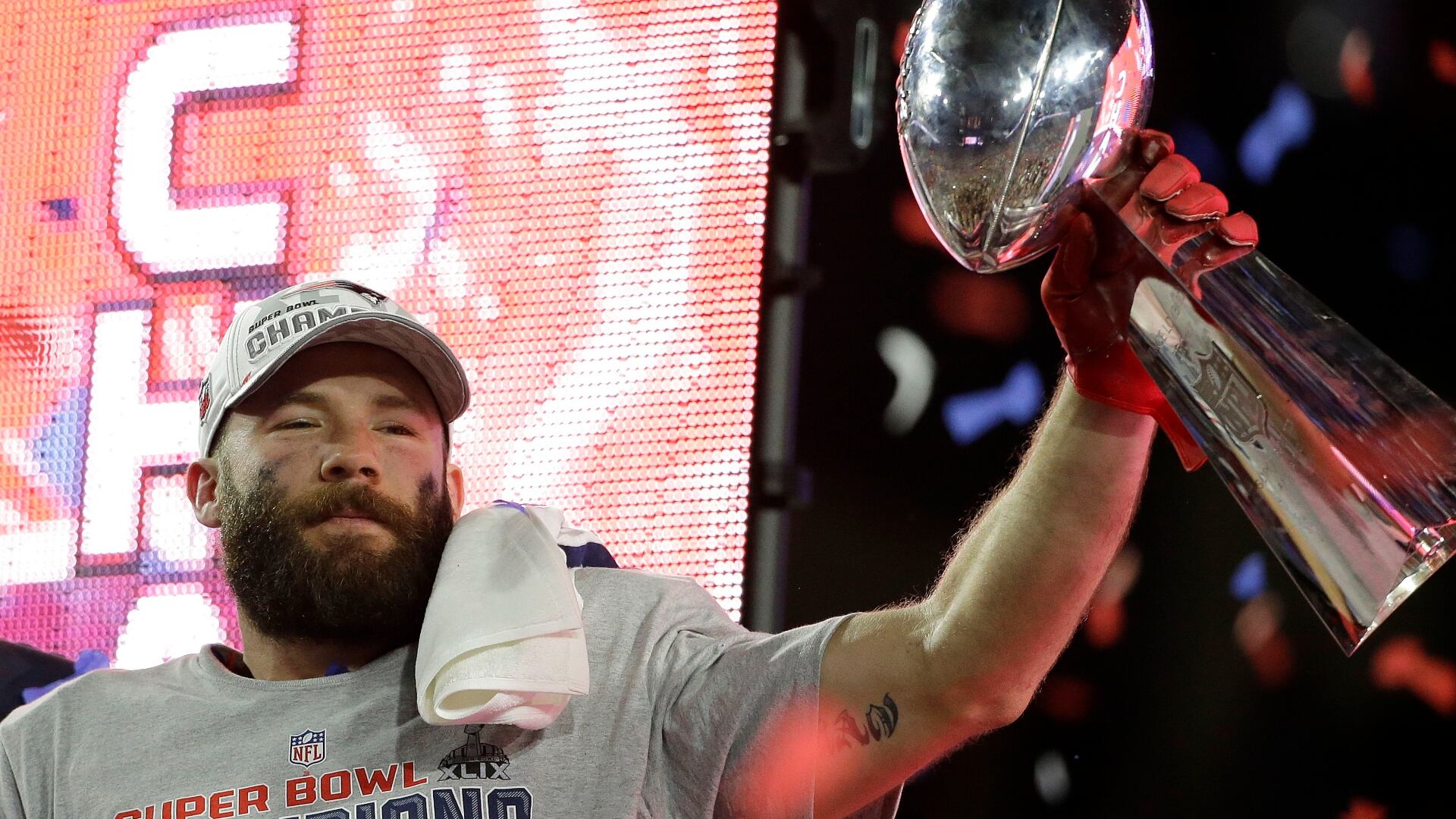
Super Bowl Champion, Julian Edelman, talks Chiefs' conspiracies, his fave TSwift song and his bet for Super Bowl LIX. Plus, the best time for a bathroom break.
Ron Hammond, Sr. Director of Government Relations at the Blockchain Association, breaks down Trump’s plan to strengthen U.S. leadership in financial technology.
BiggerPockets Money podcast is now available on Cheddar Wednesdays at 10am ET! Mindy Jensen shares how her podcast is helping people gain financial freedom.
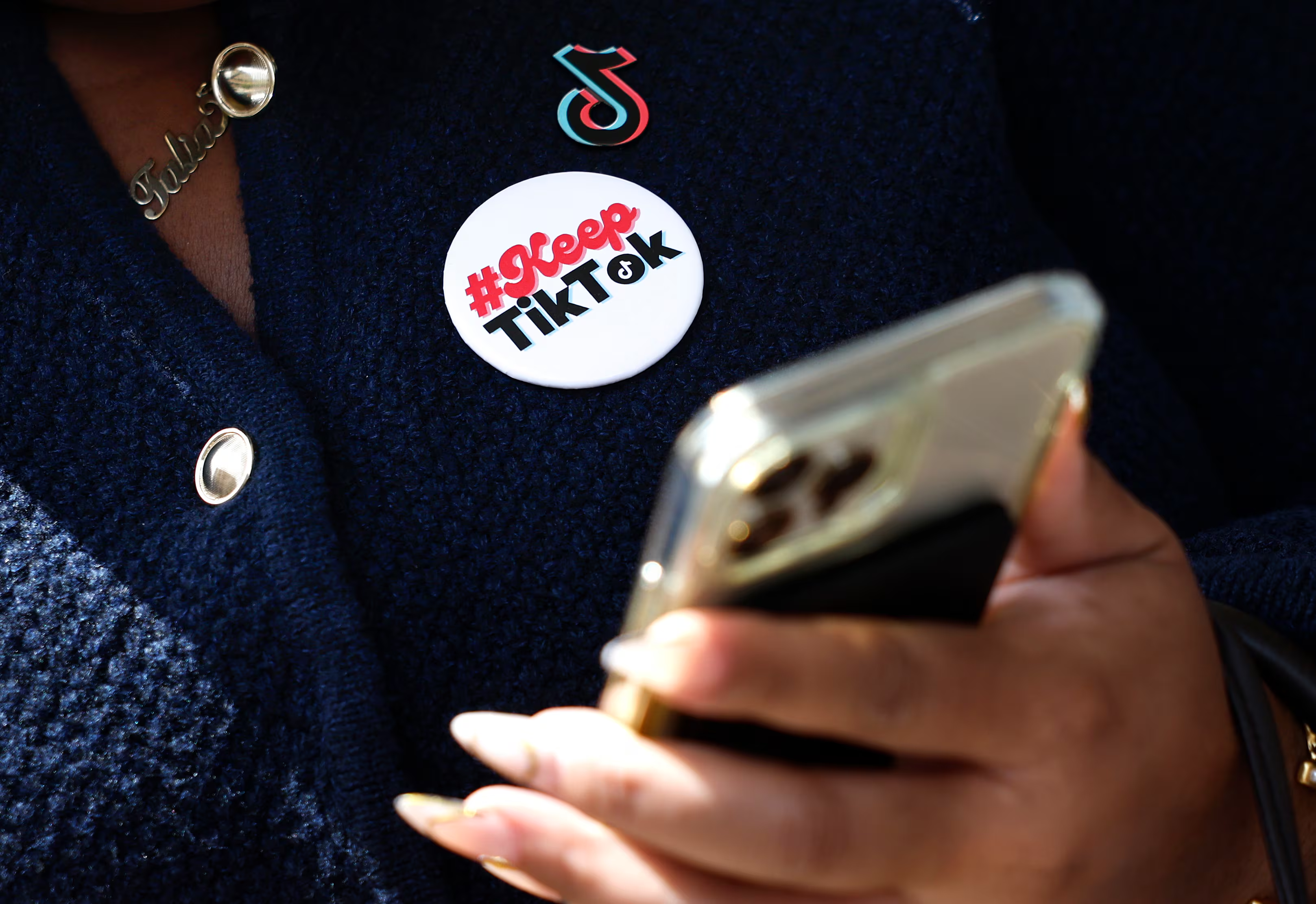
The social video platform's future remains in doubt, as players scramble to profit from the chaos. Plus: Big oil gets bigger, DOGE downsizes, and tariffs!
Ty Young, CEO of Ty J. Young Wealth Management, joins Cheddar to discuss Trump's moves as he returns to Washington D.C. and how it may affect the U.S. economy.
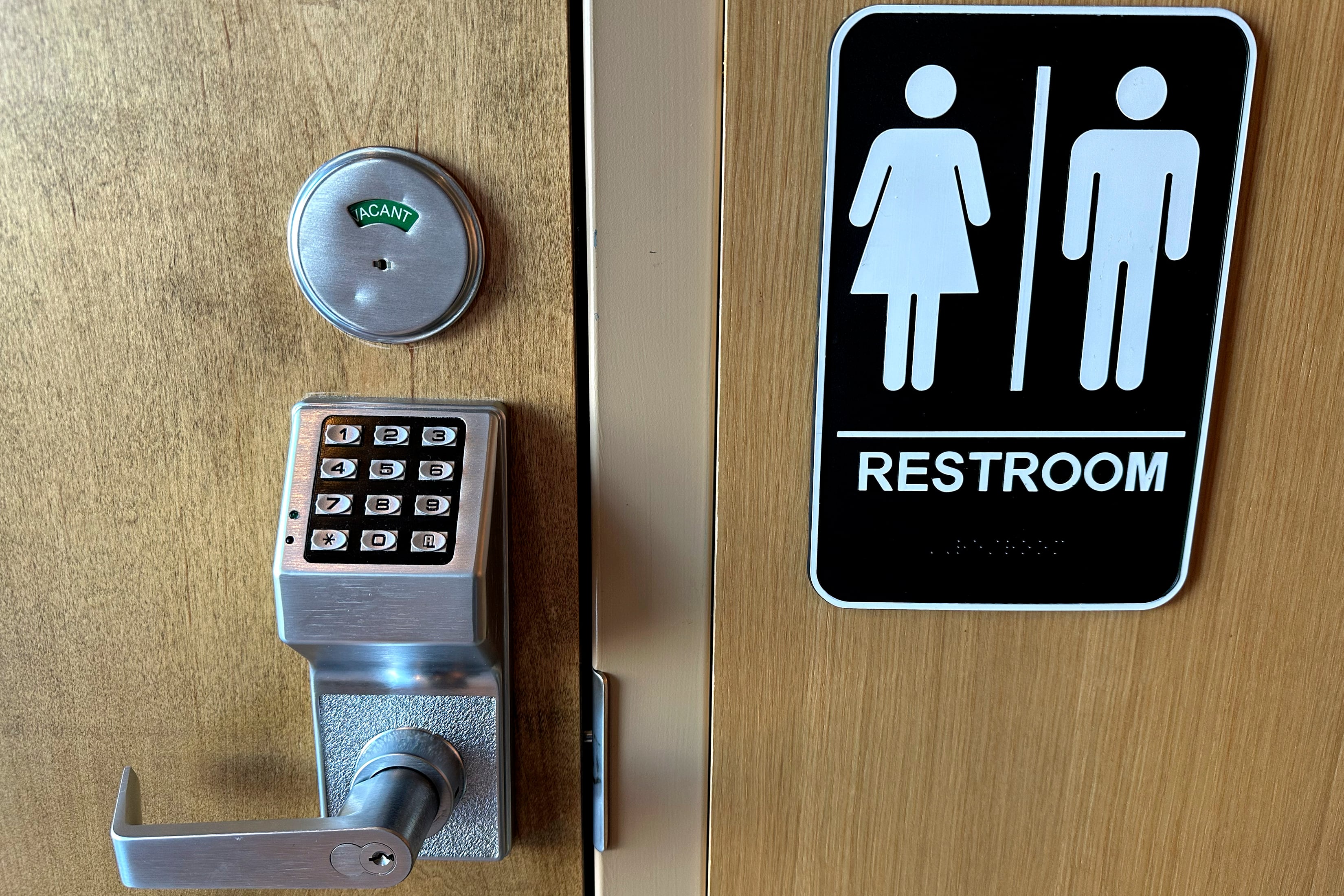
Starbucks’ decision to restrict its restrooms to paying customers has flushed out a wider problem: a patchwork of restroom use policies that varies by state and city. Starbucks announced last week a new code of conduct that says people need to make a purchase if they want to hang out or use the restroom. The coffee chain's policy change for bathroom privileges has left Americans confused and divided over who gets to go and when. The American Restroom Association, a public toilet advocacy group, was among the critics. Rules about restroom access in restaurants vary by state, city and county. The National Retail Federation says private businesses have a right to limit restroom use.